
How to Deadlift Properly: Singapore Guide
How to Deadlift Properly: Singapore Guide. Expert Singapore fitness guide with actionable advice, local tips, and gym recommendations.
As an Amazon Associate, Gyms.sg earns from qualifying purchases. Links here, including to our partner brand OnWhey, may earn us a commission at no extra cost to you.
QUICK ANSWER: HOW TO DEADLIFT PROPERLY IN SINGAPORE
Start with bodyweight hip hinges, progress to 20kg barbell, and focus on perfect form before adding weight. Most Singapore gyms have poor deadlift coaching, so nail the basics at home first.
Learning the Deadlift in Singapore's Gym Scene
Here's the honest truth about learning to deadlift in Singapore: most personal trainers at commercial gyms can't teach it properly. I've watched too many newbies get rushed through terrible form just to move more weight faster. The humidity doesn't help either — you're already sweating before you even start lifting.
But the deadlift is worth mastering. It builds everything — your posterior chain, grip strength, core stability, and that confidence that comes from picking up heavy things. The key is starting slow, focusing on movement quality, and finding the right environment to learn.
I spent my first two years deadlifting with rounded back and forward knees because nobody corrected my form. Don't make the same mistakes. This guide covers everything from your first hip hinge to pulling double bodyweight, with specific recommendations for Singapore's gym landscape.
Best Gyms for Learning Deadlifts
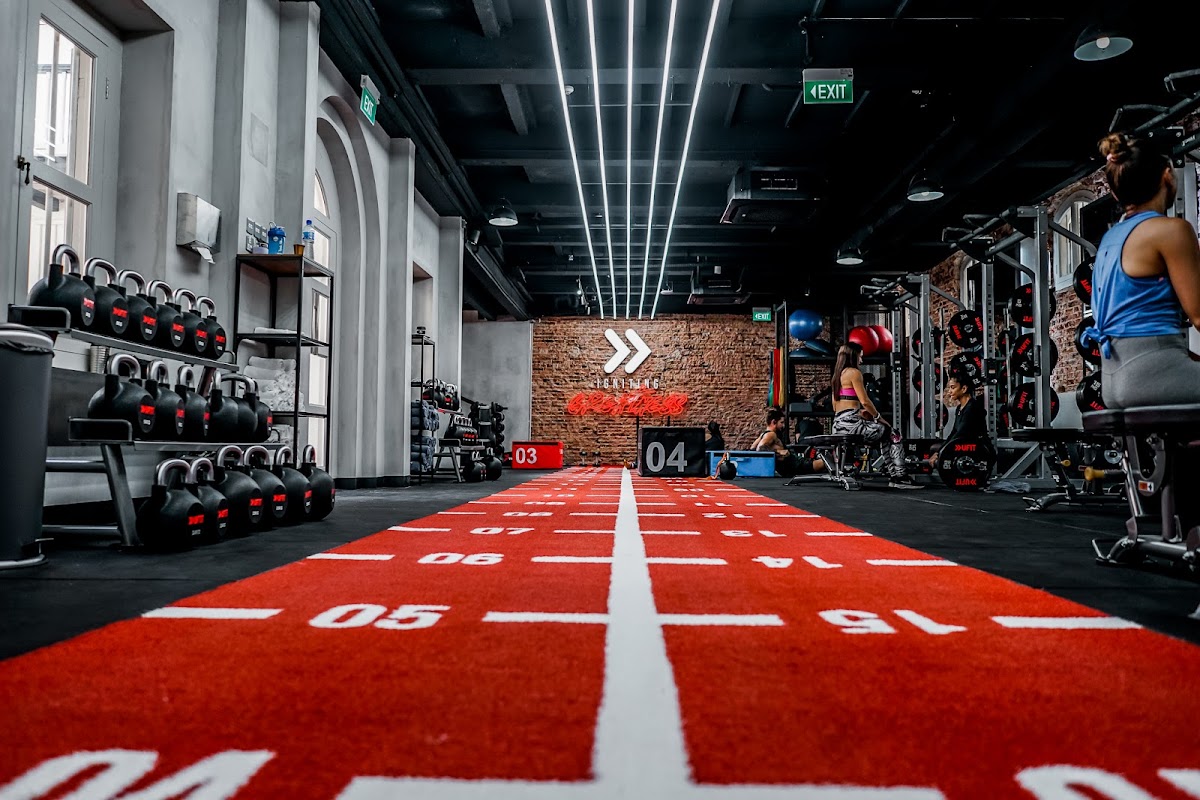
UFIT CBD Hub - Club Street
⭐ 5/5 (477 reviews) • $200-400/mo • Club Street
BEST FOR:
Serious form coaching with experienced trainers
NOT IDEAL FOR:
Casual lifters on a budget — prices start at $200/mo
The trainers here actually know how to coach deadlift progression. They'll make you master the hip hinge with a PVC pipe before you touch a barbell. Worth the premium if you can afford it — the movement quality you develop here will serve you for decades.
View Details →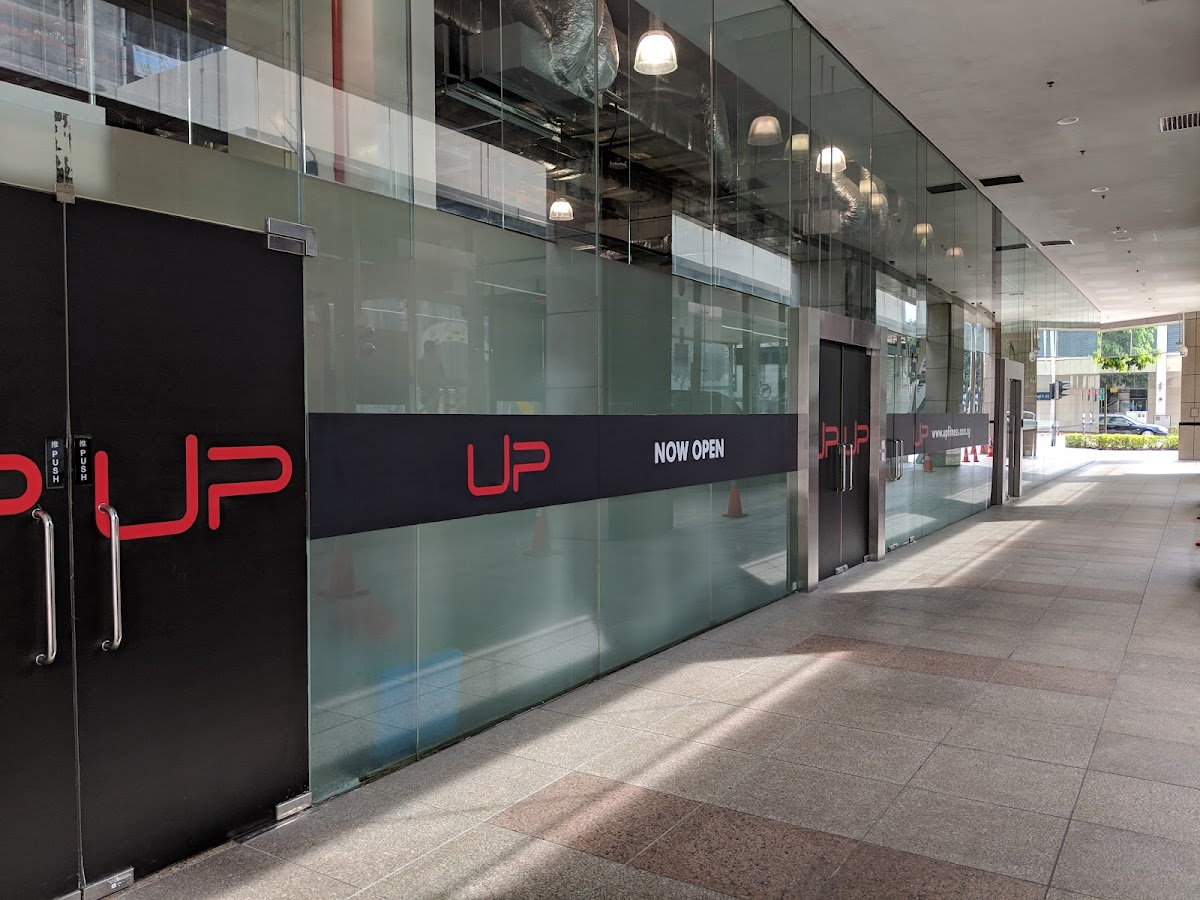
Ultimate Performance Singapore CBD
⭐ 5/5 (1323 reviews) • Contact for pricing • Cross Street
BEST FOR:
Premium personal training with world-class coaching
NOT IDEAL FOR:
DIY learners — this is 1-on-1 PT only
If money isn't an issue, these guys are the gold standard. They'll video your lifts, analyse every angle, and build a progression plan that fits your body mechanics. Expect to pay top dollar but the results speak for themselves.
View Details →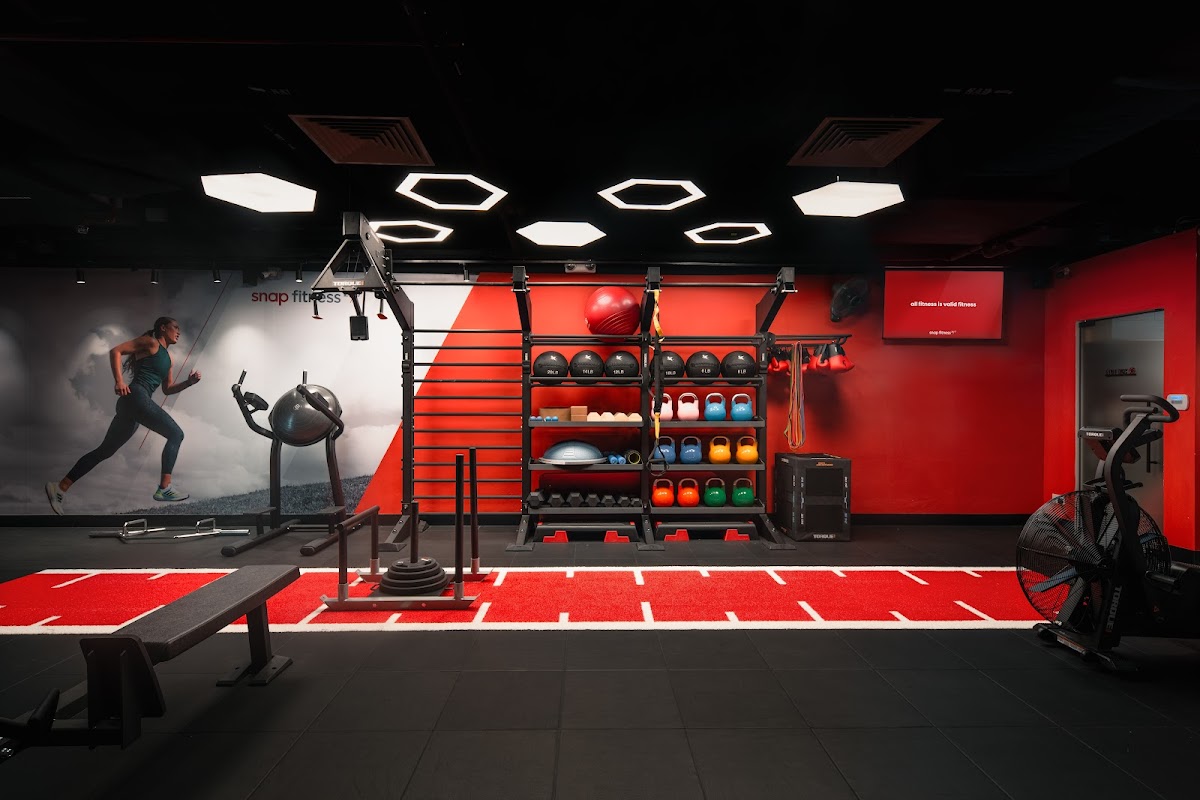
Snap Fitness Woodlands Health
⭐ 5/5 (48 reviews) • $70-120/mo • Woodlands
BEST FOR:
Self-directed learning with decent equipment
NOT IDEAL FOR:
Complete beginners who need hands-on coaching
Solid mid-range option with proper Olympic bars and bumper plates. The space is clean, equipment is well-maintained, and you can practice your form without feeling rushed. Plus it's 24-hour access if you want to avoid crowds.
View Details →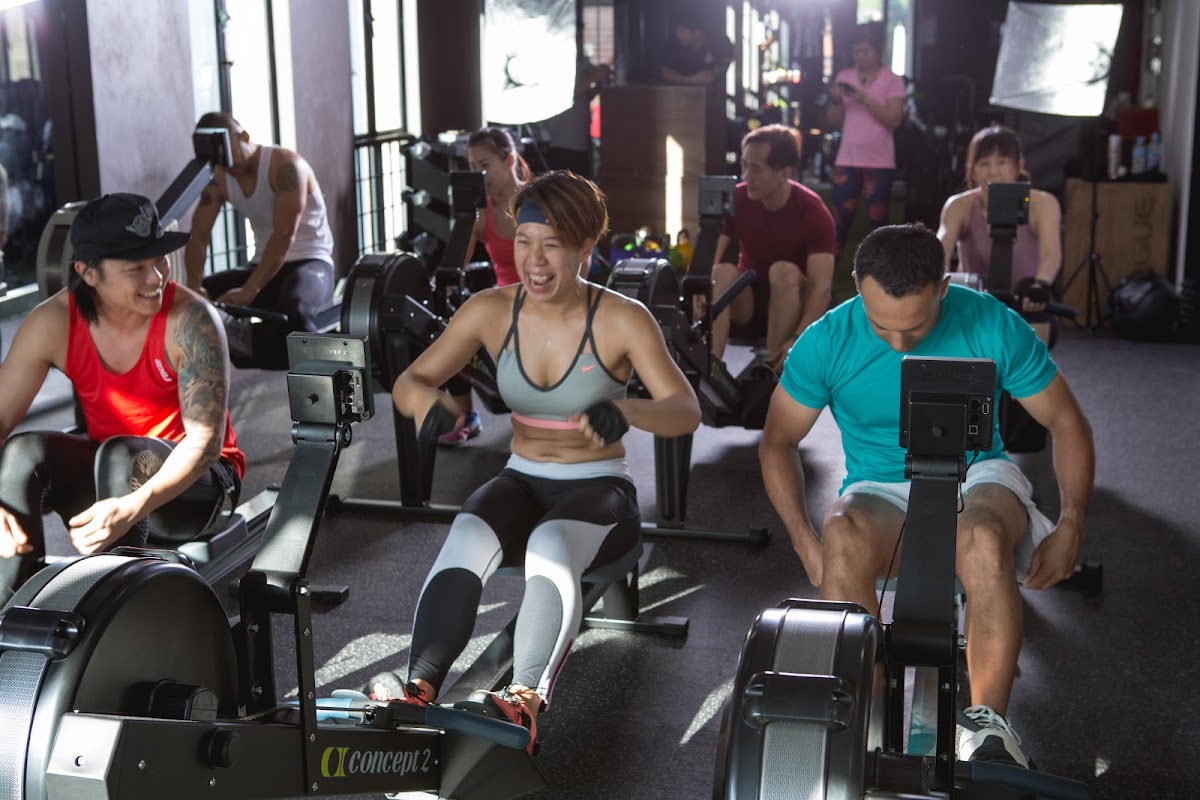
Pulse Lab
⭐ 5/5 (34 reviews) • Contact for pricing • Aliwal Street
BEST FOR:
Strength-focused training in a boutique setting
NOT IDEAL FOR:
Casual gym-goers who want variety classes
Small but mighty facility that takes strength training seriously. The coaches understand deadlift mechanics and won't rush you through progressions. Limited equipment but everything you need to build a solid foundation.
View Details →Deadlift Comparison Table
| Gym | Price | Coaching | Equipment | Best For |
|---|---|---|---|---|
| UFIT CBD | $200-400/mo | Excellent | Premium | Proper coaching |
| Ultimate Performance | Premium | World-class | Elite | 1-on-1 mastery |
| Snap Woodlands | $70-120/mo | Basic | Solid | Self-learners |
| Pulse Lab | Mid-range | Good | Focused | Strength athletes |
The Complete Deadlift Learning System
Phase 1: Hip Hinge Mastery (Weeks 1-3)
Before you touch a barbell, nail the hip hinge. This is where 90% of people go wrong — they turn the deadlift into a squat with the bar in their hands.
Bodyweight Hip Hinge: Stand arm's length from a wall, feet hip-width apart. Push your hips back until your butt touches the wall. Your knees should barely bend, chest stays up, arms hang straight down. Feel the stretch in your hamstrings? That's the movement pattern.
Practice Schedule: 3 sets of 10 bodyweight hip hinges, 3 days per week. Rest 60 seconds between sets. Focus on the feeling, not speed.
Form Checks: Knees track over toes (not caving inward). Chest doesn't collapse. Weight stays on your heels. If your quads are burning, you're squatting not hinging.
Phase 2: Romanian Deadlift (Weeks 4-6)
Now add a barbell or dumbbells. Start with just the 20kg Olympic bar — don't let ego get involved here. The Romanian deadlift (RDL) teaches you to control the descent and feel your hamstrings load properly.
Setup: Hold the bar with overhand grip, hands just outside your legs. Start standing tall, bar against your thighs. Initiate the movement by pushing your hips back, letting the bar track down your legs. Stop when you feel a deep hamstring stretch (usually mid-shin level).
Program: 3 sets of 8-12 reps, twice per week. Rest 90 seconds between sets. Week 1: 20kg bar. Week 2: Add 2.5kg each side. Week 3: Add another 2.5kg each side.
The bar should stay close to your body the entire time. If it drifts forward, your back will round and you'll miss the whole point of the exercise. Check out our squat guide for more tips on maintaining proper back position.
Phase 3: Full Deadlift from Floor (Weeks 7-12)
Time for the real thing. Set the bar on the floor (use bumper plates if available, or stack 45lb plates to get proper height). This is where most Singapore gyms fail — they don't teach proper setup position.
The 5-Step Setup:
1. Bar Position: Mid-foot, about 1 inch from your shins
2. Hip Hinge: Push hips back, reach down and grab the bar
3. Leg Drive: Bend knees until shins touch the bar (bar shouldn't move)
4. Chest Up: Lift your chest, squeeze shoulder blades together
5. Tension: Pull the slack out of the bar before lifting
The Lift: Drive through your heels, push the floor away. Bar stays close to your body. Hips and shoulders rise at the same rate. Lock out by driving hips forward, not by leaning back.
Program: 3 sets of 5 reps, twice per week. Add 2.5-5kg per week. Rest 2-3 minutes between sets. Film yourself from the side to check bar path and back position.
Common Mistakes in Singapore Gyms
The Rushed Progression: I see this constantly at commercial gyms. Trainers add weight too fast because they think clients want to see numbers go up. Your hamstrings and lower back need time to adapt. Slow progression prevents injury and builds better movement patterns.
Wrong Shoes: Those thick-soled running shoes are killing your deadlift. You need a stable base — either flat-soled shoes like Converse, or go barefoot if the gym allows it. Some serious lifters invest in dedicated weightlifting shoes (Nike Romaleos and equivalents) for maximum stability — the rigid sole stops your foot rolling under heavy loads.
The Mixed Grip Too Early: Don't switch to mixed grip (one hand over, one under) until your regular grip fails around 80-100kg. Mixed grip creates imbalances and increases bicep tear risk. Build your grip strength first, or use lifting straps for heavier sets.
Ignoring the Humidity: Singapore's heat and humidity will drain you faster than you think. Bring a towel, stay hydrated, and consider training deadlifts first when your energy is highest. Don't deadlift in peak afternoon heat if you can avoid it.
How to Choose Your Learning Style
IF YOU'RE A: Complete Newbie
Look for: patient coaching, video analysis, progression tracking, injury prevention focus
Best fit: UFIT CBD Hub ($200-400/mo)
IF YOU'RE A: Self-Directed Learner
Look for: good equipment, flexible hours, space to practice, video setup spots
Best fit: Snap Fitness Woodlands ($70-120/mo)
IF YOU'RE: Serious About Strength
Look for: powerlifting-focused gyms, competition equipment, advanced coaching
Best fit: Pulse Lab (Contact for pricing)
IF YOU'RE: Money No Object
Look for: elite personal training, customised programming, world-class facilities
Best fit: Ultimate Performance (Premium pricing)
Advanced Deadlift Variations
Once you can deadlift 1.5x your bodyweight with perfect form, consider adding these variations to your routine:
Sumo Deadlift: Wider stance, hands inside legs. Better for people with long torsos or hip mobility issues. Start with 80% of your conventional deadlift weight and work up.
Deficit Deadlifts: Stand on a 2-4 inch platform to increase range of motion. Great for building strength off the floor. Use 85-90% of your regular deadlift weight.
Pause Deadlifts: 2-second pause just below the knee, then complete the lift. Builds strength through sticking points. Use 80-85% of max weight.
Single-Leg Romanian Deadlifts: Unilateral strength and stability work. Start with bodyweight, progress to holding dumbbells. Great for addressing imbalances.
Insider Tips for Singapore Deadlifters
Beat the Crowds: Singapore gyms get packed between 6-8pm on weekdays. If you're serious about deadlifting, train early morning (6-8am) or late night (after 9pm). You'll have better access to equipment and space to focus on form.
Humidity Strategy: Bring chalk or use liquid chalk if the gym allows it. Your grip will suffer in Singapore's humidity, especially during rainy season. Some gyms prohibit chalk, so check first or use liquid versions that don't leave residue.
Equipment Reality Check: Not all gyms have proper deadlifting bars. Olympic bars are fine, but avoid those shorter, lighter bars you see in some budget gyms. They bend differently and throw off your technique. If your gym doesn't have bumper plates, use the largest plates available to get proper bar height.
Recovery in Heat: Singapore's climate makes recovery harder. You'll sweat more, dehydrate faster, and feel more drained after heavy deadlift sessions. Plan your training schedule around this — don't deadlift the day before important work meetings.
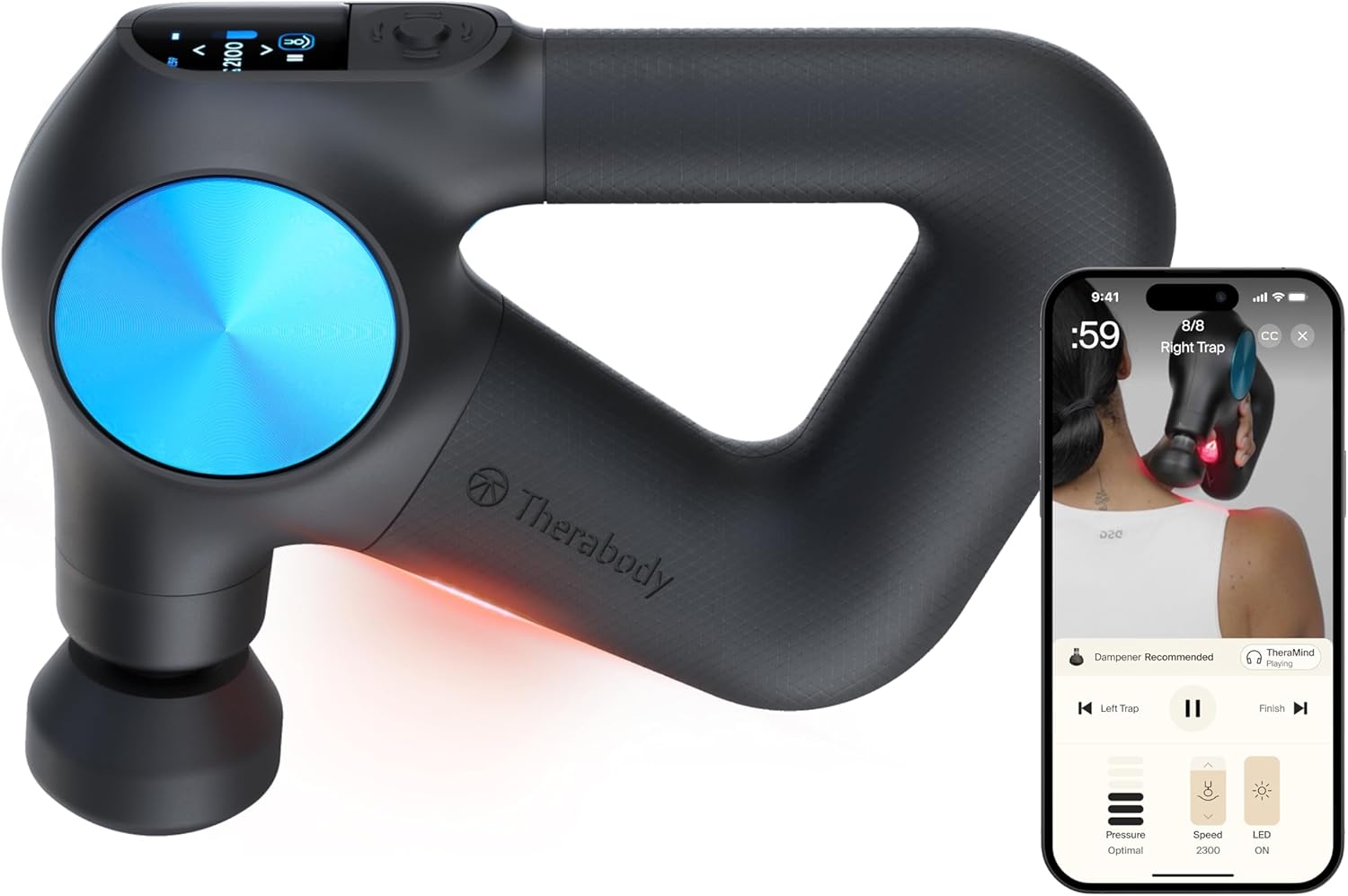
THERAGUN PRO PLUS
⭐ 4.8/5 • Available at Amazon.sg
BEST FOR:
Recovering the lower-back erectors and hamstrings after heavy deadlift days
NOT IDEAL FOR:
Beginners pulling sub-60 kg once a week — overkill at this load
After heavy pulls, the erectors and glutes stay tight in ways foam rolling can't quite reach. The PRO Plus has the stall force to actually penetrate dense glutes and lower-back muscle, six attachments cover everything from broad muscle bellies to small trigger points around the hips, and battery life comfortably handles a week of daily use.
View on Amazon SG →Form Check Resources: Since most Singapore gym trainers aren't qualified to coach deadlifts properly, learn to self-assess. Set up your phone to film from the side during working sets. Check that the bar stays close to your body, your back maintains its natural arch, and the bar moves in a straight line up and down.
Sample 12-Week Deadlift Program
Weeks 1-4: Foundation Building
Frequency: 2x per week (Monday/Friday)
Exercise: Romanian Deadlift
Sets/Reps: 3 sets of 10-12
Weight Progression: Start with empty bar, add 5kg per week
Weeks 5-8: Skill Development
Frequency: 2x per week
Exercise: Conventional Deadlift from floor
Sets/Reps: 4 sets of 5
Weight Progression: Add 5kg per week, reset if form breaks down
Weeks 9-12: Strength Building
Frequency: 2x per week
Exercise: Deadlift + variation work
Sets/Reps: Work up to 3 sets of 3, then 3 sets of 8 RDLs
Weight Progression: Add 2.5-5kg per week on main sets
Frequently Asked Questions
How much should I be able to deadlift?
Beginners should aim for bodyweight within 3-6 months of consistent training. After a year, 1.5x bodyweight is a solid milestone. Advanced lifters (2+ years) often reach 2x bodyweight or more. Don't rush these numbers — proper form always comes first. I've seen too many people hurt themselves chasing arbitrary strength goals in Singapore's competitive gym culture.
Do I need a lifting belt for deadlifts?
Not until you're lifting heavy loads (1.5x bodyweight or more). A belt supports your core during max efforts, but relying on it too early prevents your natural core strength from developing. When you do get one, invest in a quality powerlifting belt — the cheap ones from Sports Direct won't cut it for serious lifting.
How often should I deadlift per week?
2-3 times per week maximum. Deadlifts are extremely demanding on your nervous system and lower back. I recommend twice per week for most people — one heavy session and one lighter technique session. Advanced lifters might handle three sessions with proper periodisation, but beginners should stick to twice weekly.
Which gyms in Singapore have the best deadlift equipment?
Premium gyms like UFIT CBD Hub and Ultimate Performance have proper Olympic bars and bumper plates. Mid-tier options like Snap Fitness locations usually have decent equipment too. Avoid budget chains that use those lightweight, short bars — they'll throw off your technique.
Should I deadlift conventional or sumo style?
Start with conventional deadlifts — they teach better hip hinge mechanics and work more muscle mass. Try sumo after 6+ months if you have long torsos, short arms, or hip mobility limitations. Some people are naturally stronger in one style, but conventional is the better learning tool for beginners.
What should I do if my lower back hurts after deadlifting?
Stop deadlifting immediately and assess your form. Lower back pain usually means you're rounding your spine or lifting too much too fast. Rest for a few days, then restart with bodyweight hip hinges and very light weights. If pain persists, see a physiotherapist. Don't push through back pain — it's not worth the long-term damage.
Can I learn deadlifts from YouTube instead of hiring a trainer?
YouTube is great for understanding concepts, but you need real-time feedback for proper form. Film yourself from the side and compare to good examples, but consider at least a few sessions with a qualified trainer. In Singapore's gym scene, many trainers aren't qualified to coach deadlifts, so do your research first. Check our beginner gym guide for tips on finding good trainers.
Final Recommendation: Start Smart, Stay Consistent
Here's my honest advice after years of deadlifting in Singapore gyms: start conservatively, focus on perfect form, and be patient with progression. The deadlift will transform your physique and strength, but only if you approach it intelligently.
For beginners, I'd start at Snap Fitness Woodlands Health with their solid equipment and reasonable pricing. Film your lifts, follow the progression I've outlined, and don't rush the process.
If budget allows, invest in a few sessions at UFIT CBD Hub to nail your technique early. It's expensive, but the movement quality you develop will serve you for decades. Bad habits formed early are incredibly hard to break later.
For those serious about strength training, check out our progressive overload guide to understand how to structure your training beyond the basics. The principles apply to all strength movements, not just deadlifts.
Remember: the best deadlift program is the one you'll actually stick to. Master the movement, stay consistent, and the strength gains will come. Singapore's gym scene has its challenges, but with the right approach, you can build an impressive deadlift anywhere in the city.
Related Guides
How to Squat Properly: Singapore Guide
How to Squat Properly: Singapore Guide. Expert Singapore fitness guide with actionable advice, local tips, and
How to Bench Press Properly: Singapore Guide
How to Bench Press Properly: Singapore Guide. Expert Singapore fitness guide with actionable advice, local tip
How to Row Properly: Singapore Guide
How to Row Properly: Singapore Guide. Expert Singapore fitness guide with actionable advice, local tips, and g
How to Do Push-Ups Properly: Singapore Guide
How to Do Push-Ups Properly: Singapore Guide. Expert Singapore fitness guide with actionable advice, local tip