
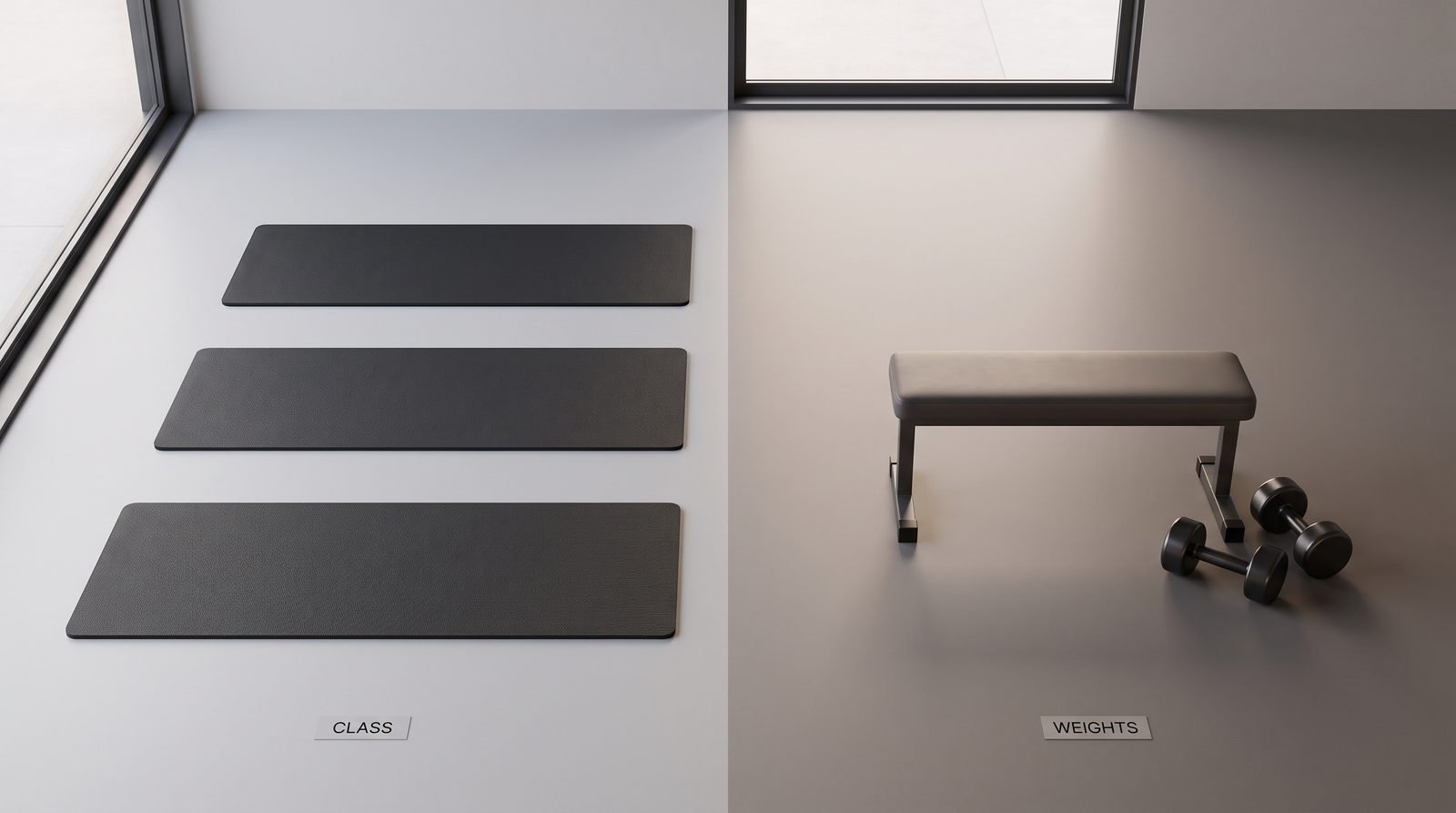
Group Classes vs Weights: Which is Better?
Group Classes vs Weights: Which is Better?. Expert Singapore fitness guide with actionable advice, local tips, and gym recommendations.
OnWhey is our own supplement brand.
QUICK ANSWER: GROUP CLASSES VS WEIGHTS
Both have their place — group classes for motivation and variety, weights for strength and muscle building. Most successful fitness routines combine both approaches rather than picking just one.
THE REAL TALK ON GROUP CLASSES VS WEIGHTS
They serve different purposes.
Group classes excel at motivation, variety, and getting you to show up consistently. Weights dominate for building actual strength, muscle mass, and measurable progress. The Singapore fitness scene reflects this — boutique studios are packed with professionals who need the accountability, while 24-hour gyms serve the serious lifters who know exactly what they want to achieve.
Most people who stick with fitness long-term end up doing both. The question isn't which camp to join — it's how to structure both for maximum results.
FEATURED GYMS FOR BOTH APPROACHES
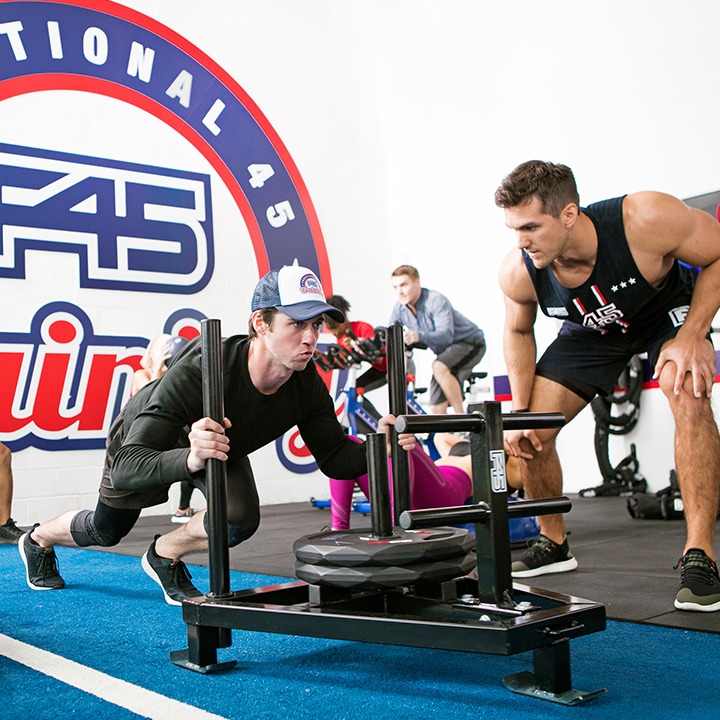
F45 TRAINING TANJONG RHU
⭐ 5/5 (207 reviews) • $238-316/mo • Stadium MRT
BEST FOR:
Group class addicts who want variety and high-energy workouts
NOT IDEAL FOR:
Pure strength seekers — limited heavy weight options
This is where F45's formula really works. 45-minute classes that blend functional movements with weights. The programming changes daily so you never get bored, but it's structured enough to track progress. Their Wave Mall location is convenient if you work around Marina Bay.
View Details →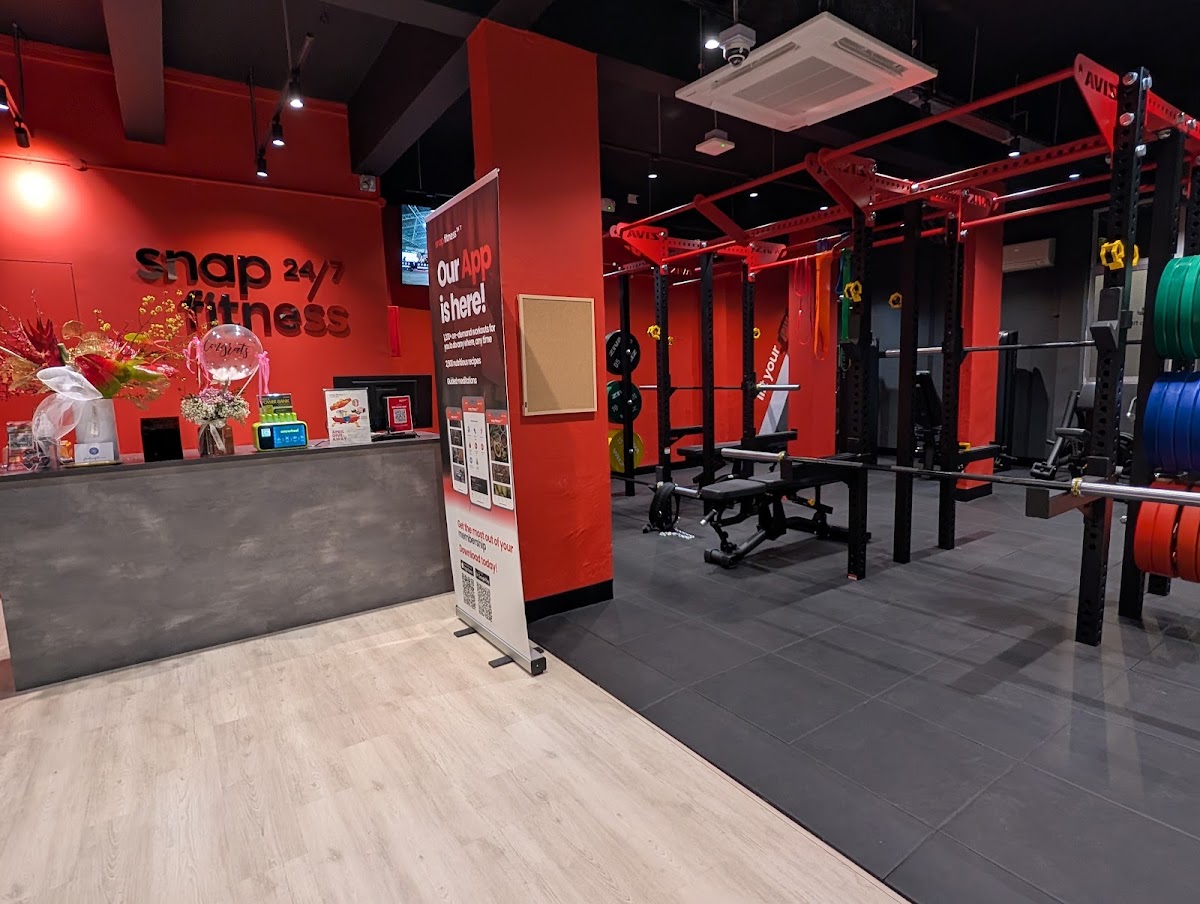
SNAP FITNESS JURONG WEST
⭐ 5/5 (203 reviews) • $70-120/mo • Jurong West MRT
BEST FOR:
Serious lifters who want 24/7 access and proper equipment
NOT IDEAL FOR:
Beginners who need constant motivation and guidance
Classic strength-focused gym that does one thing very well. Free weights section is properly equipped with everything from 1kg dumbbells to 50kg+ plates. The 24-hour access means you can lift when the racks aren't crowded. Limited group classes but that's not why you'd choose Snap.
View Details →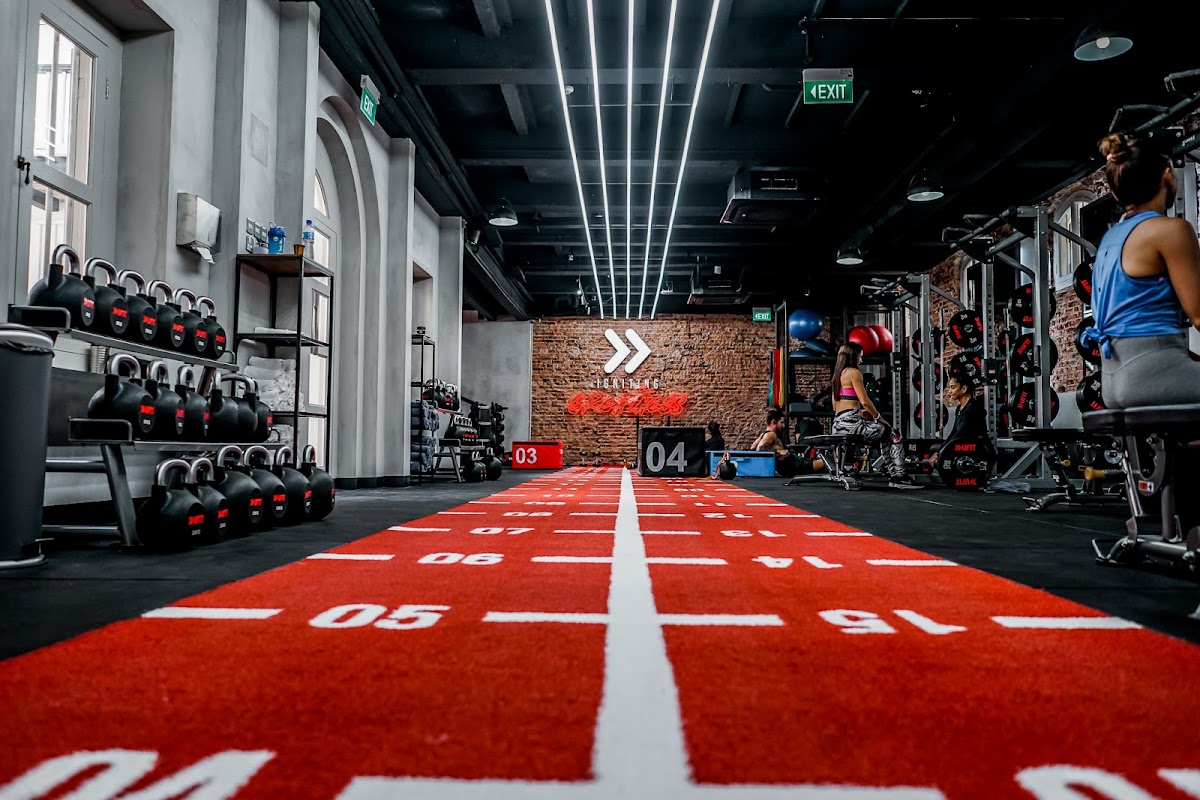
UFIT CBD HUB - CLUB STREET
⭐ 5/5 (477 reviews) • $200-400/mo • Chinatown MRT
BEST FOR:
CBD professionals who want premium everything — classes and weights
NOT IDEAL FOR:
Budget-conscious gym-goers — you're paying for location and service
The premium option that delivers on both fronts. Small group personal training sessions that feel like classes but with weights programming that actually builds strength. Club Street location means you can walk from most CBD offices. Price reflects the premium positioning.
View Details →
UBX NOVENA
⭐ 5/5 (35 reviews) • $168-250/mo • Novena MRT
BEST FOR:
Boxing fans who want strength training with their cardio
NOT IDEAL FOR:
Traditional lifters who want standard gym equipment layouts
Boxing-focused classes that incorporate functional strength movements. Think bag work combined with kettlebell circuits. Different from typical group fitness but builds real strength alongside cardio. The Goldhill Plaza location is convenient from Novena MRT.
View Details →SIDE-BY-SIDE COMPARISON
| Gym | Price | Classes | Weights | Best For |
|---|---|---|---|---|
| F45 Tanjong Rhu | $238-316/mo | ⭐⭐⭐⭐⭐ | ⭐⭐⭐ | Class variety |
| Snap Fitness JW | $70-120/mo | ⭐⭐ | ⭐⭐⭐⭐⭐ | Pure strength |
| UFIT CBD Hub | $200-400/mo | ⭐⭐⭐⭐⭐ | ⭐⭐⭐⭐⭐ | Premium combo |
| UBX Novena | $168-250/mo | ⭐⭐⭐⭐ | ⭐⭐⭐⭐ | Boxing + strength |
HOW TO CHOOSE YOUR APPROACH
IF YOU'RE: NEW TO FITNESS
Start with group classes. The structure, motivation, and guidance will build the habit first. Add weights after 2-3 months when you understand basic movements.
Best fit: F45 Training ($238-316/mo)
IF YOU'RE: EXPERIENCED LIFTER
Prioritize weights with proper equipment and 24/7 access. Use occasional classes for cardio variety or deload weeks, but weights are your foundation.
Best fit: Snap Fitness ($70-120/mo)
IF YOU'RE: TIME-POOR PROFESSIONAL
Group classes win here. 45 minutes, structured workout, no planning required. Show up, work hard, leave. Perfect for busy schedules.
Best fit: UFIT CBD Hub ($200-400/mo)
IF YOU'RE: RESULTS-FOCUSED ATHLETE
Weights first, classes second. Track progressive overload in main lifts, use classes for conditioning or active recovery days only.
Best fit: Snap Fitness ($70-120/mo)
THE SCIENCE: WHAT EACH APPROACH ACTUALLY DOES
Let me break down what's actually happening in your body with each approach, because the marketing fluff won't tell you this.
Group classes excel at: Cardiovascular adaptation, movement variety, adherence rates. The constant music and energy genuinely helps you push harder than you would alone. Studies show group exercise adherence rates around 75% vs 50% for solo training.
Weight training dominates for: Progressive overload, muscle hypertrophy, strength gains. You can track exact progress (this week I squatted 80kg, next week I'm aiming for 82.5kg). Classes can't match this specificity.
Either 70% weights with some classes for cardio, or 70% classes with some strength work for muscle maintenance.
WEEKLY PROGRAMMING THAT ACTUALLY WORKS
For Fat Loss + Fitness:
- Monday/Wednesday/Friday: Group classes (F45, spinning, HIIT)
- Tuesday/Thursday: Basic strength circuit (squats, deadlifts, presses)
- Weekend: One longer weights session focusing on weak points
For Strength + Muscle Building:
- Monday/Wednesday/Friday: Heavy compound lifts (progressively overload these)
- Tuesday/Thursday: Accessory work or classes for conditioning
- Saturday: Either rest or light class for active recovery
Choose the format around what you need most: coaching and a fixed appointment, or control over exercises and progression. You can combine them, but check that the total schedule leaves time to recover.
COMPARING YOUR WEEKLY ROUTINE
1. Peak Hours Matter More for Classes
Popular classes (especially F45 at 6:30pm or weekend morning spins) book out fast. Download the app and book your week on Sunday night. Weights you can usually squeeze in even during peak hours — just might need to wait for equipment.
2. The Singapore Humidity Factor
Group classes in poorly ventilated studios can be brutal in Singapore's climate. Test out a few different times of day. Morning classes (6:30am-8am) tend to be more comfortable than evening ones. For weights, 24-hour gyms let you lift at 11pm when it's cooler.
3. Equipment Maintenance Varies Wildly
Boutique studios maintain their equipment better than chain gyms because they have fewer pieces to manage. If you're serious about weights, visit during peak hours to see if the barbells are warped or if plates are chipped. Poor equipment ruins good workouts.
4. The True Cost of Consistency
Group classes cost more per session but you'll actually attend them. A $300/month F45 membership that you use 12 times costs $25 per session. A $80/month gym membership you use 3 times costs $27 per session. Factor in attendance when calculating real costs.
5. Progressive Overload in Group Settings
Most group classes don't program progression properly. If you're doing F45 or similar, track your own weights and reps in a note app. Increase resistance or reps every 2-3 weeks. Don't just follow the instructor's "light to moderate" suggestions forever.
FREQUENTLY ASKED QUESTIONS
Can I build serious muscle with just group classes?
To a point, yes, but you'll plateau quickly. Classes like F45 or CrossFit-style workouts can build initial muscle, especially if you're new to resistance training. However, progressive overload — gradually increasing weight, reps, or intensity — is crucial for continued muscle growth, and most group classes don't program this systematically. If muscle building is your primary goal, dedicate at least 70% of your training time to progressive weight training. Use classes for conditioning and variety.
Which burns more calories: weights or group classes?
During the workout, high-intensity group classes typically burn more calories — around 400-600 per 45-minute session vs 200-400 for weight training. However, weight training creates a higher "afterburn effect" (EPOC) that continues burning calories for hours post-workout. More importantly, muscle tissue burns more calories at rest than fat tissue. The real answer: combine both. Use classes for immediate calorie burn and cardiovascular fitness, weights for long-term metabolic enhancement.
How do I transition from classes to weights safely?
Start with bodyweight and light dumbbell exercises that mimic movements you've done in class. Most group classes include squats, presses, and rows — perfect foundation for gym work. Spend 2-3 weeks learning proper barbell form with just the bar (usually 20kg). Focus on major compound movements: squat, deadlift, bench press, overhead press. Consider a few personal training sessions to nail form before going solo. Many gyms like Snap Fitness offer complimentary form checks.
What equipment should I buy for home workouts?
Choose a home routine before buying equipment. Some class-style sessions need only clear space or a mat, while a strength session may need suitable weights. A particular branded bundle is not required to explore either approach.
Related reading: Compact Home Gym Singapore Small Spaces.
Which approach is better for beginners?
Group classes win for most beginners because of structure, motivation, and built-in progression. You don't need to plan workouts, the instructor ensures you work hard, and showing up at scheduled times builds the habit. However, if you're naturally self-motivated and interested in strength specifically, weights can work too — just invest in proper form coaching early. The worst beginner mistake is jumping between both approaches randomly. Pick one for your first 8-12 weeks, then gradually add the other. Our first-time gym guide covers this progression in detail.
Can I do both on the same day?
Yes, but sequencing matters. If strength is your priority, lift first when you're fresh, then do a lighter class for conditioning. If endurance is the goal, do the class first. Never do high-intensity classes before heavy compound lifts — your form will suffer and injury risk increases. Some gyms like UFIT CBD Hub program this intelligently by combining strength circuits with cardio finishers in single sessions. For recovery purposes, limit same-day combinations to 2-3 times per week maximum.
Which gives faster visible results?
Group classes typically show faster initial results in the mirror — reduced body fat percentage, better cardiovascular fitness, and improved muscle tone within 4-6 weeks. Weight training builds actual muscle tissue but visible changes take 8-12 weeks for beginners. However, strength gains from weights are measurable immediately (you can lift heavier each week), while class progress is harder to quantify. The fastest visible results come from combining both with proper nutrition. Focus on fat loss through classes and muscle building through weights simultaneously. Check our realistic timeline guide for specific expectations.
THE BOTTOM LINE: STOP CHOOSING SIDES
The people who get the best results — and stick with fitness long-term — use both strategically.
If you're starting out, begin with group classes to build the habit and learn basic movement patterns. Once you're consistent (3-4 months), add weight training to build strength and muscle. If you're already experienced with weights, try incorporating 1-2 classes per week for variety and cardio conditioning.
For Singapore specifically, consider your commute and schedule. CBD workers often find boutique studios like UFIT CBD Hub convenient for lunchtime sessions. Those living in HDB estates might prefer 24-hour gyms like Snap Fitness for flexibility. The "best" approach is the one you'll actually stick with consistently.
Most importantly, don't overthink it. Both approaches beat sitting on the couch. Start with whichever sounds more appealing today, and adjust as you learn what your body responds to and what fits your lifestyle.
Ready to get started? Check out our gym selection guide to find the best fit for your needs and budget. Whether you choose classes, weights, or both, consistency beats perfection every time.
Related Guides
Treadmill Guide for Beginners Singapore
Treadmill Guide for Beginners Singapore. Expert Singapore fitness guide with actionable advice, local tips, an
Your First Week at the Gym: Singapore Plan
Your First Week at the Gym: Singapore Plan. Expert Singapore fitness guide with actionable advice, local tips,

Your First Month at the Gym: Singapore Plan
Your First Month at the Gym: Singapore Plan. Expert Singapore fitness guide with actionable advice, local tips

Warm-Up Guide: Prepare for Your Workout Singapore
Warm-Up Guide: Prepare for Your Workout Singapore. Expert Singapore fitness guide with actionable advice, loca