Best Lifting Belts Singapore 2026
The best lifting belts to buy in Singapore in 2026 — leather vs nylon, single vs double prong, and lever belts ranked for powerlifting, general strength training, and humidity durability.
Buying through the Amazon links in this guide costs you nothing extra. We earn a small commission, which keeps Gyms.sg free and pays for guides like this one. As an Amazon Associate, Gyms.sg earns from qualifying purchases. OnWhey is our own supplement brand.
QUICK ANSWER: LIFTING BELTS IN SINGAPORE — THE HONEST READ
For a lifting belt, check the exact dimensions, sizing method, fastening and intended use, then confirm seller delivery and returns. This guide does not establish that marketplace orders fail or that unrelated accessories are a substitute.
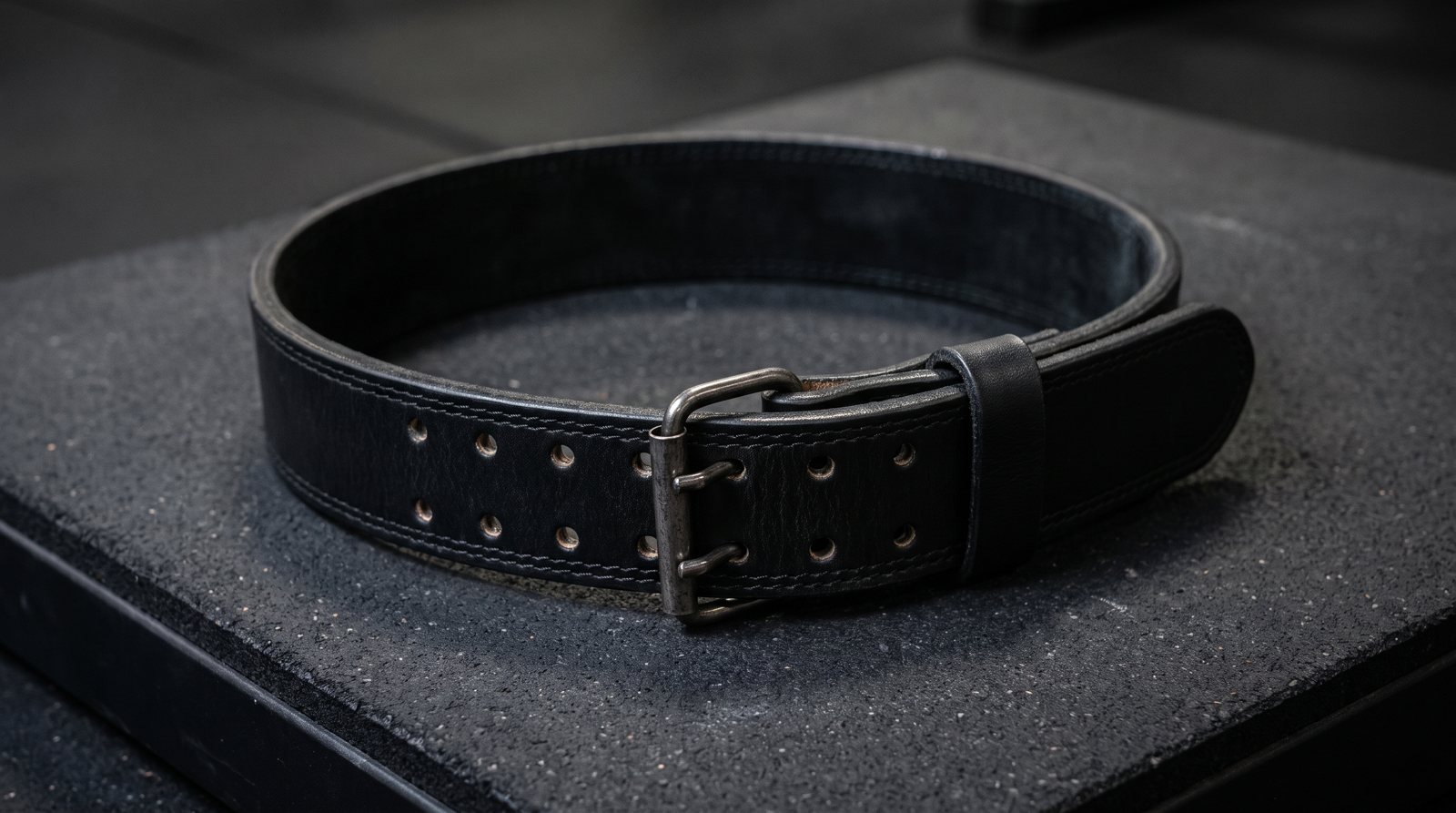
Belt option for bracing during the lifts where you choose to use a belt: Gymreapers Leather Lifting Belt on Amazon. Buy it only for that separate purpose; it is not a substitute for the other items.
Separate grip accessory for pulling exercises: Gymreapers Lifting Wrist Straps on Amazon. Buy it only for that separate purpose; it is not a substitute for the other items.
Separate wrist-support accessory for pressing exercises: Gymreapers IPF Wrist Wraps on Amazon. Buy it only for that separate purpose; it is not a substitute for the other items.
Prices quoted in this article may be outdated. Confirm the current price, exact model, seller, delivery to your address and warranty terms on the retailer’s page before ordering.
THE REAL TALK ON LIFTING BELTS
Here's what actually matters when you're lifting at UFIT CBD or grinding it out at your neighbourhood ActiveSG gym.
The biggest mistake? Thinking all belts are the same. That Harbinger 4-inch belt you see at Decathlon is perfect for beginners, but if you're pulling 200kg+ deadlifts, you need something built for the long haul. The Element 26 lever belt sits right in the middle — decent quality without breaking the bank.
Singapore's humidity is brutal on leather belts. The sweat, the heat, the constant use — it takes a toll. That's why material and construction quality matter more here than in cooler climates.
TOP LIFTING BELTS
LIFTING BELT COMPARISON TABLE
| Belt | Price | Thickness | Best For | Closure |
|---|---|---|---|---|
| Inzer Forever | Check Amazon | 10mm | Powerlifters | Single Prong |
| Harbinger 4-Inch | Check Amazon | Padded | Beginners | Velcro |
| Element 26 | Check Amazon | 6mm | Budget | Lever |
| Rogue Ohio | Check Amazon | Variable | CrossFit | Single Prong |
| SBD Belt | Check Amazon | 10mm | Competition | Lever |
| Basic Gym Belt | Check Amazon | 4mm | Casual | Velcro |
HOW TO CHOOSE YOUR LIFTING BELT
IF YOU'RE: New to Belt Training
Look for: padded comfort, adjustable sizing, affordable price to test if belts work for you
Best fit: Harbinger 4-Inch
IF YOU'RE: Serious Powerlifter
Look for: 10mm thickness, competition legal, durable leather, single prong closure
Best fit: Inzer Forever
IF YOU'RE: Budget-Conscious
Look for: lever convenience, decent quality, good value without premium pricing
Best fit: Element 26
IF YOU'RE: CrossFit/Olympic Lifter
Look for: flexibility for varied movements, quality construction, not too stiff
Best fit: Rogue Ohio
BELT MATERIALS BREAKDOWN
Not all lifting belts are created equal, and the material makes a huge difference in Singapore's climate. Here's what you need to know:
Leather Belts: The gold standard for serious lifting. Full-grain leather like the Inzer will last decades if cared for properly. The trade-off? They take weeks to break in and can be uncomfortable initially. In Singapore's humidity, leather needs regular conditioning to prevent cracking.
Synthetic/Nylon Belts: Like the Harbinger padded options. More comfortable from day one, easier to clean after sweaty sessions, but less supportive for maximum loads. Perfect for general fitness and bodybuilding-style training.
Neoprene Belts: Popular for CrossFit and functional fitness. Flexible, comfortable, easy to wash. But they provide less rigid support than leather — fine for Olympic lifting, not ideal for heavy powerlifting.
The thickness matters too. 10mm is competition standard for powerlifting. 6-8mm is fine for most recreational lifters. Anything under 6mm is basically a fashion accessory. Don't waste your money.
SIZING YOUR BELT PROPERLY
This is where most people screw up. Lifting belts don't size like regular belts. You want it tight enough to increase intra-abdominal pressure but not so tight you can't breathe or brace properly.
Measure your waist at the same spot where you'd wear the belt (usually at the bottom of your ribcage, not your pants waistline). Most brands size differently, so check their specific charts. The Inzer runs smaller than the Harbinger, for example.
Pro tip: if you're between sizes, go with the larger one. You can always tighten a belt, but you can't make it bigger. And remember, your waist measurement might change as you get stronger and put on muscle mass.
For lever belts like the Element 26, the fit needs to be more precise since you can't adjust hole by hole like with prong belts. That's why I generally recommend prong belts for most people — more flexibility as your body changes.
SINGAPORE-SPECIFIC CONSIDERATIONS
Training in Singapore's climate creates unique challenges for lifting belt maintenance and use. The humidity and constant air conditioning temperature changes can be brutal on leather goods.
Sweat Management: You're going to sweat. A lot. Leather belts absorb this and can develop odors or mold if not cared for properly. After each session, wipe down your belt and let it air dry completely before storing.
Storage: Don't leave your belt in your gym bag or car. The heat and moisture create the perfect environment for leather degradation. Store it in a cool, dry place at home. A little leather conditioner every few months helps too.
Gym Culture: Some Singapore gyms (especially the boutique ones like Athletic Collective) are totally fine with belts. Others, particularly the more casual chains, might give you looks. Know your gym's vibe before strapping up.
If ordering a belt from overseas, check delivery timing and the size-exchange process before paying. Use the brand’s measuring instructions for that model and include any return postage in the comparison.
WHAT TO AVOID
Here are the biggest red flags to watch out for:
Ultra-Wide Belts: Some brands make 6-inch or even 8-inch wide belts claiming more support. In reality, they dig into your ribs and make it impossible to get into proper squatting position. Stick to 4-inch maximum width.
Cheap Lever Mechanisms: The budget lever belts from random Amazon brands often have mechanisms that fail after a few months of heavy use. The lever snaps or won't hold tension properly. If you want a lever belt, invest in something quality like the Element 26 or go straight to the SBD.
Decorative Belts: Anything with studs, chains, or excessive branding is probably prioritizing looks over function. Your belt shouldn't be a fashion statement — it's a tool.
One-Size-Fits-All Claims: No belt fits everyone perfectly. If a brand claims their belt works for all body types, run. Proper lifting belts require proper sizing.
BREAKING IN YOUR BELT
This is where patience pays off, especially with leather belts. The Inzer Forever Belt is notorious for having a brutal break-in period — I'm talking 2-3 weeks of uncomfortable training sessions before it starts feeling natural.
Start by wearing it for lighter sets to get used to the feeling of bracing against the belt. Don't jump straight into your heaviest squats on day one — you'll hate it and might return a perfectly good belt thinking it's defective.
Some people recommend rolling the belt or even driving over it to speed up the break-in process. The best approach is just consistent use during your regular training. The leather will gradually mold to your body shape.
Synthetic belts like the Harbinger are comfortable from day one, which is why they're great for beginners who want immediate gratification. No break-in period needed — just strap up and lift.
INSIDER TIPS FOR SINGAPORE LIFTERS
Timing Your Purchase: Amazon.sg has regular sales on fitness equipment, especially during 11.11 and Black Friday. Set up price alerts if you're not in a rush.
Warranty Matters: The Inzer Forever Belt comes with a lifetime warranty, but good luck dealing with international returns from Singapore. Element 26 and other brands sold locally often have better customer service for warranty issues.
Try Before You Buy: Some of the premium gyms like UFIT CBD have demo belts you can try. Ask your trainer — better to spend 10 minutes trying different styles than buying the wrong belt online.
Gym Bag Strategy: If you're training at multiple locations, consider the weight and bulk of your belt. The 10mm Inzer is heavy and takes up space. For gym hoppers, a thinner belt might be more practical.
Backup Plan: Once you get serious about lifting, have a backup belt. A simple backup like the Element 26 covers you for under $50.
WHEN YOU DON'T NEED A BELT
Let's be real — not everyone needs a lifting belt, and wearing one doesn't automatically make you a serious lifter.
Skip the belt if you're just doing general fitness, light bodyweight movements, or cardio. It's also unnecessary for isolation exercises like chest flyes or leg extensions. The belt is specifically for compound movements where you need core stability and can generate high intra-abdominal pressure.
If you're squatting or deadlifting less than bodyweight, focus on building natural core strength first. The belt isn't a substitute for proper form and core development — it's a tool to help you lift MORE weight safely, not to compensate for weakness.
Many powerlifting coaches recommend training both with and without a belt. The belt should enhance your lifting, not become a crutch.
MAINTENANCE AND CARE
A good lifting belt is an investment that should last years, potentially decades. But Singapore's climate will destroy even the best belt if you don't care for it properly.
After Each Session: Wipe down with a damp cloth to remove sweat and chalk residue. Let it air dry completely before storing. Never put a wet belt in your gym bag — that's how you get mold and permanent odors.
Monthly Conditioning: For leather belts, use a quality leather conditioner once a month.
Storage: Store flat or rolled (never folded) in a dry, well-ventilated area. If you notice any mold spots, clean immediately with leather cleaner.
Lever Maintenance: For lever belts, occasionally oil the mechanism with machine oil to keep it smooth. The lever sees a lot of stress and can seize up if not maintained, especially in humid conditions.
FREQUENTLY ASKED QUESTIONS
What's the difference between 4-inch and 10mm belts?
The 4-inch refers to width, while 10mm refers to thickness. A typical powerlifting belt is 4 inches wide and 10mm thick. The Inzer Forever Belt is both. Width provides contact area with your torso, thickness provides rigidity for maximum support. Most serious lifters prefer 4-inch width as it's the sweet spot between support and mobility.
Should I get single prong or double prong?
Single prong, hands down. Double prong belts are a pain to put on and take off, especially during timed rest periods at busy gyms like Ultimate Performance CBD. Single prong provides the same support with much more convenience. The only people who should consider double prong are competitive powerlifters who never adjust their belts mid-session.
Can I use the same belt for powerlifting and CrossFit?
Technically yes, but it's not ideal. Powerlifting belts like the Inzer are very rigid and can restrict movement for Olympic lifts, burpees, and other dynamic movements common in CrossFit. If you do both, consider the Rogue Ohio belt as a compromise, or get separate belts if budget allows.
What weight should I start using a belt?
There's no magic number, but most experts recommend starting belt use around 80-85% of your 1RM for squats and deadlifts. For most people, this means when you're squatting 1.5x bodyweight or deadlifting 2x bodyweight. Focus on developing natural core strength first. Check out our progressive overload guide for building up to these numbers safely.
Are lever belts better than prong belts?
It depends on your priorities. Lever belts like the Element 26 are faster to put on and take off, making them great for training. But they're less adjustable — if your waist size fluctuates due to diet or muscle gain, you're stuck. Prong belts offer more flexibility but take longer to adjust. Most serious lifters prefer prong for the adjustability.
How tight should my lifting belt be?
Tight enough that you can take a big breath and create pressure against the belt, but not so tight that you can't breathe normally. You should be able to fit one finger between the belt and your body when relaxed. The belt works by giving your core something to push against when you brace, not by squeezing you like a corset. If you're getting dizzy or can't breathe properly, it's too tight.
Related Guides
Best Home Gym Equipment Singapore 2026
What home gym equipment is actually worth buying in Singapore — rower, adjustable dumbbells, racks, and bands
Best Resistance Bands Singapore 2026
The resistance bands worth buying on Amazon SG in 2026 — loop, tube, and fabric sets ranked on tension accurac
Assault AirBike Elite Review Singapore
Best Olympic Barbells Singapore 2026
The Olympic barbells actually worth importing to Singapore in 2026 — knurl quality, sleeve spin, and tensile s