
Personal Trainer vs Solo Training: Singapore Guide
Personal Trainer vs Solo Training: Singapore Guide. Expert Singapore fitness guide with actionable advice, local tips, and gym recommendations.
OnWhey is our own supplement brand.
QUICK ANSWER: Personal Trainer vs Solo Training in Singapore
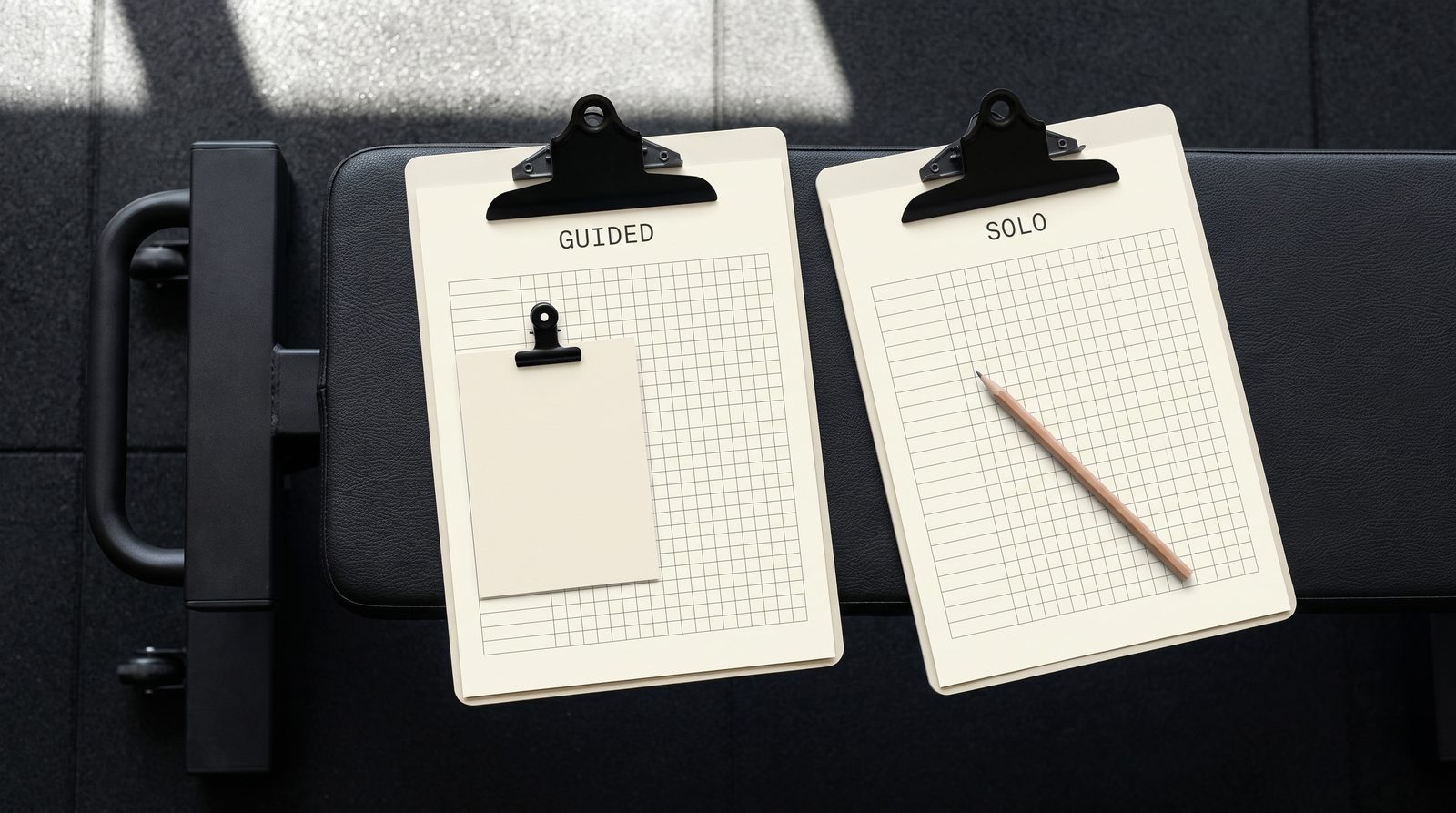
Personal trainers cost $80-200/session in Singapore, while solo training can be as low as $2.50/session at ActiveSG. The choice depends on your experience level, budget, and accountability needs — beginners see 40% faster progress with trainers, but experienced lifters often do better solo.
The Personal Trainer vs Solo Training Reality Check
The decision isn't just about money (though that S$160/session at some CBD studios really adds up). It's about what actually gets you results without burning out your wallet or your motivation.
Decide what you need help with before comparing personal-training packages. Technique feedback, a written programme and regular accountability are different services. Ask what is included, how progress is reviewed and what you can practise independently between appointments.
We'll also look at the hybrid options — like F45 or boutique studios — that give you guidance without the full PT price tag.
Featured Training Options: From Budget Solo to Premium PT
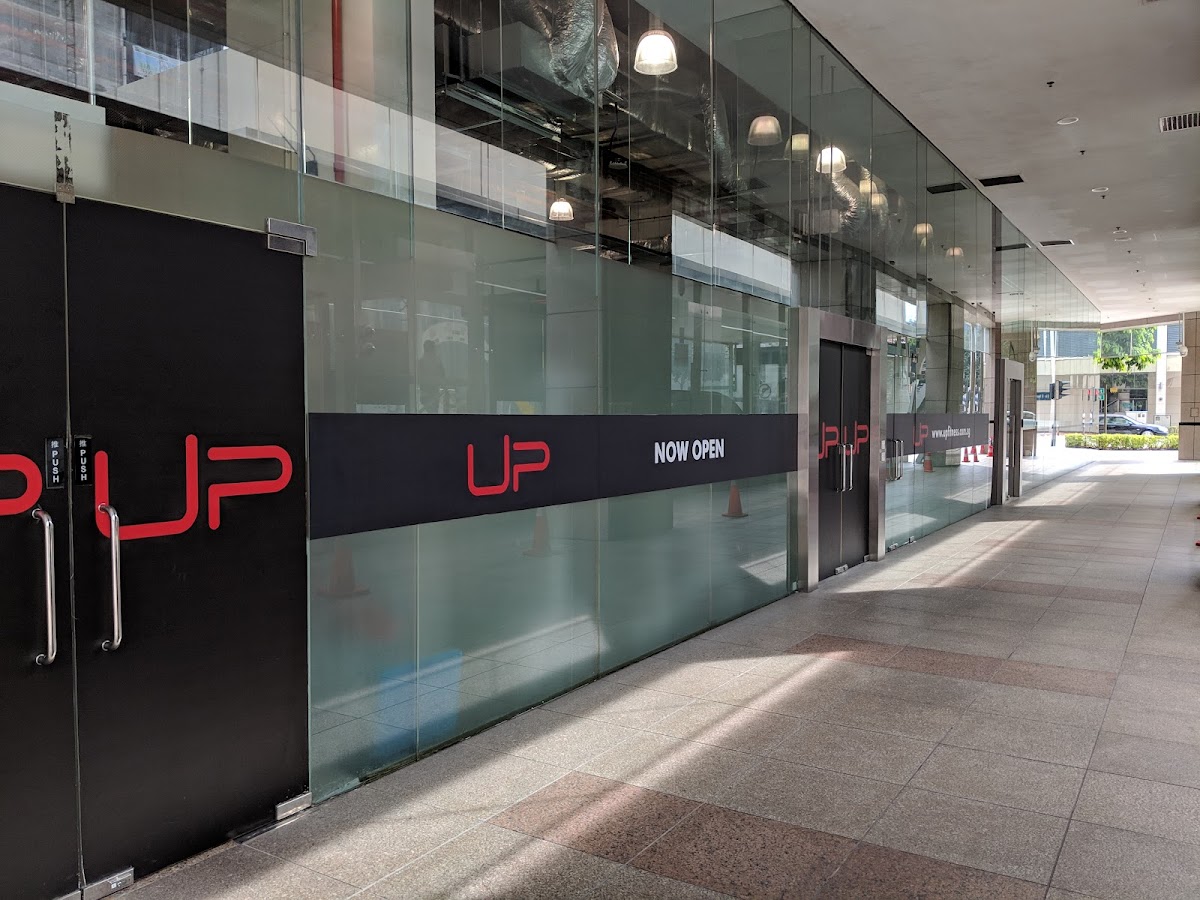
Ultimate Performance CBD
⭐ 5/5 (1323 reviews) • Premium pricing • CBD
BEST FOR:
Executives who want structured coaching and have the budget
NOT IDEAL FOR:
Budget-conscious beginners or self-motivated trainees
Ask the studio for the current session price, the coach’s qualifications and a written explanation of the programme. Individual coaching may suit you if you want regular feedback, but a higher fee does not establish a particular result or deadline.
View Details →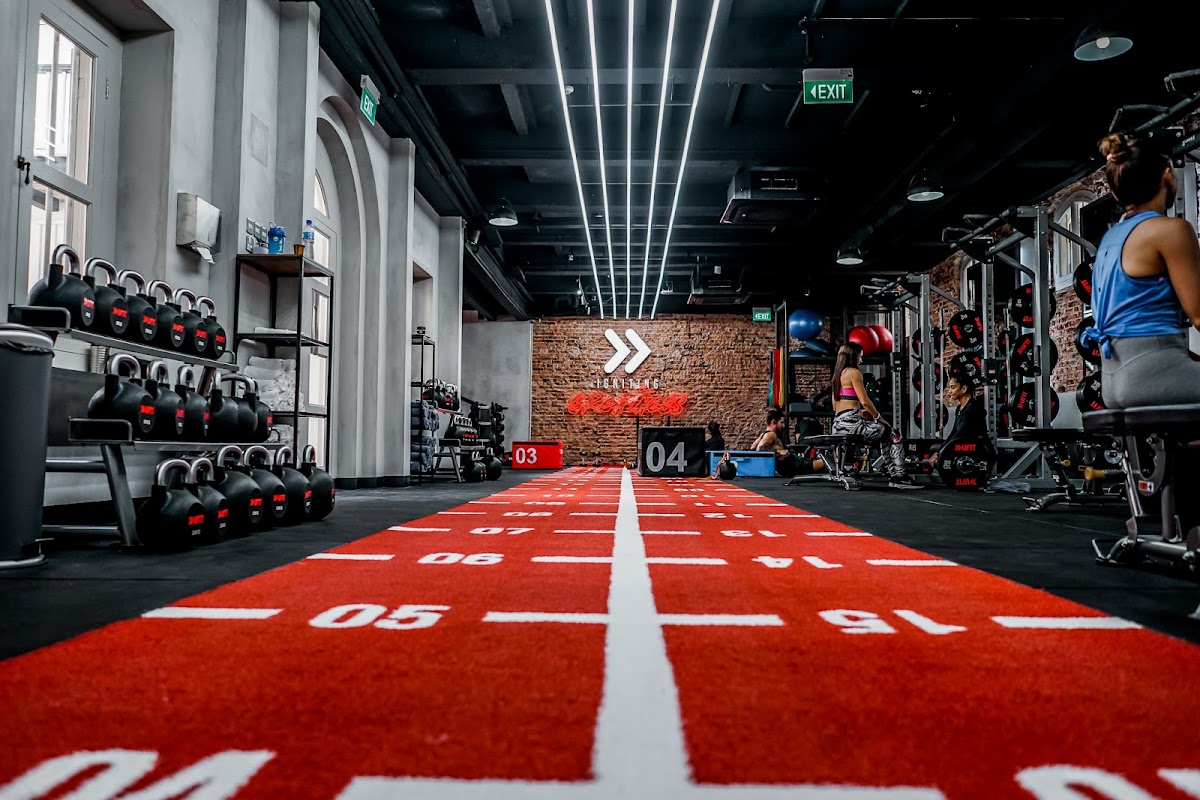
UFIT CBD Hub
⭐ 5/5 (477 reviews) • $200-400/mo • Club Street
BEST FOR:
Small group training with PT guidance at lower cost
NOT IDEAL FOR:
Pure solo trainers or those needing 1-on-1 attention
The sweet spot between personal training and solo work. Small classes (4-8 people) with qualified instructors who can correct your form. More expensive than chain gyms but way cheaper than 1-on-1 PT sessions.
View Details →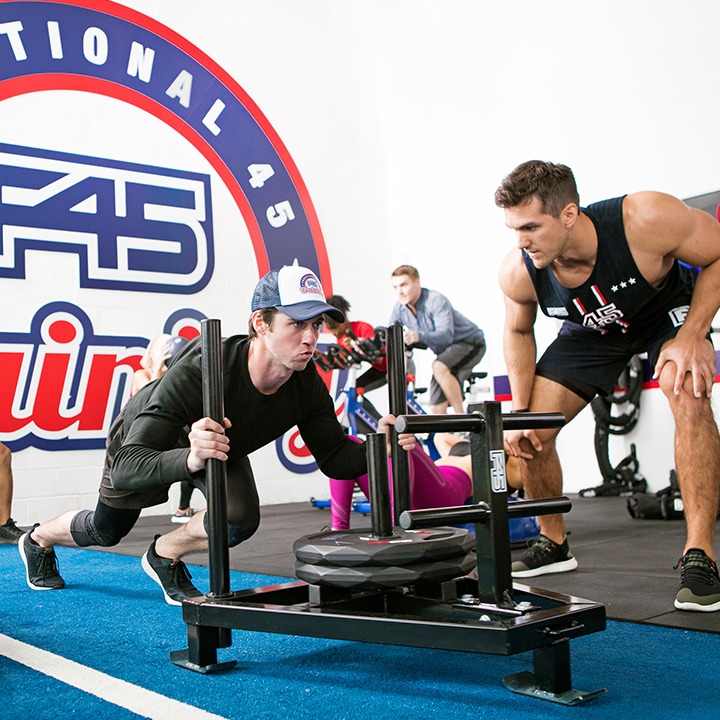
F45 Training Tanjong Rhu
⭐ 5/5 (207 reviews) • $238-316/mo • Stadium
BEST FOR:
Structured workouts without thinking, community motivation
NOT IDEAL FOR:
People who want to focus on specific strength goals
The franchise model works — workouts are pre-planned, trainers guide you through movements, and the group energy is real. But you're locked into their programming, which is more cardio-focused than strength-building.
View Details →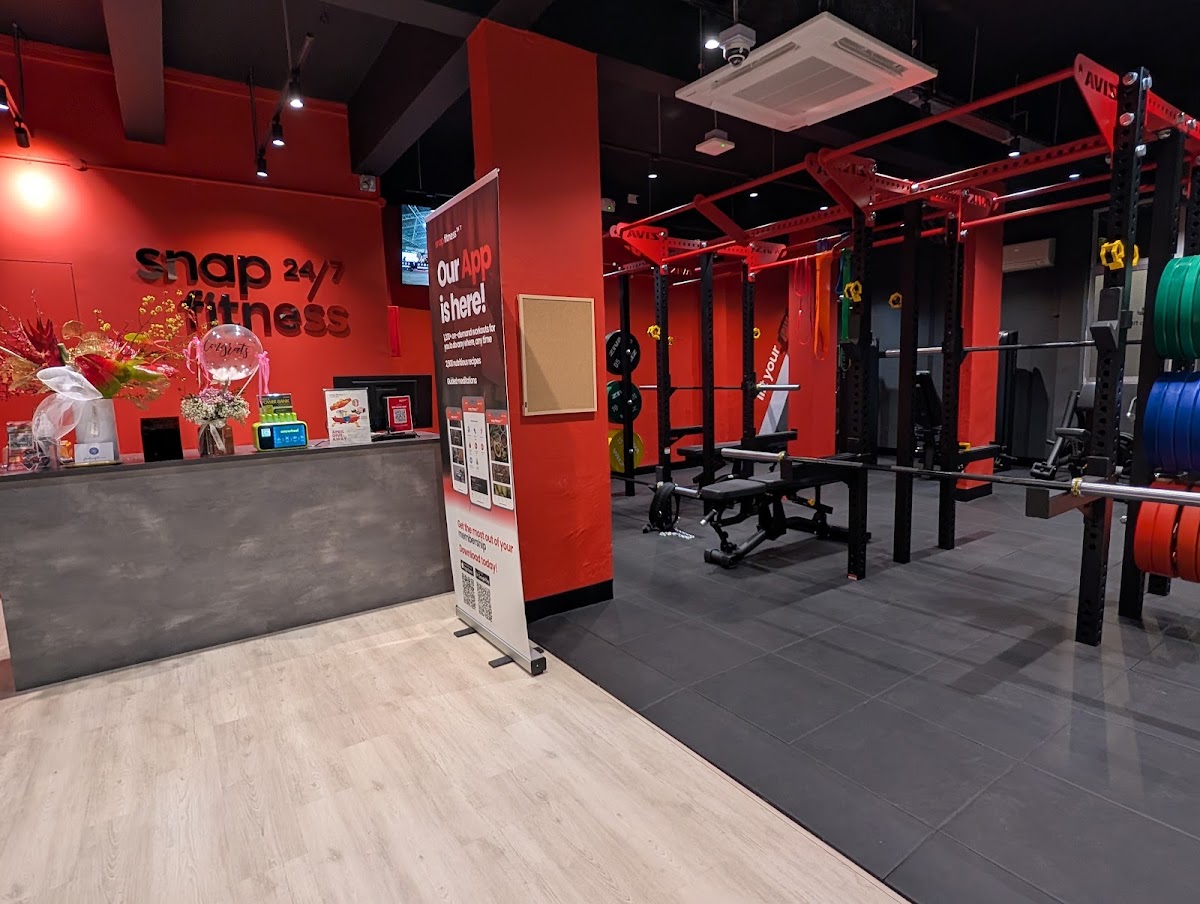
Snap Fitness Jurong West
⭐ 5/5 (203 reviews) • $70-120/mo • Jurong West
BEST FOR:
Self-motivated trainees who know their program
NOT IDEAL FOR:
Complete beginners who need guidance on form
Perfect for experienced solo trainers. 24-hour access, decent equipment, reasonable prices. Staff can show you machine basics but don't expect in-depth coaching. The day pass option lets you test it before committing.
View Details →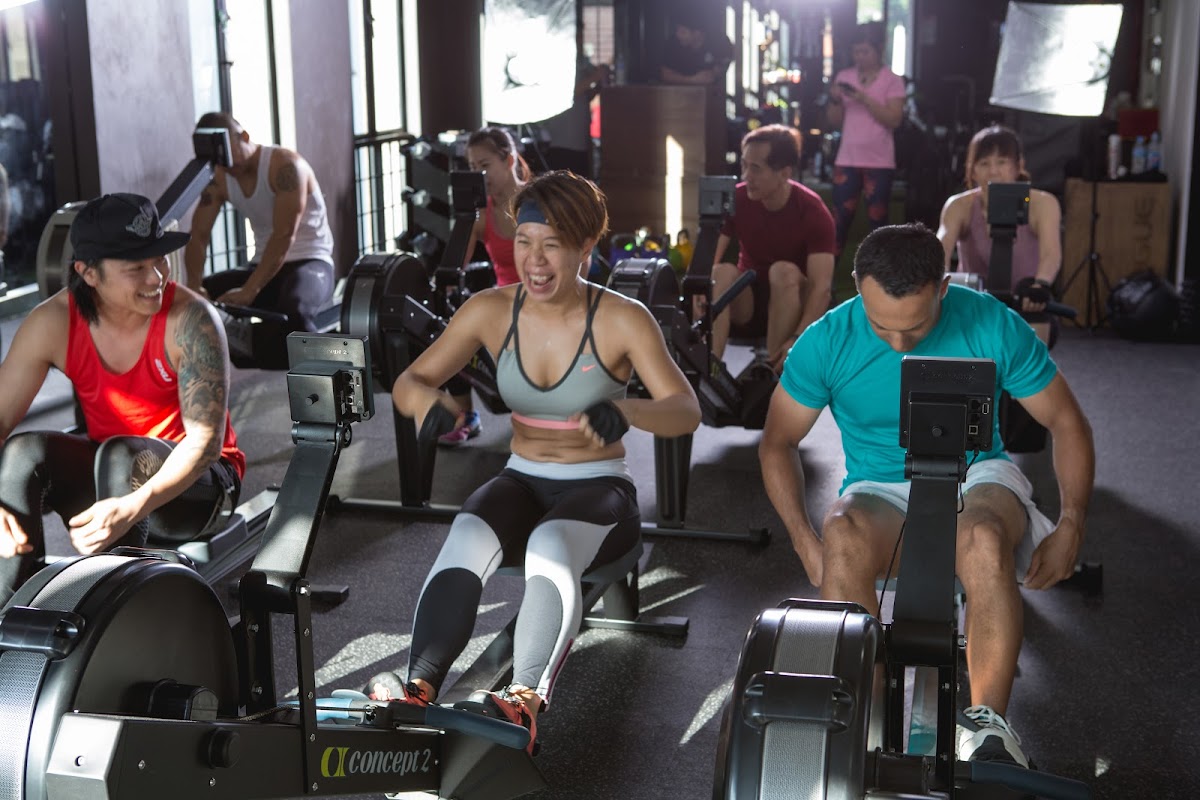
Pulse Lab
⭐ 5/5 (34 reviews) • Contact for pricing • Aliwal Street
BEST FOR:
Boutique experience with semi-private training
NOT IDEAL FOR:
Drop-in casual users or budget-conscious members
Small boutique studio that offers the personal training experience without the full 1-on-1 cost. Limited membership means you get attention even in group settings. Expect to pay premium prices for the exclusivity.
View Details →Training Approach Comparison: Cost vs Results
| Approach | Monthly Cost | Results Timeline | Best For |
|---|---|---|---|
| Premium 1-on-1 PT | $1200-3200 | 4-8 weeks | Time-poor executives |
| Small Group Training | $200-400 | 6-12 weeks | Social beginners |
| Class-Based (F45/Barry's) | $238-350 | 8-16 weeks | Routine lovers |
| Chain Gym Solo | $70-150 | 3-6 months | Experienced lifters |
| ActiveSG Solo | $10-30 | 6-12 months | Patient beginners |
How to Choose: Your Training Personality Matters More Than Budget
IF YOU'RE A: Complete Beginner
Look for: form correction, structured progression, confidence building, injury prevention
Best fit: F45 Training ($238-316/mo)
IF YOU'RE A: Experienced Self-Trainer
Look for: equipment variety, flexible hours, minimal interruption, good value
Best fit: Snap Fitness ($70-120/mo)
IF YOU'RE: Goal-Focused & Impatient
Look for: structured coaching, customized programming, accountability, expertise
Best fit: Ultimate Performance (Premium pricing)
IF YOU'RE: Socially Motivated
Look for: group energy, varied workouts, community feel, moderate guidance
Best fit: UFIT small groups ($200-400/mo)
Workout Programming: Solo vs Guided Training Plans
The biggest difference between personal training and solo work isn't the cost — it's the programming. A good personal trainer creates periodized programs that progress logically. Solo trainers often wing it or follow random YouTube videos, which leads to plateaus and injuries.
Here's what effective programming looks like for both approaches:
Personal Training Program Structure
Week 1-2: Assessment & Foundation
• Movement screening and baseline testing
• Form focus: 3 sets x 8-12 reps at 60-70% effort
• Full-body sessions, 2-3x per week
Week 3-6: Progressive Overload
• Increase weight by 2.5-5kg weekly
• 4 sets x 6-10 reps at 70-80% effort
• Split routines introduced (upper/lower or push/pull)
Week 7-12: Specialization
• Goal-specific programming (strength, size, or conditioning)
• Advanced techniques: drop sets, supersets, periodization
• 4-5 training sessions per week
Solo Training Program (Beginner-Friendly)
Phase 1: Master The Big 5 (Weeks 1-8)
Monday/Thursday: Squat, Push-up, Row, Plank
Tuesday/Friday: Deadlift, Overhead Press, Pull-up (assisted), Side Plank
Sets/Reps: 3 sets x 8-12 reps, 2 minutes rest
Progress: Add 1 rep per week until you hit 12, then increase weight
Phase 2: Volume Increase (Weeks 9-16)
Same exercises, but 4 sets x 6-10 reps
Add 1 accessory exercise per session (lunges, dips, face pulls)
Focus: Consistent form over heavy weight
Singapore-Specific Tip: Download the Strong app or use a simple notebook. Most Singapore gyms have terrible WiFi, so offline tracking is crucial. Check out our first month gym plan for detailed exercise descriptions.
Form & Safety: Where Personal Trainers Earn Their Money
This is where the trainer vs solo debate gets real. Singapore's humidity makes form even more critical — you fatigue faster, your grip gets sweaty, and small technique breakdowns become big problems.
Here are the exercises where personal trainer guidance is worth every dollar:
High-Risk Movements (Get Professional Help)
Barbell Back Squat
Common errors: knee cave, forward lean, heel rise. In humid conditions, bar slippage adds another risk factor.
Conventional Deadlift
Most dangerous when done wrong. Rounded back + heavy weight = herniated disc. Start with trap bar or Romanian deadlifts.
Overhead Press
Shoulder mobility issues are common in desk workers. Bad form here leads to impingement and chronic pain.
For detailed form breakdowns on safer alternatives, check our guides on proper squat technique and deadlift fundamentals.
Solo-Safe Movements (Learn These First)
Upper Body:
• Push-ups (all variations)
• Dumbbell rows
• Dumbbell presses
• Assisted pull-ups
Lower Body:
• Bodyweight squats
• Walking lunges
• Step-ups
• Glute bridges
The Singapore Training Environment Factor
Singapore's gym culture and climate create unique challenges that affect your trainer vs solo decision. Most people don't consider these factors, but they matter:
Peak Hour Madness (6-8 PM)
Personal trainers can reserve equipment and navigate crowded gyms. Solo trainers often end up doing cardio because all the weights are taken. If you can only train during peak hours, PT sessions give you priority access.
Air-Con vs No Air-Con
ActiveSG gyms often have minimal air-conditioning. Personal trainers at premium gyms work in 18°C comfort. The environment affects your performance — factor this into your budget calculations.
Cultural Intimidation
Singapore gym culture can be intimidating for beginners. Premium gyms with trainers create a more welcoming environment. Solo training at busy chain gyms requires thick skin and confidence.
Nutrition & Recovery: Where Solo Training Falls Short
Ask how your coach handles nutrition questions, recovery and referral to an appropriately qualified clinician or dietitian. Agree on habits you can follow between sessions and a way to review progress; there is no universal percentage split between training and everything outside the gym.
What Personal Trainers Provide Beyond Workouts
Singapore-Specific Nutrition Guidance
"Skip the char kway teow, get the yong tau foo with brown rice." Local trainers understand our food landscape and can make practical swaps.
Hydration Strategy
Singapore's climate demands 3-4L of water daily for active people. Trainers adjust workout intensity based on your hydration status.
Recovery Protocols
Sleep recommendations, stress management, when to push through vs when to rest. Solo trainers often ignore these signals.
If you're going solo, invest in education. The money you save on PT sessions can go toward proper nutrition planning.
Insider Tips: Maximizing Results With Either Approach
Trial Lessons Are Your Best Friend
Every premium studio offers trial sessions. Book 3-4 different trainers before committing to packages. Some trainers click with your personality, others don't. The $50-80 trial cost saves you thousands in the wrong program.
Off-Peak Training Changes Everything
If you can train at 2 PM on weekdays, solo training becomes 10x better. Equipment is available, staff have time to help, and some gyms offer off-peak rates.
The Hybrid Approach Actually Works
Start with 8-12 PT sessions to learn fundamentals, then transition to solo training. Most trainers hate this because they want long-term contracts, but it's the most cost-effective approach. Budget $800-1200 for the learning phase, then $70-120/month for solo gym access.
ActiveSG Is Actually Great for Experienced Lifters
The equipment is basic but functional. If you know what you're doing, $2.50/session beats every commercial gym. The catch: zero guidance and limited equipment variety. Perfect for minimalist strength programs. Check out our complete ActiveSG guide for location reviews.
Home Gym Equipment for Solo Trainers
Compare a home routine, a gym membership and coaching using your own access, equipment and instruction needs. A fixed product bundle does not establish which option costs less for you.
Related reading: Compact Home Gym Singapore Small Spaces.
FAQ: Personal Trainer vs Solo Training in Singapore
How much do personal trainers actually cost in Singapore?
Real talk: $80-120/hour for decent trainers at chain gyms, $120-200/hour at boutique studios, and $200+/hour at premium places like Ultimate Performance. Factor in package deals — most places offer 8-session packages with 10-15% discounts. Monthly costs range from $640 (2 sessions/week at budget rate) to $3200 (2 sessions/week at premium rate).
Can beginners really train safely solo in Singapore gyms?
Yes, but start conservatively. Stick to machines and bodyweight exercises for the first 2-3 months while learning form. Most Singapore chain gyms have basic induction sessions — not personal training, but enough to show you machine setup. Read our first-time gym guide and common mistakes article before your first session.
Which approach gets results faster — PT or solo training?
Personal training wins for the first 3-6 months, especially for beginners. Proper form + progressive programming + accountability typically produce 40% faster initial results. After 6 months, experienced trainees often do better solo because they can train more frequently without PT session constraints. The key is consistency — a mediocre program followed religiously beats a perfect program done sporadically.
Are group fitness classes like F45 worth the premium pricing?
Depends on your goals. F45 at $238-316/month gives you structure, community, and variety without the full PT cost. Great for general fitness and weight loss, not ideal for building serious strength. The programming is solid but cardio-focused. Compare that to 2 PT sessions/month ($160-400) plus solo gym access ($70-120) — similar cost, more personalized attention.
How do I find good personal trainers in Singapore?
Avoid trainers who promise magical results or push expensive supplements. Look for certifications (ACSM, NASM, or local SSI). Ask about their own training background — trainers who compete or have overcome injuries understand the process better. Book trial sessions with 3-4 candidates. Good trainers ask about your medical history, current fitness level, and realistic goals before creating programs.
What equipment should solo trainers invest in for home use?
Start with a routine you understand and equipment appropriate to it. Coaching and gym access can address needs that an equipment purchase does not.
Related Guides
Treadmill Guide for Beginners Singapore
Treadmill Guide for Beginners Singapore. Expert Singapore fitness guide with actionable advice, local tips, an
Your First Week at the Gym: Singapore Plan
Your First Week at the Gym: Singapore Plan. Expert Singapore fitness guide with actionable advice, local tips,
Your First Month at the Gym: Singapore Plan
Your First Month at the Gym: Singapore Plan. Expert Singapore fitness guide with actionable advice, local tips
Warm-Up Guide: Prepare for Your Workout Singapore
Warm-Up Guide: Prepare for Your Workout Singapore. Expert Singapore fitness guide with actionable advice, loca