Best Lifting Straps Singapore 2026
This guide covers the lifting straps worth buying on Amazon SG in 2026 and how to choose straps that survive Singapore's humid deadlift sessions without slipping.
Buying through the Amazon links in this guide costs you nothing extra. We earn a small commission, which keeps Gyms.sg free and pays for guides like this one. As an Amazon Associate, Gyms.sg earns from qualifying purchases. OnWhey is our own supplement brand.
QUICK ANSWER: LIFTING STRAPS IN SINGAPORE — THE HONEST READ
Choose lifting straps for the pulling exercise, strap dimensions and material you need. Check the exact seller, delivery estimate and return terms for your address. The links below identify straps and two separate accessories; buying all three is not required.
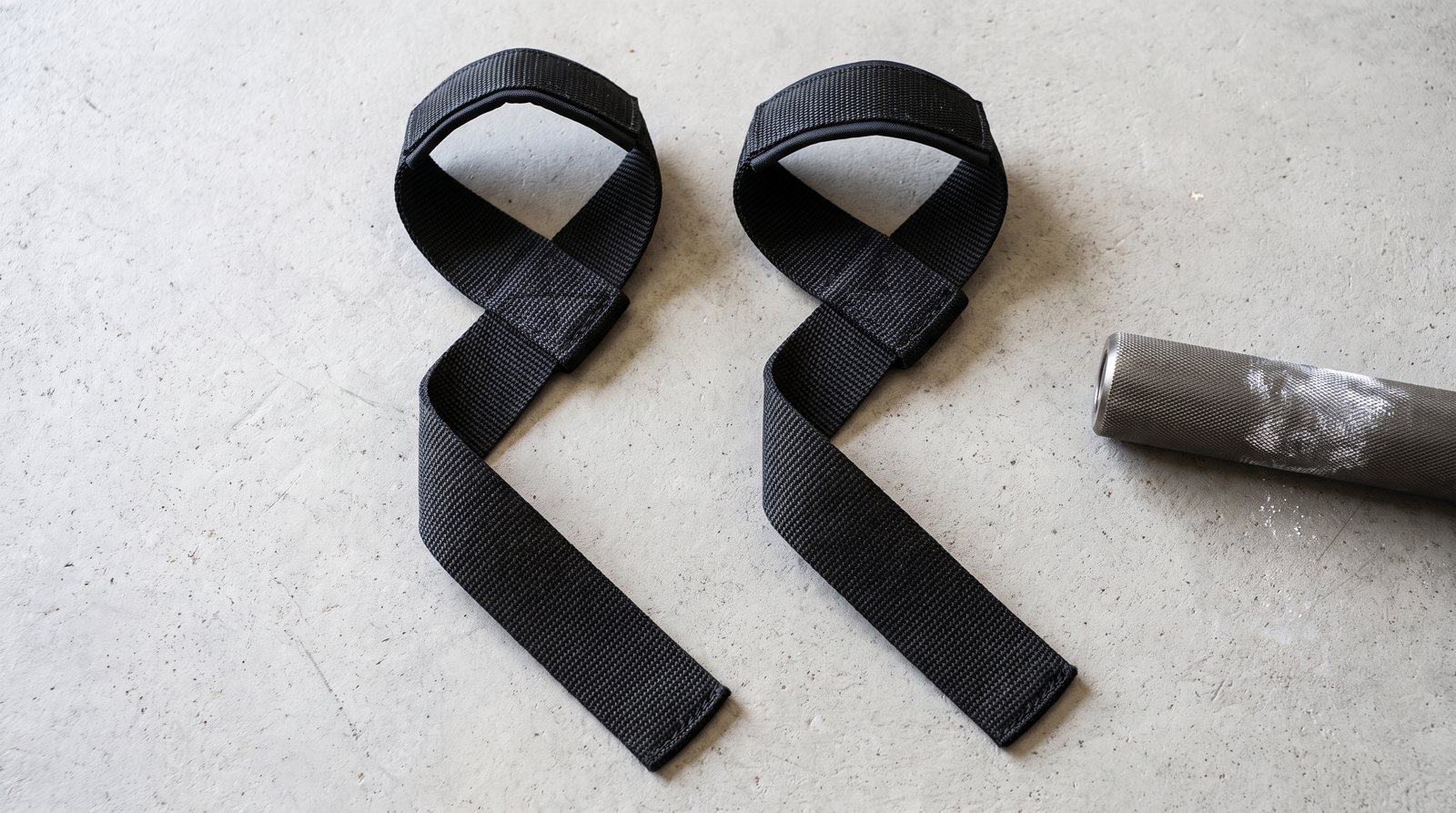
Separate grip accessory for pulling exercises: Gymreapers Lifting Wrist Straps on Amazon. Buy it only for that separate purpose; it is not a substitute for the other items.
Belt option for bracing during the lifts where you choose to use a belt: Gymreapers Leather Lifting Belt on Amazon. Buy it only for that separate purpose; it is not a substitute for the other items.
Separate wrist-support accessory for pressing exercises: Gymreapers IPF Wrist Wraps on Amazon. Buy it only for that separate purpose; it is not a substitute for the other items.
Prices quoted in this article may be outdated. Confirm the current price, exact model, seller, delivery to your address and warranty terms on the retailer’s page before ordering.
Real Talk: Why Most Lifting Straps Suck in Singapore
The key thing most people don't realise? Singapore's gym environment is brutal on lifting gear. The humidity means your straps never fully dry between sessions. The aggressive air-con creates temperature swings that weaken materials. And frankly, most gyms here don't maintain their barbells properly — those worn-down knurling patterns will eat through cheap straps in weeks.
How to Choose: Find Your Perfect Straps
IF YOU'RE A: Complete Beginner
Look for: affordable, comfortable, easy to use, forgiving materials
IF YOU'RE A: Competitive Powerlifter
Look for: IPF approval, maximum durability, competition-tested materials
IF YOU'RE: Budget-Conscious but Serious
Look for: good value, durability, lifetime warranty, proven brands
IF YOU'RE A: Bodybuilder/High Volume Trainer
Look for: quick release, wrist support, multi-exercise convenience
What Else You'll Need for Serious Lifting
Lifting straps are just one piece of the puzzle for serious strength training in Singapore. Most experienced lifters also invest in proper wrist wraps — check out our detailed guide to choosing wrist wraps for heavy pressing movements.
For deadlifts and squats above bodyweight, a quality lifting belt becomes essential. Our lifting belt guide covers everything from leather vs nylon to proper sizing for Singapore's climate.
Insider Tips: Using Straps in Singapore Gyms
Bring chalk too: Even the best straps need help in Singapore's humidity. Most commercial gyms ban loose chalk, but chalk balls or liquid chalk are usually okay.
Learn proper wrapping technique: Most people wrap straps wrong and wonder why they slip. The bar should roll against the strap direction, not with it. At Snap Fitness and other chains, you'll often see trainers teaching this incorrectly. There are good YouTube tutorials — learn it properly once.
Wash them regularly: Singapore sweat plus gym bacteria equals nasty straps fast. Don't leave them in your gym bag overnight — they'll never fully dry and will start smelling awful.
Don't use them for everything: Straps are for heavy pulls when grip is the limiting factor. Using them for warm-up sets or light weights weakens your natural grip strength over time. Save them for working sets above 80% of your max.
Check gym rules: Some powerlifting-focused gyms like Ultimate Performance CBD encourage strap use during training but want you to practice competition commands without them. Most commercial gyms don't care, but boutique studios might have different policies.
Frequently Asked Questions
Do I actually need lifting straps as a beginner?
Probably not initially. Focus on building natural grip strength first — it carries over to everything you do. Once you're deadlifting 1.5x bodyweight or your grip fails before your back/legs, that's when straps become useful. Most beginners at places like Snap Fitness don't need straps for months of training.
Cotton vs canvas vs nylon — what's the difference?
Cotton breathes best in Singapore's humidity but wears faster. Canvas lasts longest and handles heavy weights but takes time to break in. Nylon is cheap but gets slippery when wet — avoid it. For most people training in air-conditioned gyms, cotton is the sweet spot.
Can I use lifting straps in powerlifting competitions?
Only in deadlift training and some strongman events. Official powerlifting competitions don't allow straps for any of the three lifts (squat, bench, deadlift). If you compete, you need to train both with and without straps.
How long should quality lifting straps last?
Good straps should last 2-3 years of regular training (3-4x per week). Cheap straps fail in 2-3 months.
Should I use straps for rows and pull-ups too?
For heavy barbell rows, yes — same as deadlifts. For pull-ups, it depends on your goals. If you're doing weighted pull-ups with 30kg+ added, straps help you focus on lats rather than grip. But bodyweight pull-ups should be done without straps to maintain natural grip strength.
Where can I buy lifting straps in Singapore besides online?
Physical stores are limited. Decathlon has cheap options but quality is hit-or-miss. Most serious lifters order online. Shopee/Lazada have cheaper options but be careful of knockoffs.
Do I need different straps for different exercises?
One good pair handles everything. The same straps work for deadlifts, rows, rack pulls, and shrugs. Some people prefer shorter straps (16-18") for rack pulls to avoid tangling, but 20-23" straps work fine for all pulling movements.
Will straps weaken my grip strength over time?
Only if you use them incorrectly. Use straps for heavy working sets (80%+ of max) but do warm-ups, light sets, and accessory work without them. Many lifters also add specific grip work — farmer's walks, plate pinches, etc. Our gym etiquette guide covers how to train grip at different gym types.
Materials Deep Dive: What Works in Singapore
Cotton blend: Absorbs sweat but dries reasonably fast in air-con. Softens over time, becoming more comfortable. The weave pattern matters — tighter weaves last longer but feel stiffer initially. After 6 months of use, cotton straps conform to your grip pattern perfectly.
Canvas: Most durable but stays damp longer. The trade-off is worth it for heavy lifters — canvas straps handle 200kg+ pulls without stretching or fraying. Break-in period is 2-3 weeks of regular use. Once broken in, they're incredibly comfortable and secure.
Nylon (cheap options): Dries fastest but becomes slippery when wet. Singapore's humidity means they're always slightly damp, which defeats the point. The synthetic feel also causes more blisters during long training sessions. Skip these entirely.
Leather (some premium options): Looks great, handles weight well, but terrible in humidity. Takes forever to dry and can develop mould if not maintained properly. Not worth the hassle in Singapore's climate unless you're training in perfectly climate-controlled environments.
Buying considerations
Here's exactly how:
Different bar knurling patterns and maintenance levels stress straps differently.
Lower weights test comfort and ease of use.
Climate exposure: Singapore's outdoor humidity vs air-conditioned gym environments create different challenges.
Long-term durability: The real test isn't one session — it's months of use. Cheap straps fail fast, but even good straps show weakness patterns after heavy use.
When NOT to Use Lifting Straps
Straps aren't magic solutions for every grip issue. Here are situations where you should train without them:
Competition preparation: If you compete in powerlifting, strongman, or CrossFit, you need to train competition movements without straps regularly. Many lifters make the mistake of always using straps in training, then struggling with grip in competition. Spend at least 50% of your training time strap-free.
Light weight/high rep work: Sets below 70% of your max don't justify straps. Your grip should handle these loads naturally. Using straps for light weight teaches your nervous system to be lazy about grip recruitment. Save them for when grip is genuinely the limiting factor.
Olympic lifting movements: Cleans, snatches, and high pulls require explosive bar release. Straps prevent proper catch positions and can cause wrist injuries if you can't release the bar quickly. Even experienced Olympic lifters avoid straps except for specific pulling variations.
When learning new movements: Beginners should master deadlift form, rowing technique, and pull-up mechanics before introducing straps. Equipment can mask technique flaws — you want to feel the full movement pattern first. This applies whether you're starting at F45 Tanjong Rhu or a serious powerlifting gym.
Building a Complete Lifting Setup
Most serious lifters eventually build a complete arsenal of supportive gear. Here's how lifting straps fit into the bigger picture:
The foundation (essential for everyone): Quality lifting straps ($25-75), basic wrist wraps ($20-40), and a proper lifting belt ($60-150). This covers 90% of strength training needs whether you're at Pulse Lab or ActiveSG.
Intermediate additions: Knee sleeves for squat comfort, Adidas Adipower III Lifting Shoes on Amazon for Olympic movements, and chalk/grip aids for heavy sessions. These items improve performance and reduce injury risk as weights increase.
For a home setup, choose the bar, weights and other equipment required by your exercises. Lifting straps are an accessory for specific pulling movements, not a reason to buy an unrelated equipment bundle.
Related Guides
Pre-Workout in Singapore: Compare Caffeine and Exact Formulas
Check a pre-workout's exact label, caffeine overlap and warnings before considering a purchase.
Best Home Gym Equipment Singapore 2026
How to plan home gym equipment for a Singapore flat: equipment types compared by space and HDB fit, where to start for your goals, humidity care, delivery and where to buy.
Whey Protein in Singapore: Compare Labels, Allergens and Packs
Compare whey protein powders, including BSN SYNTHA-6, by their exact labels. Check allergens, serving counts and the selected seller before buying.