How to Squat Properly: Singapore Guide
How to Squat Properly: Singapore Guide. Expert Singapore fitness guide with actionable advice, local tips, and gym recommendations.
Buying through the Amazon links in this guide costs you nothing extra. We earn a small commission, which keeps Gyms.sg free and pays for guides like this one. As an Amazon Associate, Gyms.sg earns from qualifying purchases. OnWhey is our own supplement brand.
QUICK ANSWER: HOW TO SQUAT PROPERLY
Perfect squats require proper setup, controlled movement, and progressive training. Start with bodyweight, master the form (knees track over toes, chest up, sit back like a chair), then add weight gradually. Most Singapore gym-goers skip the basics and wonder why their knees hurt.
The Squat Reality Check
Not "slightly off" wrong — dangerously wrong. Knees caving in, backs rounding, heels lifting off the ground.
The squat isn't just an exercise — it's a movement pattern you use every day. Getting out of chairs, picking up stuff from the floor, even using the toilet (sorry, but it's true). Master the squat properly and everything else gets easier. Screw it up and you're setting yourself up for injuries down the road.
Best Gyms for Learning to Squat
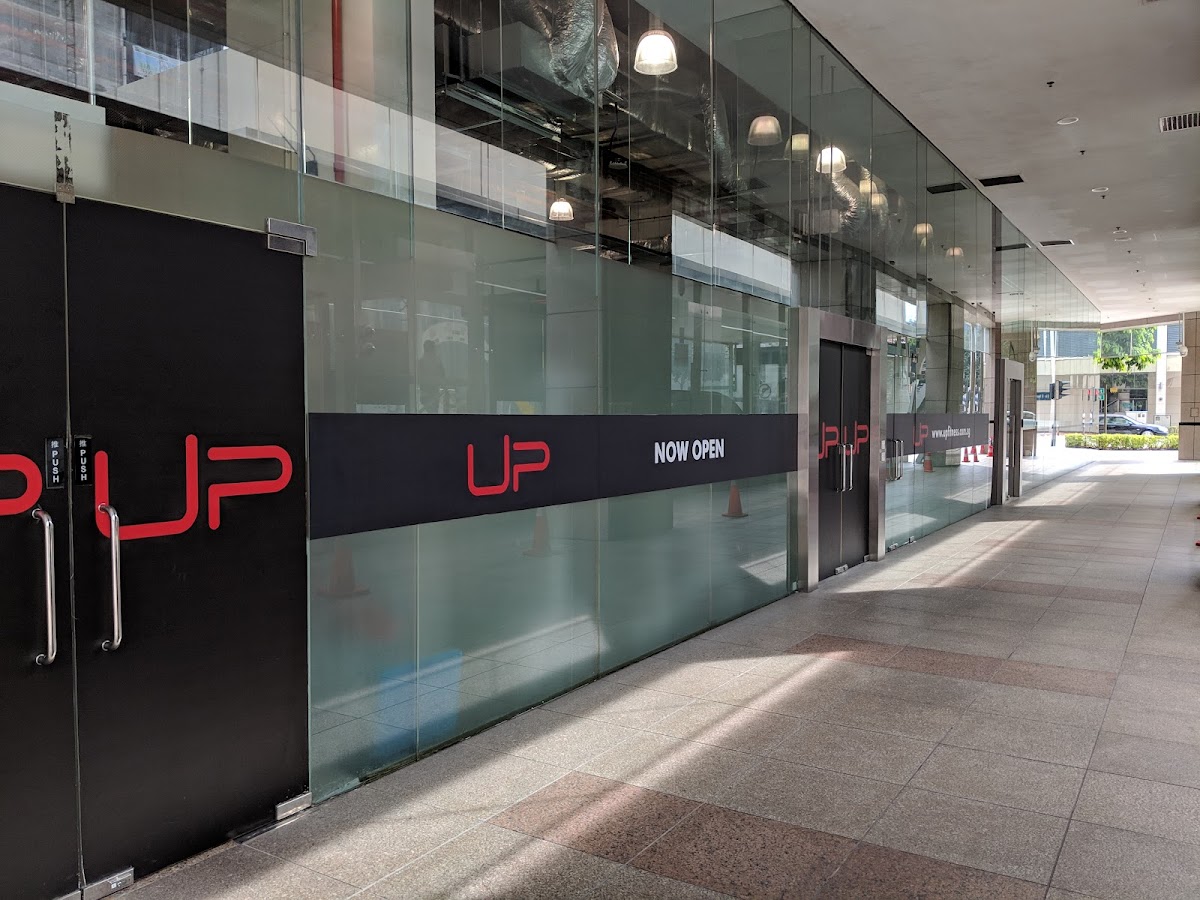
Ultimate Performance CBD
⭐ 5/5 (1323 reviews) • Premium pricing • Raffles Place
BEST FOR:
Beginners who want perfect form from day one
NOT IDEAL FOR:
Budget-conscious beginners — it's expensive but worth it
The trainers here actually know what they're doing. They'll spend an entire session just getting your squat form perfect before you touch any weight. Located right in the CBD, perfect for lunch break sessions.
View Details →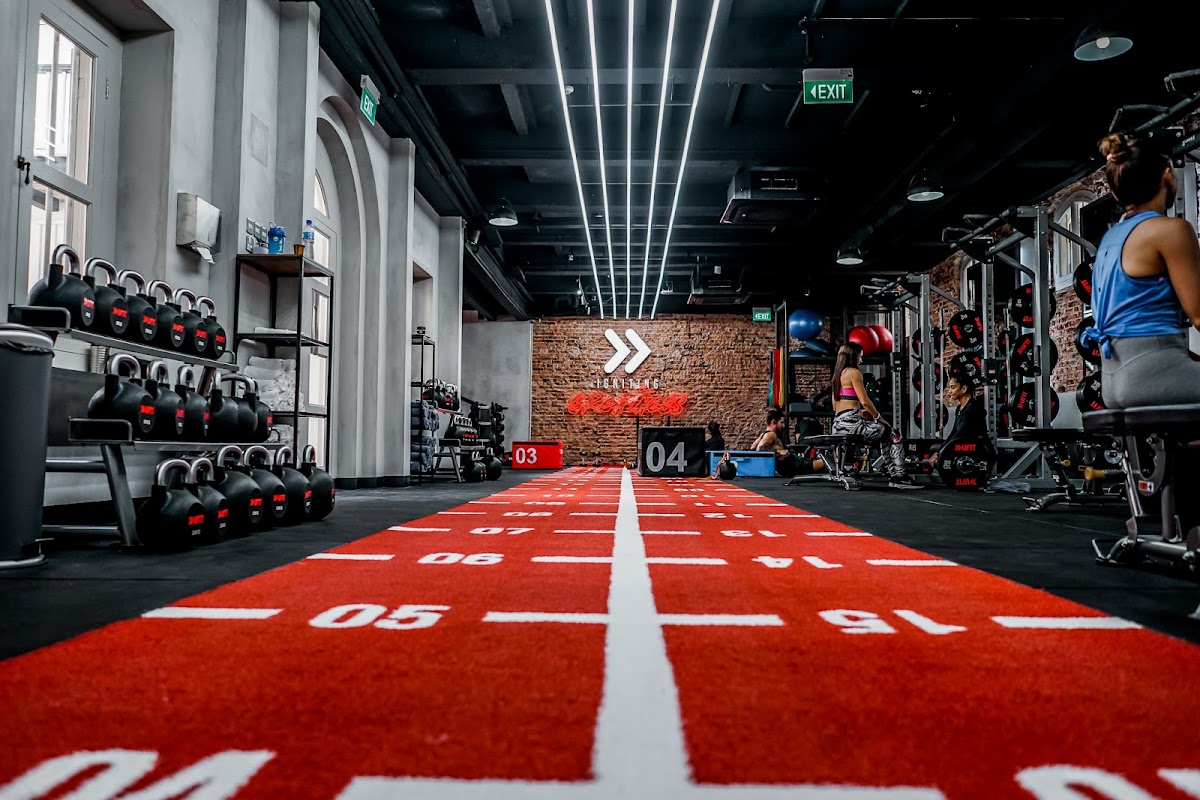
UFIT CBD Hub
⭐ 5/5 (477 reviews) • $200-400/mo • Chinatown
BEST FOR:
Functional training enthusiasts who want variety
NOT IDEAL FOR:
Pure powerlifters — more functional than strength focused
Club Street location is small but perfectly equipped. The coaches here emphasize movement quality over heavy weights, which is exactly what beginners need. Plus they have those fancy ATG (ass-to-grass) squat workshops.
View Details →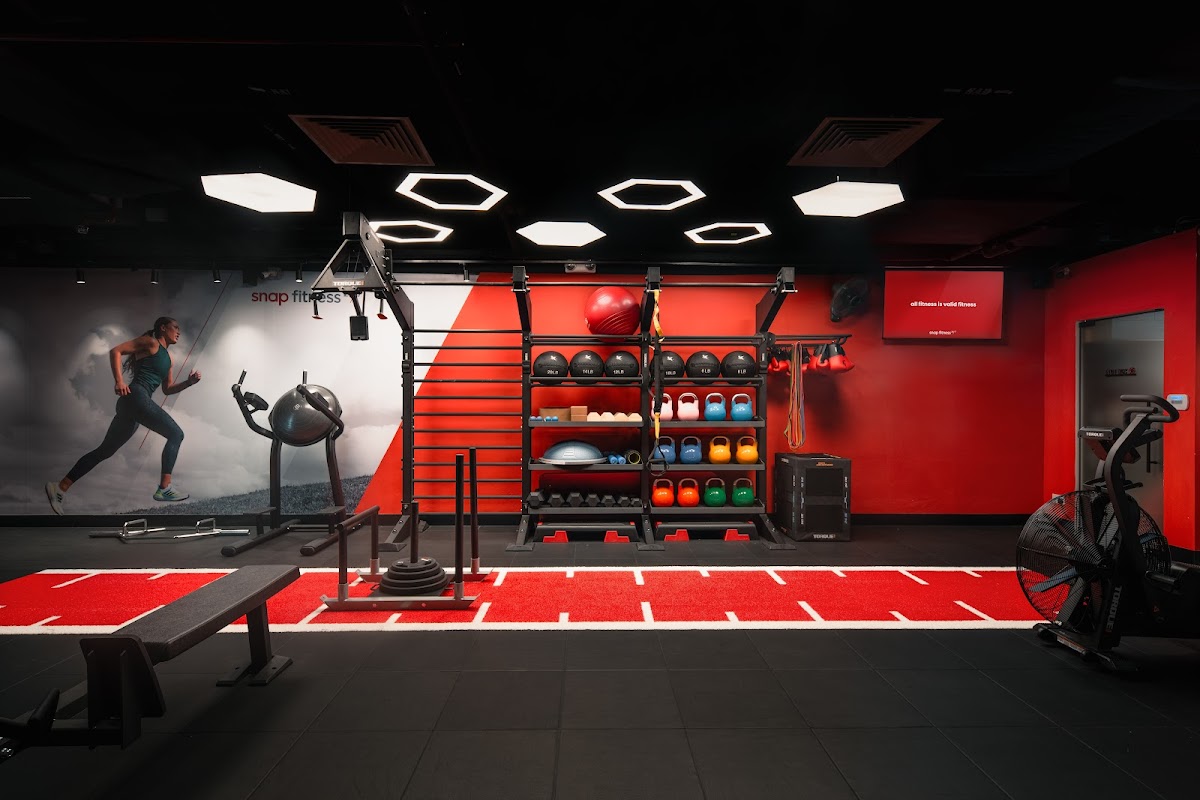
Snap Fitness Woodlands
⭐ 5/5 (48 reviews) • $70-120/mo • Woodlands
BEST FOR:
Budget-conscious beginners who need 24/7 access
NOT IDEAL FOR:
Those who need constant coaching — it's more self-service
Located in Woodlands Health Centre, so you know it's legit. Good selection of squat racks and the staff actually care about form. The 24-hour access means you can practice when it's less crowded.
View Details →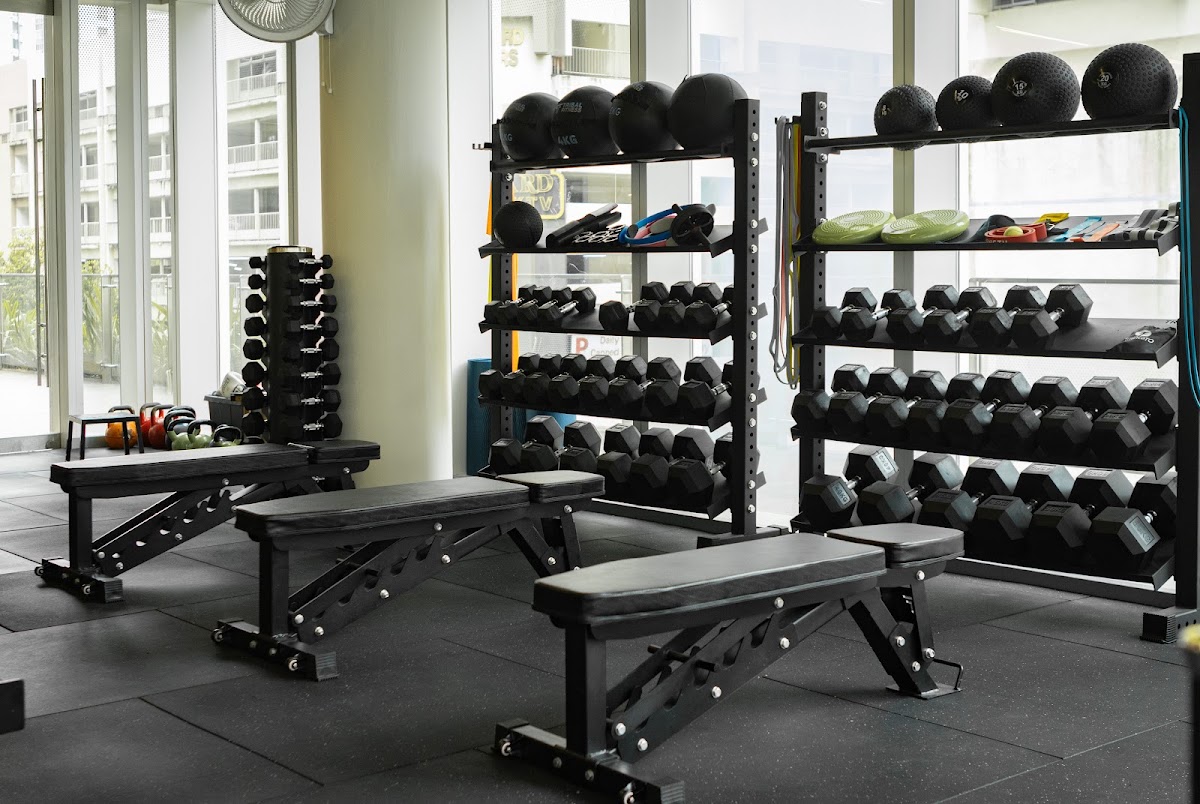
Athletic Collective Orchard
⭐ 5/5 (208 reviews) • Premium pricing • Orchard
BEST FOR:
Serious athletes who want Olympic-level coaching
NOT IDEAL FOR:
Casual gym-goers — the intensity here is next level
These guys know their stuff. Former national athletes as coaches, proper Olympic platforms, and they'll teach you to squat like you're training for competition. Pricey, but if you're serious about getting strong, this is the place.
View Details →Squat Form Breakdown
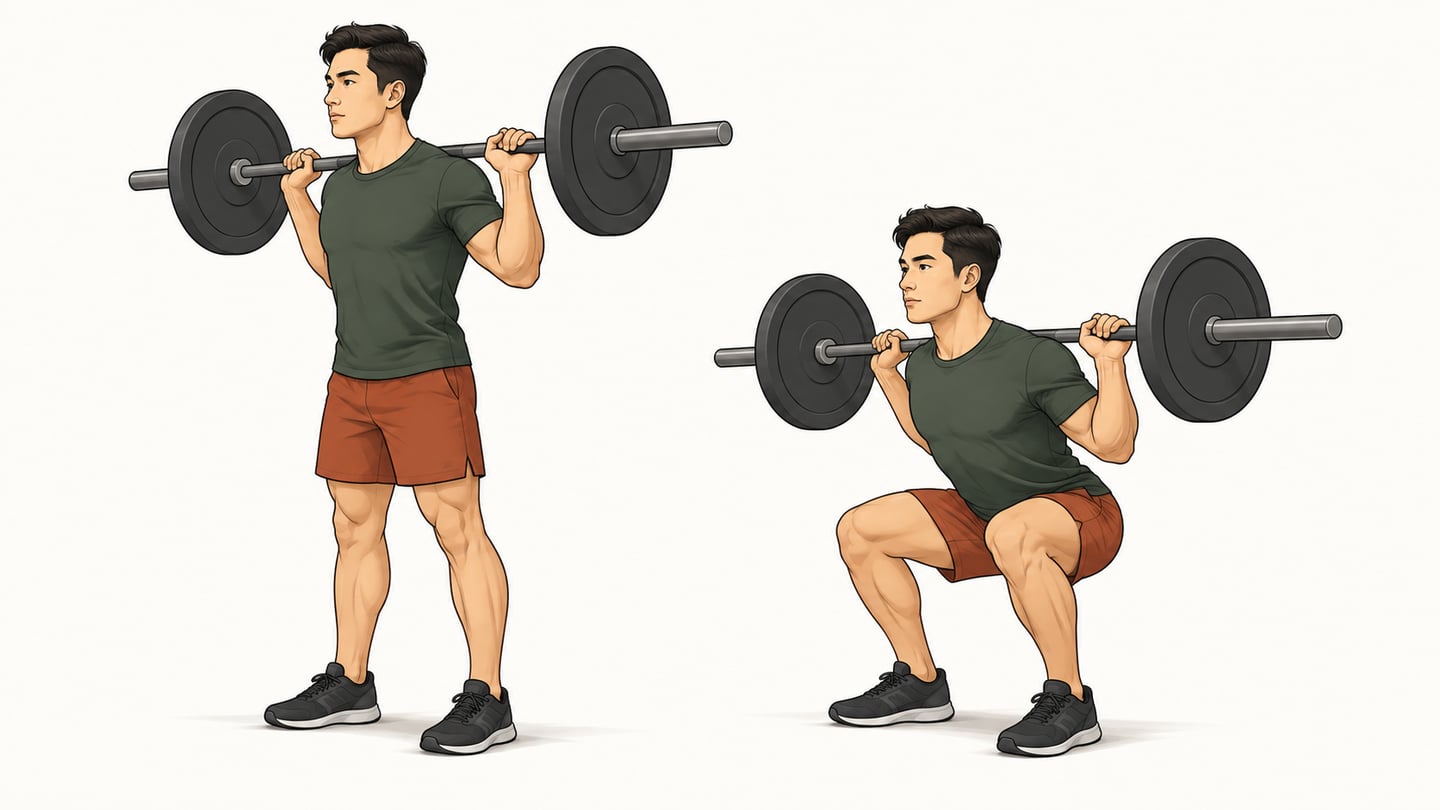
Right, let's get to the meat of it. No fancy jargon, just the stuff that actually matters.
The Setup (This is 80% of the Battle)
Feet slightly wider than shoulder width. Toes pointed out at about 15-30 degrees — not straight forward like a soldier. Your knees need to track over your toes, and if your feet are pointing forward but your knees want to go out, you're fighting against your body's natural movement.
Stand tall, chest up, shoulders back. But don't overdo it — you don't need to stick your chest out like you're posing for a photo. Just maintain a natural, proud posture.
The Movement (Going Down)
This is where most people mess up. You don't squat down — you sit back. Imagine there's a chair behind you and you're trying to sit on it without looking. Hips move back first, then knees bend.
Keep your weight on your whole foot. Your foot should feel like a tripod — big toe, little toe, heel all pressing into the ground.
Go down until your hip crease is just below your knee cap. Don't worry if you can't get that low initially — flexibility takes time. But that's the goal we're working towards.
The Drive Up
Drive through your heels and think about pushing the ground away from you. Your chest and hips should rise at the same rate — if your hips shoot up first, you'll fold forward like a jackknife.
Squeeze your glutes at the top, but don't hyperextend your back. Just stand tall like you started.
Progressive Training Program
Here's a 12-week program that'll take you from complete beginner to confidently squatting with weights.
Weeks 1-2: Master the Air Squat
Frequency: 3x per week (Mon, Wed, Fri)
Sets & Reps: 3 sets of 8-12 bodyweight squats
Rest: 60-90 seconds between sets
Focus entirely on form. Film yourself from the side if possible — most Singapore gyms are okay with this if you're not being obnoxious about it. Check that your knees track over your toes and your back stays neutral.
Weeks 3-4: Add Tempo
Frequency: 3x per week
Sets & Reps: 3 sets of 8-10 tempo squats (3 seconds down, 1 second pause, 2 seconds up)
Rest: 90 seconds between sets
The slow tempo forces you to control the movement. If you're wobbling or struggling to maintain form, you're not ready for weight yet.
Weeks 5-8: Goblet Squats
Frequency: 3x per week
Sets & Reps: 4 sets of 8-12 reps
Weight: Start with 5kg dumbbell, progress to 15-20kg
Rest: 2 minutes between sets
Hold a dumbbell at chest level, elbows pointing down. The weight helps you learn to stay upright and gives you something to focus on. Most Singapore gyms have plenty of dumbbells, so this is perfect for busy periods when the squat racks are taken.
Weeks 9-12: Barbell Squats
Frequency: 3x per week
Sets & Reps: 4-5 sets of 5-8 reps
Weight: Start with just the barbell (20kg), add 2.5kg per week
Rest: 3 minutes between sets
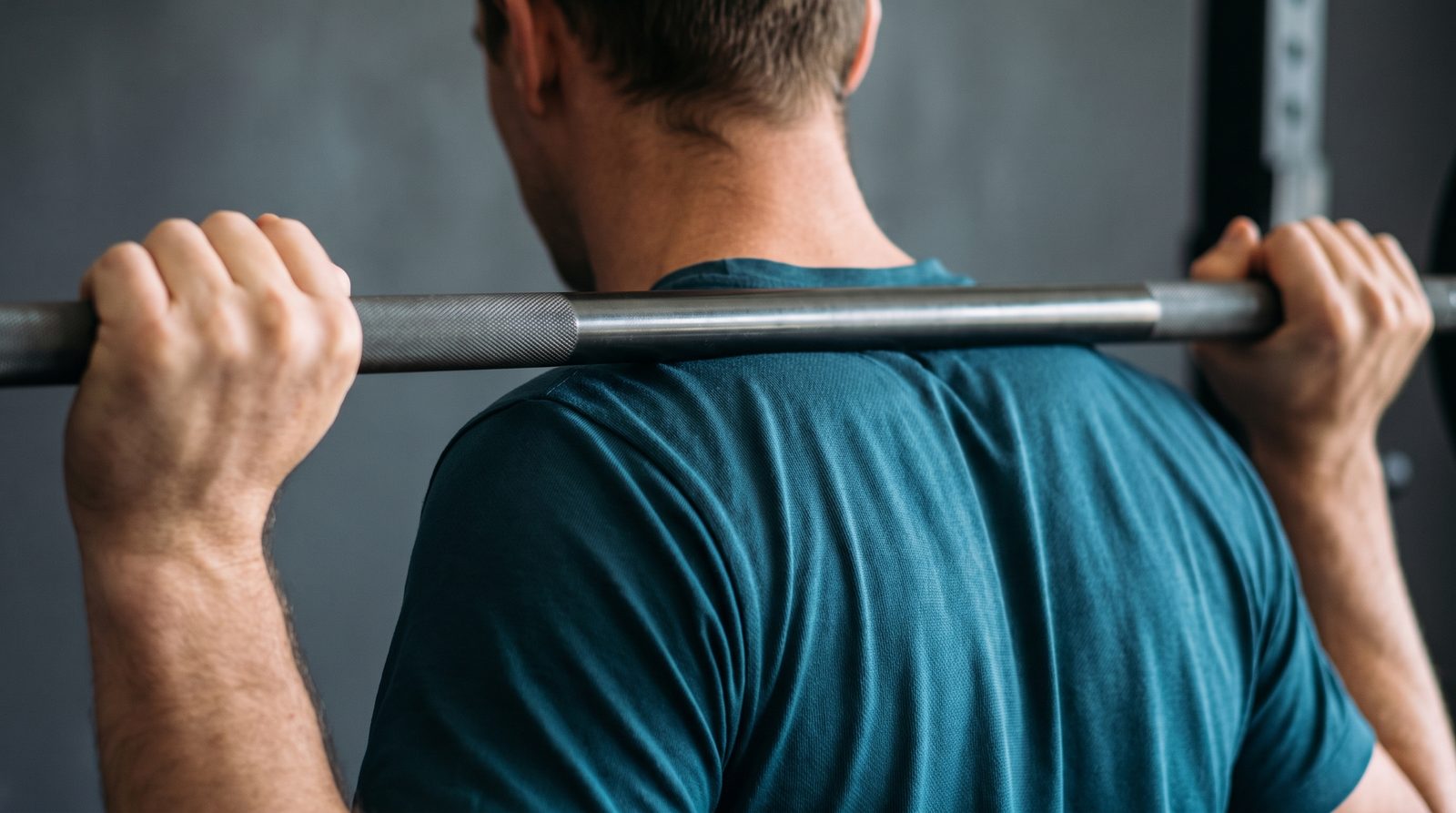
Now you're ready for the real deal. Start with high bar squats — bar rests on your upper traps, easier to balance. Learn to unrack properly, walk out with minimal steps, and always use safety bars set just below your lowest squat position.
Equipment Guide
| Exercise Type | Equipment Needed | Singapore Gym Availability | Alternative |
|---|---|---|---|
| Air Squats | Just yourself | 100% available | None needed |
| Goblet Squats | Dumbbell/kettlebell | 95% available | Water jug at home |
| Barbell Squats | Squat rack + barbell | 60% have good racks | Smith machine (not ideal) |
How to Choose Your Approach
IF YOU'RE A: Complete Beginner
Start with air squats at home for 2 weeks, then join a gym with good coaching
Best fit: UFIT CBD Hub or group classes
IF YOU'RE: Former Athlete
You probably have the body awareness — just need technical refinement
Best fit: Athletic Collective for Olympic-level coaching
IF YOU'RE: Budget-Conscious
ActiveSG has basic equipment and cheap group classes to learn form
Best fit: ActiveSG gyms + YouTube tutorials
IF YOU'RE: Injury-Prone
Get professional assessment first — don't guess with your body
Best fit: Ultimate Performance personal training
Singapore-Specific Tips
Before squatting, check the rack height, safety supports and space around you. Choose a variation and load you can control, and ask a qualified instructor for help if you are unsure about the setup.
Timing is Everything
Avoid 6-8pm if you want to practice squats properly. That's when every office worker hits the gym and you'll be waiting 15 minutes for a squat rack. Go at lunch (12-2pm), early morning (7-9am), or late night (9-11pm) for better access to equipment.
Hydration in the Heat
Singapore's humidity means you sweat more than you think. Drink at least 500ml water 2 hours before your squat session, sip during rest periods, and don't wait until you're thirsty.
The Shoe Situation
Most Singapore gyms require you to wear shoes, but running shoes are terrible for squats — too squishy and unstable. Either invest in proper Adidas Adipower III Lifting Shoes on Amazon or go with flat-soled shoes like Chuck Taylors.
Equipment Etiquette
Singapore gym culture is generally respectful, but squat racks are premium real estate. Don't camp there for 45 minutes doing your entire workout. Use it for squats, then move on. And always re-rack your weights — it's basic courtesy.
Climate Considerations
The constant AC in Singapore gyms means your joints can feel stiffer than usual. Take an extra 5 minutes to warm up properly, especially during those super-cold office building gyms in the CBD. Your knees will thank you.
Common Mistakes (and How to Fix Them)
Mistake #1: Going Too Heavy Too Fast
Your ego might want to lift heavy, but your joints and form suffer. Master bodyweight first, then progress gradually.
Mistake #2: Knees Caving In
This is usually a weakness issue, not a flexibility problem. Your glutes and outer thighs need strengthening. Add clamshells and side-lying leg lifts to your routine. Also check your foot position — toes might need to point out more.
Mistake #3: Quarter Squats
Going down just a few inches isn't a squat — it's a weird standing exercise. If you can't get low, work on ankle and hip flexibility. Don't add weight until you can hit proper depth.
Mistake #4: Holding Your Breath
Breathing pattern matters for heavy squats, but beginners often hold their breath the entire rep. Breathe in at the top, hold during the descent and ascent, then exhale forcefully at the top. For lighter weights, just breathe naturally.
Frequently Asked Questions
Should I squat if my knees hurt?
No. Stop immediately and get assessed by a physiotherapist or sports doctor. Knee pain during squats usually means either poor form, mobility issues, or an underlying injury. Don't push through pain — fix the root cause first. Many Singapore polyclinics can refer you to sports medicine specialists if needed.
How deep should I squat?
Hip crease just below knee cap is the goal, but don't force it. Your depth depends on ankle flexibility, hip mobility, and body proportions. Some people naturally squat deeper than others. Focus on controlled movement through your current range, and depth will improve with consistent practice.
Can I squat every day?
Light bodyweight squats? Sure. Heavy loaded squats? No way. Your muscles need 48 hours to recover between intense sessions. Stick to 2-3 squat sessions per week for beginners, 3-4 for advanced. You can do mobility work and light movement daily though.
What if I can't squat without falling backward?
Ankle flexibility issue. Your shins can't tilt forward enough, so your body compensates by falling backward. Work on calf stretches, ankle circles, and consider elevating your heels on small plates until your flexibility improves. Don't rush it — ankle mobility takes time to develop.
Should I use a lifting belt for squats?
Not until you're squatting at least 1.5x your body weight for reps, and only if you know how to use it properly. A belt isn't a magic back protector — it gives your core something to brace against for heavy loads. Learn to squat with proper core bracing first, then consider a quality lifting belt for maximum efforts.
High bar vs low bar squat — which is better?
High bar for beginners. Bar sits on your upper traps, easier to balance, more upright posture. Low bar (bar on rear delts) lets you lift more weight but requires better flexibility and technique. Master high bar first, then experiment with low bar if you get into powerlifting.
What's the best squat variation for beginners?
Box squats. Put a bench or box behind you and squat until you lightly touch it, then stand up. This teaches proper hip hinge movement and gives you a depth reference. Start with a high box and gradually lower it as your mobility improves. Perfect for learning at home before hitting the gym.
Recovery and Mobility
Squats beat you up more than you realize. Your quads, glutes, and lower back all take a pounding, plus your ankles and hips work overtime for mobility. Recovery isn't optional — it's part of the program.
Post-Workout Routine
Right after your squat session, spend 10 minutes on basic stretches. Hip flexor stretch, calf stretch, and a few minutes in a deep squat position (hold onto something for support). Your body is warm and pliable — this is when stretching actually works.
If you're serious about recovery, a 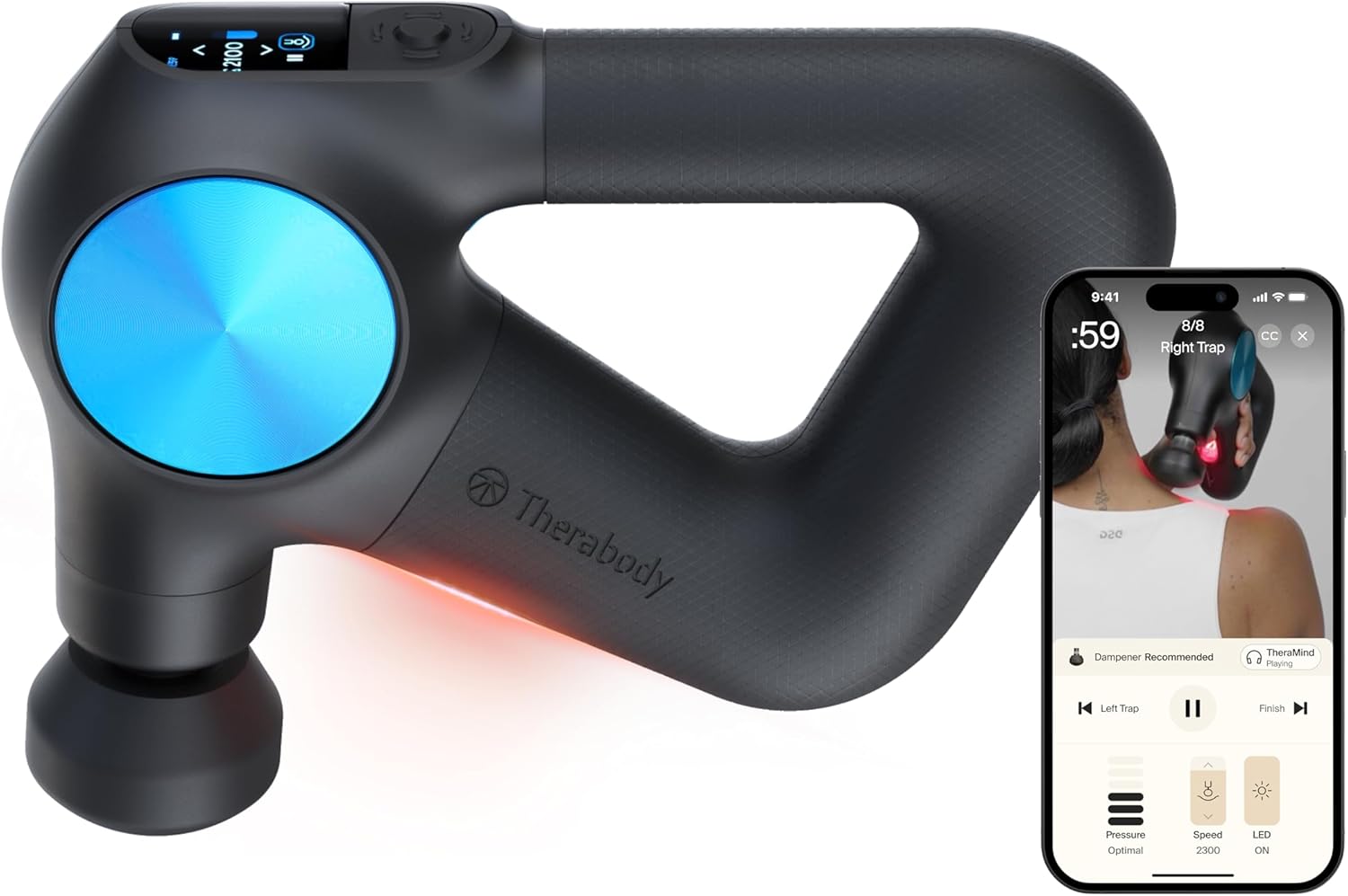 Theragun PRO massage gun makes a massive difference for working out tight spots in your quads and glutes.
Sleep and Nutrition
Your legs grow while you sleep, not while you squat. Aim for 7-8 hours, and don't skip meals the day after leg day. Your body needs protein to rebuild muscle tissue and carbs to replenish glycogen stores.
Singapore hawker centres make this easy — just choose wisely. Chicken rice (hold the skin), fish soup, or even a good old cai png with lean meats and vegetables. Skip the deep fried stuff on heavy training days.
When to Progress and How
Progression isn't just adding weight to the bar. Sometimes it's squatting deeper, moving more smoothly, or maintaining better form under fatigue. Here's when and how to level up:
From Air Squats to Goblet
When you can do 3 sets of 15 perfect air squats with 2-second pauses at the bottom, you're ready for weight. Start with a 5kg dumbbell — lighter than you think, but form matters more than your ego.
From Goblet to Barbell
Once you're goblet squatting 20kg for 12 reps with perfect form, time for the barbell. The empty Olympic bar weighs 20kg, so you're not stepping backward in weight. But the movement feels completely different — the load is on your back instead of your front.
Adding Weight to Barbell Squats
Add 2.5kg per week for the first month, then 2.5kg every 2 weeks. Your body adapts to loading gradually, not overnight. If you miss reps or your form breaks down, stay at that weight until you master it. There's no rush — this is a marathon, not a sprint.
Final Recommendation
Look, the squat isn't complicated, but it's not easy either. It requires patience, consistency, and honestly checking your ego at the door.
Start with bodyweight squats at home. Film yourself. Be brutally honest about your form. Once you can nail 3 sets of 15 perfect reps, find a gym with good equipment and ideally some coaching support.
If you're serious about learning properly from day one, invest in a few sessions at Ultimate Performance or UFIT CBD Hub. Yes, it's expensive, but fixing bad habits later is even more expensive (and painful).
For those on a budget, check out our ActiveSG guide — their group fitness classes often include squat instruction, and at $2.50 per session, it's hard to beat for value.
Remember, everyone at the gym was a beginner once. Focus on your form, progress at your own pace, and don't let perfect be the enemy of good. Your future self (and your knees) will thank you for taking the time to learn this properly.
Related Guides
How to Deadlift Properly: Singapore Guide
How to Deadlift Properly: Singapore Guide. Expert Singapore fitness guide with actionable advice, local tips,
How to Bench Press Properly: Singapore Guide
How to Bench Press Properly: Singapore Guide. Expert Singapore fitness guide with actionable advice, local tip
How to Row Properly: Singapore Guide
How to Row Properly: Singapore Guide. Expert Singapore fitness guide with actionable advice, local tips, and g
How to Do Push-Ups Properly: Singapore Guide
How to Do Push-Ups Properly: Singapore Guide. Expert Singapore fitness guide with actionable advice, local tip