
Progressive Overload Singapore Gym
Progressive Overload Singapore Gym. Expert Singapore fitness guide with actionable advice, local tips, and gym recommendations.
OnWhey is our own supplement brand.
QUICK ANSWER: BEST SINGAPORE GYMS FOR PROGRESSIVE OVERLOAD
Level at Telok Ayer is your best bet for serious progressive overload training — proper Olympic platforms, multiple squat racks, and trainers who actually understand periodization. REVL Bukit Timah comes second for structured programming, while OneFitFinity offers excellent equipment at a more accessible price point.
Progressive Overload in Singapore — The Real Deal
Look, most Singapore gym-goers have heard of progressive overload but completely mess it up.
Progressive overload is simple: gradually increase the stress on your muscles over time. Could be more weight, more reps, more sets, or better form. The problem? Most gyms here treat you like a walking credit card, not someone trying to build actual strength.
The humidity doesn't help either. You'll sweat buckets during your first few weeks, especially if you're pushing heavier weights with longer rest periods. But once you adapt, Singapore's gym scene offers some world-class facilities — if you know where to look and what to avoid.
Best Gyms for Progressive Overload Training
LEVEL
⭐ 5/5 (303 reviews) • Premium pricing • Telok Ayer
BEST FOR:
Serious strength athletes who want zero compromises on equipment
NOT IDEAL FOR:
Budget-conscious beginners — this place charges premium rates
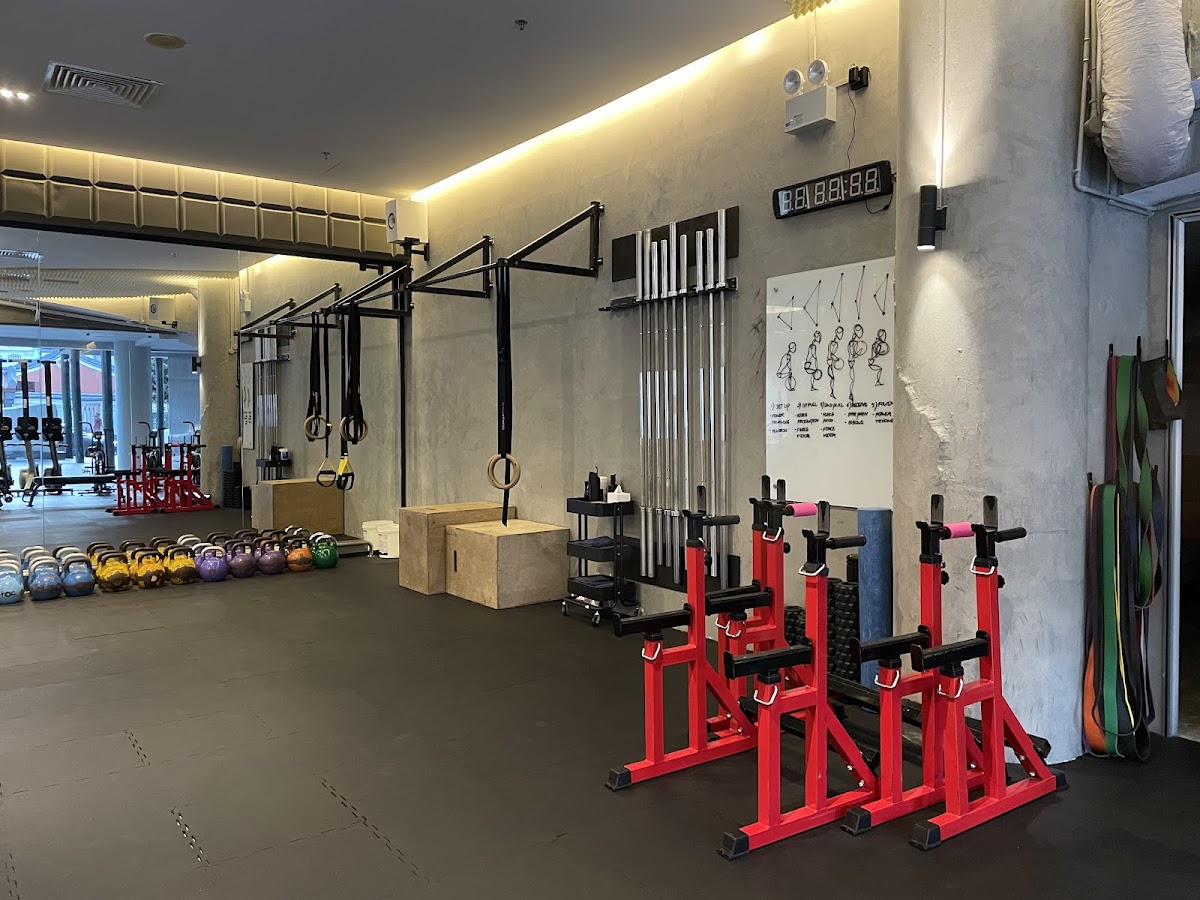
This is where Singapore's strength athletes go when they're serious about numbers. Multiple Olympic lifting platforms, competition-grade bars, plates that actually weigh what they claim to weigh. The trainers here understand periodization and will program your progressive overload properly instead of just adding 2.5kg randomly.
View Details →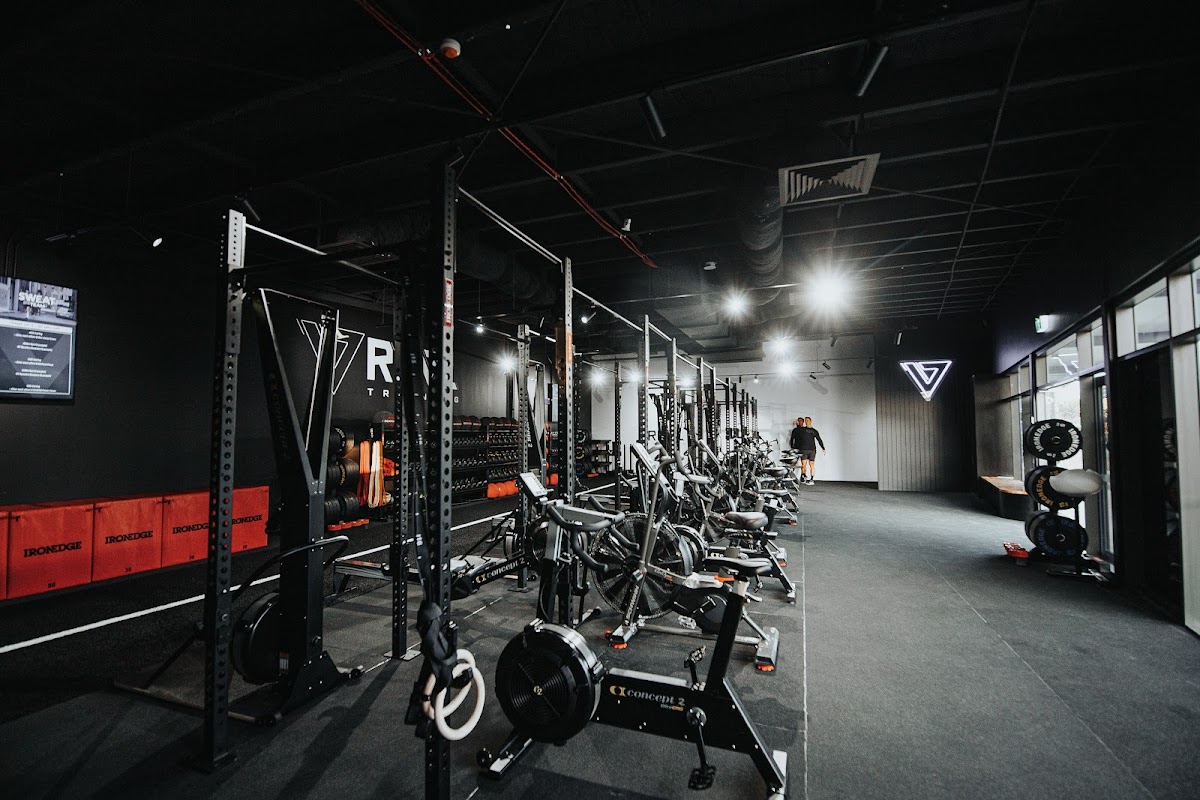
REVL TRAINING BUKIT TIMAH
⭐ 5/5 (68 reviews) • $280-300/mo • Bukit Timah Plaza
BEST FOR:
People who want structured programming with expert coaching
NOT IDEAL FOR:
DIY lifters who prefer training alone without guidance
Small but perfectly equipped for progressive overload training. The coaches here actually track your numbers week-to-week and adjust loads scientifically. Located right in Bukit Timah Plaza, so you can grab lunch at the food court after destroying your legs. Their $30 day pass is worth trying before committing.
View Details →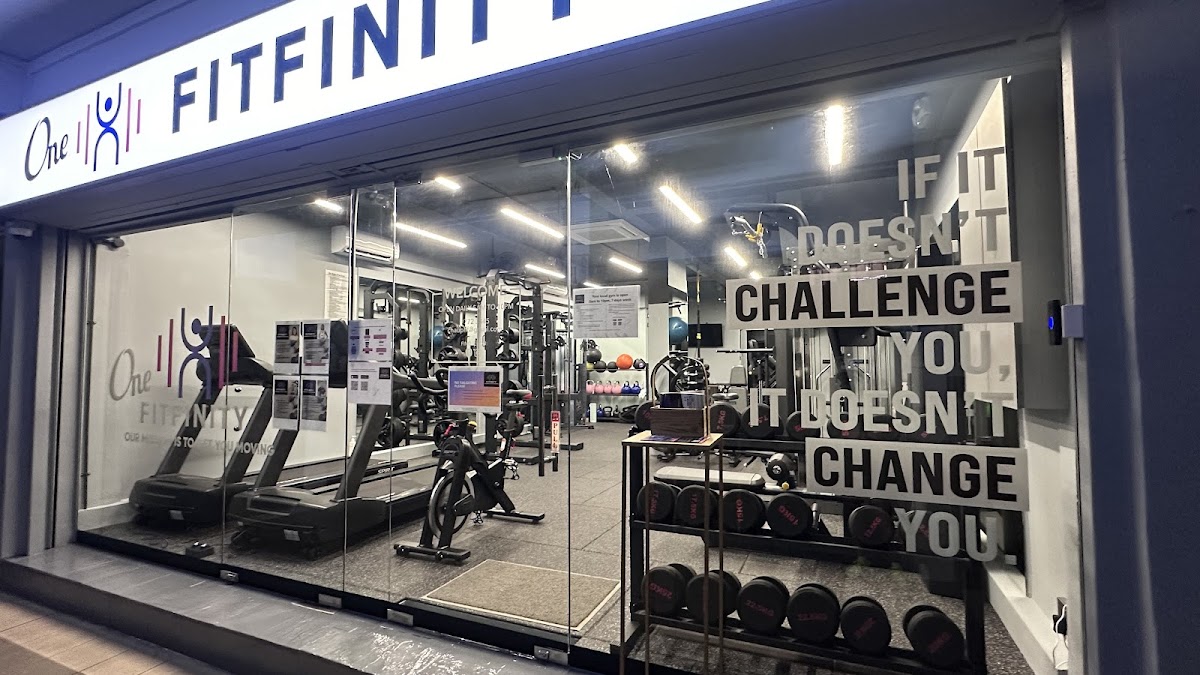
ONEFITFINITY
⭐ 5/5 (40 reviews) • Contact for pricing • Clementi
BEST FOR:
Consistent progressive overload training without the boutique price tag
NOT IDEAL FOR:
People who need hand-holding — this is more of a self-directed space
Hidden gem in Clementi that serious lifters have discovered. Solid equipment selection with enough plates to actually load up the bar properly. The owner understands strength training and keeps the environment focused. No fancy amenities but everything you need to get stronger.
View Details →
FITNESS MODE LAVENDER
⭐ 5/5 (48 reviews) • Contact for pricing • Lavender
BEST FOR:
Intermediate lifters who want good equipment without the CBD prices
NOT IDEAL FOR:
Complete beginners who need lots of form guidance
Solid neighbourhood gym that takes strength training seriously. Good selection of barbells and enough plates to keep you progressing for years. The location near Lavender MRT makes it convenient for most of central Singapore, and the atmosphere is focused rather than social.
View Details →Progressive Overload Gym Comparison
| Gym | Price Range | Equipment Quality | Coaching |
|---|---|---|---|
| Level | Premium | Excellent | Expert |
| REVL Bukit Timah | $280-300/mo | Very Good | Structured |
| OneFitFinity | Moderate | Good | Self-directed |
| Fitness Mode | Affordable | Good | Minimal |
| ELVTE | Premium | Very Good | Available |
| BFT Taman Jurong | $280-350/mo | Functional | Group only |
How to Choose Your Progressive Overload Gym
IF YOU'RE A: Complete Beginner
Look for: qualified trainers who understand form, structured programs, supportive environment
Best fit: REVL Bukit Timah ($280-300/mo)
IF YOU'RE A: Experienced Lifter
Look for: quality barbells, Olympic platforms, adequate plate selection, minimal wait times
Best fit: Level (Premium pricing)
IF YOU'RE: Budget-Conscious
Look for: solid basics without premium frills, neighbourhood gyms with good equipment
Best fit: OneFitFinity (Contact for pricing)
IF YOU'RE: CBD Worker
Look for: convenient location, quality equipment, flexible hours, shower facilities
Best fit: ELVTE (Premium pricing)
Progressive Overload Program Fundamentals
Use a training log to record the exercise, load, repetitions and how the session felt. That gives you a reference for choosing the next session instead of changing several parts of the workout at once.
The key principle: your body adapts to whatever stress you place on it consistently. No consistency means no adaptation. No adaptation means no progress.
Equipment You Actually Need:- Barbell and plates (non-negotiable for serious strength)
- Squat rack or power cage
- Adjustable bench
- Pull-up bar
- Dumbbells (for assistance work)
Most chain gyms in Singapore have this equipment, but the quality varies wildly. A bent barbell or plates that don't match their stated weight will sabotage your progress tracking.
Singapore-Specific Training Considerations
Humidity Management: Singapore's humidity will destroy you if you're not prepared. Bring a towel, drink more water than you think you need, and consider training during off-peak hours when the AC isn't fighting a hundred sweaty bodies.
Peak Hour Strategy: Forget about training between 6-8pm unless you enjoy waiting 20 minutes for a squat rack. Early morning (6-8am) or lunch time (12-2pm) are your best bets for consistent progressive overload training. Some of the boutique gyms like Level manage this better than chain gyms.
Equipment Quality Issues: Many Singapore gyms buy cheap barbells that bend under load or plates that are wildly inaccurate. This matters more for progressive overload than casual fitness. A "20kg" plate that actually weighs 18kg will mess up your progression tracking.
The premium gyms invest in proper equipment — that's what you're paying for.
Form vs. Face Culture: Singapore gym culture sometimes prioritizes appearance over substance. Don't let ego lifting derail your progressive overload program. Perfect form with 60kg beats sloppy form with 100kg every single time. The local uncles might judge you initially, but they'll respect you when you're squatting more than them six months later.
Nutrition Timing: With our food court culture, it's tempting to grab cai png right after training. That's actually perfect for progressive overload — you need carbs and protein within 2 hours of lifting. Just avoid the extra fried stuff if you're trying to stay lean while building strength.
Insider Tips for Progressive Overload Success
Track Everything, Trust Nothing: Singapore gyms often have inaccurate equipment. This matters when you're trying to progress systematically.
Master the Deload: Every 4-6 weeks, reduce your working weight by 20-30% for one week. This isn't being lazy — it's strategic recovery that allows supercompensation. Most Singapore lifters skip deloads and wonder why they plateau after 3 months.
Use RPE, Not Just Percentages: Rate of Perceived Exertion (RPE) helps you autoregulate based on daily readiness. Some days the humidity hits different, or you didn't sleep well. RPE 8 (2-3 reps left in the tank) is your sweet spot for most progressive overload work.
Pre-exhaust in Crowded Gyms: When the squat racks are all taken during peak hours, start with leg press or leg extensions to pre-exhaust your quads. By the time you get to squats, you'll need lighter weight but still get an effective stimulus. This actually works better than waiting around getting cold.
Singapore Sleep Factor: Our work culture makes adequate sleep challenging, but it's non-negotiable for progressive overload. Poor sleep kills your ability to recover and adapt to training stress. Prioritize 7-9 hours even if it means training at 6am instead of 8pm.
Common Progressive Overload Mistakes
The Random Weight Jump: Use your previous sessions as the starting point for the next load. Progress may mean another controlled repetition before it means more weight. Choose an increment that suits the exercise and your ability; a single kilogram rule does not fit every lift or lifter.Form Breakdown Chase: Adding weight while form deteriorates isn't progressive overload — it's progressive injury risk. Your muscles don't know how much weight is on the bar; they only know the quality of tension you create.
Ignoring Assistance Work: Compound movements are king, but your weak links will eventually limit your progress. If your bench press stalls, it might be your triceps holding you back, not your chest. Address imbalances before they become barriers.
Program Hopping: Singapore fitness culture loves the newest trends. Pick a program, stick with it for at least 12 weeks, then evaluate. Your body needs time to adapt to any stimulus.
All-or-Nothing Mentality: Some days life happens — you're sick, work is crazy, or the gym is packed. A 70% effort session beats a missed session every time. Consistency trumps perfection in progressive overload training.
Frequently Asked Questions
How much weight should I add each week for progressive overload?
For compound movements like squat, bench, and deadlift, add 2.5-5kg per week as a beginner. Intermediate lifters might only add 1-2.5kg weekly. For isolation exercises, increase by 1.25-2.5kg or add 1-2 reps instead. The key is consistency over dramatic jumps. Most Singapore gyms have 1.25kg plates — use them.
Which Singapore gyms have the best equipment for progressive overload?
Level has competition-grade equipment that's properly calibrated. REVL Bukit Timah and OneFitFinity also invest in quality barbells and accurate plates. Avoid chain gyms with bent bars and mismatched plates — they'll sabotage your progress tracking.
How do I deal with Singapore's humidity during heavy lifting sessions?
Hydrate 2-3 hours before training, not just during. Bring two towels — one for equipment, one for yourself. Train during off-peak hours when AC is more effective. Consider electrolyte supplements if you're sweating heavily. Most importantly, extend rest periods slightly — humidity makes recovery between sets slower.
What's the difference between progressive overload and just lifting heavier?
Progressive overload is systematic and measurable — you track variables like weight, reps, sets, and rest periods over time. "Lifting heavier" often means ego lifting with poor form or random weight jumps. True progressive overload might mean adding just 1.25kg or one extra rep while maintaining perfect technique.
How long before I see results from progressive overload training?
Neurological adaptations happen within 2-4 weeks — you'll feel stronger and more coordinated. Visible muscle changes take 6-12 weeks with consistent training and nutrition. Strength gains plateau around 12-16 weeks, requiring program modifications. The key is tracking everything — progress is often subtle day-to-day but dramatic month-to-month.
Should I train during Singapore's peak hours or adjust my schedule?
Avoid 6-8pm if possible — you'll spend more time waiting than training. Early morning (6-8am) or lunch time (12-2pm) are ideal for progressive overload training. You need consistent access to equipment, not social hour. Premium gyms like Level manage crowds better but still get busy evenings.
Can I do progressive overload with just bodyweight exercises?
Yes, but it's more complex than adding weight. Progress by increasing reps, adding pauses, changing leverage (elevated feet push-ups), or advancing to harder variations (pistol squats vs. regular squats). However, external load is more straightforward for tracking and long-term development. Singapore's outdoor fitness stations work for beginners but have limitations.
Your Next Steps
Here's the thing about progressive overload — knowledge without action is useless. You can read every article, watch every YouTube video, but until you start tracking your workouts systematically, you're just exercising randomly.If you're serious about getting stronger, start with Level for the ultimate equipment experience, or REVL Bukit Timah if you want structured programming. Budget-conscious? OneFitFinity gives you the basics without the premium price tag.
Pick one gym, commit to 12 weeks, track every single workout. Your future self will thank you when you're the strongest person in your office instead of just another guy who "goes to the gym sometimes."
The equipment matters, the programming matters, but consistency matters most. Singapore's fitness scene has everything you need to get stupidly strong — you just need to show up and do the work.
Related Guides
Treadmill Guide for Beginners Singapore
Treadmill Guide for Beginners Singapore. Expert Singapore fitness guide with actionable advice, local tips, an
Your First Week at the Gym: Singapore Plan
Your First Week at the Gym: Singapore Plan. Expert Singapore fitness guide with actionable advice, local tips,
Your First Month at the Gym: Singapore Plan
Your First Month at the Gym: Singapore Plan. Expert Singapore fitness guide with actionable advice, local tips
Warm-Up Guide: Prepare for Your Workout Singapore
Warm-Up Guide: Prepare for Your Workout Singapore. Expert Singapore fitness guide with actionable advice, loca