Powerlifting Guide Singapore 2026
Powerlifting Guide Singapore 2026. Expert Singapore fitness guide with actionable advice, local tips, and gym recommendations.
OnWhey is our own supplement brand.
QUICK ANSWER: POWERLIFTING GUIDE SINGAPORE 2026
Start with squat, bench, and deadlift — the big three moves that form powerlifting's foundation. Focus on progressive overload, proper form, and training 3-4 times per week for best results in Singapore's gym scene.
Getting Started With Powerlifting in Singapore
Look, powerlifting isn't about becoming some massive strongman. It's about getting really, really good at three movements — squat, bench press, and deadlift. It's the most straightforward way to build serious strength.
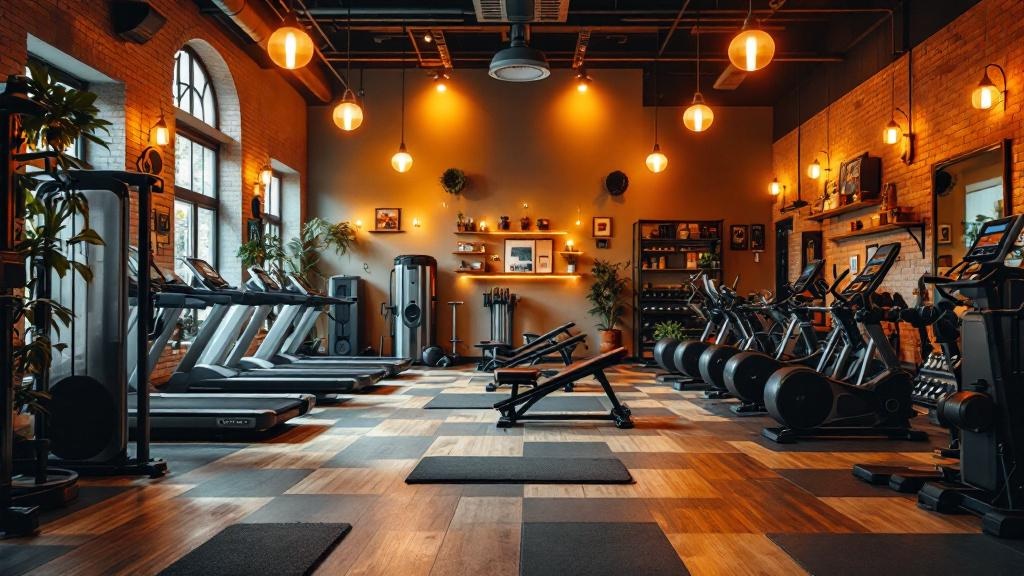
Singapore's gym scene is perfect for powerlifting once you know where to look. The challenge isn't finding equipment (most commercial gyms have the basics) but finding spaces that don't make you feel rushed during peak hours. Nothing kills a heavy squat session like someone tapping their foot behind you at 7pm.
The humidity here actually works in your favour — you'll warm up faster, which means less time spent on mobility work. Just don't underestimate how much water you'll need.
Best Singapore Gyms for Powerlifting
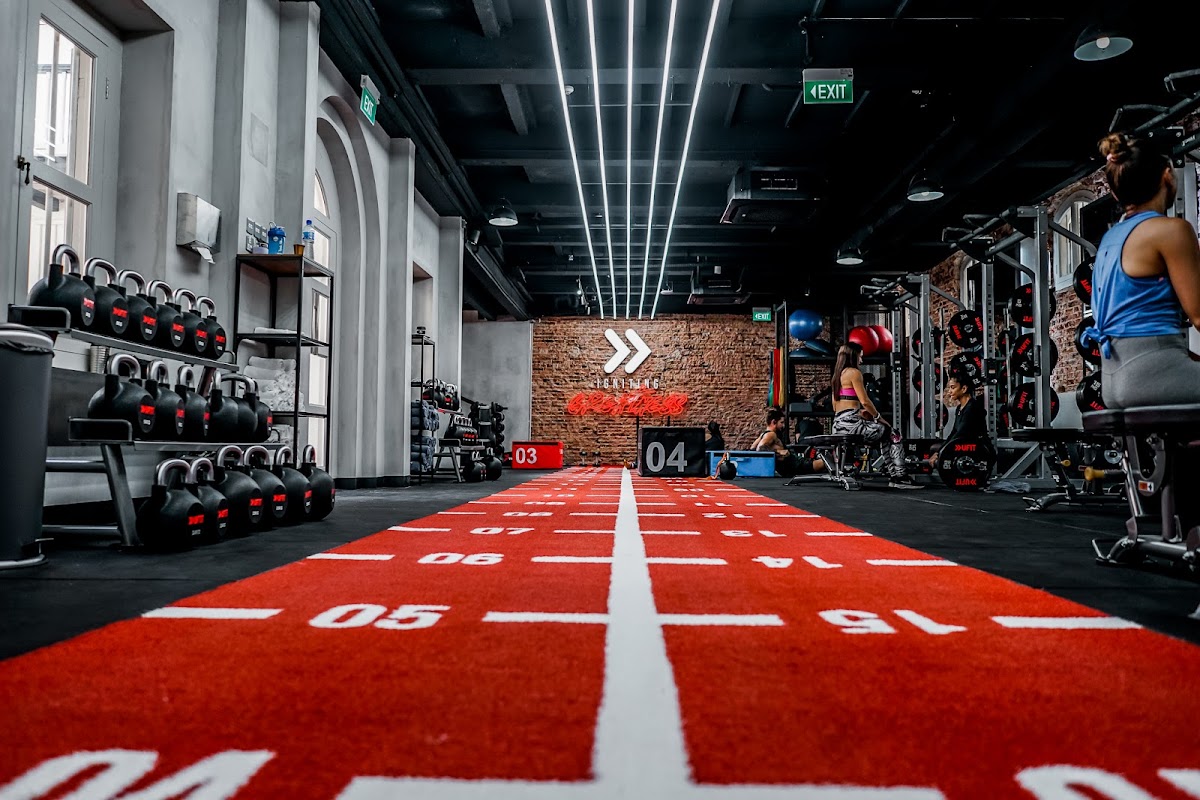
UFIT CBD Hub - Club Street
⭐ 5/5 (477 reviews) • $200-400/mo • Club Street, CBD
BEST FOR:
Serious powerlifters who want premium equipment and expert coaching
NOT IDEAL FOR:
Casual lifters or those on a tight budget — it's a serious investment
This is where Singapore's powerlifting community actually trains. They have proper competition-grade barbells, multiple squat racks, and trainers who actually know the difference between powerlifting and bodybuilding. The price reflects the quality — you're paying for expertise, not just equipment.
View Details →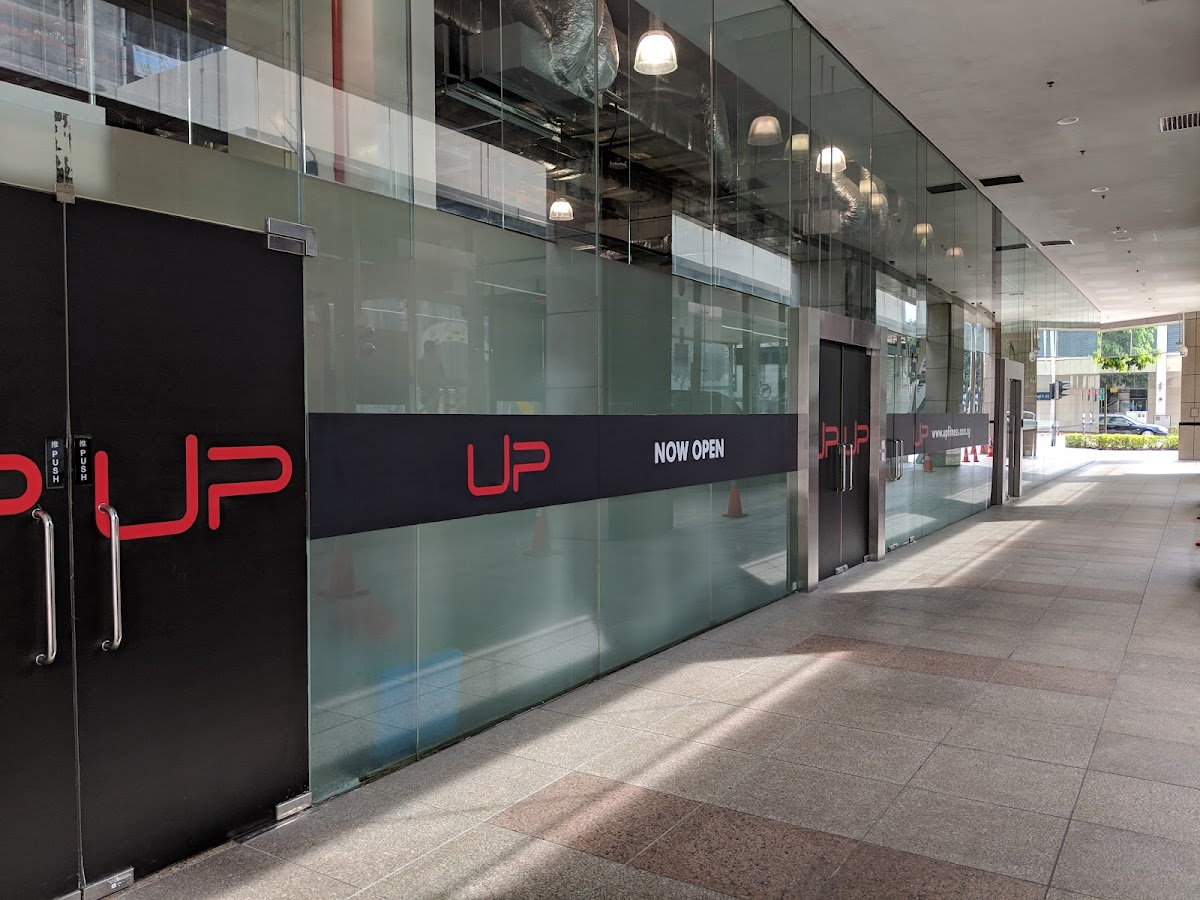
Ultimate Performance Singapore CBD
⭐ 5/5 (1323 reviews) • Contact for pricing • Raffles Place MRT
BEST FOR:
One-on-one powerlifting coaching with structured programming
NOT IDEAL FOR:
Self-directed training — everything here is trainer-supervised
If you've got the budget for personal training, these guys know their stuff. They'll build you a proper powerlifting program and actually teach you to lift safely. The trainers here compete themselves, which makes a huge difference in quality of coaching.
View Details →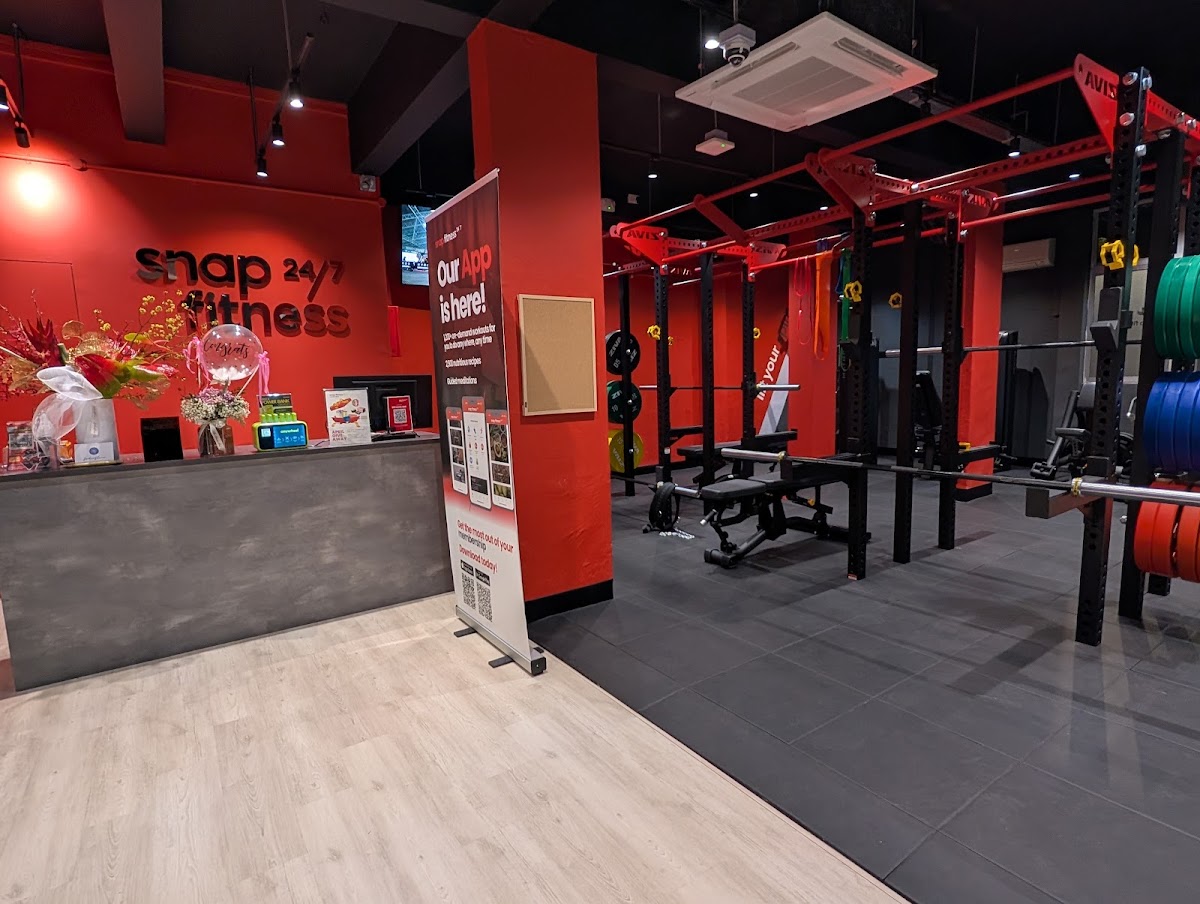
Snap Fitness Jurong West
⭐ 5/5 (203 reviews) • $70-120/mo • Jurong West Ave 1
BEST FOR:
Budget-conscious powerlifters who need 24/7 access
NOT IDEAL FOR:
Beginners needing form coaching — it's mostly self-service
Solid equipment, decent space, and the price is right. The 24-hour access is a game-changer if you work odd hours. Equipment quality is good enough for serious training, just don't expect competition-grade barbells.
View Details →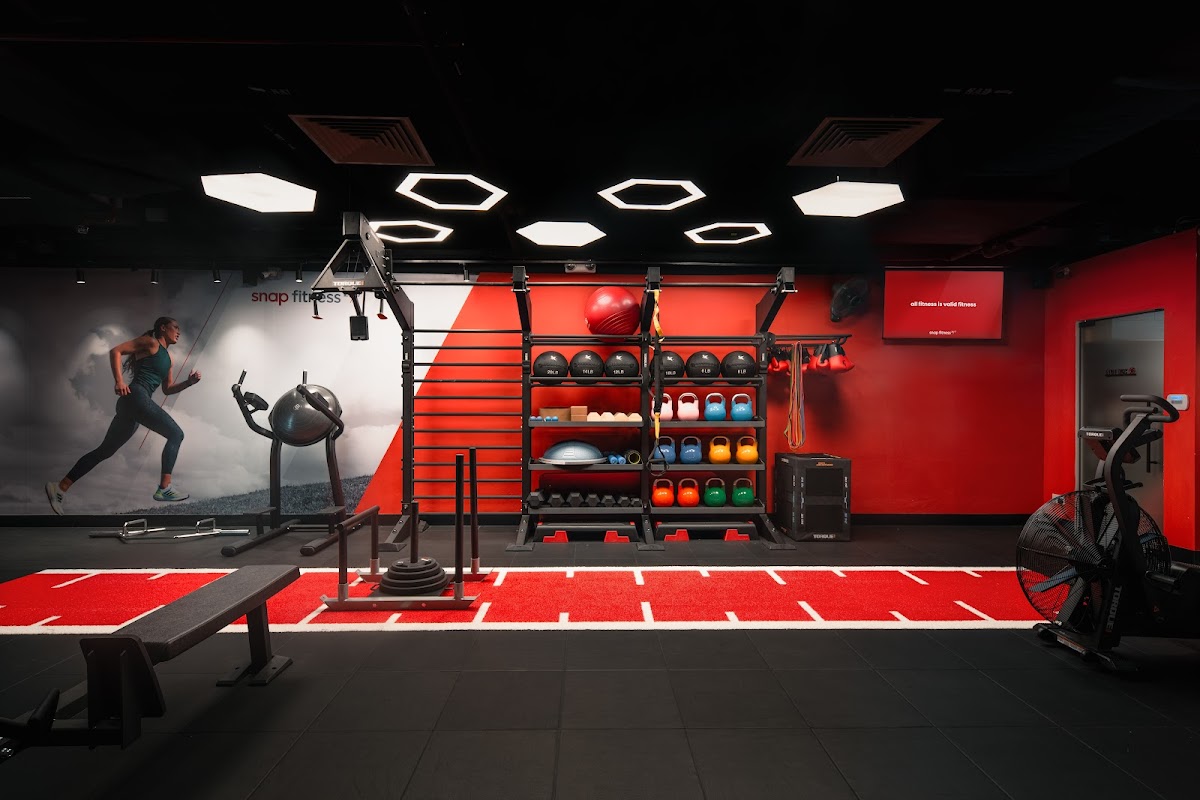
Snap Fitness Woodlands Health
⭐ 5/5 (48 reviews) • $70-120/mo • Woodlands Health Centre
BEST FOR:
North side residents who want consistent equipment and hours
NOT IDEAL FOR:
Peak hour training — gets crowded during lunch and evening rushes
Newer facility with well-maintained equipment. The north location means it's less crowded than city gyms, but still has everything you need for the big three. Day passes available if you want to test it out first.
View Details →The Big Three: Squat, Bench, Deadlift
Here's the thing about powerlifting — it's simple but not easy. You've got three lifts to master, and that's it. No fancy supersets, no Instagram-worthy moves. Just you, the barbell, and progressive overload.
Back Squat: The King of All Lifts
Setup: Bar positioned on your upper traps (not your neck), feet shoulder-width apart, toes slightly pointed out. Core tight like someone's about to punch you in the stomach.
The Movement: Sit back like you're reaching for a chair that's too far away. Knees track over your toes, chest stays up. Go down until your hip crease is just below your kneecap, then drive through your whole foot to stand up.
Beginner Program:
- Week 1-2: Bodyweight squats, 3 sets of 10-15 reps
- Week 3-4: Goblet squats with dumbbell, 3 sets of 8-12 reps
- Week 5+: Barbell back squat, start with empty bar (20kg)
Progression: Add 2.5kg per week as long as you're hitting all reps with good form. If you fail a weight twice, drop back 10% and build up again.
Bench Press: Upper Body Power
Setup: Lie back, eyes under the bar. Plant your feet firmly on the ground, create a slight arch in your lower back. Grip the bar with hands slightly wider than shoulder-width.
The Movement: Lower the bar to touch your chest around nipple level (not your neck). Press straight up, keeping your core tight and feet planted. The bar should travel in a straight line up and down.
Singapore Gym Reality Check: Always ask for a spotter, especially during peak hours when staff might be busy. Don't be shy about it — better safe than crushed under a barbell.
Starting Protocol: Begin with 3 sets of 5 reps, 3 times per week. Rest 3-5 minutes between sets. Add 1-2.5kg per week consistently.
Deadlift: The Ultimate Test
Setup: Bar over mid-foot, shins touching the bar. Hinge at your hips and grab the bar with hands just outside your legs. Back straight, chest up, core braced.
The Movement: Drive through your heels and push the floor away. The bar stays close to your body the entire time. Stand up tall at the top, then lower the bar back down with control.
Equipment Note: Most Singapore gyms have standard barbells, but if you're at a place like UFIT CBD, ask about deadlift bars — they're longer and have more flex, making the lift feel smoother.
Frequency: Start with once per week. Deadlifts are taxing, and you need full recovery between sessions. 1 set of 5 reps to start, building to 3 sets of 5 over your first month.
Weekly Programming for Singapore Lifters
The key to powerlifting progress is consistency, not complexity. Here's a tried-and-tested weekly structure that works with Singapore's gym schedules and our work culture.
Beginner 3-Day Split
Monday - Squat Focus Day
- Back Squat: 3 sets of 5 reps
- Bench Press: 3 sets of 8 reps (lighter weight)
- Bent-Over Row: 3 sets of 8 reps
- Plank: 3 sets of 30-60 seconds
Wednesday - Bench Focus Day
- Bench Press: 3 sets of 5 reps
- Squat: 3 sets of 8 reps (lighter weight)
- Romanian Deadlift: 3 sets of 8 reps
- Face Pulls: 3 sets of 12 reps
Friday - Deadlift Focus Day
- Deadlift: 1 set of 5 reps (build up over weeks)
- Overhead Press: 3 sets of 8 reps
- Goblet Squats: 3 sets of 10 reps
- Pull-ups or Lat Pulldowns: 3 sets of 5-8 reps
Rest 48-72 hours between sessions. If you can only make it twice per week, combine movements — squat and bench on day one, deadlift and assistance work on day two.
Progression Strategy
Start light. I know everyone wants to jump to heavy weights, but your joints need time to adapt. Begin with weights that feel almost too easy — you should be able to do 2-3 more reps than prescribed.
Linear Progression (First 3 months):
- Squat: Add 2.5kg per week
- Bench Press: Add 1-2.5kg per week
- Deadlift: Add 2.5-5kg per week
When you can't add weight every week (and this will happen), switch to intermediate programming. Don't rush this transition — linear gains are precious, milk them for as long as possible.
Gym Comparison: Equipment & Atmosphere
| Gym | Squat Racks | Barbell Quality | Peak Hour Wait | Price |
|---|---|---|---|---|
| UFIT CBD Hub | 4+ | Competition Grade | Minimal | $200-400 |
| Ultimate Performance | 2-3 | Excellent | By Appointment | Contact |
| Snap Fitness JW | 2 | Good | 5-10 mins | $70-120 |
| Snap Fitness WL | 2 | Good | 5-15 mins | $70-120 |
Choosing Your Training Style
IF YOU'RE A: Complete Powerlifting Newbie
Look for: coaching support, beginner-friendly environment, good equipment maintenance
Best fit: Ultimate Performance CBD (contact for pricing)
IF YOU'RE A: Self-Directed Lifter
Look for: multiple racks, 24-hour access, minimal waiting times, good barbell maintenance
Best fit: Snap Fitness Jurong West ($70-120/mo)
IF YOU'RE: Competition Minded
Look for: competition-grade equipment, experienced lifters, meet prep coaching
Best fit: UFIT CBD Hub ($200-400/mo)
IF YOU'RE: Budget Conscious
Look for: basic equipment that's well-maintained, flexible timing to avoid peak hours
Best fit: Snap Fitness Woodlands ($70-120/mo)
Singapore Powerlifting Insider Tips
Train During Off-Peak Hours: 10am-4pm and after 9pm are golden hours. You'll have your pick of equipment and won't feel rushed through your sets. The squat rack becomes your personal throne.
Bring Chalk (But Check First): Many gyms ban loose chalk, but liquid chalk is usually fine. Your deadlift grip will thank you when the humidity hits. If they don't allow any chalk, consider lifting straps as backup.
Hydration is Critical: You'll sweat more than you think, even with AC.
Learn Basic Equipment Setup: Most gym staff don't know how to properly adjust safety bars or set up for powerlifting. Learn to do it yourself — your safety depends on it. The safety bars should be set just below your lowest squat position.
Connect with the Community: Singapore has a small but tight powerlifting scene. Follow local lifters on Instagram, join Facebook groups. The knowledge sharing is invaluable, plus you might find training partners who actually know what they're doing.
Form Cues That Actually Work
Forget what you see on Instagram. Real powerlifting is about efficiency and safety, not looking cool.
Squat Cues
- "Proud chest" — better than "chest up" because it engages your upper back
- "Sit back into a chair" — prevents knee-dominant movement
- "Push the floor apart" — activates glutes on the way up
- "Big breath at the top" — creates intra-abdominal pressure for stability
Bench Press Cues
- "Squeeze the bar like you're crushing it" — increases tension throughout your arms
- "Pull the bar apart" — engages your lats and creates stability
- "Drive your feet through the floor" — helps maintain full-body tension
- "Touch and press" — prevents bouncing the bar off your chest
Deadlift Cues
- "Stand up with the weight" — better than "pull" because it's a pushing motion
- "Drag the bar up your legs" — keeps the bar close to your center of gravity
- "Push the floor away" — helps with the initial pull off the floor
- "Squeeze your glutes at the top" — ensures full hip extension
Dealing with Singapore Gym Culture
Let's be honest — most people in Singapore gyms are doing bodybuilding-style workouts. You'll get looks when you're setting up for a heavy single. Don't let it phase you.
Equipment Hogging: Powerlifting sessions take longer than typical gym workouts. Be considerate — if someone asks to work in during your squat session and you're resting 5 minutes between sets, let them. Just make sure they can change the weight quickly.
The Noise Factor: Heavy deadlifts make noise. That's normal. Don't slam weights, but don't tiptoe around either. Any decent gym understands that serious lifting isn't silent.
Peak Hour Politics: If you absolutely must train during peak hours, book your squat rack early and stick to your planned sets. Don't improvise — have a backup plan if equipment isn't available.
Nutrition and Recovery
Powerlifting demands more from your body than typical gym workouts. You're not just building muscle — you're training your nervous system to handle heavy loads.
Protein Timing: Aim for 0.8-1g per pound of bodyweight daily. Time doesn't matter as much as total intake, but having protein within 2 hours post-workout helps with recovery. The chicken rice at most hawker centers actually works well — protein and carbs together.
Sleep is Non-Negotiable: 7-9 hours minimum. Your strength gains happen during sleep, not in the gym. Singapore's work culture makes this challenging, but treat sleep like training — schedule it and stick to it.
Recovery Tools: After heavy squat sessions, a percussion massage gun makes a real difference for tight quads and glutes. Pair recovery work with our flexibility and stretching guide to maintain mobility as you get stronger.
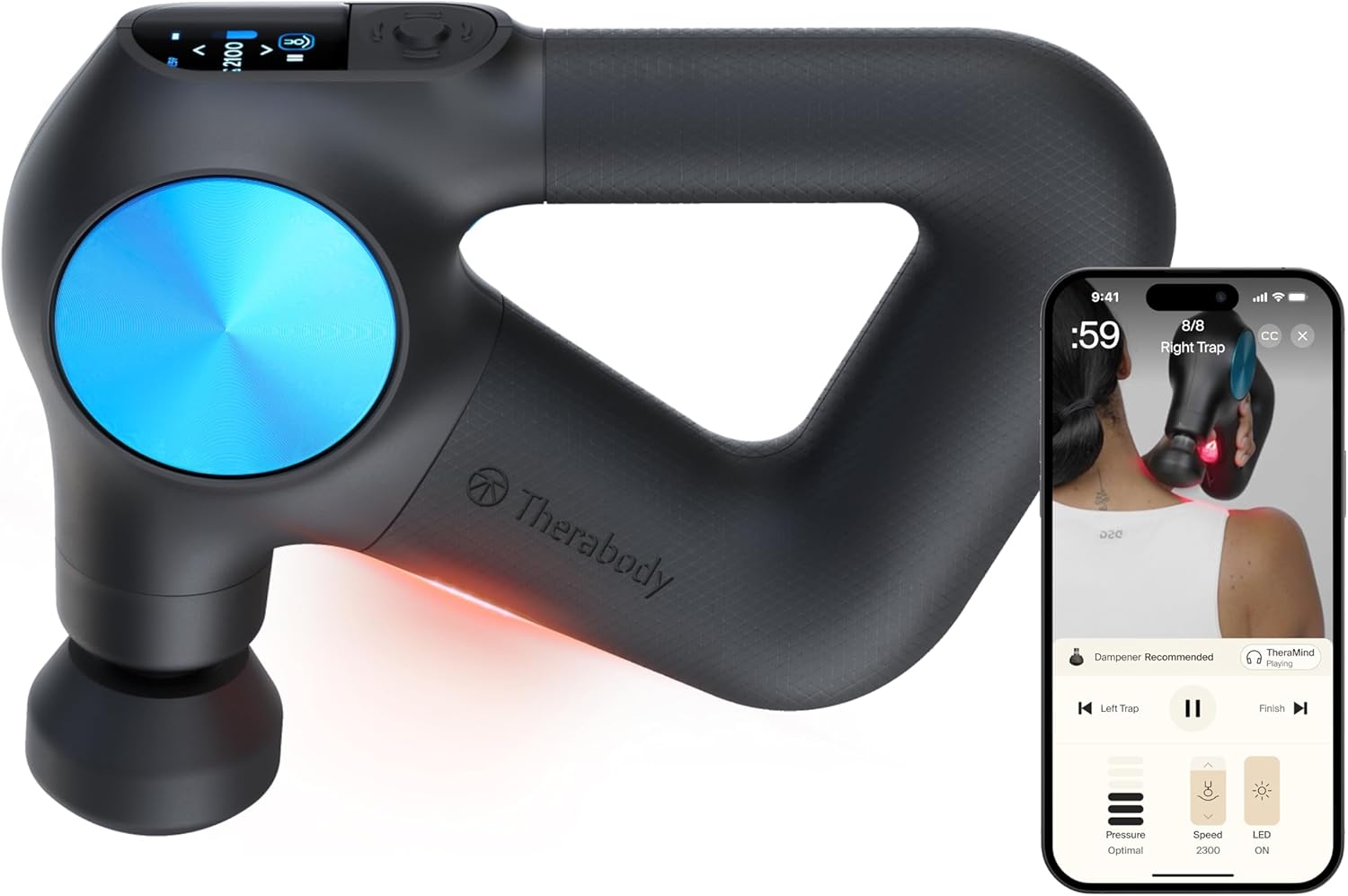
THERAGUN PRO PLUS
⭐ 4.8/5 • Available at Amazon.sg
BEST FOR:
Powerlifters hitting heavy squat and deadlift days who need deep tissue recovery
NOT IDEAL FOR:
Light recreational lifters — overkill if you're not training hard
The 6 attachments cover everything from broad muscle bellies to pinpoint trigger points around the hips.
View on Amazon SG →Common Mistakes to Avoid
Going Too Heavy Too Fast: Your muscles adapt faster than your joints and connective tissue. Give your body time to catch up.
Ignoring Assistance Work: The big three are important, but don't neglect exercises that support them. Rows for bench press, Romanian deadlifts for regular deadlifts, front squats for back squats.
Training Through Pain: Discomfort from exertion is normal. Sharp pain is not. Singapore's healthcare is excellent — use it. A sports medicine doctor costs less than months of rehab.
Comparing Yourself to Others: Everyone's lifting journey is different. Focus on your own progress. That guy squatting 200kg? He's been training for 8 years. Your 60kg squat after 2 months is perfectly normal.
Essential Equipment Investment
While gyms provide the basics, some personal equipment makes a huge difference in your powerlifting journey.
Lifting Shoes: Nike Romaleos or similar weightlifting shoes provide a stable base and slight heel elevation for better squat depth. Game-changer for ankle mobility issues — most Singapore desk-job lifters have terrible dorsiflexion from sitting all day.
Lifting Belt: Once you're squatting and deadlifting over 100kg consistently, a good belt provides core support. Not a crutch — a tool for heavier loads. Check our lifting belt guide for specific recommendations.
Knee Sleeves: For support and warmth, especially useful in air-conditioned Singapore gyms. Our knee sleeves review covers the best options for powerlifters.
Frequently Asked Questions
How long before I see real strength gains?
Noticeable strength improvements happen within 2-4 weeks of consistent training. Significant gains take 3-6 months. Your nervous system adapts first (learning the movement patterns), then muscle growth follows. Don't get discouraged if progress feels slow initially — powerlifting is a marathon, not a sprint.
Do I need a personal trainer for powerlifting?
For beginners, yes — at least for the first few months. Places like Ultimate Performance CBD specialize in powerlifting coaching. Good form prevents injuries and accelerates progress. Once you've mastered the basics, you can train independently. See our trainer vs solo guide for more details.
Can I powerlift if I'm over 40?
Absolutely. Powerlifting is excellent for bone density and functional strength as you age. Start conservatively, focus on mobility work, and be more patient with recovery between sessions. Many successful powerlifters are in their 40s, 50s, and beyond. The key is listening to your body and progressing gradually.
What's a realistic timeline for a 100kg squat?
For most people starting from scratch: 3-6 months of consistent training. Variables include starting strength, body weight, training frequency, and genetics. A 70kg person might take longer than a 90kg person due to leverages. Don't rush it — focus on form first, strength follows naturally.
How do I know if I'm ready for powerlifting competitions?
When you can consistently hit 9/9 lifts in training (3 attempts each for squat, bench, deadlift) and have been training seriously for at least 6-12 months. Your numbers don't need to be elite — beginner competitions welcome all levels. Singapore Powerlifting Federation runs regular meets. It's more about testing yourself than winning.
Should I do cardio while powerlifting?
Light cardio helps with recovery and general health, but don't overdo it. 15-20 minutes of walking or easy cycling after lifting sessions is perfect. Avoid intensive cardio sessions that interfere with strength recovery. If fat loss is a goal, prioritize nutrition over adding excessive cardio volume.
What if my gym doesn't have proper powerlifting equipment?
You need at minimum: squat rack with safety bars, Olympic barbell, bench press setup, and adequate weight plates. If your gym lacks these basics, consider switching to places like Snap Fitness or UFIT CBD. Smith machines and fixed barbells won't cut it for serious powerlifting training.
Your Next Steps
Powerlifting isn't complicated, but it requires commitment. Start with the basics — squat, bench, deadlift — and focus on consistent progression rather than flashy numbers.
If you're serious about getting started, book a trial session at UFIT CBD Hub for top-tier coaching, or check out Snap Fitness Jurong West for solid equipment at reasonable prices.
Remember — everyone started as a beginner. That 200kg deadlifter you see at the gym? They once struggled with 60kg too. Focus on your own journey, stay consistent, and the strength gains will come. For more foundational knowledge, check out our complete strength training guide and barbell basics guide to build your knowledge base.
The iron doesn't lie
Tabata Workout Guide Singapore. Expert Singapore fitness guide with actionable advice, local tips, and gym rec Fitness Guide for Shift Workers Singapore. Expert Singapore fitness guide with actionable advice, local tips, January Fitness Challenge Singapore 2026. Expert Singapore fitness guide with actionable advice, local tips, a Upper Body Workout Guide Singapore. Expert Singapore fitness guide with actionable advice, local tips, and gymRelated Guides
Tabata Workout Guide Singapore
Fitness Guide for Shift Workers Singapore
January Fitness Challenge Singapore 2026
Upper Body Workout Guide Singapore