Barbell Basics for Beginners Singapore
Barbell Basics for Beginners Singapore. Expert Singapore fitness guide with actionable advice, local tips, and gym recommendations.
QUICK ANSWER: BARBELL BASICS FOR BEGINNERS SINGAPORE
Start with bodyweight movements, then progress to empty barbell (20kg), focusing on squat, deadlift, bench press, and overhead press. Best beginner-friendly gyms have quality barbells, safety bars, and patient staff willing to check your form.
Getting Started With Barbells in Singapore
The barbell is probably the most intimidating piece of equipment in any Singapore gym. I spent my first three months avoiding it completely, sticking to machines and dumbbells because I was terrified of looking stupid. Biggest mistake ever.
Here's what I wish someone had told me back then: every single person who looks comfortable with a barbell started exactly where you are now. The difference is they pushed through the awkward phase instead of hiding in the cardio section.
Singapore gyms can be particularly challenging for beginners because most trainers here focus on selling PT packages rather than giving free form checks. You'll need to be more self-reliant than beginners in other countries. But once you nail the basics, barbell training becomes the most efficient way to build real strength.
This guide covers the four fundamental barbell movements every Singaporean should master, plus the best local gyms to learn them safely. No fluff, just the essentials that actually work in our humid, crowded gym environment.
Best Singapore Gyms for Barbell Training
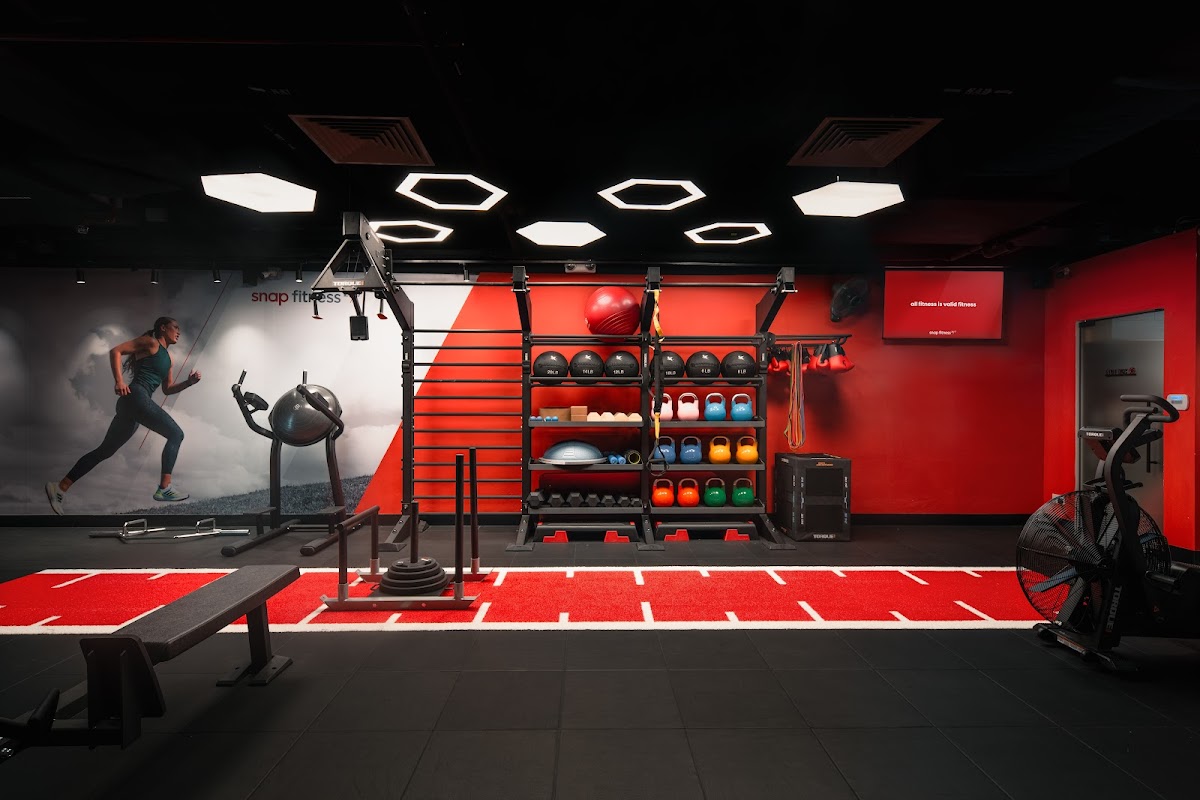
Snap Fitness Woodlands Health
⭐ 5/5 (48 reviews) • $70-120/mo • Woodlands
BEST FOR:
Beginners who want quality equipment without CBD prices
NOT IDEAL FOR:
Advanced powerlifters — only two squat racks
This is where I learned to squat properly. The staff actually know how to spot and give form cues, plus it's never so crowded you can't get a rack. The 24-hour access means you can practice during off-peak hours when you're still figuring out the movements.
View Details →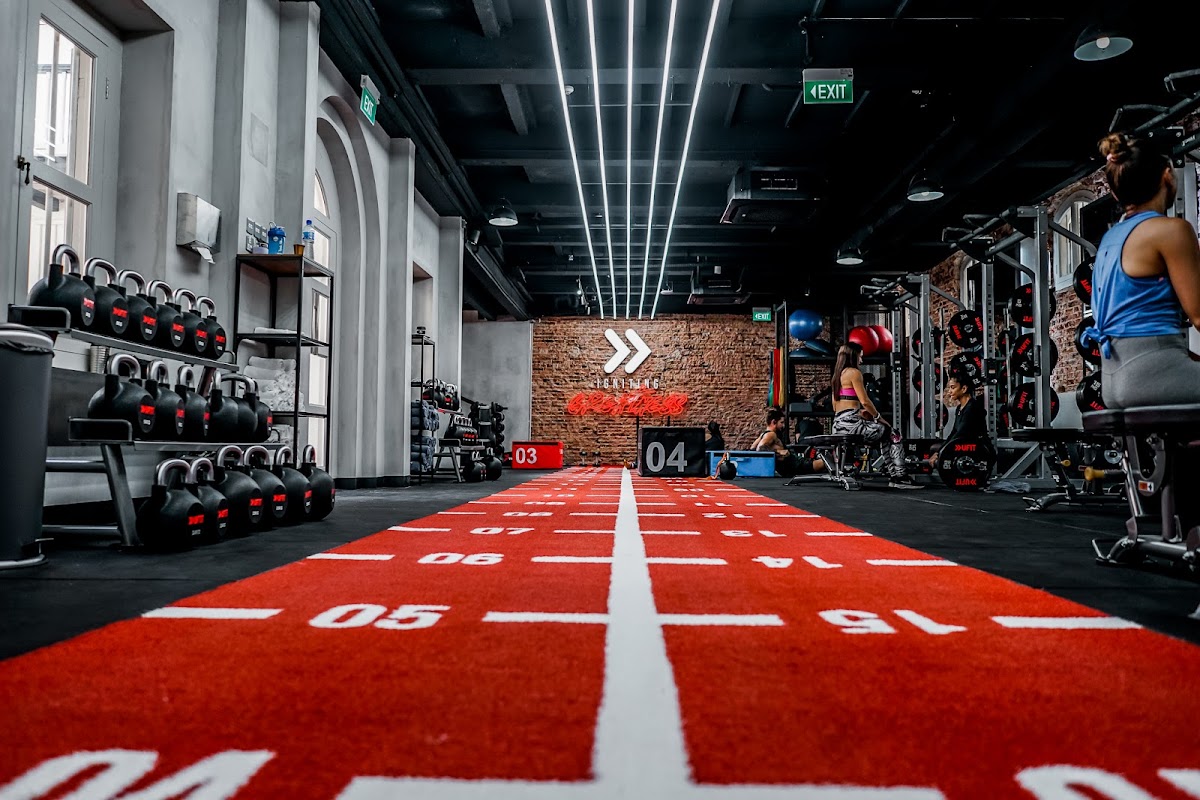
UFIT CBD Hub - Club Street
⭐ 5/5 (477 reviews) • $200-400/mo • CBD
BEST FOR:
CBD professionals who want premium coaching and equipment
NOT IDEAL FOR:
Budget-conscious beginners — this is luxury pricing
Worth every dollar if you can afford it. The trainers here actually understand barbell mechanics and will correct your form without trying to sell you PT packages. Plus the equipment is top-tier — proper Olympic barbells, not the bent bars you find elsewhere.
View Details →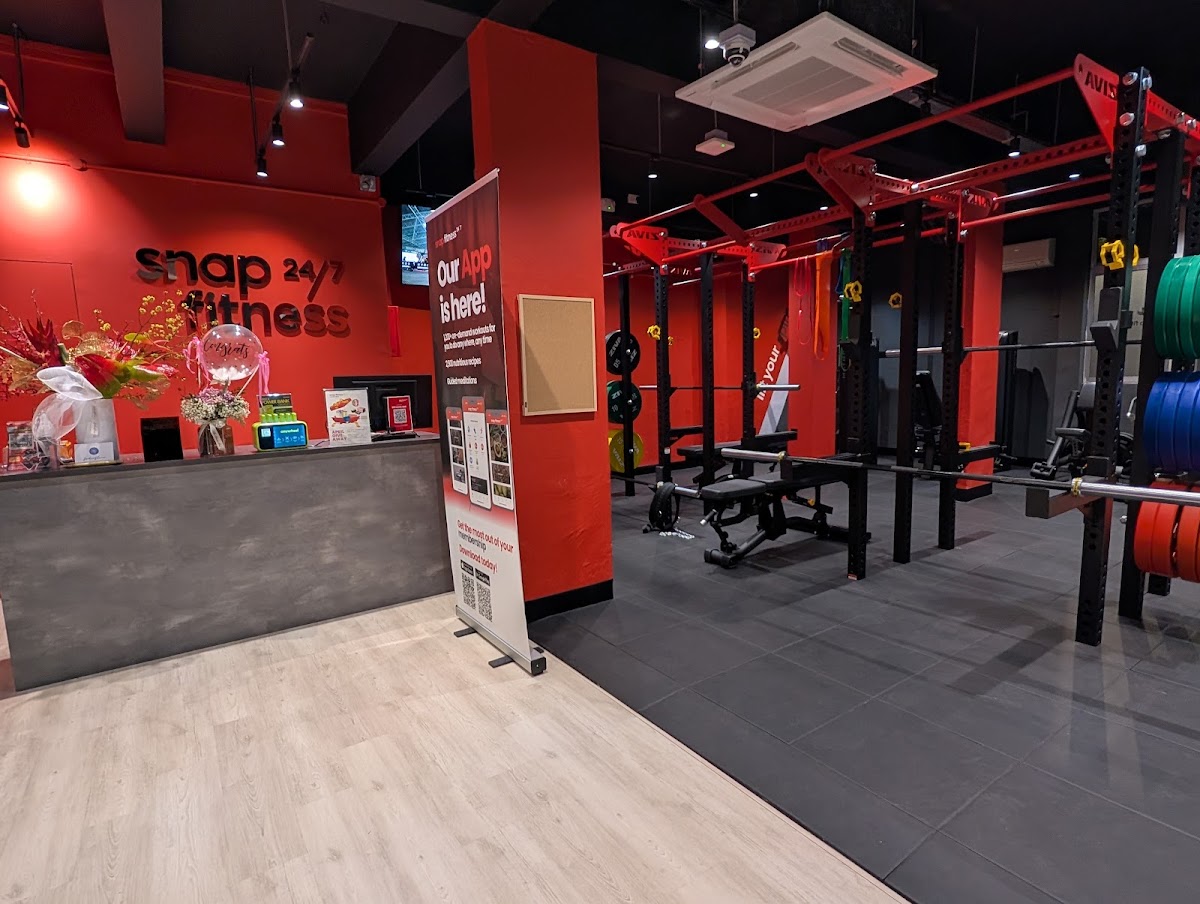
Snap Fitness Jurong West
⭐ 5/5 (203 reviews) • $70-120/mo • Jurong West
BEST FOR:
West siders who want reliable equipment and reasonable prices
NOT IDEAL FOR:
Peak hour lifters — gets crowded 7-9pm weekdays
Solid choice for building barbell fundamentals. The members here are friendly and will spot you if asked. Equipment is well-maintained and they have proper safety bars set at the right height. Perfect for beginners who don't need fancy amenities.
View Details →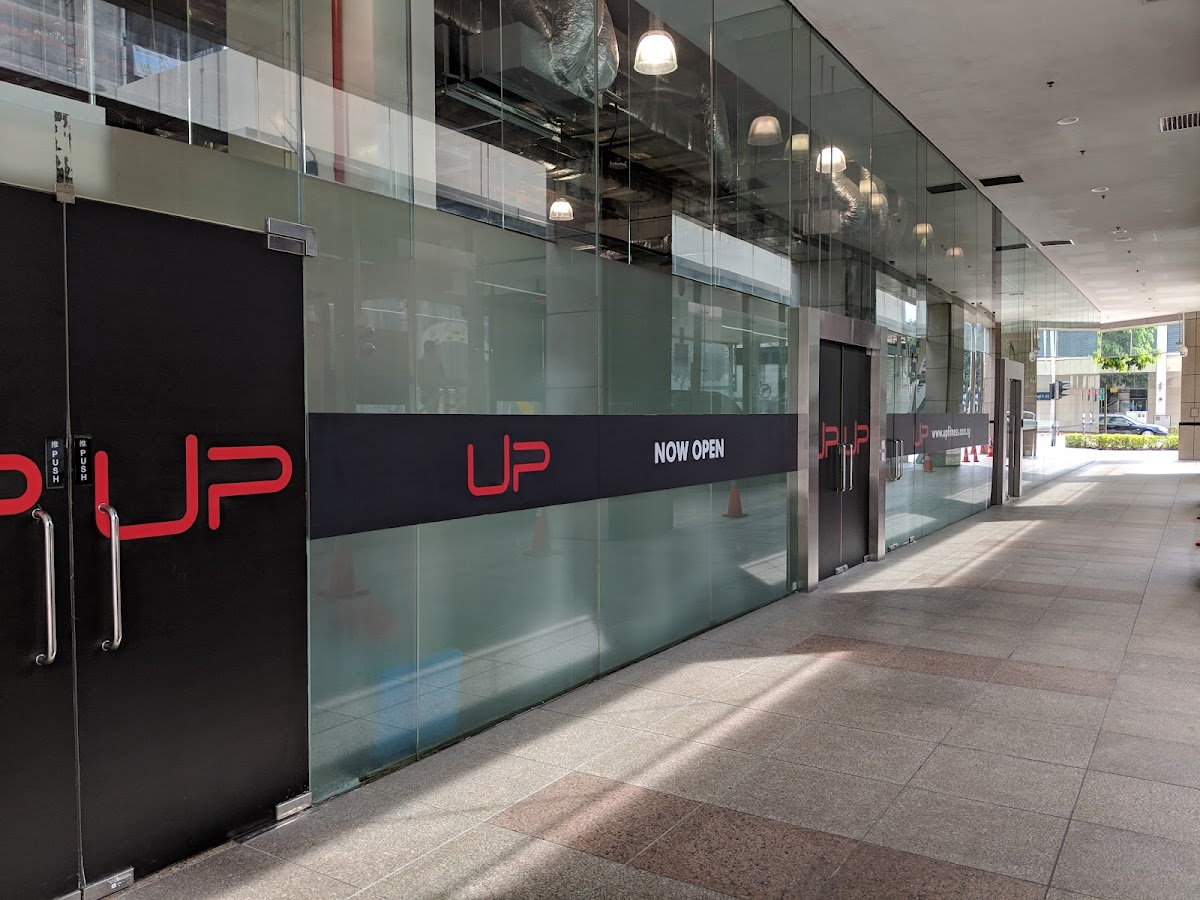
Ultimate Performance Personal Trainers Singapore CBD
⭐ 5/5 (1323 reviews) • Contact for pricing • CBD
BEST FOR:
Serious beginners who want proper coaching from day one
NOT IDEAL FOR:
Self-directed learners — this is PT-focused, not general membership
If you're willing to invest in proper form from the start, this is the gold standard. Their trainers understand barbell mechanics better than anyone in Singapore. Expensive, but you'll learn more in two months here than two years of trial and error elsewhere.
View Details →Gym Equipment Comparison
| Gym | Squat Racks | Olympic Bars | Safety Features |
|---|---|---|---|
| Snap Fitness Woodlands | 2 racks | Yes | Safety bars |
| UFIT CBD | 3 racks | Premium | Full safety |
| Snap Fitness Jurong | 2 racks | Yes | Safety bars |
| Ultimate Performance | Multiple | Competition | Full coaching |
The Four Essential Barbell Movements
Every barbell program in existence is built around these four movements. Master them and you've got 80% of what you need for serious strength gains.
1. The Squat
Start with bodyweight squats until you can do 20 perfect reps. Then progress to goblet squats with a dumbbell. Only touch the barbell when you can goblet squat 20kg for 15 reps.
Form checklist: Feet shoulder-width apart, toes slightly out. Break at the hips first, knees track over toes. Go down until hip crease is just below knee level. Drive through heels to stand up.
Beginner progression: Empty bar (20kg) for 3 sets of 8-12 reps. Add 2.5kg per side each week. Rest 2-3 minutes between sets.
2. The Deadlift
This is where most beginners hurt themselves because they ego-lift. Start light and focus on the hip hinge pattern. If you need a refresher on proper form, check our deadlift guide for detailed technique tips.
Form checklist: Bar over mid-foot, shins touching the bar. Hinge at hips, grab the bar. Chest up, shoulders slightly in front of the bar. Drive through heels and squeeze glutes at the top.
Beginner progression: Start with 40kg (empty bar plus 10kg plates). 3 sets of 5 reps. Add 2.5kg total each week. Rest 3-5 minutes between sets.
3. The Bench Press
Most dangerous lift if you don't know how to fail safely. Always use a spotter or safety bars. Singapore gyms are terrible at teaching bench press technique, so you'll need to be extra careful here.
Form checklist: Shoulder blades pulled back and down. Slight arch in lower back. Bar touches chest at nipple line. Press in a straight line up. For detailed technique, see our bench press guide.
Beginner progression: Empty bar for 3 sets of 8-12 reps. Add 1.25kg per side each week (or use fractional plates if available). Rest 2-3 minutes between sets.
4. The Overhead Press
The most humbling lift. You'll probably start with just the empty bar and that's completely normal. This movement builds incredible shoulder stability and core strength.
Form checklist: Feet hip-width apart. Bar rests on front delts. Press straight up, finishing over the back of your head. Don't arch your back to compensate for poor mobility.
Beginner progression: Empty bar for 3 sets of 5-8 reps. Add 1.25kg per side every 1-2 weeks. Progress is slow on this lift — be patient. Our overhead press guide has mobility work to help you improve faster.
How to Choose Your Training Style
IF YOU'RE: Complete Newbie
Look for: patient staff, safety equipment, off-peak hours to practice, beginner-friendly atmosphere
Best fit: Snap Fitness Woodlands ($70-120/mo)
IF YOU'RE: Former Athlete
Look for: quality equipment, serious training atmosphere, multiple racks, competitive members
Best fit: UFIT CBD ($200-400/mo)
IF YOU'RE: Budget-Conscious
Look for: basic equipment that's well-maintained, reasonable monthly rates, no hidden fees
Best fit: Snap Fitness Jurong ($70-120/mo)
IF YOU'RE: Perfectionist
Look for: expert coaching, proper technique instruction, premium equipment, form video analysis
Best fit: Ultimate Performance (Contact for pricing)
Singapore-Specific Training Tips
Training with barbells in Singapore comes with unique challenges. Here's what I've learned after 8 years of lifting in our climate and gym culture.
Hydration Strategy
You'll sweat more than you think during barbell sessions. Our humidity hits different when you're under load. Bring 1.5L minimum and sip between sets, not just when you feel thirsty. Avoid the gym's overpriced isotonic drinks — plain water with a pinch of salt works better.
Peak Hour Navigation
6-8pm weekdays = death for barbell training. You'll wait 20 minutes for a squat rack. Hit the gym at 11am-2pm weekdays or 8am weekends if possible. Late night (after 9pm) works too if your gym has 24-hour access.
Equipment Hygiene
Wipe down the barbell before you use it. Some people don't shower before coming to the gym and barbells collect all that... residue. Bring your own towel and use it as a barrier on bench press. Trust me on this one.
Form Check Strategy
Most Singapore gym staff can't teach proper barbell technique. Film yourself from the side during your warm-up sets and check form between sessions. Better yet, find one experienced lifter at your gym and ask for feedback — most are happy to help.
Progressive Overload in Humidity
You'll feel weaker on super humid days. That's normal. Don't force progression when the air con isn't working — just maintain current weights and try again next session. Our weather affects performance more than most people realize. For more details on how to progress systematically, check our progressive overload guide.
Consider getting a 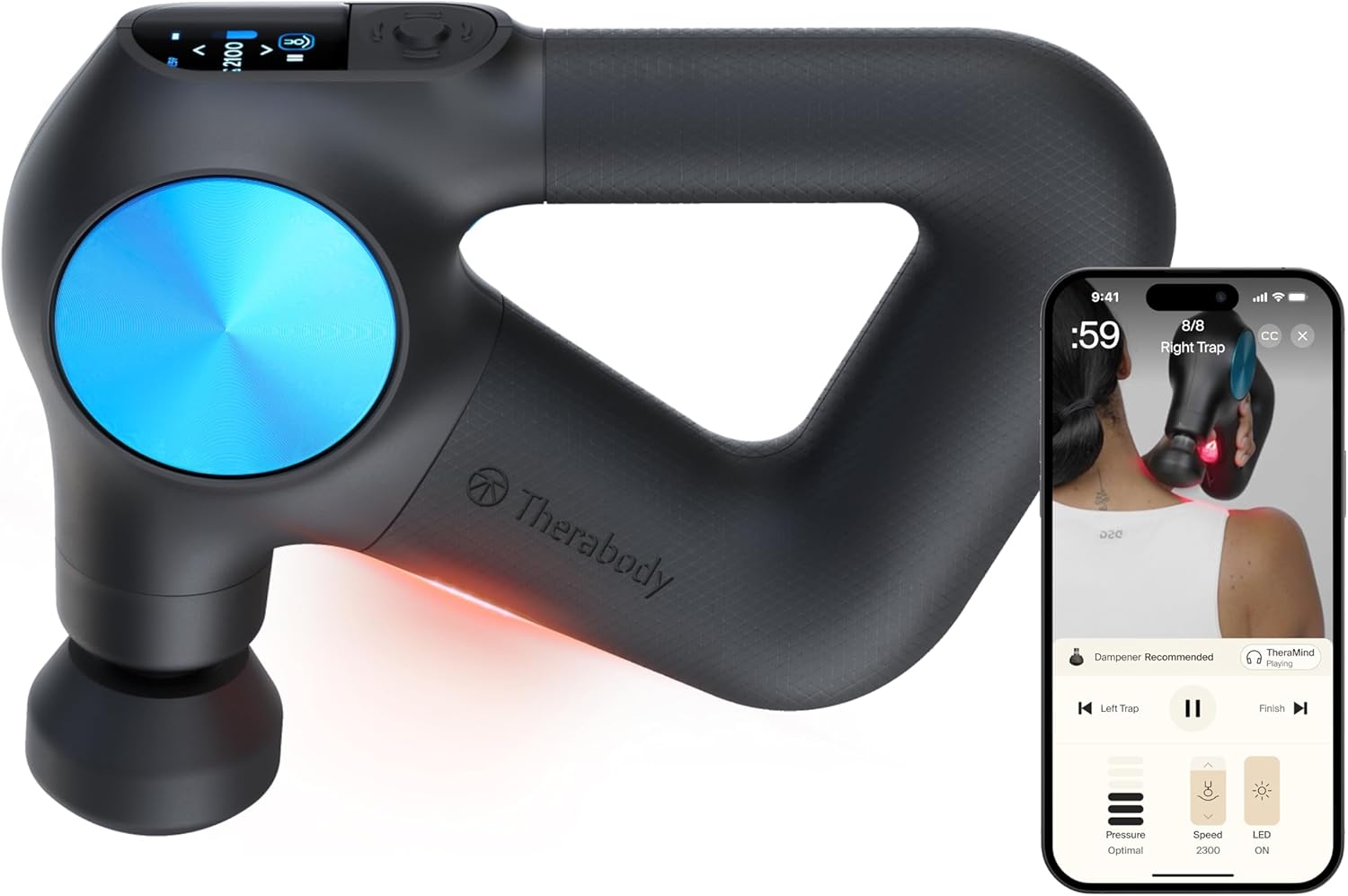 Theragun massage gun for recovery between sessions. The humidity makes muscle stiffness worse, and proper recovery tools become essential when you're lifting heavy consistently.
Common Questions About Barbell Training
How heavy should I start?
Always start with just the empty barbell (20kg). This sounds pathetically light but you need to learn the movement patterns first. I see too many beginners loading up 40-50kg on their first squat attempt and nearly falling over. Master the empty bar for 2-3 sessions, then add 5kg total per week. The weight will catch up quickly once your form is solid.
What if I can't even lift the empty bar?
Completely normal for overhead press and bench press beginners. Use dumbbells or a lighter fixed barbell until you build up to 20kg. Most Singapore gyms have 15kg training bars or you can use the preloaded barbells that start at 10kg. Don't rush this progression — building strength takes time.
How often should I train each lift?
As a beginner, 2-3 times per week per lift gives you the best results. Your nervous system needs frequent practice to learn the movement patterns. I recommend a simple 3-day routine: squat and bench on Monday, deadlift and overhead press on Wednesday, repeat Monday's session on Friday. Rest 48 hours between sessions minimum.
Do I need a lifting belt as a beginner?
Not immediately. Learn to brace your core naturally first. Once you're squatting or deadlifting 1.5x your bodyweight, then consider a belt for your heaviest sets only. If you do invest in one, check out our lifting belt guide for Singapore-specific recommendations. Don't become belt-dependent by using it too early.
What about gym anxiety with barbell training?
Every single person in the squat rack section started as a beginner. Most experienced lifters are actually happy to help with spotting or form checks if you ask politely. Start during off-peak hours when it's less crowded. Our gym anxiety guide has specific strategies for building confidence around the squat racks.
Should I do cardio alongside barbell training?
Some cardio is fine but don't overdo it as a beginner. Your body needs energy to recover from lifting and learn new movement patterns. Stick to 15-20 minutes of light walking or cycling after your barbell session, or do cardio on non-lifting days. Heavy cardio will interfere with strength gains in your first 6 months.
When should I consider getting a personal trainer?
If you can afford it, get 3-5 sessions upfront to learn proper form. It's cheaper than physical therapy later. Ultimate Performance has the best barbell coaches in Singapore, though they're expensive. Alternatively, many experienced lifters at UFIT offer informal coaching for much less than official PT rates.
START YOUR BARBELL JOURNEY TODAY
Ready to build real strength? Pick a gym that matches your budget and commitment level. The hardest part is walking through the door — everything else is just consistent practice.
Final Recommendations
Barbell training isn't just about getting stronger — it's about building confidence and proving to yourself that you can master difficult skills. Every rep teaches you something about consistency, patience, and pushing through discomfort.
Start simple. Pick one gym from this list, learn the four basic lifts, and stick with it for at least 3 months before judging results. Don't overcomplicate things with fancy programs or excessive accessories. The basics work if you work the basics.
Most importantly, don't let perfect be the enemy of good. You don't need perfect form to start — you need to start to develop good form. Every expert was once a beginner who refused to quit.
For additional guidance on building a complete routine, check our complete beginner's guide and realistic timeline expectations. Remember — consistency beats perfection every single time.
Related Guides
Dumbbell Basics for Beginners Singapore
Dumbbell Basics for Beginners Singapore. Expert Singapore fitness guide with actionable advice, local tips, an
Treadmill Guide for Beginners Singapore
Treadmill Guide for Beginners Singapore. Expert Singapore fitness guide with actionable advice, local tips, an
Cable Machine Guide for Beginners Singapore
Cable Machine Guide for Beginners Singapore. Expert Singapore fitness guide with actionable advice, local tips
Elliptical Guide for Beginners Singapore
Elliptical Guide for Beginners Singapore. Expert Singapore fitness guide with actionable advice, local tips, a