
Strength Training Guide Singapore 2026
Strength Training Guide Singapore 2026. Expert Singapore fitness guide with actionable advice, local tips, and gym recommendations.
OnWhey is our own supplement brand.
QUICK ANSWER: STRENGTH TRAINING GUIDE SINGAPORE
Focus on compound movements first — squat, deadlift, bench press, overhead press. Start with 3 sessions per week, progressively add 2.5-5kg weekly. Singapore's humidity requires extra water breaks and sweat towels.
Getting Strong in Singapore: The Real Deal
Strength training here isn't just about looking good — it's about building functional power that carries over to everything from moving house to carrying groceries up 4 flights of stairs when the lift breaks down (again).
The humidity changes everything. You'll sweat twice as much, need more water breaks, and your grip will slip if you don't plan for it. But Singapore actually has some world-class strength training facilities once you know where to look.
This isn't another generic "5 best exercises" article.
The Big 4: Your Strength Foundation
Everything else is bonus. Master these four movements and you'll be stronger than 90% of gym-goers in Singapore:
1. THE SQUAT
What it builds: Legs, core, and the mental toughness to handle Singapore's stairs when escalators break
Starting point: Bodyweight squats for 2 weeks, then add a 20kg barbell
Progression: 3 sets of 5 reps, add 2.5kg per session for beginners
Form cues: Feet shoulder-width apart, knees track over toes, chest up, hip crease below knee cap. In Singapore's humidity, chalk up your hands — most good gyms provide it.
Full depth beats heavy weight every time.
2. THE DEADLIFT
What it builds: Posterior chain — your back, glutes, hamstrings. The "pick heavy things up" muscle group.
Starting point: Practice with a broomstick at home, then start with 40kg at the gym
Progression: 1 set of 5 reps (it's that taxing), add 5kg per session initially
Form cues: Bar over mid-foot, shoulders over bar, squeeze the floor with your feet. Breathe at the top, not during the lift.
Singapore gym reality: Most places don't have proper deadlift platforms. UFIT CBD Hub does, which is why serious lifters pay the premium.
3. THE BENCH PRESS
What it builds: Chest, shoulders, triceps. The movement everyone asks about.
Starting point: Push-ups until you can do 20, then try the 20kg barbell
Progression: 3 sets of 5 reps, add 2.5kg per session
Form cues: Retract shoulder blades, slight arch in lower back, bar touches lower chest. Control the descent, pause briefly, drive up.
Peak hour reality: Bench press stations are golden at Singapore gyms between 6-8pm. Get there early or have a backup plan.
4. THE OVERHEAD PRESS
What it builds: Shoulders, core stability, and functional pressing power
Starting point: Empty 20kg barbell (this is harder than it looks)
Progression: 3 sets of 5 reps, add 1.25kg per session (slowest progression of the big 4)
Form cues: Start at shoulder height, press straight up, head moves forward as bar passes face, lockout overhead with shoulders active.
Equipment check: You need proper ceiling height for this. Low-ceiling gyms in HDB void decks won't work — you'll hit the lights.
Your 12-Week Strength Program
Simple, proven, and it works even when you're dealing with crowded gyms and equipment that might not be perfect.
WEEKS 1-4: FOUNDATION PHASE
Workout A (Monday/Friday)
- • Squat: 3 sets x 5 reps
- • Bench Press: 3 sets x 5 reps
- • Barbell Row: 3 sets x 5 reps
- • Rest: 3-5 minutes between sets
Workout B (Wednesday)
- • Squat: 3 sets x 5 reps
- • Overhead Press: 3 sets x 5 reps
- • Deadlift: 1 set x 5 reps
- • Rest: 3-5 minutes between sets
Week 1: Start with just the barbell (20kg) for all exercises. Focus 100% on form. Week 2-4: Add 2.5kg per session for squat/bench/row, 1.25kg for overhead press, 5kg for deadlift.
WEEKS 5-8: STRENGTH BUILDING
Same exercises, but now we add volume:
All Main Lifts
- • Squat/Bench/Row: 5 sets x 3 reps
- • Overhead Press: 5 sets x 3 reps
- • Deadlift: 3 sets x 3 reps
Progression slows down: Add weight every other session instead of every session. Your body needs time to adapt to heavier loads.
WEEKS 9-12: PEAK STRENGTH
Time to test your limits:
Periodization
- • Week 9: 5 sets x 2 reps at 90% of your Week 8 max
- • Week 10: 3 sets x 1 rep at 95% of your Week 8 max
- • Week 11: Find your new 1-rep max
- • Week 12: Deload — 3 sets x 5 reps at 60% of your new max
This is where having a reliable gym matters. You need consistent equipment and hopefully a training partner for safety on max attempts.
Best Singapore Gyms for Strength Training
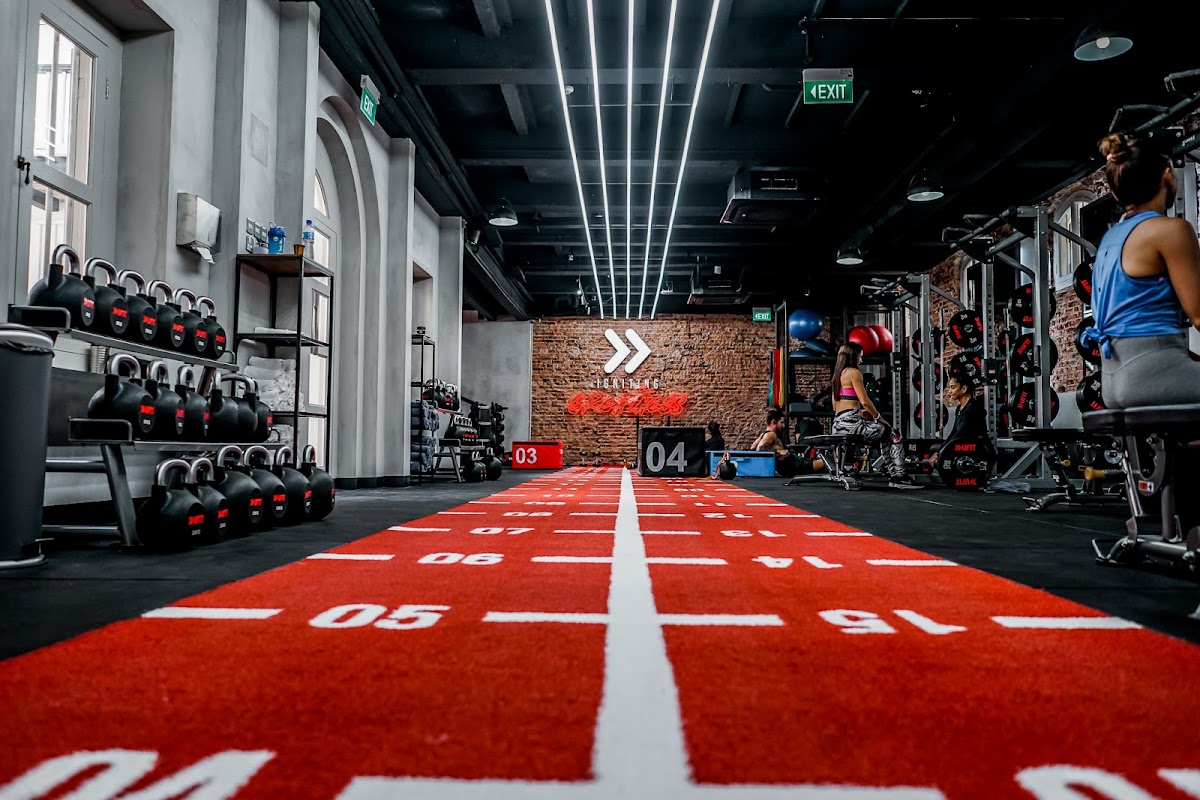
UFIT CBD HUB - CLUB STREET
⭐ 5/5 (477 reviews) • $200-400/mo • CBD
BEST FOR:
Serious lifters who want premium equipment and expert coaching
NOT IDEAL FOR:
Casual gym-goers — the culture here is intense and focused
This is where Singapore's strength athletes train. Proper Olympic platforms, bumper plates, and coaches who actually know the difference between a clean and a curl. The equipment is Rogue and Eleiko — the stuff powerlifting competitions use. Yes, it's expensive, but you get what you pay for.
View Details →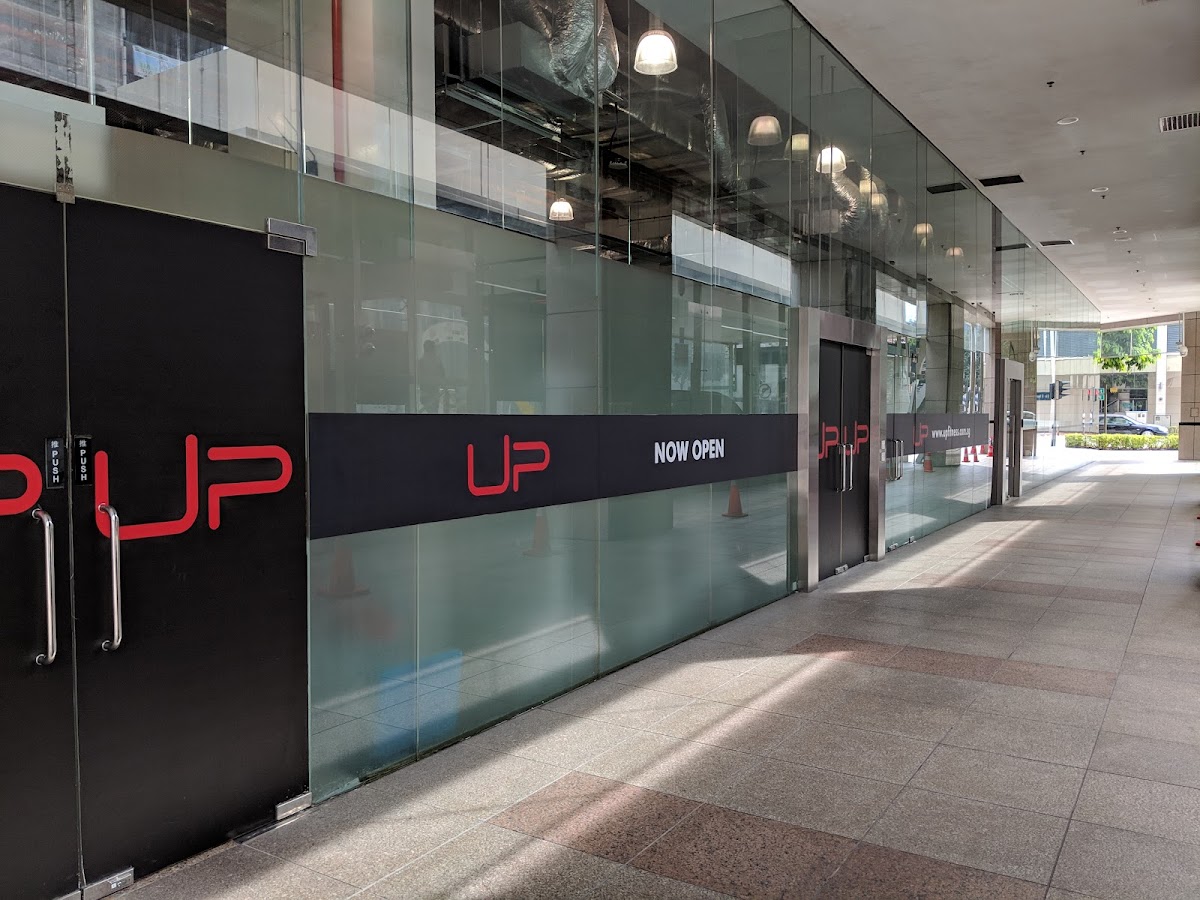
ULTIMATE PERFORMANCE CBD
⭐ 5/5 (1323 reviews) • Contact for pricing • CBD
BEST FOR:
Results-focused training with world-class personal trainers
NOT IDEAL FOR:
DIY lifters who want to train alone
This is personal training done right. Every client gets a customized strength program based on proper movement assessment. The trainers here have worked with professional athletes, and it shows. If you can afford it, this is the fastest way to learn proper lifting technique.
View Details →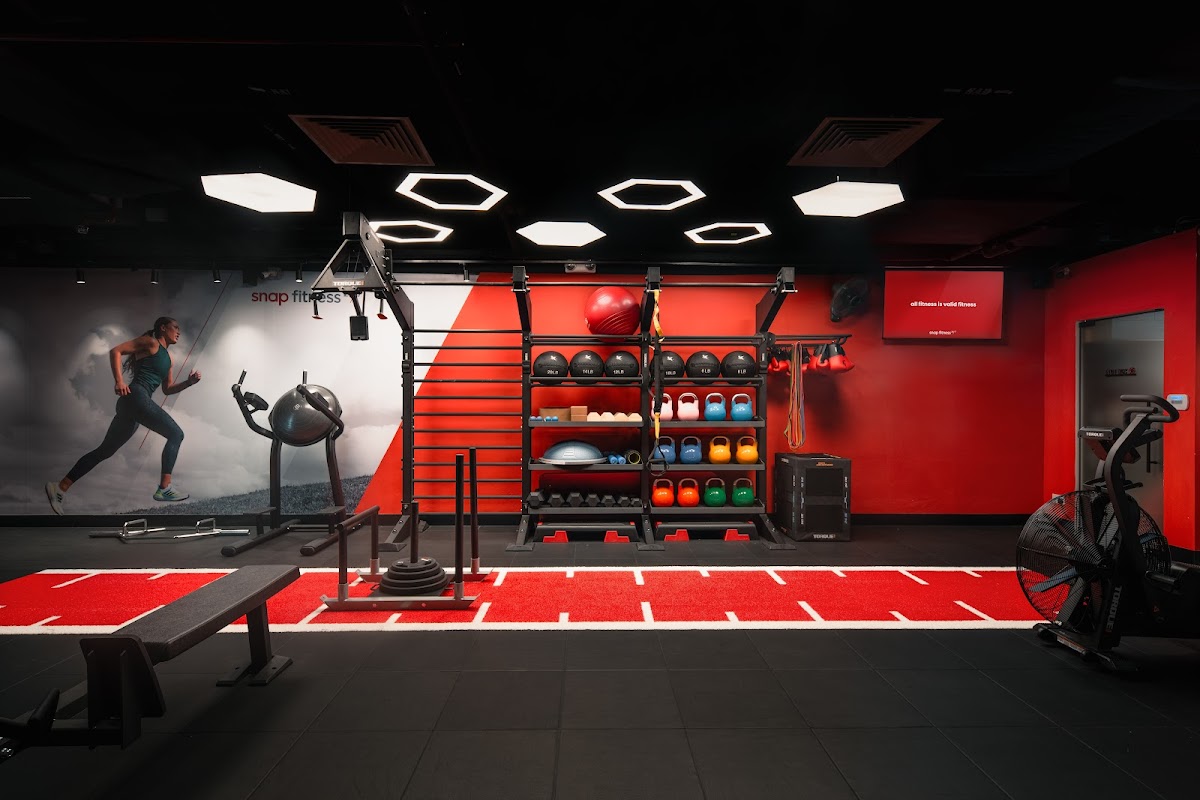
SNAP FITNESS WOODLANDS HEALTH
⭐ 5/5 (48 reviews) • $70-120/mo • Woodlands
BEST FOR:
Beginners who want affordable access to proper strength equipment
NOT IDEAL FOR:
Advanced powerlifters who need specialty bars and platforms
Solid basics done well. Good squat rack, Olympic barbell, plenty of plates up to serious weight. The 24-hour access means you can avoid peak crowds. Not fancy, but everything you need for the Big 4 movements. The $15 day pass is perfect for testing it out.
View Details →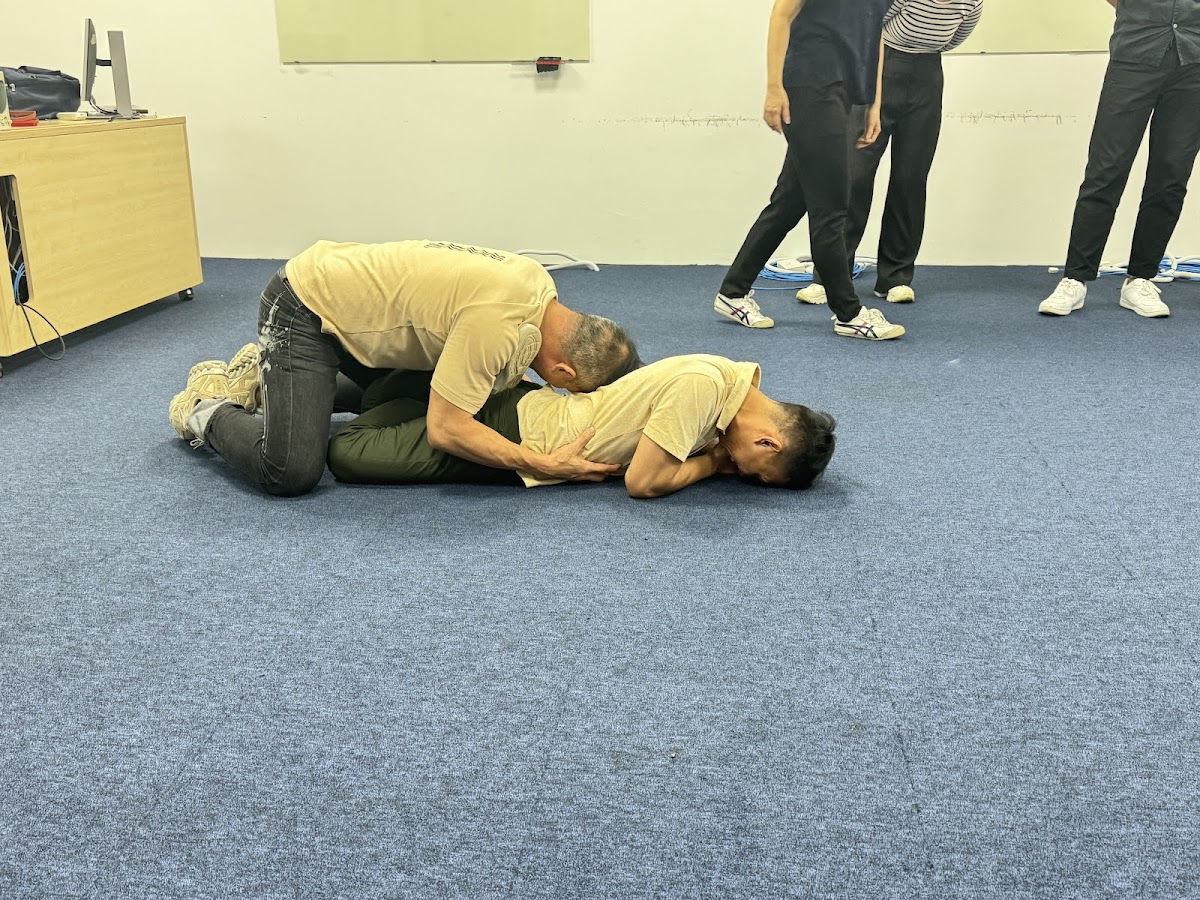
U-ELITE MARTIAL FITNESS
⭐ 5/5 (1862 reviews) • Contact for pricing • Gambas
BEST FOR:
Athletes who want strength training plus functional movement
NOT IDEAL FOR:
Pure powerlifters who only care about the big 3 lifts
This place bridges strength training and athletic performance. You'll build muscle and power, but also agility, coordination, and mental toughness. The martial arts background shows in their approach to training — disciplined, progressive, results-focused.
View Details →Quick Comparison: Where to Train
| Gym | Price Range | Equipment Quality | Best For |
|---|---|---|---|
| UFIT CBD Hub | $200-400/mo | Premium | Serious lifters |
| Ultimate Performance | Contact | Premium | Personal training |
| Snap Fitness | $70-120/mo | Good | Beginners |
| U-Elite | Contact | Excellent | Athletes |
How to Choose Your Approach
IF YOU'RE: Completely New to Lifting
Start with bodyweight movements for 2 weeks, then join a beginner-friendly gym with good equipment basics
Best fit: Snap Fitness Woodlands ($70-120/mo)
IF YOU'RE: Serious About Getting Strong
Invest in proper equipment and coaching. Your form matters more than your ego.
Best fit: UFIT CBD Hub ($200-400/mo)
IF YOU'RE: Recovering from Injury
Get professional assessment before starting. Some gyms have physiotherapists on staff.
Best fit: Ultimate Performance (Contact for pricing)
IF YOU'RE: Building Athletic Performance
Look for functional strength training that carries over to your sport
Best fit: U-Elite (Contact for pricing)
Singapore-Specific Strength Training Tips
Use the checks below to prepare equipment, choose manageable loads and record your sessions. Ask an instructor about an unfamiliar lift or setup before increasing its difficulty.
1. HYDRATION STRATEGY
You'll sweat 2-3 times more than in temperate climates. Start drinking water 30 minutes before your workout, not during.
Bring a 1.5L bottle minimum. Most gyms have water fountains, but they're often warm and taste terrible.
Pro tip: Coconut water post-workout replaces electrolytes better than sports drinks. 7-Eleven sells it everywhere.
2. PEAK HOUR NAVIGATION
6-8pm is chaos at every Singapore gym. Squat racks become extinct, bench press turns into a waiting game.
Best times: 6-8am (before work), 2-4pm (lunch crowd thins out), or after 9pm. 24-hour gyms like Snap Fitness give you options.
Emergency backup: Have a bodyweight routine ready. Singapore's humidity makes push-ups and squats surprisingly challenging.
3. GRIP AND CHALK MANAGEMENT
Sweaty hands = dropped weights = potential injury. Most Singapore gyms provide chalk, but it's often old and clumpy.
Bring your own gymnastics chalk (or liquid chalk if your gym doesn't allow powder). Your deadlifts will thank you, and the chalk pots most SG gyms supply are usually crusted-over and useless.
Backup plan: Gym gloves work but reduce grip strength development. Use sparingly.
4. EQUIPMENT SUBSTITUTIONS
Not every Singapore gym has Olympic platforms or proper barbells. Know your alternatives:
- • No squat rack? Goblet squats with heavy dumbbells
- • No Olympic barbell? Smith machine (not ideal, but works)
- • No deadlift platform? Trap bar or rack pulls
- • Broken bench? Floor press with dumbbells
Don't let equipment limitations kill your workout. Adapt and continue.
5. POST-WORKOUT RECOVERY
Singapore's heat extends your recovery time. Your body works overtime to cool down after lifting.
Cool shower immediately after training, then proper nutrition within 30 minutes. Cai png with extra protein works if you're budget-conscious. A percussion massage gun on quads, glutes, and lats helps a lot with muscle recovery between sessions.
Sleep is crucial — aim for 7+ hours in air conditioning. Your strength gains happen during recovery, not during the workout.
Common Form Mistakes (And How to Fix Them)
Fix these and you'll progress faster while staying injury-free:
SQUAT: KNEE CAVE
What it looks like: Knees collapse inward during the squat
Why it happens: Weak glutes, tight ankles, or going too heavy too fast
Fix: Cue "knees out" throughout the movement. Add glute bridges and calf stretches to your warm-up.
DEADLIFT: ROUNDED BACK
What it looks like: Upper back curves forward, looks like you're doing the limbo
Why it happens: Weak lats, trying to lift too much weight
Fix: "Proud chest" cue, shoulders back and down. Drop the weight until you can maintain position.
BENCH: BOUNCING OFF CHEST
What it looks like: Bar slams into chest then bounces up
Why it happens: Ego lifting, trying to move more weight
Fix: Light touch to chest, brief pause, controlled press up. Quality over quantity.
OVERHEAD PRESS: ARCHING BACK
What it looks like: Back bends backward to help push the weight up
Why it happens: Weight is too heavy, weak core
Fix: Squeeze glutes and abs tight throughout. If you can't press it strict, it's too heavy.
A local option worth comparing before you order: OnWhey sells ONWHEY PRIME (US$69.90, about S$90) with 25g protein per serving from a whey isolate and concentrate blend, with digestive enzymes and probiotics, 30 servings per 1kg tub, which works out to roughly S$3.00 a serving, shipped from Singapore.
Frequently Asked Questions
How long before I see strength gains?
Neurological gains (feeling stronger) happen in 2-3 weeks. Visible muscle changes take 6-8 weeks. Significant strength increases take 12+ weeks of consistent training. Singapore's heat can slow recovery slightly, so be patient with the process. Our realistic timeline guide covers this in detail.
Should I lift every day?
No. Strength training breaks down muscle tissue — growth happens during recovery. Aim for 3-4 sessions per week with at least one full rest day between sessions. In Singapore's humidity, your body needs extra recovery time. Listen to it.
What if I can't afford premium gyms like UFIT?
Start with ActiveSG gyms at $2.50 per session. Basic equipment, but everything you need for the Big 4 movements. Once you've built a base, consider upgrading to places like Snap Fitness for better equipment and hours.
Is it safe to lift alone?
For most exercises, yes, with proper setup. Use safety bars on squat racks, don't attempt max lifts without a spotter, and leave your ego at the door. Many Singapore gyms have good safety equipment. For bench pressing, ask someone nearby to spot you — most people are happy to help.
What about supplements?
Focus on food first. Get 1.6-2.2g protein per kg bodyweight daily. Cai png with extra meat, chicken rice, or fish soup work well. If you can't hit protein targets through food, whey protein powder is convenient. Creatine (3-5g daily) is the only supplement with solid strength training evidence.
Can I build strength at home?
To a point, yes. Bodyweight progressions, resistance bands, and adjustable dumbbells can take you far. But for serious strength gains, you need progressive overload with heavy weights. Check our home gym guide for Singapore-specific equipment recommendations that fit small spaces.
What if I plateau?
Plateaus happen to everyone. First, check your basics: eating enough protein, sleeping 7+ hours, managing stress. If those are good, try changing rep ranges, adding pause reps, or taking a deload week at 60% of normal weight. Sometimes backing off helps you break through.
Your
Related Guides
IPPT Training Guide Singapore: Pass with Flying Colors
IPPT Training Guide Singapore: Pass with Flying Colors. Expert Singapore fitness guide with actionable advice,
Marathon Training Guide Singapore 2026
Marathon Training Guide Singapore 2026. Expert Singapore fitness guide with actionable advice, local tips, and
Functional Training Guide Singapore 2026
Functional Training Guide Singapore 2026. Expert Singapore fitness guide with actionable advice, local tips, a
Triathlon Training Guide Singapore
Triathlon Training Guide Singapore. Expert Singapore fitness guide with actionable advice, local tips, and gym
Related Guides
IPPT Training Guide Singapore: Pass with Flying Colors
IPPT Training Guide Singapore: Pass with Flying Colors. Expert Singapore fitness guide with actionable advice,
Marathon Training Guide Singapore 2026
Marathon Training Guide Singapore 2026. Expert Singapore fitness guide with actionable advice, local tips, and
Functional Training Guide Singapore 2026
Functional Training Guide Singapore 2026. Expert Singapore fitness guide with actionable advice, local tips, a
Triathlon Training Guide Singapore
Triathlon Training Guide Singapore. Expert Singapore fitness guide with actionable advice, local tips, and gym