
Flexibility & Stretching Guide Singapore
Flexibility & Stretching Guide Singapore. Expert Singapore fitness guide with actionable advice, local tips, and gym recommendations.
OnWhey is our own supplement brand.
QUICK ANSWER: Best Flexibility & Stretching Guide Singapore
A flexibility routine can help you work on range of motion. Start with a gentle warm-up, then use controlled stretches that do not cause pain. Mayo Clinic’s stretching guidance explains how to warm up and stretch; it does not promise a fixed percentage reduction in gym injuries.
Why Flexibility Training Matters in Singapore
Look around any Singapore office and you'll see the same thing: hunched shoulders, forward head posture, tight hip flexors from sitting 8+ hours daily. Add in our humid climate (which actually helps with flexibility but most people don't capitalize on it) and you've got a recipe for chronic stiffness that turns into real problems by your 30s.
The good news? Singapore's year-round warmth means your muscles are always ready to stretch (no need for 10-minute warm-ups like in colder climates). The challenge is finding the right approach that fits our hectic work schedules and actually produces results.
This guide covers proper stretching techniques, progressive routines you can do anywhere, and which Singapore gyms have the best facilities for flexibility training. Whether you're dealing with desk job stiffness or looking to improve athletic performance, you'll walk away with a clear plan that takes 15-30 minutes daily and delivers real results. Plus insights on complementing your routine with our proper warm-up guide and post-workout recovery strategies.
The Singapore Flexibility Program
Duration: 4-week progressive program
Frequency: Daily for best results (minimum 4x/week)
Time commitment: 15-30 minutes
Equipment needed: Yoga mat, resistance band, foam roller (optional but recommended)
Week 1-2: Foundation Phase
Start with basic static stretches held for 20-30 seconds each. Don't push to the point of pain — mild discomfort is fine, sharp pain means stop immediately. Singapore's humidity means you'll sweat even during gentle stretching, so have a towel ready.
Morning Routine (10 minutes)
- Neck rolls: 5 each direction (counteract phone neck from MRT scrolling)
- Shoulder shrugs: 10 reps, hold for 2 seconds
- Cat-cow stretches: 10 reps (great for office workers)
- Standing forward fold: Hold 30 seconds
- Standing quad stretch: 30 seconds each leg
- Calf stretch against wall: 30 seconds each leg
Evening Routine (15 minutes)
- Hip flexor stretch (lunge position): 45 seconds each side
- Pigeon pose: 60 seconds each side (the single best stretch for desk workers)
- Seated spinal twist: 30 seconds each direction
- Hamstring stretch (lying down): 45 seconds each leg
- Figure-4 hip stretch: 45 seconds each side
- Child's pose: Hold for 60 seconds to finish
Week 3-4: Progressive Phase
Increase hold times to 45-60 seconds and add dynamic movements. You should notice improved range of motion by now — if not, you're either not consistent enough or pushing too hard (both common mistakes).
Advanced Routine (20-25 minutes)
- Dynamic leg swings: 10 each direction, both legs
- Deep lunge with rotation: 10 reps each side
- Standing backbend: Hold 30 seconds (careful with this one)
- Seated forward fold (legs together): 60 seconds
- Seated side bend: 45 seconds each side
- Supine spinal twist: 60 seconds each direction
- Happy baby pose: 60 seconds
- Legs up the wall: 2-3 minutes (amazing after long days)
Singapore-Specific Modifications
Hydration is critical: You'll sweat more than expected, even during gentle stretching. Keep water nearby and sip throughout your routine.
Timing matters: Early morning (6-7am) or late evening (after 9pm) work best. Avoid midday stretching unless you're in air-con — the heat becomes counterproductive.
Space considerations: Most HDB rooms are tight. All these stretches can be done in a 6x6 foot area. If you're in a studio apartment, consider getting a quality yoga mat like the Manduka PRO that you can roll out and store easily.
Recovery integration: Singapore gym-goers often skip recovery entirely. Add 5-10 minutes of stretching after every workout — your future self will thank you. For serious recovery, consider investing in a 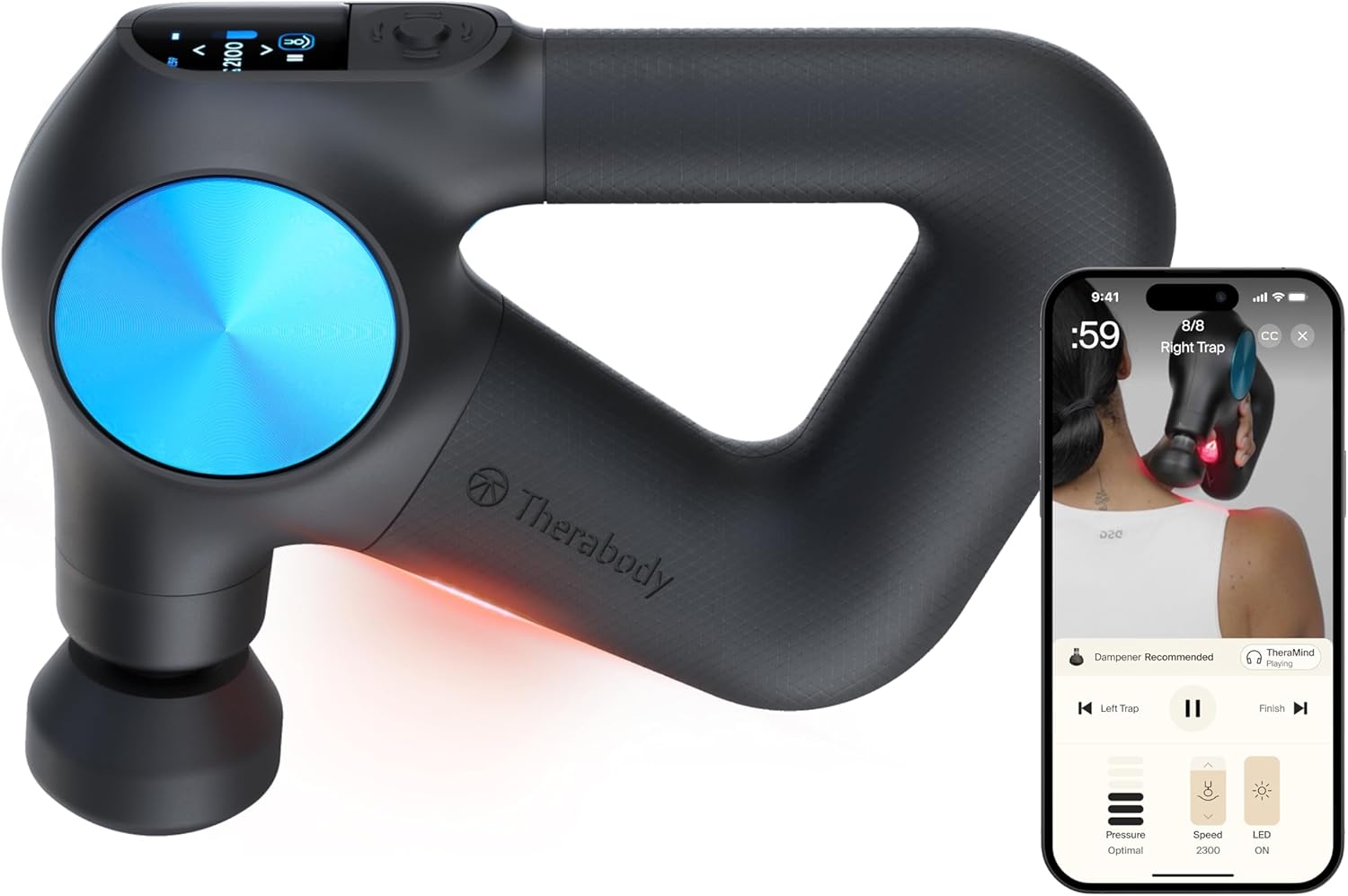 Theragun PRO massage gun to complement your stretching routine.
Best Singapore Gyms for Flexibility Training
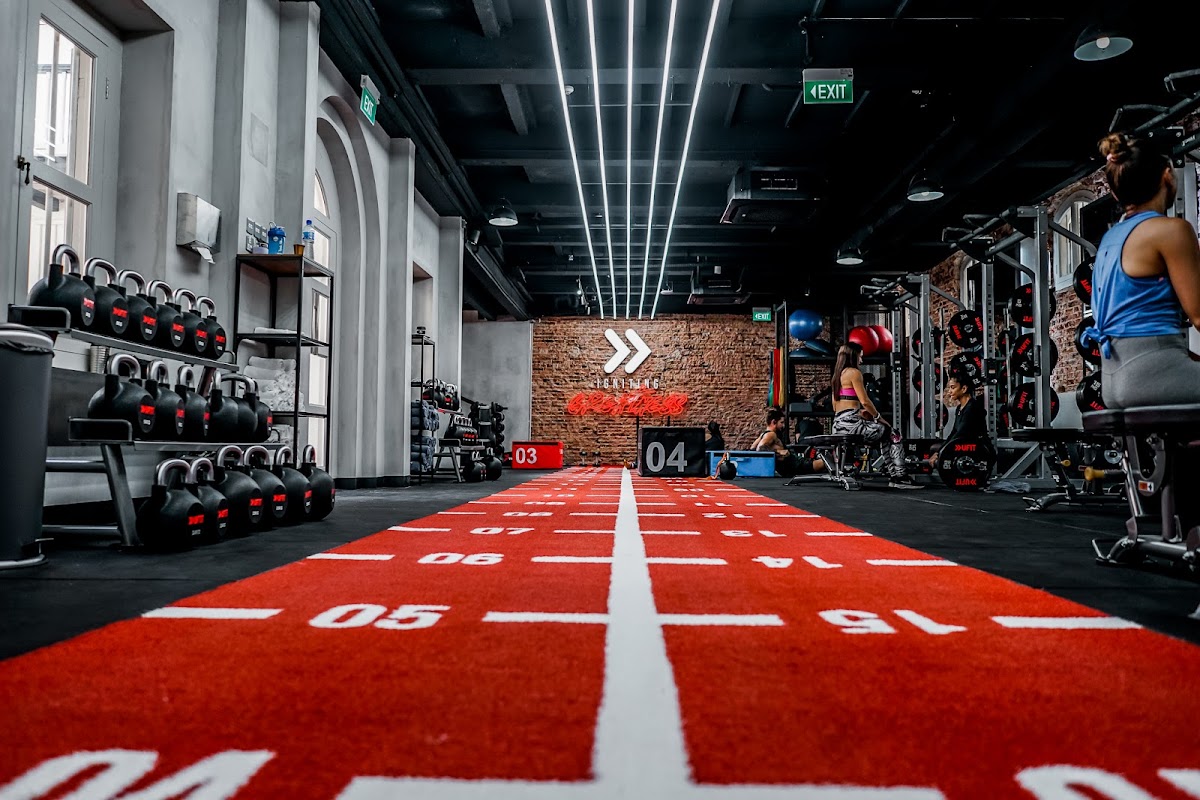
UFIT CBD HUB - CLUB STREET
⭐ 5/5 (477 reviews) • $200-400/mo • CBD
BEST FOR:
Professionals who want premium mobility classes and recovery facilities
NOT IDEAL FOR:
Budget-conscious beginners — this is premium pricing for premium service
The gold standard for functional movement and flexibility training in Singapore. Their mobility-focused classes are taught by movement specialists, not just fitness instructors who learned stretching from YouTube. The recovery area includes proper stretching mats, massage balls, and foam rollers. Worth the price if flexibility is your primary goal.
View Details →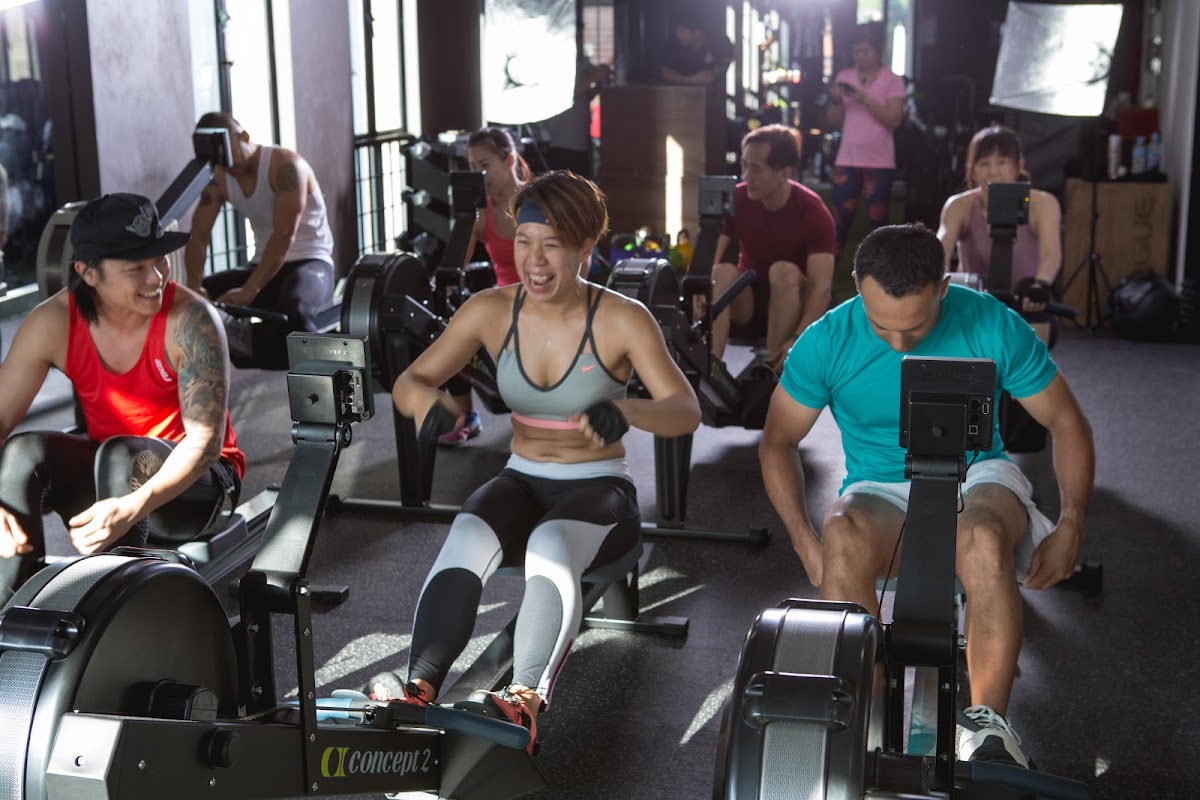
PULSE LAB
⭐ 5/5 (34 reviews) • Contact for pricing • Arab Street
BEST FOR:
Serious athletes needing comprehensive movement assessment and correction
NOT IDEAL FOR:
Casual stretchers — this is performance-focused training
More physiotherapy clinic than gym, but that's exactly what makes them excellent for flexibility training. They identify movement restrictions you didn't know you had and create personalized programs to fix them. Small space means individual attention. Book a movement screening first — it's eye-opening.
View Details →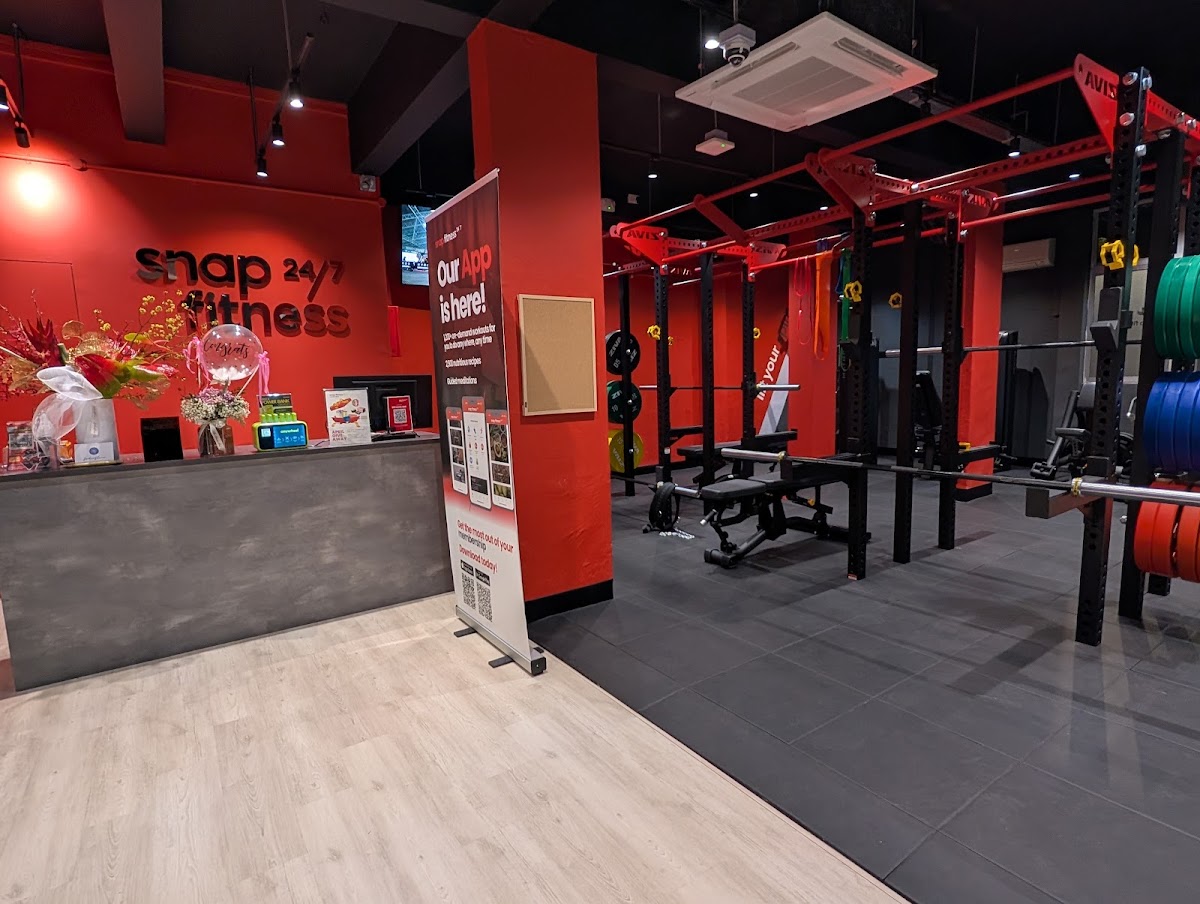
SNAP FITNESS JURONG WEST
⭐ 5/5 (203 reviews) • $70-120/mo • Jurong West
BEST FOR:
24-hour access for early morning or late night flexibility routines
NOT IDEAL FOR:
Group classes — they focus more on equipment than programming
Best value for self-directed stretching routines. The 24-hour access means you can stretch when it works for your schedule (crucial for shift workers or parents). Dedicated stretching area with mats and basic tools. Not fancy, but it gets the job done at a price that won't break your budget.
View Details →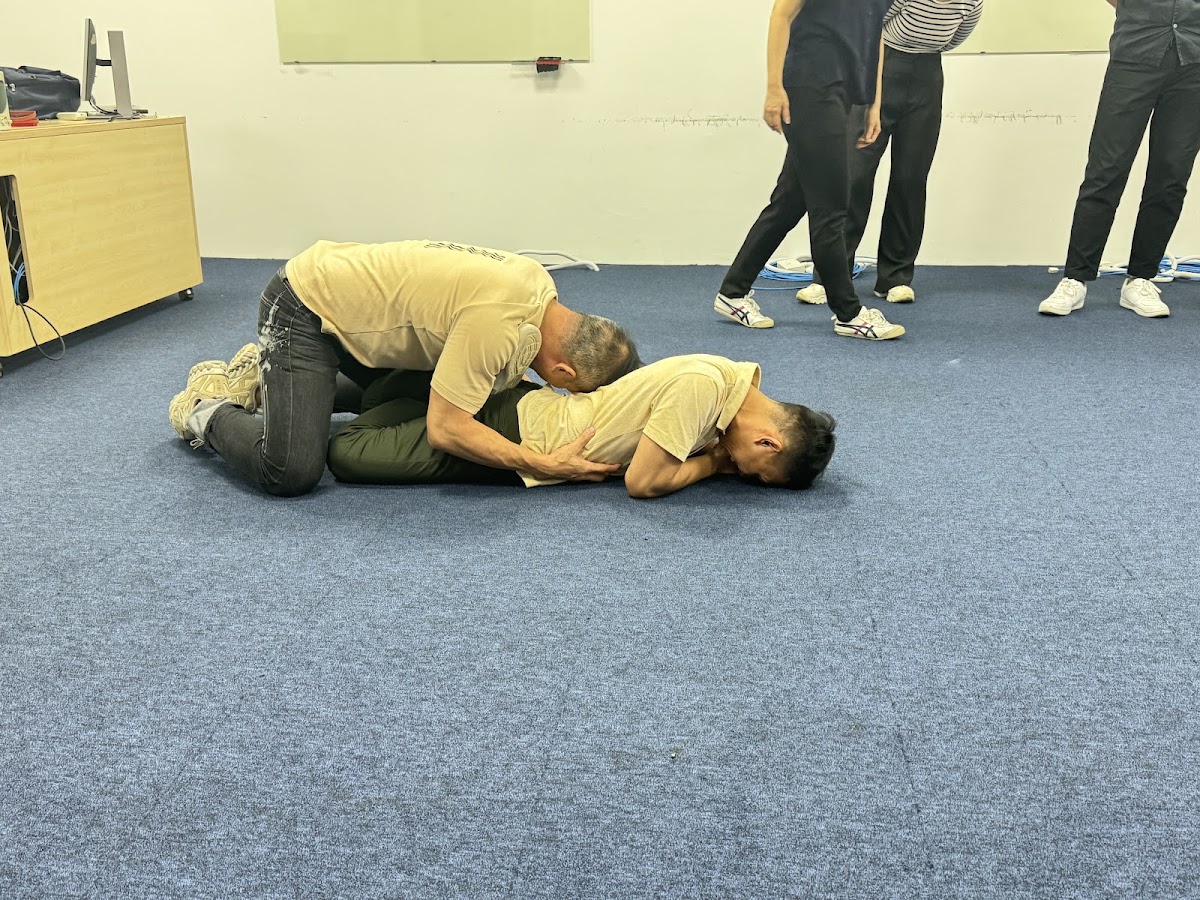
U-ELITE MARTIAL FITNESS
⭐ 5/5 (1862 reviews) • Contact for pricing • Gambas
BEST FOR:
Dynamic flexibility training combined with martial arts movement patterns
NOT IDEAL FOR:
Pure relaxation stretching — this is performance-oriented
Martial arts background means they understand flexibility differently than typical gyms — it's about functional range of motion, not just touching your toes. Their approach combines static stretching with dynamic movement patterns that translate to real-world activities. Great for athletes or anyone who wants flexibility that actually improves performance.
View Details →Flexibility Program Comparison
| Program Type | Time Required | Equipment | Best For |
|---|---|---|---|
| Static Stretching | 15-20 min | Yoga mat | Beginners, evening routine |
| Dynamic Stretching | 10-15 min | Open space | Pre-workout, athletes |
| PNF Stretching | 20-30 min | Partner/resistance band | Advanced, fastest results |
| Mobility Flow | 25-35 min | Foam roller, bands | Comprehensive improvement |
How to Choose Your Approach
IF YOU'RE A: Complete Beginner
Look for: gentle static stretches, short sessions (10-15 min), basic yoga-style movements
Best fit: Snap Fitness Jurong West ($70-120/mo)
IF YOU'RE A: Desk Worker with Pain
Look for: targeted hip flexor/shoulder work, movement assessment, corrective exercises
Best fit: Pulse Lab (contact for pricing)
IF YOU'RE: Athletic/Performance Focused
Look for: dynamic movements, sport-specific patterns, PNF techniques
Best fit: U-Elite Martial Fitness (contact for pricing)
IF YOU'RE: Serious About Results
Look for: comprehensive programs, expert instruction, recovery integration
Best fit: UFIT CBD Hub ($200-400/mo)
Insider Tips for Singapore Flexibility Training
Warm up before stretching: A warm room does not replace a warm-up. Mayo Clinic advises five to ten minutes of light walking, jogging or cycling before stretching. Adjust the session to how you feel rather than using humidity as a reason to push further.
Timing around work schedules: Most Singaporeans try to stretch after work (6-8pm) when they're already tired and stressed. Switch to morning sessions if possible — you'll be more consistent and feel better all day. If evening is your only option, wait at least 2 hours after dinner.
Choose a mat that fits the activity and stays stable on your floor. The Manduka PRO is a firm 6mm PVC mat, but its closed-cell surface leaves sweat on top; use the manufacturer’s towel and care guidance where needed. Cushioning and grip should be assessed for your own practice.
Combine with strength training wisely: Many Singapore gym-goers think flexibility and strength training are separate. Wrong. Do dynamic stretches before lifting, static stretches after. Your strength training sessions will improve dramatically when you can move through full ranges of motion.
Recovery integration: Don't treat stretching as separate from your fitness routine. It's part of recovery, just like sleep and nutrition. If you're serious about flexibility gains, consider adding a percussion massage gun to accelerate tissue recovery between sessions.
FAQ: Flexibility Training in Singapore
How long before I see flexibility improvements?
You'll notice small improvements within 1-2 weeks of daily stretching, but significant changes take 4-6 weeks minimum. Don't expect to go from touching your knees to touching your toes overnight — that's how people get injured. Singapore's humid climate actually accelerates progress compared to colder places, so you might see results slightly faster than typical timelines suggest.
Should I stretch before or after workouts?
Begin with an easy warm-up and movements relevant to the workout. Save longer stretches for warm muscles after exercise or a separate session. Stretching before a sport can affect performance differently depending on the activity, so avoid treating one sequence as a universal rule.
Is it normal to sweat a lot during stretching in Singapore?
Choose a comfortable, ventilated place to stretch. Sweating does not tell you how far to push a stretch. Keep the movement controlled, have water available and stop if you feel unwell.
Can I do flexibility training at home or do I need a gym?
Most flexibility training can be done at home with just a yoga mat. You only need gym access if you want guided classes, partner-assisted stretches, or specialized equipment like resistance bands and foam rollers (though you can buy these for home use). Places like UFIT CBD Hub are worth it for the expert instruction and motivation, but a home routine works fine if you're consistent.
What's the difference between yoga and stretching?
Yoga combines stretching with breathing, balance, and mindfulness — it's a complete practice. Pure stretching focuses only on improving range of motion and muscle length. Both improve flexibility, but yoga adds mental benefits and works on stability/coordination. If you just want to fix tight hamstrings and hip flexors from desk work, basic stretching is more efficient. If you want a holistic practice, yoga is better.
How do I know if I'm stretching correctly?
You should feel mild tension/discomfort, never sharp pain. The stretch should feel like it's "working" but not like something is about to snap. Progress gradually — if you can't touch your toes today, don't force it. Aim to improve by small amounts each week. Poor form is common in Singapore gyms where people try to keep up with naturally flexible classmates. Go at your own pace.
Are there any stretches I should avoid as a beginner?
Avoid deep backbends, intense hip openers like full lotus, and anything that requires extreme spinal rotation until you build a foundation. Don't attempt advanced yoga poses you see on Instagram — they take years to achieve safely. Focus on basic stretches for major muscle groups first. Most importantly, never bounce or force a stretch. The "no pain, no gain" mentality doesn't apply to flexibility training.
Your Flexibility Training Action Plan
Here's the bottom line: most Singaporeans have terrible flexibility because they either don't stretch at all or do it wrong when they do. The solution isn't complicated — it's about consistency with the right techniques.
Start with the Week 1-2 foundation routine I outlined above. Do it daily for two weeks, then progress to the advanced routine. If you're dealing with specific pain issues (neck, shoulders, lower back), book a session at Pulse Lab for proper assessment and personalized corrections.
For ongoing training, Snap Fitness locations offer the best value for self-directed flexibility work with 24-hour access. If you want premium instruction and don't mind paying for it, UFIT CBD Hub has the most comprehensive mobility programs in Singapore.
Remember that flexibility training complements your other fitness goals — whether that's building muscle, losing weight, or just feeling better in your daily life. Don't treat it as optional maintenance — it's essential for long-term health and performance.
The best flexibility routine is the one you actually do. Start simple, be consistent, and gradually increase intensity. In Singapore's humid climate, you have a natural advantage for flexibility training — use it. Your 40-year-old self will thank you for starting today.
Related Guides
Tabata Workout Guide Singapore
Tabata Workout Guide Singapore. Expert Singapore fitness guide with actionable advice, local tips, and gym rec
Fitness Guide for Shift Workers Singapore
Fitness Guide for Shift Workers Singapore. Expert Singapore fitness guide with actionable advice, local tips,
January Fitness Challenge Singapore 2026
January Fitness Challenge Singapore 2026. Expert Singapore fitness guide with actionable advice, local tips, a
Upper Body Workout Guide Singapore
Upper Body Workout Guide Singapore. Expert Singapore fitness guide with actionable advice, local tips, and gym