
Tabata Workout Guide Singapore
Tabata Workout Guide Singapore. Expert Singapore fitness guide with actionable advice, local tips, and gym recommendations.
Buying through the Amazon links in this guide costs you nothing extra. We earn a small commission, which keeps Gyms.sg free and pays for guides like this one. As an Amazon Associate, Gyms.sg earns from qualifying purchases. OnWhey is our own supplement brand.
QUICK ANSWER: TABATA WORKOUT GUIDE SINGAPORE
Tabata is a 4-minute high-intensity workout protocol (20 seconds work, 10 seconds rest, 8 rounds) that burns serious calories. Best done at HIIT-focused gyms or home with minimal equipment — perfect for Singapore's busy lifestyle.
TABATA TRAINING IN SINGAPORE
Tabata might be the perfect workout for Singapore. Four minutes. That's it. In a city where everyone's complaining about no time for the gym, here's a scientifically-proven protocol that delivers serious results in less time than it takes to order your kopi.
The beauty is its simplicity: 20 seconds of absolute maximum effort, 10 seconds rest, repeat 8 times. No complicated programs, no hour-long sessions. Just you vs the clock.
Use an interval format suited to your current fitness and the rest of your programme. A workout should not be judged by whether it leaves you collapsed or unable to breathe comfortably. Stop if you feel unwell, and get appropriate guidance before attempting unfamiliar high-intensity training.
BEST GYMS FOR TABATA IN SINGAPORE
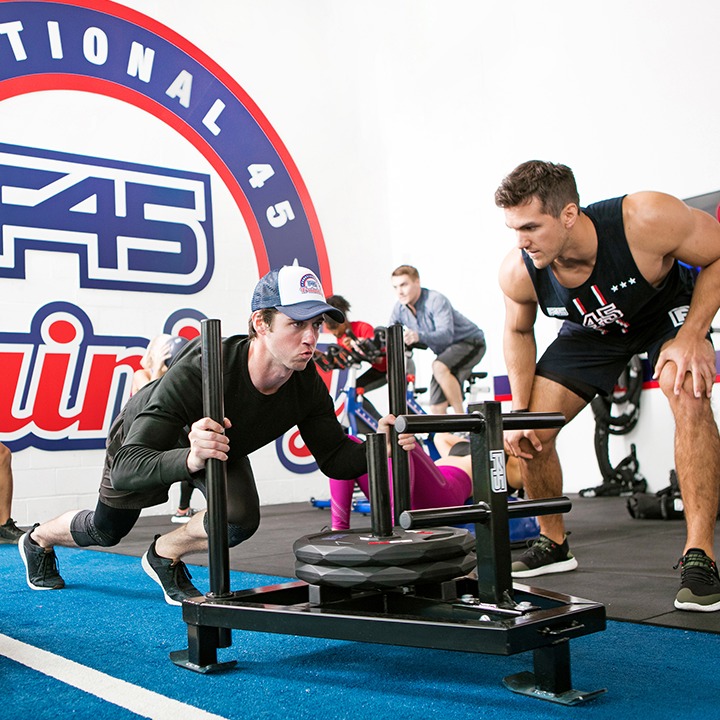
F45 TRAINING TANJONG RHU
⭐ 5/5 (207 reviews) • $238-316/mo • Stadium
BEST FOR:
Structured HIIT classes with Tabata-style intervals
NOT IDEAL FOR:
Solo training — it's all group classes
F45's "Panthers" and "22" workouts are basically Tabata with better music and someone yelling at you to go harder. The trainers actually understand intensity — they won't let you slack off during those 20-second bursts. Located at Stadium MRT, so convenient for CBD workers.
View Details →
UBX NOVENA
⭐ 5/5 (35 reviews) • $168-250/mo • Novena
BEST FOR:
Boxing-based Tabata with heavy bags
NOT IDEAL FOR:
People who hate boxing — it's their main focus
Their HIIT classes follow strict Tabata timing with boxing combinations. Twenty seconds of punching combinations, 10 seconds to catch your breath. It's brutal and effective. The bags are quality, not those flimsy ones you find at some gyms.
View Details →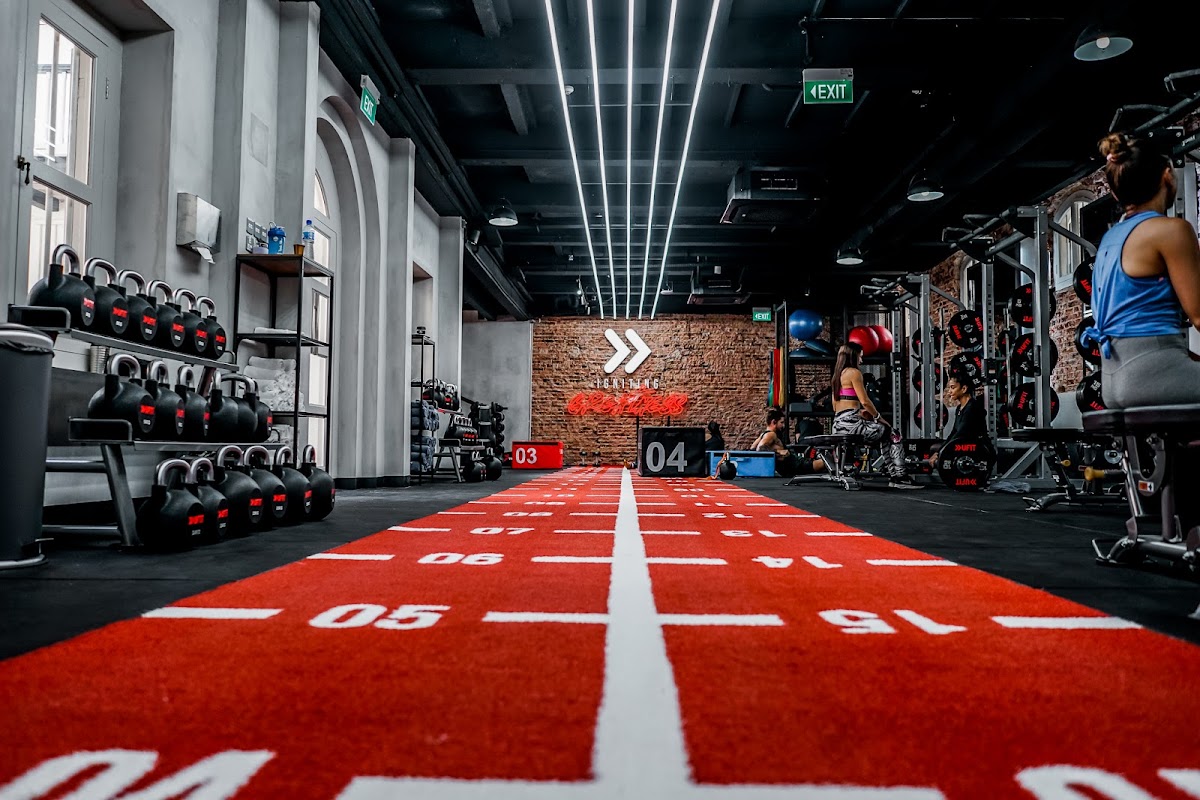
UFIT CBD HUB - CLUB STREET
⭐ 5/5 (477 reviews) • $200-400/mo • Chinatown
BEST FOR:
Premium small group Tabata sessions
NOT IDEAL FOR:
Budget-conscious — starts at $200/month
UFIT's "Metabolic" classes are textbook Tabata — proper timing, maximum intensity, knowledgeable trainers who understand the science. Expensive but worth it if you want to do it right. Their equipment selection is perfect for bodyweight Tabata variations.
View Details →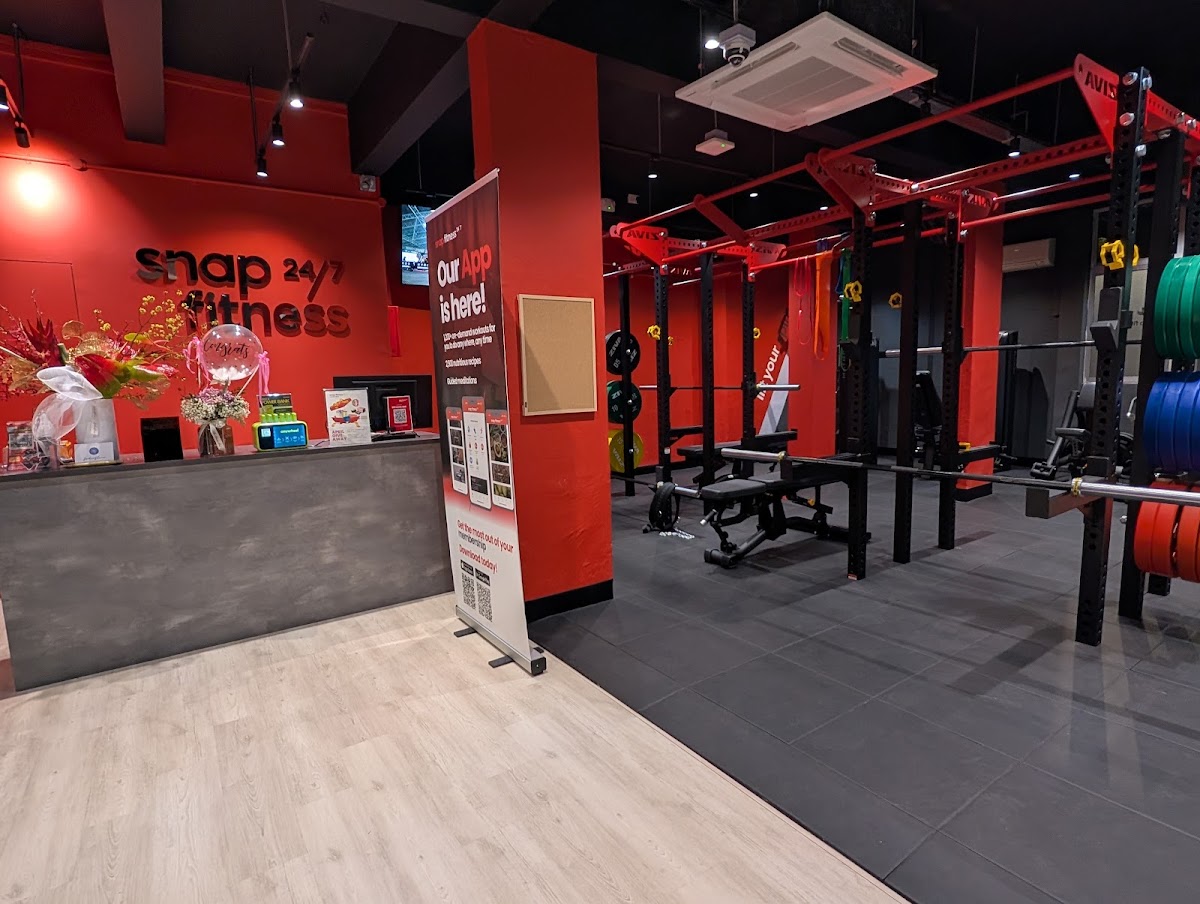
SNAP FITNESS JURONG WEST
⭐ 5/5 (203 reviews) • $70-120/mo • Jurong West
BEST FOR:
24-hour access for solo Tabata sessions
NOT IDEAL FOR:
Structured classes — you're on your own
Perfect for self-directed Tabata workouts. They have a functional training area with kettlebells, battle ropes, and enough floor space. At $15 for a day pass, it's cheap enough to test if you like doing solo Tabata sessions before committing to membership.
View Details →COMPLETE TABATA WORKOUT PROGRAMS
Each takes exactly 4 minutes plus warm-up and cool-down. Pick one based on your fitness level and available equipment.
BEGINNER TABATA: BODYWEIGHT BASICS
Perfect first Tabata. No equipment needed — can be done in your HDB living room.
ROUNDS 1-2: SQUATS
20 seconds: As many squats as possible (aim for 8-12)
10 seconds: Rest and get ready
Form cue: Weight in your heels, chest up, knees track over toes
ROUNDS 3-4: PUSH-UPS (MODIFIED IF NEEDED)
20 seconds: Maximum push-ups (knee push-ups totally fine)
10 seconds: Rest
Form cue: Straight line from head to knees/toes, control the descent
ROUNDS 5-6: MOUNTAIN CLIMBERS
20 seconds: Fast alternating mountain climbers
10 seconds: Rest
Form cue: Keep hips level, drive knees to chest
ROUNDS 7-8: HIGH KNEES
20 seconds: High knees in place, maximum speed
10 seconds: Rest and collapse
Form cue: Pump your arms, get knees to hip level
Total time: 4 minutes. Rest 1 minute between rounds 2/3, 4/5, and 6/7 if you're truly dying.
INTERMEDIATE TABATA: KETTLEBELL CRUSHER
You'll need one kettlebell (16-20kg for most people). Available at most Singapore gyms.
ROUNDS 1-4: KETTLEBELL SWINGS
20 seconds: Maximum swings (aim for 10-15)
10 seconds: Rest, don't put the kettlebell down
Form cue: Hip hinge, not squat. Drive with your glutes, arms just guide
ROUNDS 5-8: KETTLEBELL GOBLET SQUATS
20 seconds: Maximum goblet squats
10 seconds: Rest, hold kettlebell at chest
Form cue: Hold KB close to chest, squat deep, drive up fast
This one will test your grip strength. If the kettlebell starts slipping, your form is probably breaking down — better to slow down than get injured.
ADVANCED TABATA: BARBELL BEAST MODE
For experienced lifters only. Use a weight you can easily do 15+ reps with normally.
ROUNDS 1-8: BARBELL FRONT SQUATS
20 seconds: Maximum front squats (start light — 40-60kg)
10 seconds: Rest with barbell in rack position
Form cue: Elbows high, core tight, control the weight
WARNING: This is genuinely dangerous if you're not experienced with front squats. Your form will deteriorate rapidly. Have a spotter or use a squat rack with safety bars.
CARDIO TABATA: BIKE/ROWER PROTOCOL
Best done on stationary bike, rowing machine, or treadmill. Most effective on equipment where you can instantly change intensity.
ROUNDS 1-8: ALL-OUT SPRINTS
20 seconds: Maximum effort (9-10/10 perceived effort)
10 seconds: Easy pace (don't stop completely)
Bike: High resistance, fast cadence. Rower: Power strokes. Treadmill: Sprint then step off
Pro tip: The rowing machine is brutal for this. You'll understand why Olympic rowers have tree trunk legs. If you're getting similar results with our HIIT workout guide, you might prefer longer intervals.
WORKOUT COMPARISON TABLE
| Workout Level | Equipment | Calories/4min | Best Location |
|---|---|---|---|
| Beginner Bodyweight | None | 40-60 | Home/anywhere |
| Kettlebell Crusher | 1 Kettlebell | 60-80 | Gym/home |
| Barbell Beast Mode | Barbell + rack | 80-120 | Gym only |
| Cardio Protocol | Bike/rower | 50-90 | Gym/home |
HOW TO CHOOSE YOUR TABATA STYLE
IF YOU'RE: NEW TO HIGH-INTENSITY TRAINING
Start with bodyweight Tabata 2x per week. Master the timing and intensity before adding equipment.
Best approach: Beginner Bodyweight program for 4-6 weeks
IF YOU'RE: TIME-CRUNCHED PROFESSIONAL
Tabata is perfect for your lifestyle. Do it at lunch, before work, or during TV ad breaks.
Best approach: Home bodyweight + weekend gym sessions with equipment
IF YOU'RE: EXPERIENCED LIFTER
Use Tabata as intense finishers after main workouts, or standalone fat-loss sessions.
Best approach: Barbell or advanced kettlebell protocols 1-2x per week
IF YOU'RE: CARDIO LOVER
Replace one long cardio session per week with 2-3 Tabata protocols. More time-efficient fat burning.
Best approach: Bike/rower Tabata + bodyweight circuits
PROPER WARM-UP AND COOL-DOWN
Four minutes of Tabata can injure you if you go in cold. In Singapore's humidity, you might think you're warmed up but your muscles aren't ready for maximum intensity.
5-MINUTE TABATA WARM-UP
3-MINUTE TABATA COOL-DOWN
Don't skip this. Tabata spikes your heart rate to 85-95% max. Coming down too quickly can make you dizzy, especially in Singapore's heat.
PROGRESSION AND PROGRAMMING
Most people try to do Tabata every day because it's short. Bad idea. Real Tabata is so intense that you need recovery time. Here's how to actually progress without burning out.
4-WEEK BEGINNER PROGRESSION
WEEK 1-2
• 2 sessions per week
• Bodyweight only
• Rest 24-48 hours between sessions
• Focus: Learn proper timing and form
WEEK 3-4
• 3 sessions per week
• Add equipment if available
• Still need rest days
• Focus: Increase intensity
After several weeks, reassess whether the session fits your wider training and recovery. You can keep it as a separate workout or discuss combining it with other exercise. Avoid automatically adding an intense finisher to a session that already leaves you fatigued.
For equipment progression, start bodyweight, then add a kettlebell, then try barbell variations only when you're confident with the movement patterns. The original Tabata study used a stationary bike, so don't feel like you need fancy equipment. Our strength training guide covers how to integrate Tabata with other workout styles.
SINGAPORE-SPECIFIC TABATA TIPS
Doing high-intensity training in Singapore comes with unique challenges.
HYDRATION IS MAKE-OR-BREAK
You'll lose more water in 4 minutes of Tabata than 30 minutes of steady cardio elsewhere. Drink 250ml water 15 minutes before starting, and sip throughout the day leading up. Skip the workout if your pee is dark yellow — that's dehydration waiting to bite you.
TIMING BEATS PEAK HOURS
Avoid 6-8pm when every gym is packed. Tabata needs space and you'll be making noise. Early morning (6-7am) or lunch (12-1pm) work best. Many 24-hour gyms are nearly empty at 10pm if you're a night owl. Snap Fitness locations are perfect for this — good equipment, rarely crowded outside peak hours.
HOME BACKUP IS ESSENTIAL
Singapore weather will mess with your gym plans. Heavy rain, MRT delays, or feeling under the weather — you need a home Tabata option. The bodyweight routine works perfectly in any HDB room. If you've got space and budget, a competition kettlebell set gives you unlimited home workout options.
AIR-CON ACCLIMATIZATION STRATEGY
Most Singapore gyms blast AC, then you step outside into 85% humidity. This temperature shock messes with recovery. Do your cool-down inside the gym, then gradually adapt to outside temperature. If you're training at home, set AC to 24-25°C, not arctic levels.
RECOVERY TRACKING MATTERS MORE
Singapore's heat and humidity affect recovery more than temperate climates. If you're still fatigued 48 hours later, you went too hard or need more rest days. A wrist-based fitness tracker helps monitor heart rate variability and recovery metrics.
GEAR THAT MAKES TABATA ACTUALLY WORK
Choose equipment around the movements in your interval session and the space available. A recovery accessory is optional; first make sure you can perform and stop each exercise under control.
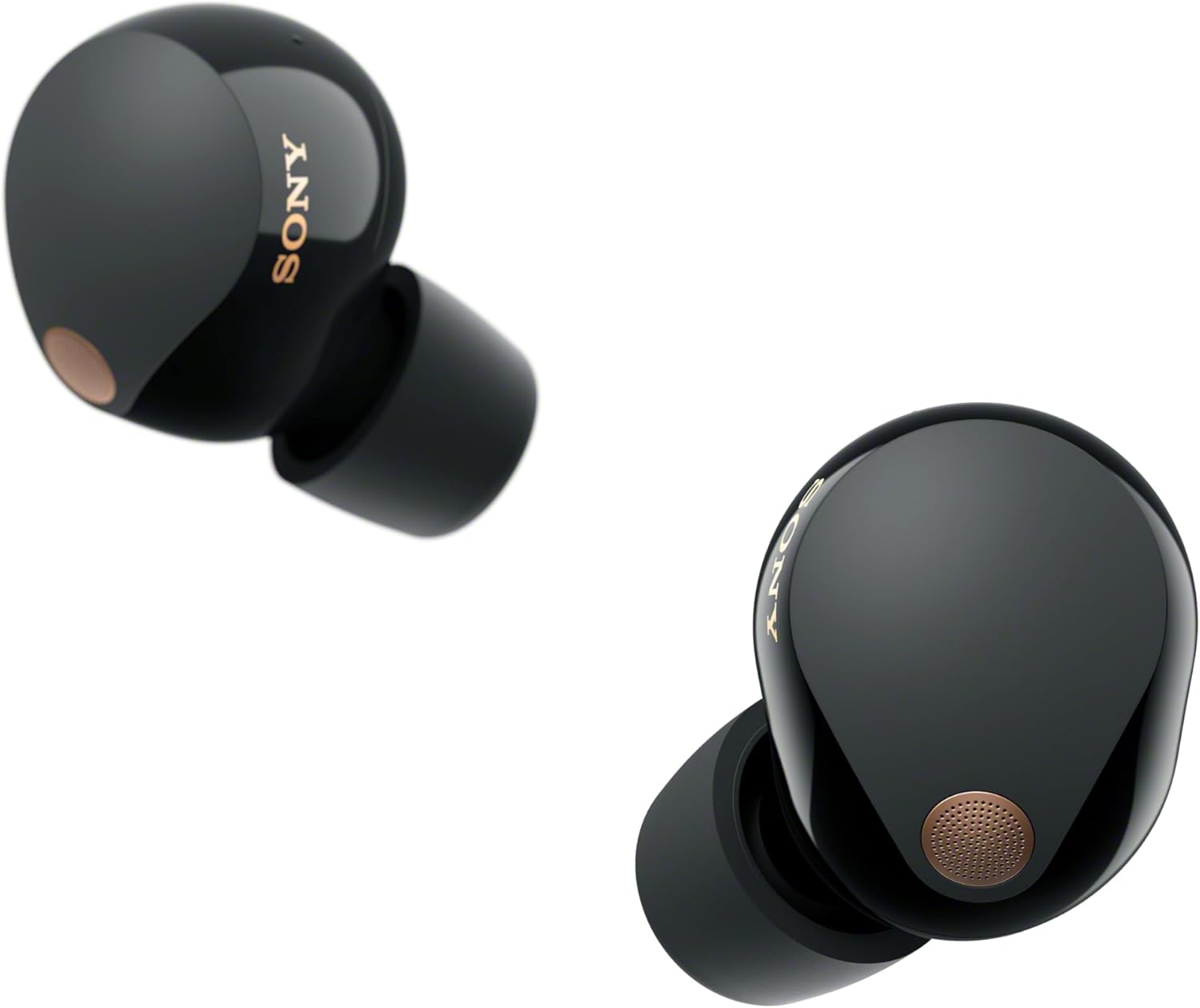
SONY WF-1000XM5
⭐ 4.5/5 • Available at Amazon.sg
BEST FOR:
Hitting Tabata interval timing with a high-BPM track and zero gym-floor distractions
NOT IDEAL FOR:
Group HIIT classes — you need to hear the trainer call intervals
The seal stays put through burpees and jumping squats, the active noise cancellation cuts through the gym chaos when you need to lock in for 8 rounds, and they're sweat-resistant enough for SG humidity. Battery comfortably handles a week of daily training even with ANC on.
View on Amazon SG →FREQUENTLY ASKED QUESTIONS
Is 4 minutes really enough for a workout?
For cardiovascular fitness and fat burning, yes — if you do it correctly. The original Tabata study showed 4 minutes of this protocol improved both aerobic and anaerobic capacity more than 60 minutes of moderate exercise. But you need to hit 170-180% of VO2 max, which feels like you're dying. If you can hold a conversation during the 20-second work periods, you're not going hard enough.
How many times per week should I do Tabata?
Match the frequency and intensity of interval sessions to your current fitness and the rest of your programme. Use a manageable format and seek coaching if you are unsure how to pace it.
Can I do Tabata for muscle building?
Tabata is primarily for cardiovascular fitness and fat loss. You'll maintain muscle and might build some endurance strength, but it won't pack on muscle like traditional strength training. The barbell front squat version can help with leg strength-endurance. For serious muscle building, check our muscle building guide and use Tabata as a conditioning finisher.
Which Singapore gyms have the best equipment for Tabata?
For structured classes, F45 Training Tanjong Rhu and UBX Novena understand the protocol. For solo training, Snap Fitness locations have functional areas with kettlebells and floor space. Avoid peak hours — you need room to move and won't want to wait for equipment when your rest period ends.
Is Tabata safe for beginners?
The bodyweight version is safe if you have basic fitness and no heart conditions. Start with the beginner protocol and focus on form over speed. However, if you're completely sedentary or have health issues, build a base with our first week gym plan before attempting high-intensity protocols. The intensity can be shocking to an untrained cardiovascular system.
How do I know if I'm working hard enough?
By round 4, you should be questioning your life choices. By round 6, you should be gasping for air. By round 8, you should need to sit down immediately after. If you're not completely exhausted after 4 minutes, increase intensity or add resistance. Heart rate monitors help — you want 85-95% max heart rate during work periods. A
Related Guides
Related reading: Functional Training Guide Singapore 2026.
Upper Body Workout Guide Singapore
Upper Body Workout Guide Singapore. Expert Singapore fitness guide with actionable advice, local tips, and gym
Back Workout Guide: Singapore Gyms
Back Workout Guide: Singapore Gyms. Expert Singapore fitness guide with actionable advice, local tips, and gym

Arm Workout Guide: Biceps & Triceps Singapore
Arm Workout Guide: Biceps & Triceps Singapore. Expert Singapore fitness guide with actionable advice, local ti

Chest Workout Guide Singapore Gyms
Chest Workout Guide Singapore Gyms. Expert Singapore fitness guide with actionable advice, local tips, and gym