
Stationary Bike Guide for Beginners Singapore
Stationary Bike Guide for Beginners Singapore. Expert Singapore fitness guide with actionable advice, local tips, and gym recommendations.
As an Amazon Associate, Gyms.sg earns from qualifying purchases. Links here, including to our partner brand OnWhey, may earn us a commission at no extra cost to you.
QUICK ANSWER: STATIONARY BIKE GUIDE SINGAPORE
Start with 20-30 minute sessions at moderate intensity (6-7/10 effort). Use proper posture with slight knee bend at full extension. Focus on steady-state cardio for 4-6 weeks before adding interval training.
Why Stationary Bikes Work in Singapore
Stationary bikes are probably the most underrated cardio machine in Singapore gyms. While everyone's fighting for treadmills during peak hours (6-8pm), the bike section is usually half-empty. That's their loss.
I've spent countless hours on bikes across Singapore gyms — from the basic upright bikes at ActiveSG to the fancy Peloton setups at boutique studios. The learning curve is gentler than running, your knees will thank you, and you can actually read your phone without face-planting (though I don't recommend it for serious workouts).
Singapore's humidity makes outdoor cycling brutal for beginners. Indoor bikes give you all the cardiovascular benefits without dealing with traffic, weather, or arriving at work drenched in sweat. Plus, most gyms have multiple bike types — upright, recumbent, and spin bikes — so you can find what works for your body.
Best Singapore Gyms for Stationary Biking
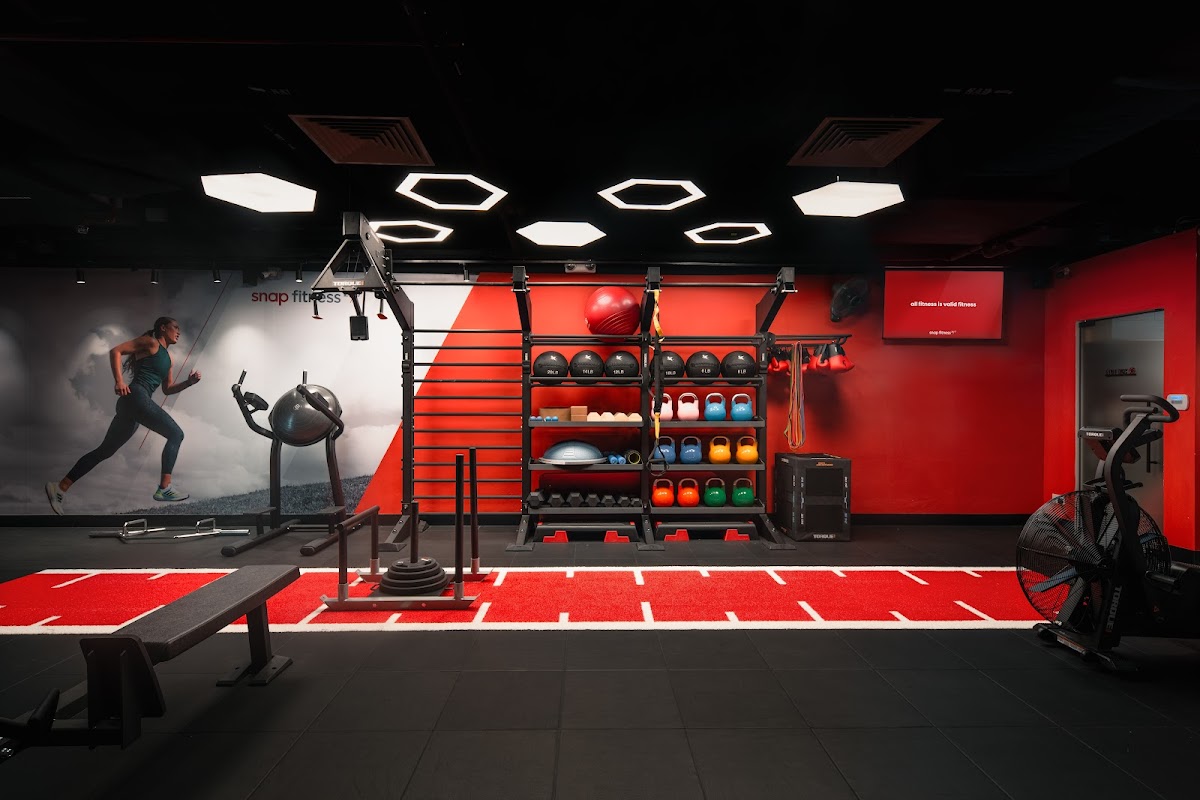
SNAP FITNESS WOODLANDS
⭐ 5/5 (48 reviews) • $70-120/mo • Woodlands
BEST FOR:
Beginners who want quality bikes without premium prices
NOT IDEAL FOR:
Group fitness addicts — limited classes here
Their bike section is solid — mix of Life Fitness upright and recumbent bikes, all well-maintained. The 24-hour access means you can bike at 6am before work or 11pm after dinner without crowds. Located right in Woodlands Health Centre, so very convenient if you're in the north.
View Details →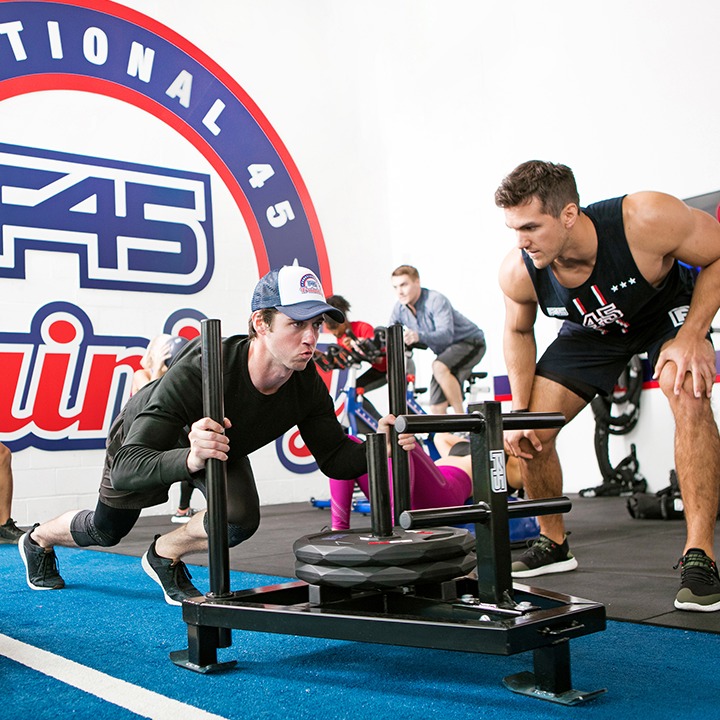
F45 TRAINING TANJONG RHU
⭐ 5/5 (207 reviews) • $238-316/mo • Stadium area
BEST FOR:
People who need group motivation and structured workouts
NOT IDEAL FOR:
Solo workout people — it's all about the group energy
F45 bike workouts are intense but beginner-friendly. The coaches modify everything based on your fitness level, and the group energy keeps you going when you want to quit. Their "Athletica" and "Panthers" workouts feature significant bike portions. Located in Wave Mall near Stadium MRT.
View Details →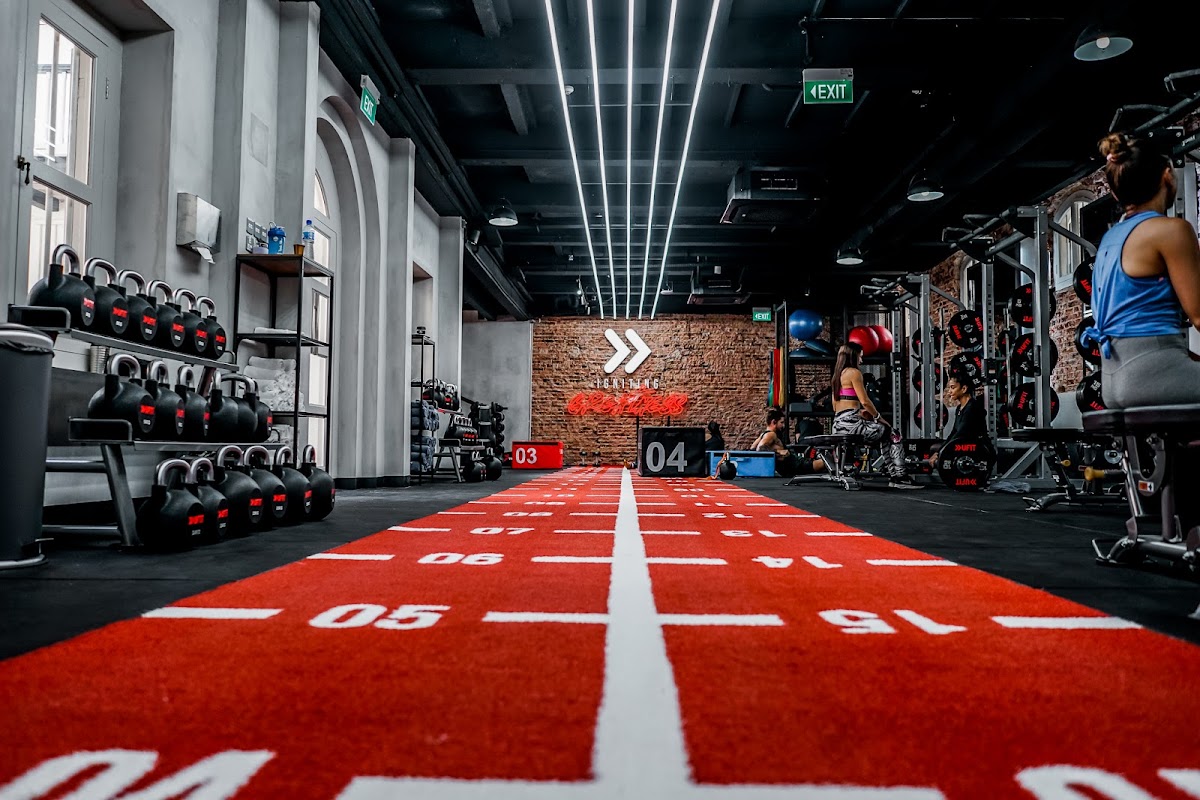
UFIT CBD HUB
⭐ 5/5 (477 reviews) • $200-400/mo • Club Street
BEST FOR:
CBD workers who want premium equipment and expert guidance
NOT IDEAL FOR:
Budget-conscious beginners — pricing starts high
UFIT's bike setup is top-tier — Wattbikes for serious cyclists and quality upright bikes for everyone else. The trainers actually know cycling form and can teach you proper technique. Worth the premium if you're in the CBD and serious about improvement.
View Details →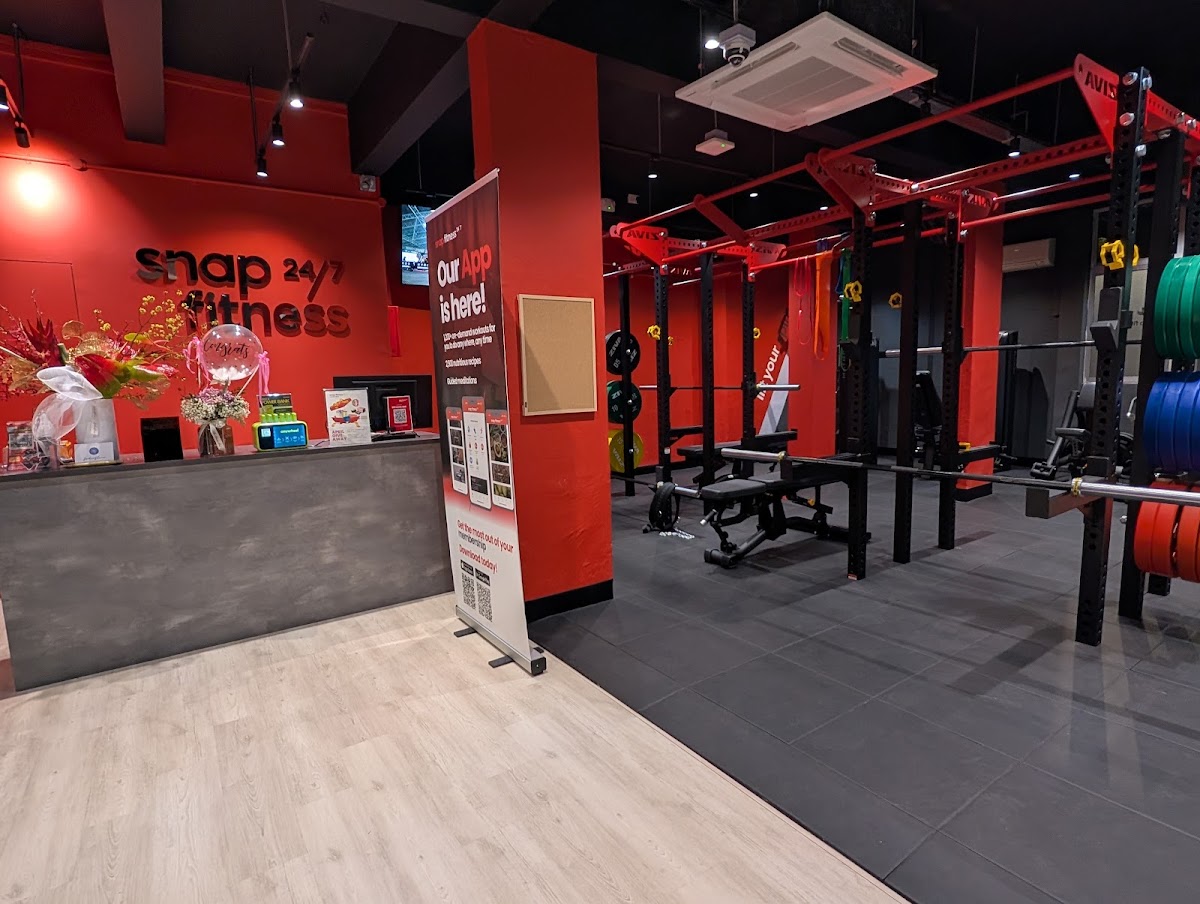
SNAP FITNESS JURONG WEST
⭐ 5/5 (203 reviews) • $70-120/mo • Jurong West
BEST FOR:
West side residents who want consistent bike access
NOT IDEAL FOR:
Peak hour (7-9pm) — bikes get crowded then
Same reliable setup as other Snap locations — good bike selection, 24-hour access, reasonable pricing. The west side location means it's less crowded than CBD gyms. Easy access from Jurong West Ave 1, with kopitiam downstairs for post-workout meals.
View Details →Bike Type Comparison
| Bike Type | Difficulty | Joint Impact | Best For |
|---|---|---|---|
| Upright Bike | Moderate | Low | General fitness |
| Recumbent Bike | Easy | Minimal | Back problems |
| Spin Bike | High | Low | Intense training |
| Air Bike | Very High | Low | CrossFit/HIIT |
How to Choose Your Bike Style
IF YOU'RE A: Complete Beginner
Start with upright bikes at moderate resistance. Focus on proper posture and building base fitness before intensity.
Best fit: Snap Fitness locations ($70-120/mo)
IF YOU'RE A: Cardio Enthusiast
Spin bikes and group classes will push your limits. Look for variety and coaching to avoid plateaus.
Best fit: F45 Training ($238-316/mo)
IF YOU'RE: Injury-Prone
Recumbent bikes provide back support and reduce strain. Perfect for knee or hip issues.
Best fit: Fitness Station (Contact for pricing)
IF YOU'RE: Performance-Focused
Wattbikes or advanced spin bikes with power metrics. Data-driven training with coaching support.
Best fit: UFIT CBD ($200-400/mo)
Complete Beginner Workout Plan
Here's exactly how to start your stationary bike journey. I learned this the hard way after burning out in week 2 of my first attempt (went too hard, too fast, couldn't walk properly for three days).
WEEKS 1-2: BUILDING THE HABIT
Frequency: 3 days per week (Monday, Wednesday, Friday)
Duration: 20 minutes total
Warm-up: 5 minutes at very easy pace (you should be able to hold a conversation)
Main set: 10 minutes at moderate pace (breathing harder but not gasping)
Cool-down: 5 minutes gradually slowing down to walking pace
Key point: don't worry about resistance settings yet. Focus on maintaining a steady pedal rhythm around 80-90 RPM (most bikes show this). Your legs should feel like they're working but not burning.
WEEKS 3-4: BUILDING ENDURANCE
Frequency: 4 days per week
Duration: 30 minutes total
Warm-up: 5 minutes easy
Main set: 20 minutes steady-state (6-7/10 effort level)
Cool-down: 5 minutes easy
Now you can start playing with resistance. Increase it until you feel like you're pushing against moderate resistance — not grinding, but you know you're working. If you're comfortable chatting with someone nearby, increase the resistance slightly.
WEEKS 5-6: ADDING INTENSITY
Frequency: 4-5 days per week
Duration: 35-45 minutes
Easy days: 30 minutes steady-state (3 days)
Interval day: 5 min warm-up + 20 min intervals + 5 min cool-down
Interval structure: 2 minutes moderate, 1 minute hard, repeat 6-7 times
The interval day is where the magic happens. "Hard" means 8/10 effort — you're breathing heavily but can still maintain good form. "Moderate" is your comfortable 6/10 pace for recovery.
Proper Bike Setup and Form
Most people just hop on and start pedaling. That's how you get knee pain, sore back, and mediocre results. Spend 2 minutes setting up properly — your future self will thank you.
SEAT HEIGHT (MOST IMPORTANT)
Stand next to the bike. Adjust the seat so it's roughly at your hip bone level. Sit down and put one pedal at the bottom position — your leg should have a slight bend (about 5-10 degrees). If your leg is completely straight or your knee is super bent, adjust accordingly.
Common mistake: seat too low. This puts huge stress on your knees and makes the workout much harder than it needs to be. I see this constantly at Singapore gyms.
SEAT POSITION (FORWARD/BACK)
Sit on the bike and put the pedals level (3 o'clock and 9 o'clock position). Your front knee should be directly over your front foot. If your knee is way ahead or way behind your toes, slide the seat forward or back.
HANDLEBAR HEIGHT
For beginners, set handlebars at the same level as your seat or slightly higher. This keeps you more upright and comfortable. As you get more experienced, you can lower them for a more aerodynamic (and harder) position.
PEDALING FORM
Keep a light grip on handlebars — you're not trying to strangle them. Your core should be engaged (like someone's about to poke your stomach). Push down with your heel slightly lower than your toes, and think about pulling up on the backstroke too.
Cadence (pedal speed) should feel natural — usually 80-100 RPM for most people. If you're grinding at 60 RPM, reduce resistance. If you're spinning wildly at 120 RPM, increase resistance.
Singapore-Specific Insider Tips
After 8+ years of biking in Singapore gyms, here's what actually matters:
Peak hours are 6:30-8:30pm weekdays. Bikes get taken fast, especially at CBD gyms. If you must work out then, have a backup plan. Our treadmill guide covers alternatives when cardio equipment is full.
Bring a small towel. Singapore's humidity means you'll sweat more than you expect, even indoors. Wipe down the bike after use — it's basic courtesy and some gyms will actually ask you to leave if you don't.
Pre-hydrate but don't overdo it. Drink 200-300ml of water 30 minutes before your workout. Sipping during the workout is fine, but chugging water mid-session will make you feel sick. Post-workout, drink slowly over 30 minutes.
Check the bike before starting. Singapore gyms vary wildly in maintenance standards. Make sure the seat doesn't wobble, pedals aren't loose, and the display works. If something's broken, tell the staff — don't just move to another bike and leave it for the next person.
Consider a quality setup at home. If you're serious about cycling and live in a landed property, a Keiser M3i spin bike might pay for itself versus gym memberships. Great for rainy days and avoiding the evening rush.
The Single Best Cardio Accessory
30 minutes on a stationary bike is mostly a mental game. Music kills boredom faster than anything else, and noise-cancelling earbuds matter more than people think — most Singapore gyms have loud chatter and clanging weight floors that bleed into your zone. One pair I've used relentlessly:
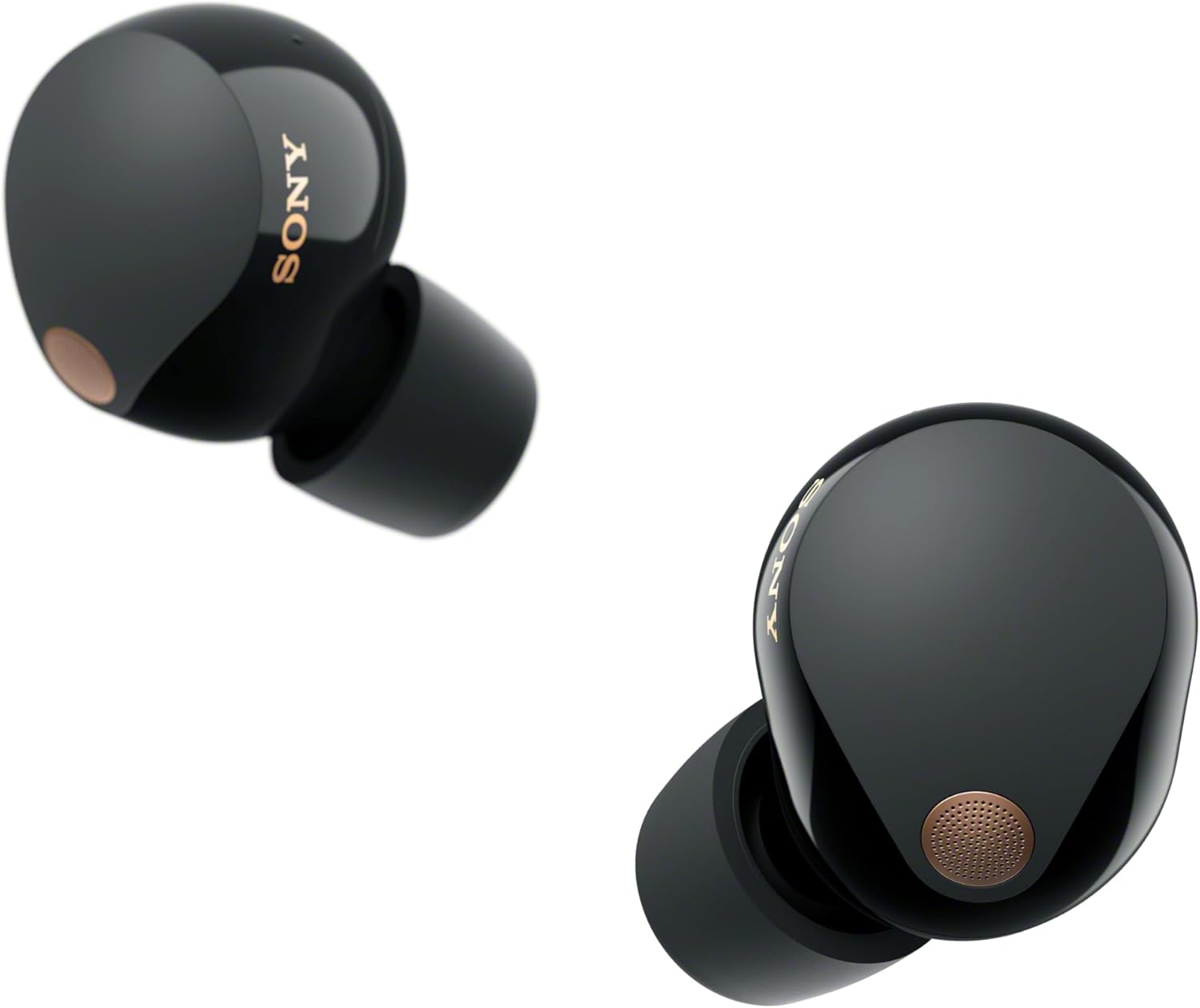
SONY WF-1000XM5
⭐ 4.5/5 • Available at Amazon.sg
BEST FOR:
Solo bike sessions, intervals, and long Zone 2 grinds where you need to lock in
NOT IDEAL FOR:
Group spin classes — you need to hear the instructor
Active noise cancellation actually works on the chaos of a busy commercial gym. Sweat resistance is solid for an indoor cardio context, the in-ear seal stays put on bumpy spin-bike sprints, and the case-charge battery comfortably handles a week of daily 45-minute sessions. Pair with the Garmin or Apple Watch you're already using for HR.
View on Amazon SG →Frequently Asked Questions
Should I do spin classes or solo bike workouts?
Both have benefits. Solo workouts let you control the pace and focus on form — perfect for beginners. Spin classes provide motivation and variety but can be too intense initially. Start with solo sessions for 4-6 weeks, then try a class. F45 Training offers beginner-friendly group bike workouts with good coaching.
How often should beginners use stationary bikes?
Start with 3 days per week, then build to 4-5 days after a month. Your body needs recovery time, especially in the beginning. More than 5 days per week isn't necessary for general fitness and increases injury risk. Quality over quantity — a good 30-minute session beats a rushed 45-minute one.
What should I wear for stationary bike workouts in Singapore?
Moisture-wicking shorts or leggings, breathable top, and athletic shoes with good support. Avoid cotton — it stays wet and gets heavy. Padded bike shorts aren't necessary for gym bikes (they're designed differently from road bikes). A good pair of noise-cancelling earbuds makes the time pass faster. Check our gym attire guide for more details.
Is 30 minutes on a stationary bike enough for weight loss?
30 minutes burns roughly 200-400 calories depending on your weight and intensity. That's decent but not magic — you can easily eat that back with a single prata. Weight loss comes from consistent caloric deficit over weeks and months. The bike helps, but diet is more important. Focus on building the habit first, results second.
Can I use stationary bikes if I have knee problems?
Often yes, but start carefully and consider a recumbent bike for back support. Stationary bikes are low-impact, so they're gentler than running or jumping. Proper seat height is crucial — too low puts stress on knees. Start with low resistance and short sessions. If pain persists, see a physio before continuing. Some Singapore gyms have physiotherapists on staff who can help with form.
Which Singapore gyms have the best bike maintenance?
Premium chains like UFIT and boutique studios generally maintain equipment better than budget options. Snap Fitness locations are consistently well-maintained for the price point. ActiveSG facilities vary by location — newer ones are fine, older ones can be hit or miss. Always test the bike before starting your workout.
Should I track heart rate while biking?
Helpful but not essential for beginners. Most gym bikes have heart rate sensors on the handlebars, though they're not super accurate. A fitness watch like the Apple Watch Ultra 2 gives better data. Focus on perceived exertion first — can you hold a conversation (easy), are you breathing hard (moderate), or gasping (hard)? Numbers come later.
Common Beginner Mistakes to Avoid
I've made every mistake in the book (and watched countless others do the same). Here are the big ones to skip:
Going too hard, too fast. Your first few sessions should feel almost easy. The goal is building the habit and letting your body adapt. You have months and years to get intense — don't blow yourself out in week one.
Ignoring proper setup. Spending 2 minutes adjusting the bike properly prevents hours of discomfort later. Most knee and back pain from stationary bikes comes from poor setup, not the exercise itself.
Focusing only on resistance. Cranking up the resistance and grinding at 40 RPM isn't effective training. Maintaining good cadence (80-100 RPM) with moderate resistance is better for fitness and more sustainable.
Comparing yourself to others. The person next to you might be cycling for years or might be having an off day. Focus on your own progression. The only numbers that matter are your own, week over week.
Skipping the warm-up and cool-down. Singapore gyms get busy and you feel pressure to maximize your bike time. But jumping straight into hard effort or stopping abruptly increases injury risk. Always do 5 minutes easy at the start and end.
Progressive Overload on Stationary Bikes
Your body adapts quickly to exercise. What feels hard in week 1 will feel easy by week 4. You need to gradually increase the challenge to keep improving. Our progressive overload guide explains the concept in detail.
Week 1-2: Focus on time and frequency. Get comfortable with the movement and build the habit.
Week 3-4: Add duration. Extend your sessions by 5-10 minutes per week until you reach your target time.
Week 5-8: Increase intensity. Add resistance or include intervals. One harder session per week is enough initially.
Week 9+: Fine-tune based on goals. More frequency for general fitness, more intensity for performance, longer duration for endurance.
Track your workouts in a simple notebook or phone app. Write down date, duration, resistance levels, and how you felt. This prevents you from spinning your wheels (literally) without progress.
Combining Bikes with Other Training
Stationary bikes work great as part of a larger fitness routine. They're excellent for active recovery days when your legs are sore from strength training but you still want to move.
If you're doing our squat program or deadlift training, easy bike sessions the day after heavy lifting can help with recovery. The movement promotes blood flow without adding stress.
For total beginners, I recommend 3 days of bike work and 2 days of basic strength training per week. Check our complete beginner's guide for how to structure a balanced program.
Advanced trainees can use bikes for specific training — power intervals for performance, long steady sessions for endurance, or short intense bursts for HIIT conditioning.
Final Recommendation
Stationary bikes are one of the most beginner-friendly ways to build cardiovascular fitness in Singapore. They're available in virtually every gym, easy to learn, and gentle on your joints.
Start with 3 sessions per week, 20 minutes each, at a pace where you can still talk but know you're working. Spend time setting up the bike properly — it makes a huge difference. Build the habit first, then worry about intensity.
For equipment, Snap Fitness locations offer the best balance of bike quality and price. If you want group motivation, F45 Training provides excellent coached sessions. Premium options like UFIT CBD are worth it if you're serious about progression and can afford the higher fees.
Remember, the best bike workout is the one you'll actually do consistently. Choose a gym that's convenient, set up properly, start conservatively, and trust the process. Your cardiovascular system will thank you within weeks.
Related Guides
Treadmill Guide for Beginners Singapore
Treadmill Guide for Beginners Singapore. Expert Singapore fitness guide with actionable advice, local tips, an
Barbell Basics for Beginners Singapore
Barbell Basics for Beginners Singapore. Expert Singapore fitness guide with actionable advice, local tips, and
Dumbbell Basics for Beginners Singapore
Dumbbell Basics for Beginners Singapore. Expert Singapore fitness guide with actionable advice, local tips, an

Cable Machine Guide for Beginners Singapore
Cable Machine Guide for Beginners Singapore. Expert Singapore fitness guide with actionable advice, local tips