What to Wear to the Gym Singapore: Complete Guide
What to Wear to the Gym Singapore: Complete Guide. Expert Singapore fitness guide with actionable advice, local tips, and gym recommendations.
Buying through the Amazon links in this guide costs you nothing extra. We earn a small commission, which keeps Gyms.sg free and pays for guides like this one. As an Amazon Associate, Gyms.sg earns from qualifying purchases. OnWhey is our own supplement brand.
QUICK ANSWER: WHAT TO WEAR TO THE GYM SINGAPORE
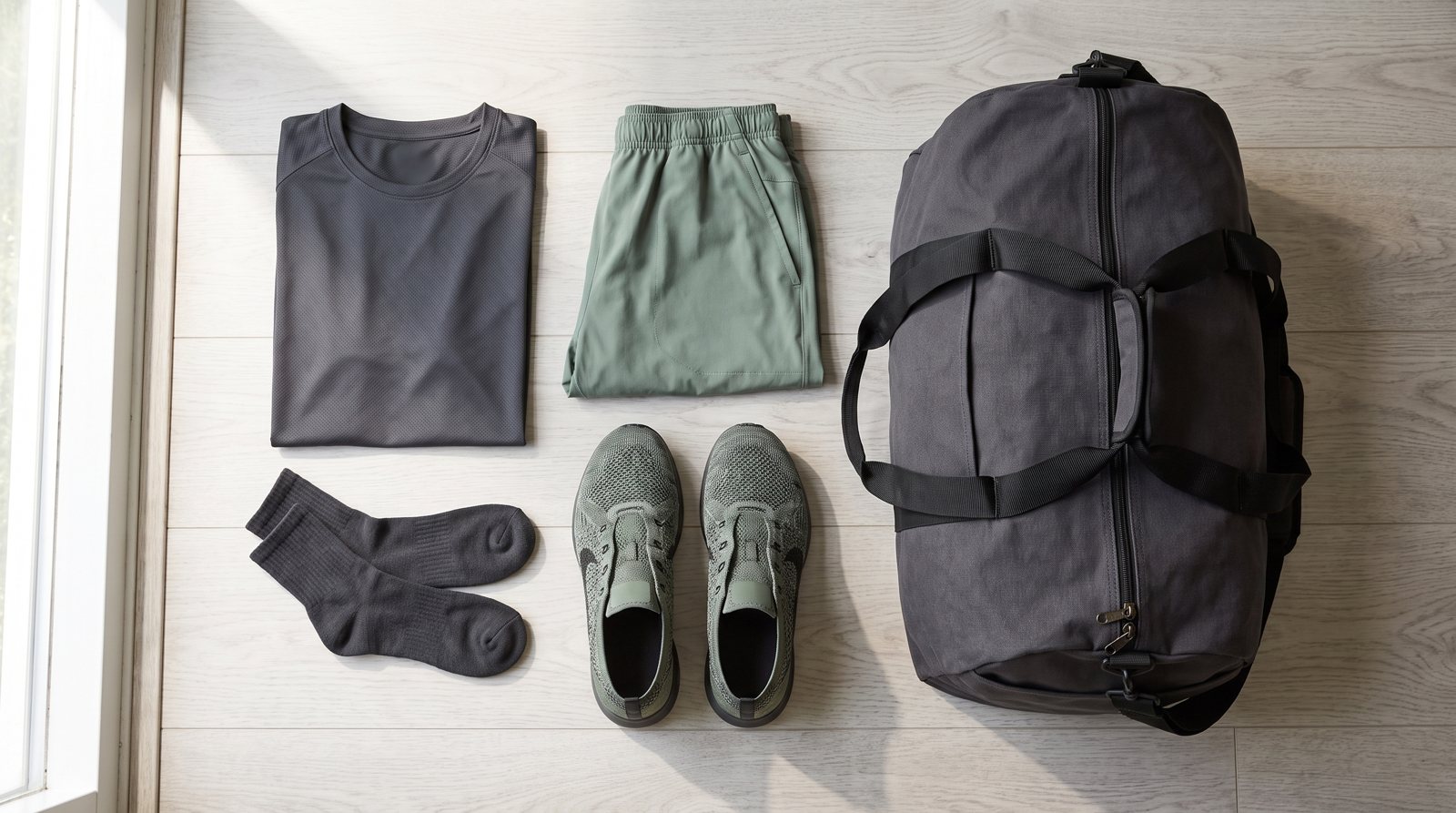
Moisture-wicking polyester or cotton blends work best in Singapore's humid gyms. Skip 100% cotton (stays wet), avoid jeans/sandals, and pack a towel. Most gyms require covered shoes and shirts.
The Reality of Working Out in Singapore's Climate
Singapore's gym scene is brutal on your clothes. 85% humidity year-round, air-con that ranges from "arctic blast" to "barely functioning," and gyms packed tighter than an MRT train during peak hours. You'll sweat more in 10 minutes here than you did in an hour back in your home country (if you're an expat) or in a 2-hour outdoor run (if you're local).
The good news? Once you figure out what actually works in this climate, you'll be comfortable and confident. The bad news? Most gym gear sold at Orchard Road is designed for temperate climates, not tropical humidity.
Essential Gym Wear Categories
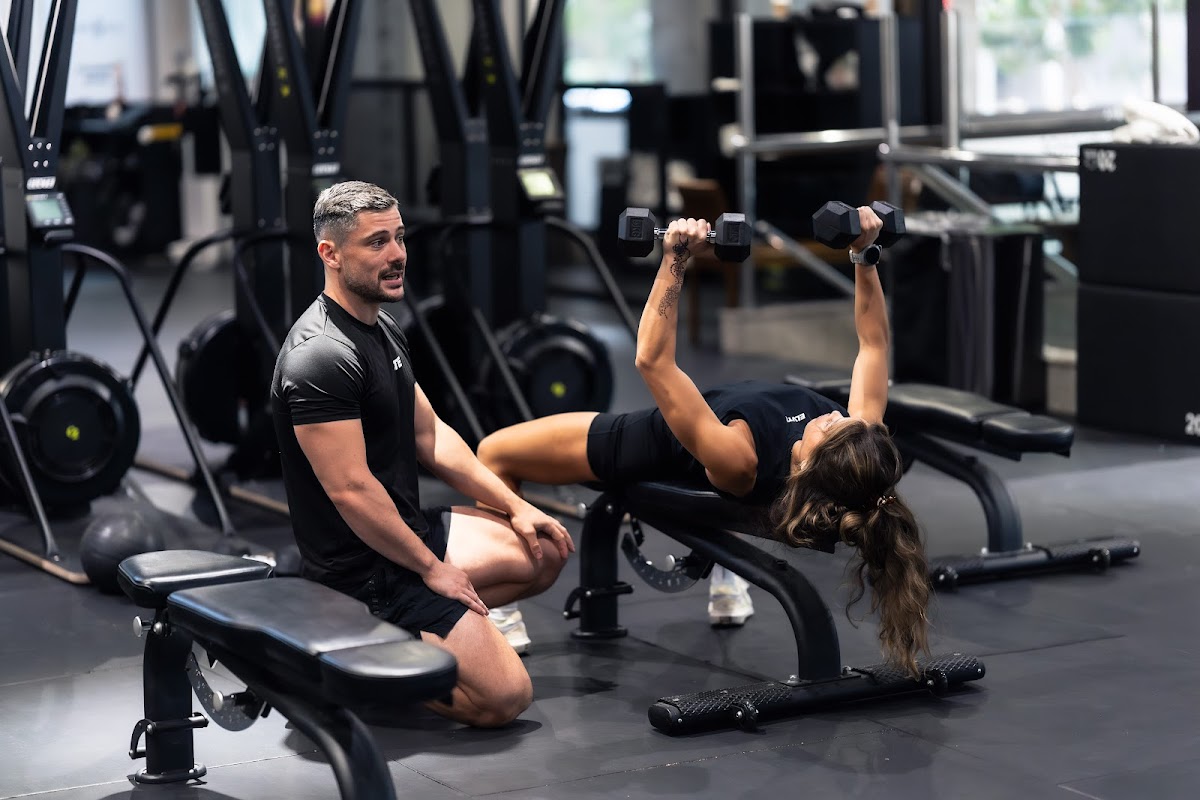
PREMIUM GYM ENVIRONMENT
⭐ 5/5 (53 reviews) • Contact for pricing • Cecil Street CBD
DRESS CODE:
Upscale athletic wear expected — think Lululemon, not Pasar Malam finds
WHAT MEMBERS WEAR:
High-end brands, matching sets, premium fabrics
This CBD boutique gym sets the standard for premium fitness fashion. Members dress to impress, but the air-con is powerful enough that moisture-wicking becomes less critical than looking professional.
View Details →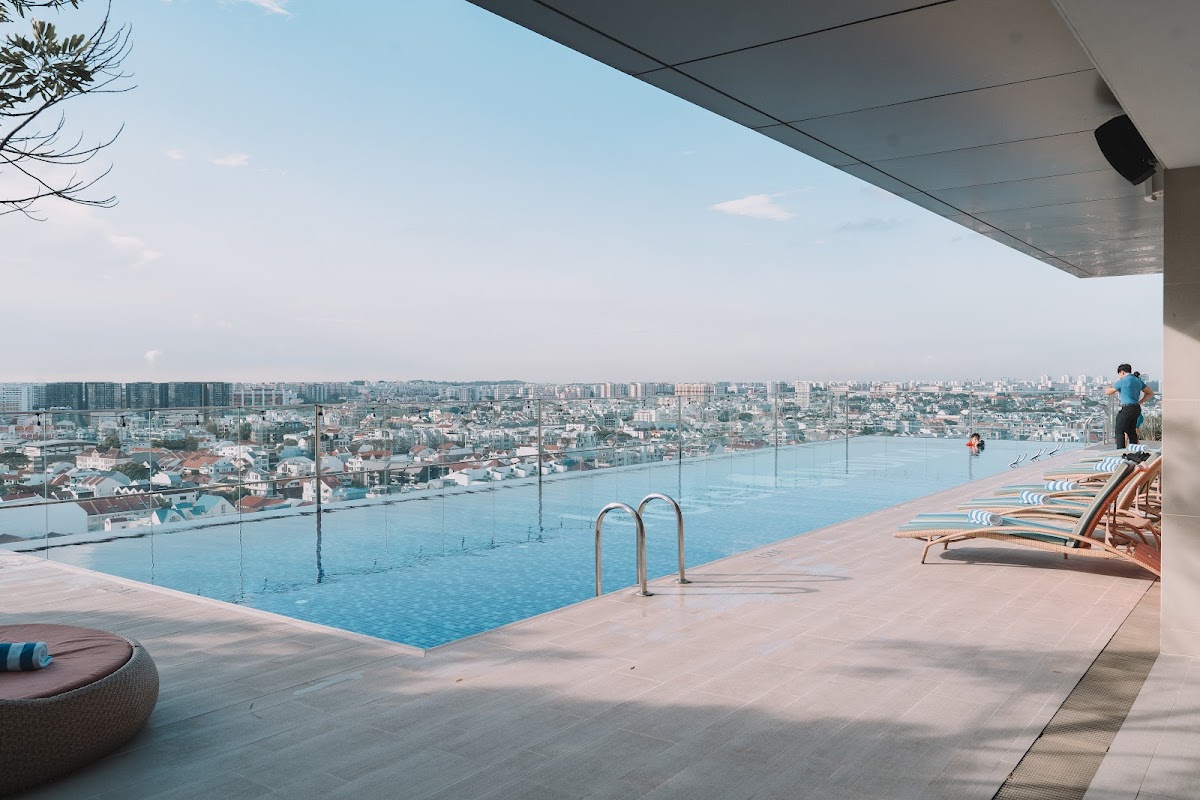
BOUTIQUE FITNESS STYLE
⭐ 5/5 (9 reviews) • Contact for pricing • East Coast hotel location
ATMOSPHERE:
Hotel gym vibe means smart-casual athletic wear fits the environment
PRACTICAL NEEDS:
Towels essential, moisture-wicking fabrics for the humid coastal location
Located in Hotel Indigo Katong, this gym bridges the gap between luxury and practicality. You'll want to look presentable for the hotel environment while staying comfortable during intense workouts.
View Details →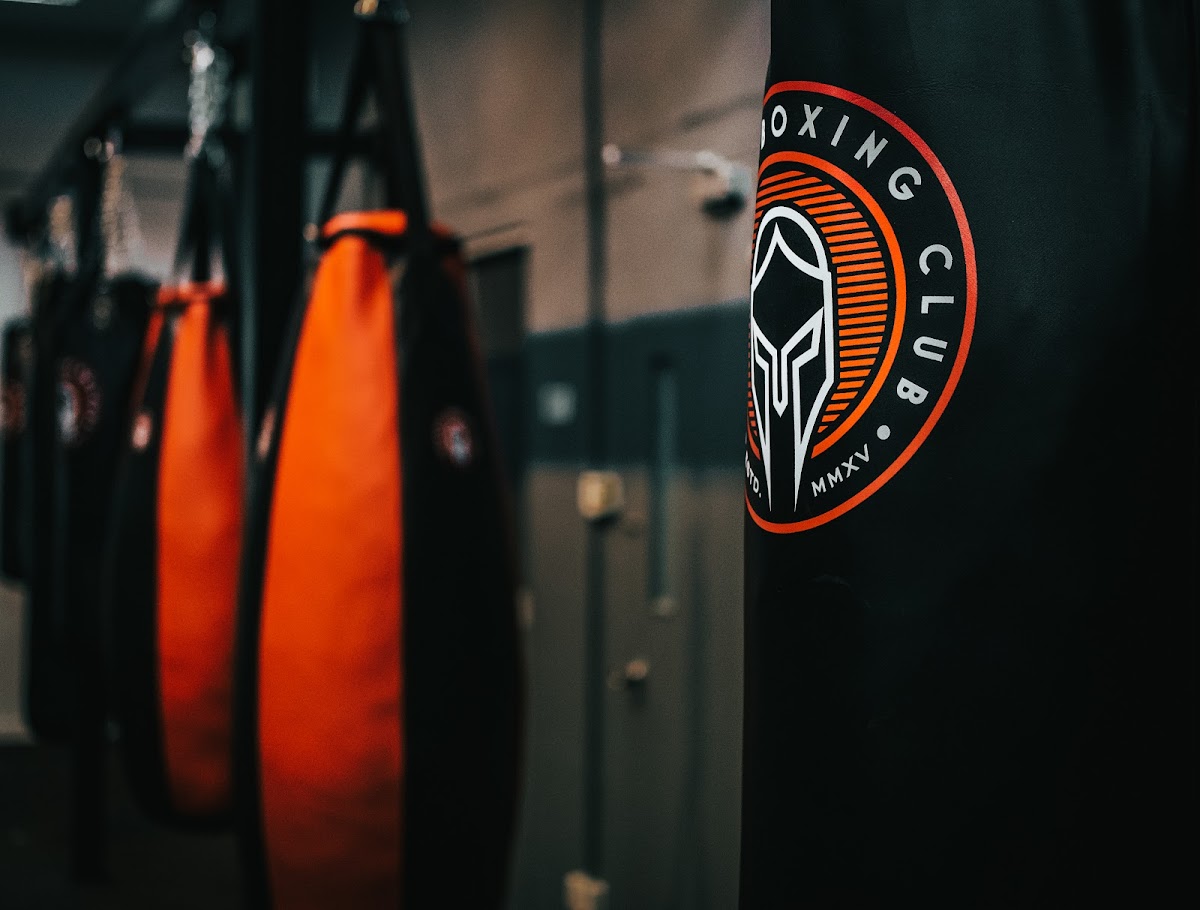
MARTIAL ARTS REQUIREMENTS
⭐ 5/5 (359 reviews) • $150-250/mo • Jurong West boxing specialist
FOOTWEAR CRITICAL:
Boxing shoes or flat-soled trainers — NO running shoes (terrible for lateral movement)
CLOTHING NEEDS:
Shorts that won't restrict kicks, moisture-wicking tops, hand wraps provided
The regulars here know exactly what works for combat sports.
View Details →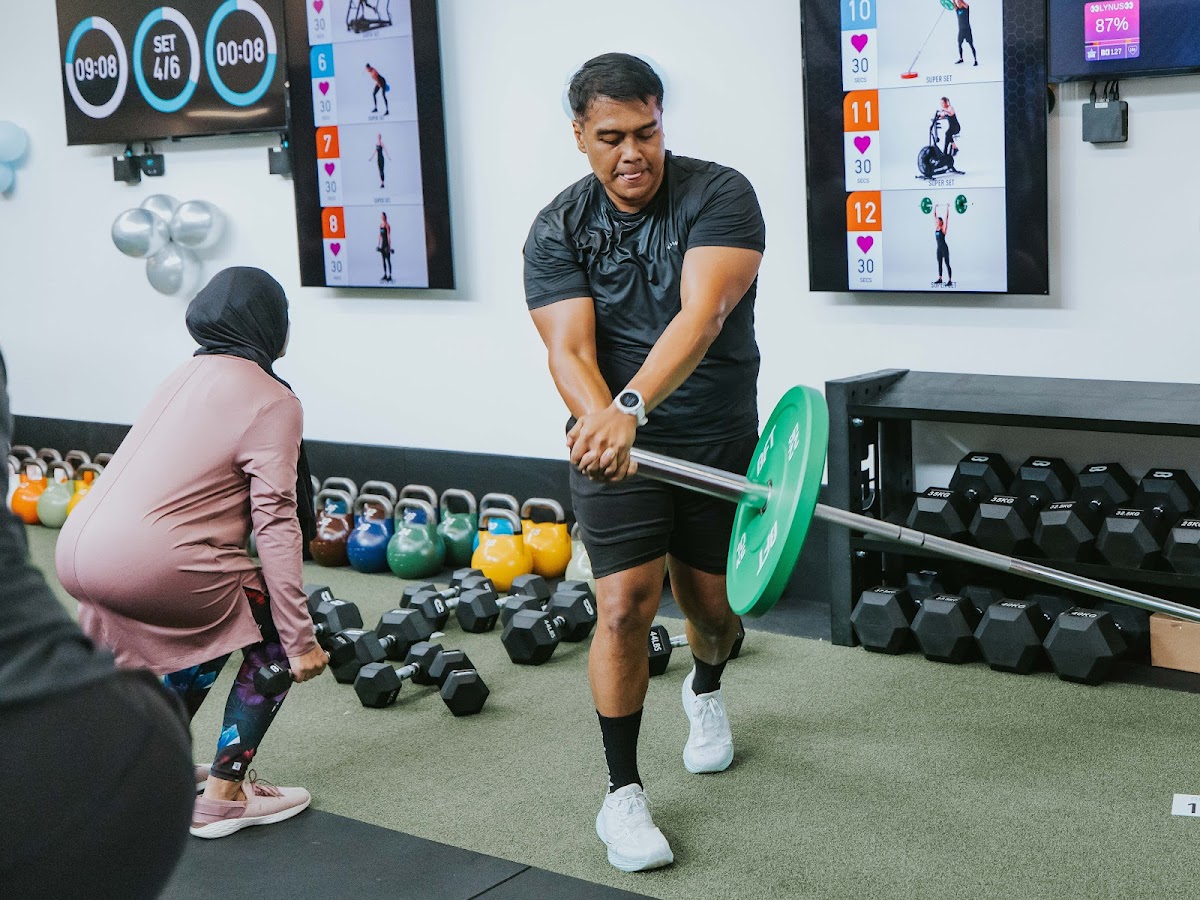
HIGH-INTENSITY GROUP FITNESS
⭐ 5/5 (3 reviews) • $280-350/mo • HIIT specialist with day passes
SWEAT FACTOR:
Extreme — bring multiple towels, fastest-drying clothes you own
SHOE REQUIREMENTS:
Cross-trainers with excellent grip for burpees, jumping, rapid direction changes
BFT (Body Fit Training) will destroy whatever you're wearing through sheer sweat volume. $40 day passes let you test your gear before committing to a full membership. Trust me, cotton shirts become unwearable here.
View Details →Fabric Science: What Actually Works
The Winners: -Polyester blends (60-80% poly, 20-40% cotton) : Sweet spot for durability, moisture management, and comfort. Decathlon's basic range nails this for $15-25 per piece. -
100% polyester with mesh panels: Maximum moisture-wicking, dries within minutes. Feels plasticky at first but becomes your go-to for intense sessions. - Merino wool blends: Expensive ($60+ per shirt) but genuinely odor-resistant and temperature-regulating. Worth it if you're doing back-to-back classes. The Disasters: - 100% cotton: Stays wet for hours, becomes heavy, starts smelling quickly in Singapore's humidity. Learned this at Fitness Corner during a particularly brutal deadlift session. - Cotton-poly blends over 50% cotton: Still too absorbent, takes forever to dry between exercises. - "Moisture-wicking" marketing without polyester: Often just cotton treated with chemicals that wash out after 5-10 cycles. The fabric composition tag tells you everything. 65% polyester, 35% cotton? Perfect. 80% cotton, 20% polyester? Skip it. 100% polyester? Great for HIIT, might feel plasticky for casual lifting.Footwear Guide by Workout Type
| Workout Type | Best Shoe | Price Range | Avoid |
|---|---|---|---|
| General Weight Training | Cross-trainers | $80-150 | Running shoes |
| Heavy Squats/Deadlifts | Flat-soled or barefoot | $60-120 | Cushioned running shoes |
| HIIT/Circuit Training | Cross-trainers with grip | $90-180 | Minimalist shoes |
| Boxing/Martial Arts | Boxing shoes or flat trainers | $70-200 | Running shoes |
| Treadmill Running | Proper running shoes | $120-250 | Cross-trainers |
Here's the shoe reality: Most Singaporeans buy running shoes and expect them to work for everything. They don't. Running shoes have thick, cushioned heels designed for forward motion. Try squatting in them and you'll feel unstable — that squishy sole compresses unevenly under heavy weight.
For most people doing varied workouts, cross-trainers are the best compromise. Nike Metcons, Reebok Nanos, or even Decathlon's $60 cross-trainers handle everything from burpees to moderate weightlifting. Just don't expect them to be perfect for running more than 2-3km.
Singapore-Specific Considerations
Towel Requirements Every gym here requires towels — not suggestions, actual requirements. Pack two: one for your body, one for wiping down equipment. Most gyms sell small towels for $5-15, but they're overpriced. Better to buy a pack of microfiber towels from NTUC for $8.
Air-Con Shock Singapore gyms range from "arctic" to "barely cool." Boutique studios in Orchard might blast AC at 18°C, while neighbourhood gyms hover around 26°C. Layer light pieces you can remove — thin long sleeves over tank tops work well. The worst is starting your workout shivering, then overheating 15 minutes in.
Humidity Management Even with air-con, humidity seeps in every time someone opens the door. Your clothes might feel damp before you even start exercising. This is why synthetic fabrics matter more here than in dry climates. Cotton stays wet, synthetic bounces back.
Equipment Sharing Gyms are packed during peak hours (6-8pm weekdays, weekend mornings). You'll be sharing equipment constantly, which means more towel usage and potential for your clothes to get sweaty from someone else's equipment. Always bring disinfectant wipes or rely on the gym's cleaning supplies.
How to Choose Your Gym Wardrobe
IF YOU'RE: A Gym Newbie
Start with basics: 2-3 polyester blend tees, 2 pairs of shorts, cross-trainers, towels. Budget: $150-200 total.
Shopping list: Decathlon basics, microfiber towels, cross-training shoes
IF YOU'RE: Serious About Lifting
Invest in proper shoes: flat-soled for heavy days, cross-trainers for accessories. Quality matters for consistency.
Key items: Adidas Adipower III Lifting Shoes on Amazon, flat shoes, moisture-wicking shirts
IF YOU'RE: Budget-Conscious
Decathlon and Cotton On Body have solid basics under $25 per piece. Skip premium brands until you know what you need.
Strategy: Buy 2-3 pieces, test extensively, then buy more of what works
IF YOU'RE: Into Group Classes
Multiple outfit changes needed for back-to-back classes. Focus on quick-dry fabrics and breathable designs.
Priority: workout sets in fast-drying materials, multiple towels
Singapore Gym Fashion Don'ts
Jeans or Long Pants: Check your gym’s clothing rules before visiting. Choose clothes that allow the movements in your session and feel comfortable at the venue’s temperature; a particular trouser length is not a universal rule. Flip-Flops or Sandals: Safety issue and most gyms explicitly ban open-toed shoes. Dropped weights happen more often than you'd think. No Shirt (Men): Some outdoor gyms allow it, but indoor gyms require shirts. Even tank tops need to cover most of your torso. Brand Mixing Gone Wrong: Wearing full Adidas with Nike shoes screams "gym tourist." Not wrong, just obvious. Singapore gym regulars tend to be more subtle with brands.Too Much Compression : Full compression everything looks try-hard unless you're genuinely athletic. Start with normal-fit clothes and add compression pieces based on actual needs.
The golden rule: You should look like you work out regularly but aren't trying to prove it through your outfit alone.
Insider Tips You Won't Learn Anywhere Else
Peak Hour Strategy: Pack an extra shirt if you're going between 6-8pm. Gyms are packed, AC struggles, and you'll sweat more waiting for equipment than during your actual workout. Locker Room Reality: Many Singapore gyms have tiny lockers. Your gym bag needs to fit, so avoid bulky clothes. Thin, packable layers work better than thick cotton hoodies. Shoes for MRT Commuting: If you're taking public transport to the gym, wear your workout shoes or pack them efficiently. Changing shoes in MRT station bathrooms is awkward and time-consuming. Monsoon Season Planning: During heavy rain periods, have backup clothes at the gym. Nothing worse than finishing a great workout only to realize your dry clothes are soaked from the 30-second walk from MRT to gym entrance. Cultural Considerations: Singapore is conservative compared to places like California gym culture. Extremely short shorts or very low-cut tops might draw attention in neighborhood gyms. Upscale places like ELVTE are more liberal, but community centers and HDB-area gyms skew modest. For those curious about broader gym culture, our gym etiquette guide covers the unwritten social rules that go beyond just what to wear.Frequently Asked Questions
Can I wear cotton t-shirts to Singapore gyms?
You can, but you'll regret it after 15 minutes. Cotton absorbs sweat and stays wet for hours in Singapore's humidity. Stick to polyester blends or synthetic fabrics for comfort and hygiene.
Do I need different shoes for different workouts?
Ideally, yes. Running shoes for cardio, flat shoes for heavy squats/deadlifts, and cross-trainers for everything else. But if you're just starting, decent cross-trainers ($80-120) handle 80% of gym activities well. Avoid using running shoes for weightlifting — the cushioned heel makes you unstable under heavy loads.
What's the towel policy at Singapore gyms?
Mandatory at virtually all gyms. You need towels to wipe equipment before and after use — it's both hygiene and courtesy. Pack two: one for your body, one for equipment. Microfiber towels from NTUC ($3-5 each) work better than expensive gym towels. Some gyms like OneFitFinity provide towels, but don't assume — always pack your own.
Are there dress codes at upscale Singapore gyms?
Not formal dress codes, but there are unspoken standards. Places like ELVTE or hotel gyms expect you to look put-together — think matching sets, name brands, no raggedy clothes. Budget gyms and ActiveSG are more relaxed. The rule: dress slightly better than you think necessary for upscale places, normal workout clothes for everywhere else.
Where should I buy gym clothes in Singapore?
Decathlon has the best value — good quality basics for $15-35 per piece. Cotton On Body is cheaper but lower quality. For premium, Lululemon and Nike stores at Orchard Road, but expect $80-150 per item. Online options: Zalora often has sales, Amazon Singapore for basics. Avoid buying expensive gear until you know what you actually need after a few months of regular workouts.
Can I work out barefoot in Singapore gyms?
Generally no for hygiene reasons, but some allow it for specific exercises like deadlifts or squats. Spartans Boxing Club allows barefoot training for certain martial arts drills. Check with gym staff first. For heavy lifting, barefoot or socks can actually improve your stability compared to cushioned shoes, but most gyms require covered feet at all times.
Should I bring extra clothes for after workouts?
Definitely if you're not going straight home. Singapore's humidity means your workout clothes will be soaked, and air-con in malls/offices will make you freezing. Pack a clean t-shirt and maybe light jacket. If you're taking MRT during peak hours, you'll appreciate having dry clothes to change into. Pro tip: pack clothes in a plastic bag to keep them dry from your sweaty workout gear.
Your Action Plan
Stop overthinking and start with the basics. Here's what to buy this week:
Immediate Purchases- 2-3 polyester blend t-shirts or tank tops
- 2 pairs of shorts (above the knee, with liner or compression shorts underneath)
- 1 pair of cross-training shoes
- Specialized shoes if you develop specific interests (lifting, running, martial arts)
- Extra clothes for different seasons or workout intensities
- Premium pieces once you know what features matter to you
Check the gym’s clothing and footwear requirements first. Start with suitable clothes you already own, then decide what needs replacing after you understand the activities you will do.
Start simple. Upgrade based on experience, not marketing. And remember — the best gym outfit is one that makes you want to work out more often, not one that looks perfect in Instagram photos.
If you're ready to put that new gym gear to use, check out our first-time gym guide for what to expect on your first visit, or browse our budget gym recommendations to find the perfect place to start your fitness journey without breaking the bank.
Related Guides
Other gym listings: REVL Training Bukit Timah, Fitness Mode Lavender.
Treadmill Guide for Beginners Singapore
Treadmill Guide for Beginners Singapore. Expert Singapore fitness guide with actionable advice, local tips, an
Your First Week at the Gym: Singapore Plan
Your First Week at the Gym: Singapore Plan. Expert Singapore fitness guide with actionable advice, local tips,
Your First Month at the Gym: Singapore Plan
Your First Month at the Gym: Singapore Plan. Expert Singapore fitness guide with actionable advice, local tips
Warm-Up Guide: Prepare for Your Workout Singapore
Warm-Up Guide: Prepare for Your Workout Singapore. Expert Singapore fitness guide with actionable advice, loca