Gym Mistakes to Avoid: Singapore Beginner Guide
Gym Mistakes to Avoid: Singapore Beginner Guide. Expert Singapore fitness guide with actionable advice, local tips, and gym recommendations.
As an Amazon Associate, Gyms.sg earns from qualifying purchases. Links here, including to our partner brand OnWhey, may earn us a commission at no extra cost to you.
QUICK ANSWER: Common Gym Mistakes
Skip the ego lifting and wipe down equipment after use. Most Singapore beginners fail at form over weight and ignore progressive overload — start light, focus on technique, track your lifts.
The Hard Truths About Gym Mistakes in Singapore
I've watched the same mistakes happen at every gym from $15 ActiveSG sessions to $300/month boutique studios. The location changes, the equipment gets fancier, but beginners make identical errors that kill their progress and sometimes their shoulders.
After 8 years of gym-hopping across Singapore — from packed Fitness First outlets to tiny HDB void deck setups — these are the mistakes that separate people who see results from those who quit after 3 months. The good news? They're all fixable once you know what to watch for.
This isn't about being perfect from day one. It's about avoiding the specific mistakes that waste your time, money, and potentially get you injured in Singapore's unique gym environment. Hot, humid, crowded, and often lacking proper guidance from staff who are more sales-focused than fitness-focused.
The Biggest Form Mistakes (And How to Fix Them)
Mistake #1: Ego Lifting from Day One
Walk into any Singapore gym at 7pm and you'll see it — guys loading up the barbell with weight they clearly can't handle, half-repping bench press while their spotting friend does most of the work. I did this too when I started at the YMCA near Raffles Place.
Your ego wants to lift heavy immediately. Your joints and tendons need 6-8 weeks to adapt to resistance training. Start embarrassingly light — if you think you can squat 60kg, start with 40kg and focus on perfect form for 2-3 weeks.
The Fix: Use the "conversation test" — you should be able to hold a brief chat between sets without gasping. If you can't, the weight is too heavy. Progressive overload works best when you add 2.5-5kg per week, not 10-20kg jumps.
Mistake #2: Quarter Squats and Half Push-Ups
Range of motion matters more than the number on the weight stack. I see this constantly at commercial gyms — people doing "squats" that barely bend their knees, push-ups that don't touch the chest, lat pulldowns that stop at their forehead.
Full range of motion builds actual strength and prevents muscle imbalances that lead to injury. A proper squat goes hip crease below knee cap. A real push-up touches your chest to the floor. Pull-ups start from a dead hang.
The Fix: Drop the weight by 30-40% and do full range of motion. Your muscles will work harder, you'll see better results, and you'll look like you actually know what you're doing. Check out our guide to proper squatting technique for detailed form cues.
Mistake #3: Ignoring Warm-Up and Cool-Down
Singapore's 30°C heat tricks people into thinking they don't need to warm up. Your muscles might feel warm, but your joints aren't ready for loaded movement. I learned this the hard way with a tweaked lower back from jumping straight into deadlifts at Virgin Active.
A proper warm-up takes 5-10 minutes and prepares your nervous system, not just your muscles. Dynamic stretches, light cardio, and movement prep specific to your workout prevent injury and improve performance.
The Fix: Follow our complete warm-up guide and don't skip the cool-down either. Your recovery depends on it, and our cool-down guide shows you exactly what to do.
Program and Progress Mistakes
Mistake #4: Random Workouts Without Structure
This is the classic "I'll do whatever feels good today" approach. Monday chest, Tuesday... also chest because you like bench press. Wednesday shoulders, Thursday chest again. No back work, minimal legs, zero progression tracking.
Your body adapts to consistent progressive stimulus, not random movements. Without a structured program, you'll spin your wheels for months wondering why you're not getting stronger or building muscle.
The Fix: Follow a proven beginner program like Starting Strength or StrongLifts 5x5 for 3-6 months. These programs tell you exactly which exercises to do, how many sets and reps, when to add weight, and when to rest. Boring but effective.
Mistake #5: Not Tracking Your Lifts
If you can't remember what weight you used last week, how do you know if you're getting stronger? I see people at the gym doing the same weight for months because they never write anything down or use an app to track progress.
Progressive overload — gradually increasing weight, reps, or sets over time — is the foundation of all strength and muscle building. Without tracking, you're just doing cardio with weights.
The Fix: Use a notebook, phone app, or even voice memos to record every set. Track weight, reps, and how the set felt (RPE 1-10). Week by week, aim to beat your previous numbers by adding 2.5-5kg or one extra rep.
Mistake #6: Program Hopping Every 2 Weeks
Instagram fitness influencers make this worse — every week there's a new "game-changing" routine that promises faster results. Beginners try one program for 10 days, don't see dramatic changes, then jump to something else.
Real strength adaptations take 4-6 weeks minimum. Muscle building takes 8-12 weeks to become visually apparent. Constantly switching programs means you never give any single approach enough time to work.
The Fix: Commit to one beginner program for 12 weeks minimum. Master the basic movement patterns first before trying advanced techniques or specialization programs. Consistency beats optimization every time.
Singapore-Specific Gym Etiquette Mistakes
Mistake #7: Not Wiping Down Equipment
Singapore's humidity means everyone sweats more, but some people act like the cleaning stations don't exist. Leaving puddles of sweat on the bench press is gross and disrespectful to other members.
Every gym provides cleaning supplies — use them. It takes 10 seconds to wipe down a bench or machine after use. This isn't optional; it's basic courtesy in a shared space.
The Fix: Wipe before and after using equipment. Bring a small towel to put between you and bench surfaces during use. Check out our complete guide to Singapore gym etiquette for more unwritten rules.
Mistake #8: Hogging Equipment During Peak Hours
Peak hours (6-8pm weekdays) are brutal at most Singapore gyms. Taking 20-minute rest periods between squat sets or doing supersets that require 3 different machines simultaneously makes you that person everyone hates.
Be aware of the crowd and adjust accordingly. If there's a queue for the squat rack, don't do your entire leg workout there. Let people work in between your sets, especially for compound movements.
The Fix: Keep rest periods to 2-3 minutes during busy times. Offer to let others work in between your sets. Save complex supersets and circuits for off-peak hours (2-5pm or after 9pm).
Best Gyms for Beginners to Avoid These Mistakes
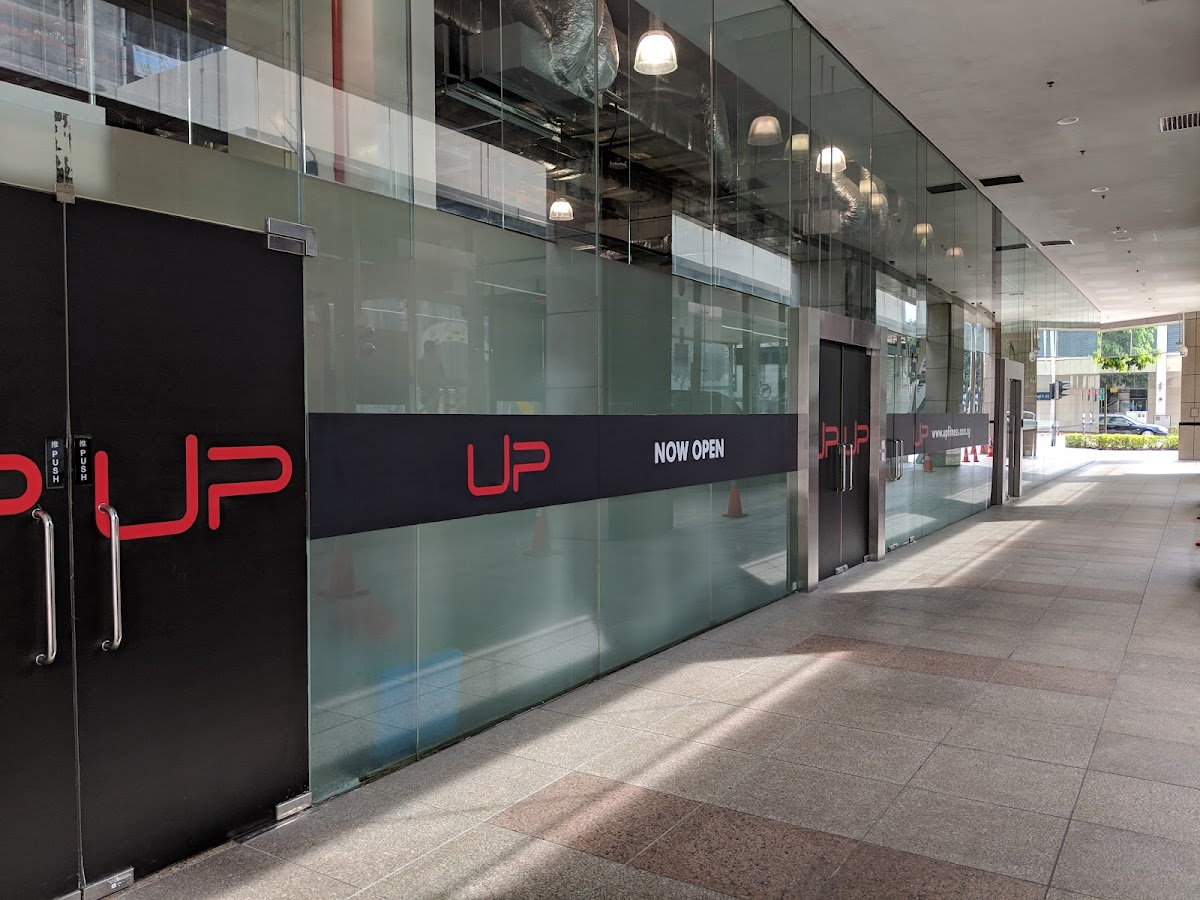
ULTIMATE PERFORMANCE CBD
⭐ 5/5 (1,323 reviews) • Contact for pricing • CBD
BEST FOR:
Beginners who want professional coaching to avoid form mistakes
NOT IDEAL FOR:
Budget-conscious beginners — this is premium personal training
If you have the budget, this eliminates 90% of beginner mistakes through proper coaching. Their trainers actually know anatomy and programming, not just motivational shouting. Expensive but worth it if you're serious.
View Details →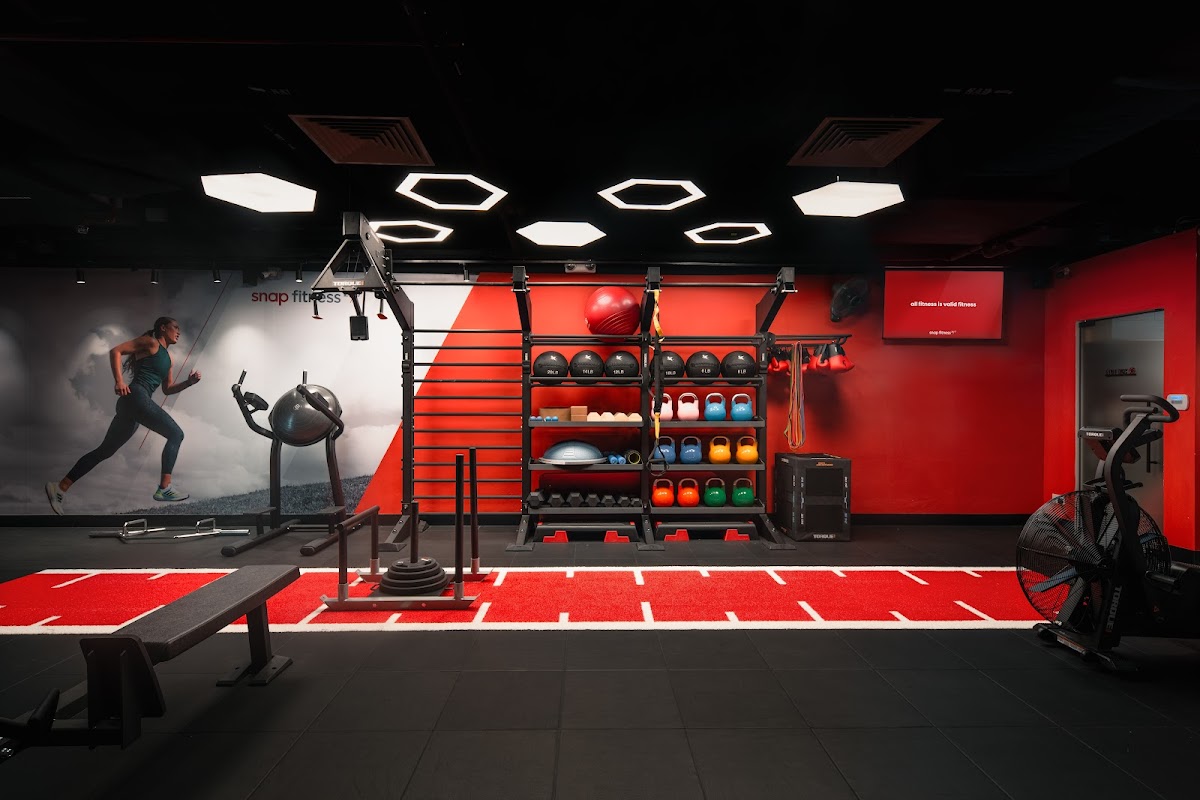
SNAP FITNESS WOODLANDS
⭐ 5/5 (48 reviews) • $70-120/mo • Woodlands
BEST FOR:
24-hour access for avoiding peak hour chaos and ego lifters
NOT IDEAL FOR:
People who need constant guidance — minimal staff overnight
The 24-hour access lets you avoid the 6-8pm circus and practice proper form without judgment. Equipment is solid, space is adequate, and you can take your time learning movements at 10pm or 6am.
View Details →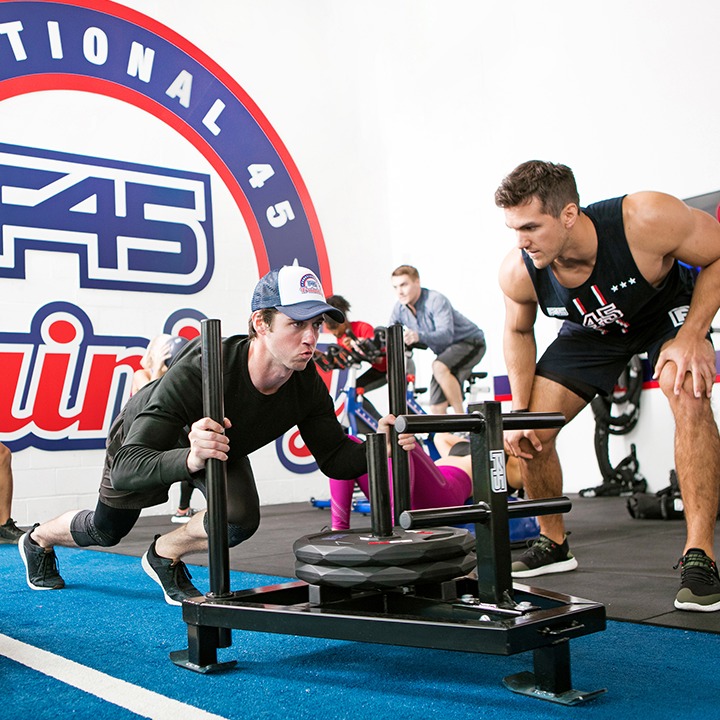
F45 TRAINING TANJONG RHU
⭐ 5/5 (207 reviews) • $238-316/mo • Stadium
BEST FOR:
Structured programming that eliminates decision paralysis
NOT IDEAL FOR:
People who want to learn basic barbell movements — limited here
Removes the guesswork with pre-planned workouts and coaching. You can't make programming mistakes when the workout is designed for you. Great for building base fitness before moving to traditional weightlifting.
View Details →Nutrition and Recovery Mistakes
Mistake #9: Extreme Dieting While Starting Exercise
Beginners often try to lose fat and build muscle simultaneously by eating 1200 calories while doing intense workouts 6 days per week. Your body needs fuel to recover from training and build new muscle tissue.
Extreme calorie restriction while exercising leads to fatigue, poor recovery, increased injury risk, and ultimately giving up after 3-4 weeks. You need adequate protein and total calories to see results from your training.
The Fix: Eat at maintenance calories or a modest deficit (300-500 calories below maintenance) while focusing on 0.8-1g protein per pound of body weight. Build the exercise habit first, then adjust nutrition gradually.
Mistake #10: Ignoring Sleep and Recovery
Singapore's work culture doesn't help here — people staying late at the office, then rushing to the gym at 8pm, getting home at 10pm, then scrolling Instagram until midnight. Five hours of sleep won't support your training adaptations.
Muscle growth and strength gains happen during recovery, not during the workout. Poor sleep impairs protein synthesis, hormone production, and cognitive function needed for proper form and progression.
The Fix: Prioritize 7-9 hours of sleep. If you can only train at 8pm, have a light post-workout meal and create a wind-down routine. Consider a 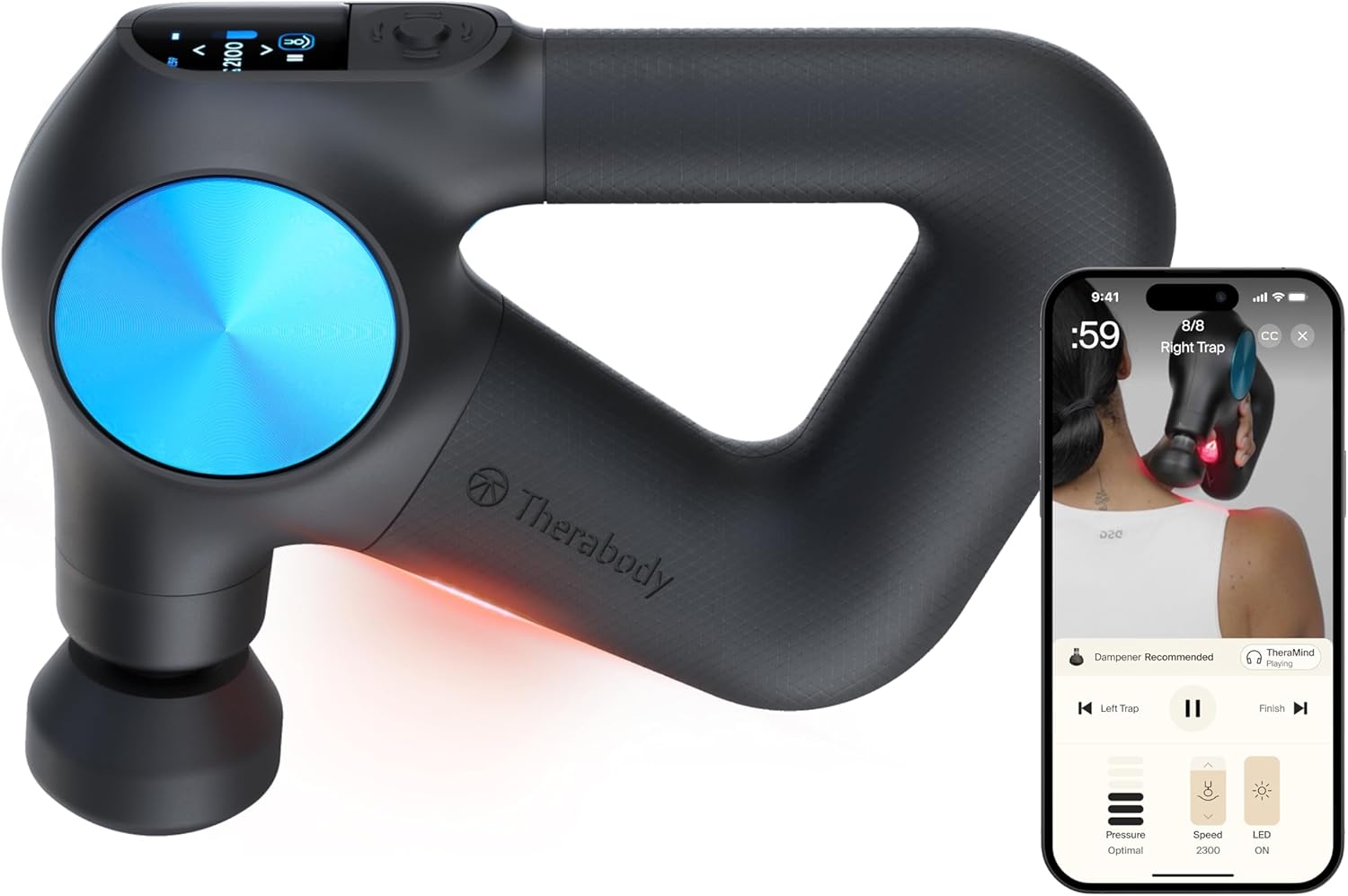 massage gun like the Theragun for faster recovery after intense sessions.
Mistake #11: Dehydration in Singapore's Climate
The combination of air-conditioned gyms, high humidity, and not drinking enough water creates a perfect storm for poor performance and cramping. Most people underestimate how much they sweat during a workout here.
Dehydration reduces strength, endurance, and cognitive function. It also increases injury risk because your muscles and joints don't function optimally without adequate hydration.
The Fix: Drink 500ml of water 2 hours before training, sip 150-200ml every 15-20 minutes during your workout, and replace what you lose afterward. Monitor your urine color — pale yellow is the goal.
Equipment and Safety Mistakes
Mistake #12: Using Machines Before Learning Free Weights
Machines feel safer and easier, so beginners gravitate toward them exclusively. But machines limit your range of motion, don't work stabilizing muscles, and create strength imbalances that show up when you try real-world movements.
Free weight exercises like squats, deadlifts, and push-ups teach your body to work as a coordinated system. They build functional strength that transfers to daily activities and sports.
The Fix: Start with bodyweight versions of major movements, then progress to free weights. Use machines as accessories, not primary exercises. Our guides to squats, deadlifts, and push-ups cover proper progression.
Mistake #13: Poor Footwear Choice
Running shoes with thick, squishy heels are terrible for weightlifting. They create instability during squats and deadlifts, reduce force transfer, and can cause ankle and knee problems over time.
Flat, firm shoes provide better stability and ground connection for lifting. Many people train barefoot or in minimal shoes once they understand the difference it makes to their lifts.
The Fix: Invest in proper lifting shoes like Nike Romaleos or train in flat-soled shoes like Converse Chuck Taylors. Save running shoes for cardio only.
Mental and Motivational Mistakes
Mistake #14: All-or-Nothing Mentality
Missing one workout becomes missing a week. One "cheat meal" becomes a weekend binge. Beginners often quit entirely when they can't maintain perfect consistency, rather than getting back on track immediately.
Consistency over perfection wins every time. Two workouts per week for 52 weeks beats four workouts per week for 6 weeks, then nothing for the rest of the year.
The Fix: Plan for imperfection. Have a "minimum effective dose" workout (20 minutes of basic movements) for busy days. Miss once, get back immediately — don't wait until Monday to restart. Read our guide to overcoming gym anxiety for mental strategies.
Mistake #15: Comparing Yourself to Others
Social media makes this worse, but it happens in the gym too. Watching someone squat 100kg on your first day and feeling inadequate. Comparing your week 1 physique to someone who's been training for 5 years.
Everyone started somewhere. The guy doing 100kg squats probably started with bodyweight squats too. Focus on your own progress and celebrate small wins — adding 2.5kg to your lift or doing one more push-up is progress worth acknowledging.
The Fix: Track your own metrics and compare them to your past self only. Set realistic timelines using our guide to realistic gym timelines. Remember that consistency beats intensity for beginners.
| Mistake Category | Severity | Time to Fix | Priority |
|---|---|---|---|
| Form & Technique | High | 2-4 weeks | Critical |
| Program Structure | High | 1 day | Critical |
| Gym Etiquette | Medium | Immediate | High |
| Recovery & Nutrition | Medium | 2-3 weeks | High |
| Mental Approach | Low | Ongoing | Medium |
How to Choose the Right Approach for You
IF YOU'RE: Complete Newbie
Focus on: Form over weight, structured program, proper warm-up, gym etiquette basics
Start with: F45 classes or coaching
IF YOU'RE: Self-Motivated Learner
Focus on: Video tutorials, tracking progress, starting light, consistent schedule
Start with: 24-hour gyms for practice
IF YOU'RE: Anxiety-Prone
Focus on: Off-peak hours, bodyweight first, familiar equipment, gradual progression
Start with: Small local gyms or home workouts
IF YOU'RE: Budget-Conscious
Focus on: ActiveSG, bodyweight progressions, basic equipment mastery
Start with: Community centers and home workouts
Insider Tips for Avoiding Mistakes
Film yourself (discreetly): Most Singapore gyms allow phone use. Record your lifts from the side to check form. What feels right often looks wrong when you see it on video. Just be respectful about it — no one else wants to be in your footage.
Train during off-peak hours initially: 2-5pm weekdays or early morning (6-8am) gives you space to practice without the evening rush crowd. You can ask questions, take time setting up equipment, and not feel pressured by people waiting.
Start with a gym buddy who knows what they're doing: Not another beginner — find someone with 2+ years of consistent training. They can spot obvious form issues and prevent you from developing bad habits that take months to unlearn.
Invest in basic accessories early: A good pair of wireless earbuds keeps you focused, proper shoes improve your lifts, and a simple notebook tracks your progress better than most apps.
Learn to fail safely: Practice bailing out of squats in the rack, know how to dump weight during bench press, understand when to stop a set before form completely breaks down. This confidence lets you push harder without fear.
How much weight should I start with as a complete beginner?
Start with bodyweight movements for 2-3 sessions, then add minimal weight — empty barbell (20kg) for compound movements, 5-10kg dumbbells for accessories. You should be able to complete all reps with perfect form and feel like you could do 3-5 more. Progressive overload works better when you start too light than too heavy.
Should I do cardio or weights first as a beginner?
Weights first, always. Strength training requires more focus and energy for proper form. Do 5 minutes of light cardio as warm-up, complete your resistance training, then add 10-20 minutes of cardio if you want. Trying to deadlift properly after a 30-minute treadmill session is asking for injury.
How often should I change my workout routine?
Stick with the same basic program for 12-16 weeks minimum. You can add small variations (different grip, tempo changes) but don't completely overhaul your routine until you've mastered the fundamental movements and stopped making consistent progress on your current program.
Is it worth hiring a personal trainer in Singapore?
For 4-8 sessions to learn proper form, absolutely. Skip trainers who focus on motivation and circuits — find one who teaches barbell movements and progression principles. Budget $80-150 per session. Ultimate Performance is expensive but their trainers actually know what they're doing.
What's the biggest mistake beginners make with nutrition?
Trying to lose fat and build muscle simultaneously by eating too little. Focus on adequate protein (0.8-1g per pound bodyweight) and eating at maintenance calories while you build the exercise habit. Extreme dieting while starting a workout routine leads to fatigue, poor recovery, and usually giving up after 3-4 weeks.
How do I know if my form is correct without a trainer?
Which gym chains in Singapore are most beginner-friendly?
Snap Fitness locations tend to be smaller and less intimidating with decent equipment. F45 provides structure and coaching but limited equipment variety. Avoid peak hours at any commercial gym (6-8pm weekdays) when you're learning. Check out our first-time gym guide for more specific recommendations.
Your Action Plan: Fix These Mistakes Now
Don't try to fix everything at once. Pick the three mistakes that apply most to your situation and focus on those for the next month. Once they become habits, address the next batch.
Most beginners quit because they get overwhelmed or injured, both of which come from the mistakes outlined above. Focus on consistency over perfection, form over weight, and progressive overload over random workouts.
The biggest mistake you can make is not starting at all because you're worried about making mistakes. Everyone who's strong now was weak once. Everyone who has good form once had terrible form. The difference is they started despite being imperfect.
If you need more specific guidance, check out our complete beginner's gym guide for step-by-step instructions, or browse our gym bag essentials guide to make sure you're properly equipped. Start with what you have, where you are, and improve from there.
Related Guides

Complete Beginner's Gym Guide Singapore 2026
Complete Beginner's Gym Guide Singapore 2027. Expert Singapore fitness guide with actionable advice, local tip

Complete Beginner's Gym Guide Singapore 2026
Complete Beginner's Gym Guide Singapore 2026. Expert Singapore fitness guide with actionable advice, local tip
Treadmill Guide for Beginners Singapore
Treadmill Guide for Beginners Singapore. Expert Singapore fitness guide with actionable advice, local tips, an
Your First Week at the Gym: Singapore Plan
Your First Week at the Gym: Singapore Plan. Expert Singapore fitness guide with actionable advice, local tips,