
How to Plank Properly: Singapore Guide
How to Plank Properly: Singapore Guide. Expert Singapore fitness guide with actionable advice, local tips, and gym recommendations.
As an Amazon Associate, Gyms.sg earns from qualifying purchases. Links here, including to our partner brand OnWhey, may earn us a commission at no extra cost to you.
QUICK ANSWER: PERFECT PLANK FORM
Hold straight line from head to heels. Start with 30 seconds, build to 2+ minutes. Most Singapore gym-goers make alignment mistakes — shoulders over wrists, tight core, no sagging hips.
Why Planks Matter in Singapore's Fitness Scene
I've watched hundreds of people plank at Singapore gyms over the years. The exercise looks simple — hold a push-up position, right? Wrong. Most people I see are doing it completely wrong, and in our humid climate, poor form becomes dangerous fast.
Planks are the foundation of core strength, especially important when you're dealing with Singapore's heat and crowded gym conditions. You can't always get to the squat rack during peak hours (6-8pm is brutal everywhere), but you can always find floor space for planks. The question is: are you doing them right?
Step-by-Step Plank Technique
Starting Position:
Get on your forearms and toes. Elbows directly under shoulders — not forward, not back. Most Singapore gym-goers place their elbows too far forward because they're copying what they see on Instagram. This shifts weight to your shoulders and misses the core entirely.
The Setup Sequence:
1. Forearm placement: Elbows under shoulders, forearms parallel or hands clasped
2. Foot position: Toes tucked under, feet hip-width apart
3. Body alignment: Straight line from head to heels — imagine a broomstick on your back
4. Core engagement: Pull belly button toward spine, not sucking in breath
Breathing Pattern:
Breathe normally. I see too many people holding their breath, which kills their hold time and spikes blood pressure. In Singapore's heat, proper breathing becomes even more critical for temperature regulation.
Progression Plan: 30 Seconds to 2+ Minutes
Week 1-2: Foundation Phase
• 3 sets of 30 seconds
• 60 seconds rest between sets
• Focus entirely on form, not duration
Week 3-4: Building Endurance
• 3 sets of 45 seconds
• 45 seconds rest between sets
• Add side planks (20 seconds each side)
Week 5-8: Intermediate Phase
• 4 sets of 60 seconds
• 30 seconds rest between sets
• Add plank variations (leg lifts, arm reaches)
Week 9+: Advanced Training
• 3 sets of 90+ seconds
• 30 seconds rest between sets
• Dynamic plank movements and weighted variations
If you can hold a perfect plank for 2+ minutes, you've got genuine core strength. Anything beyond that is just showing off — focus on harder variations instead. For serious strength goals, check out our deadlift guide which builds on the core stability you're developing here.
Best Singapore Gyms for Plank Training
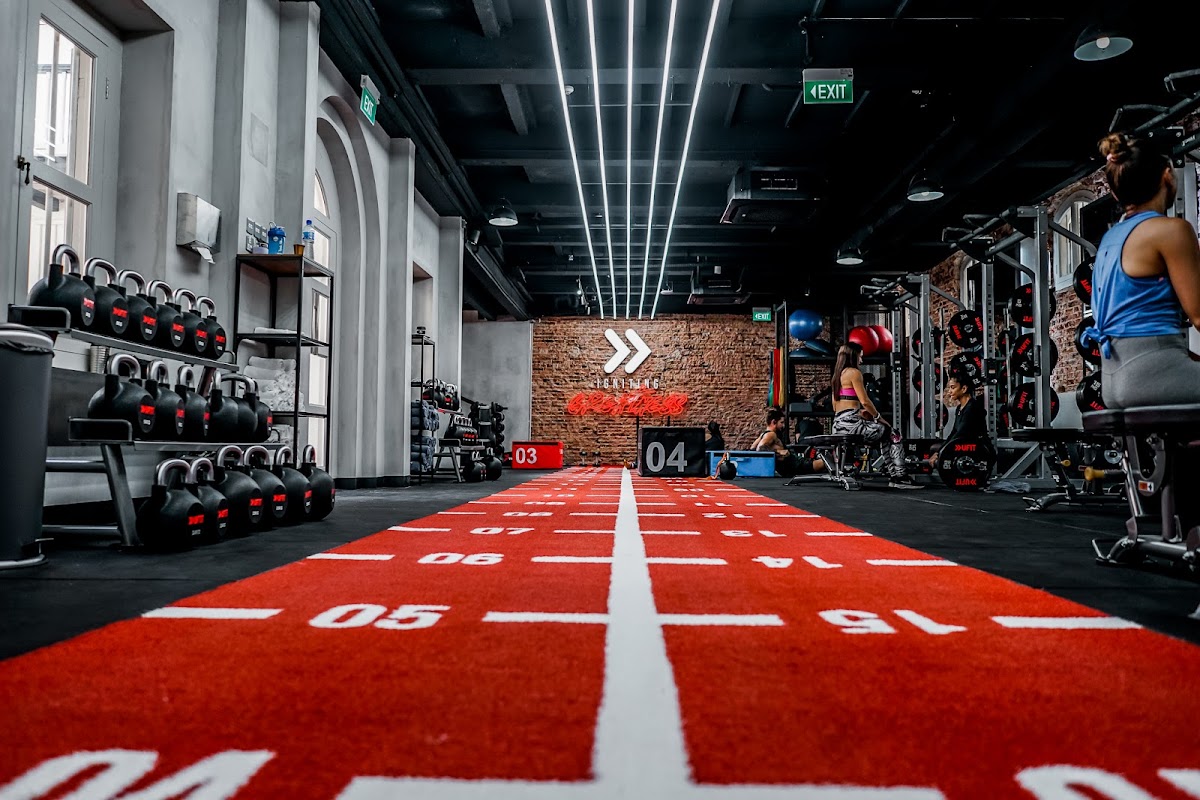
UFIT CBD HUB - CLUB STREET
⭐ 5/5 (477 reviews) • $200-400/mo • Club Street
BEST FOR:
Perfect form coaching and functional movement focus
NOT IDEAL FOR:
Budget-conscious beginners — premium pricing reflects premium service
The trainers here actually know what they're talking about. They'll catch your alignment issues immediately and fix them before you develop bad habits. The open floor space is perfect for plank variations, and the community focus means people actually care about proper form.
View Details →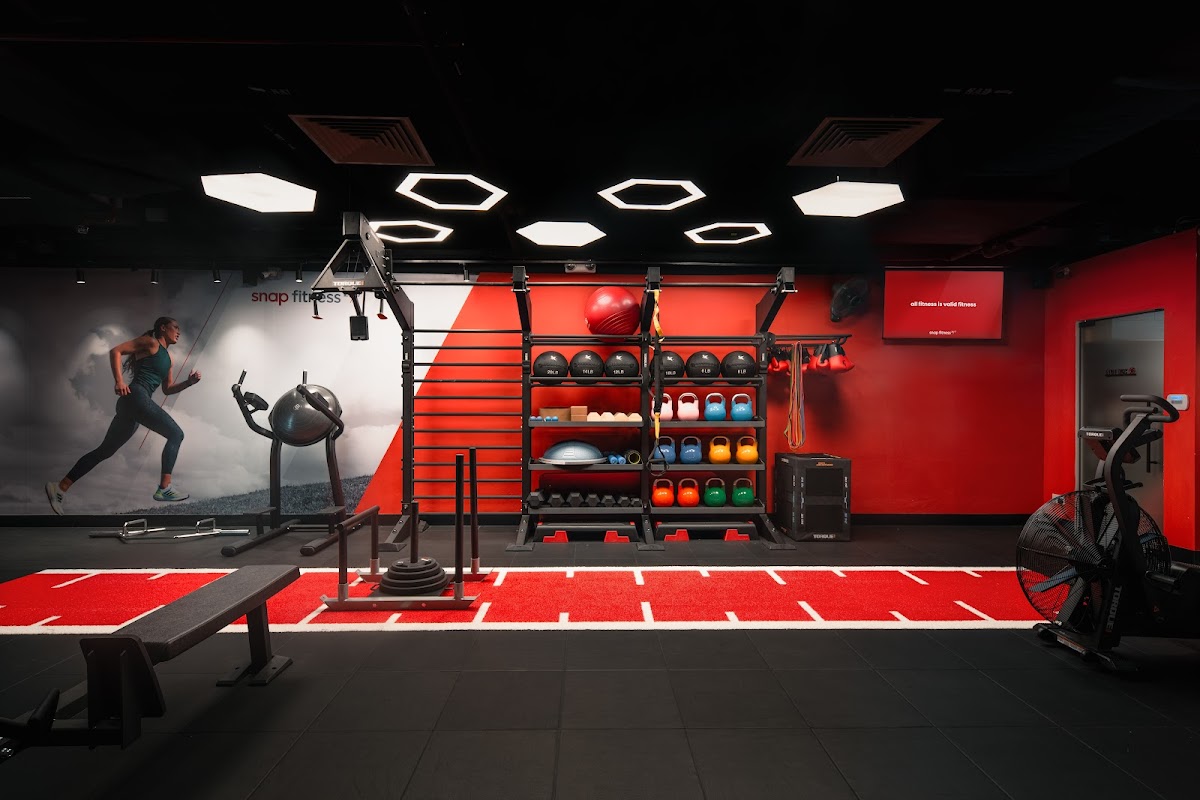
SNAP FITNESS WOODLANDS HEALTH
⭐ 5/5 (48 reviews) • $70-120/mo • Woodlands
BEST FOR:
24-hour access and dedicated stretching area for core work
NOT IDEAL FOR:
Peak hour crowds — floor space gets limited after 7pm
The dedicated stretching zone has proper mats and enough space to do plank progressions without bumping into anyone. Being in Woodlands Health Centre, the crowd tends to be more health-focused and respectful of workout space.
View Details →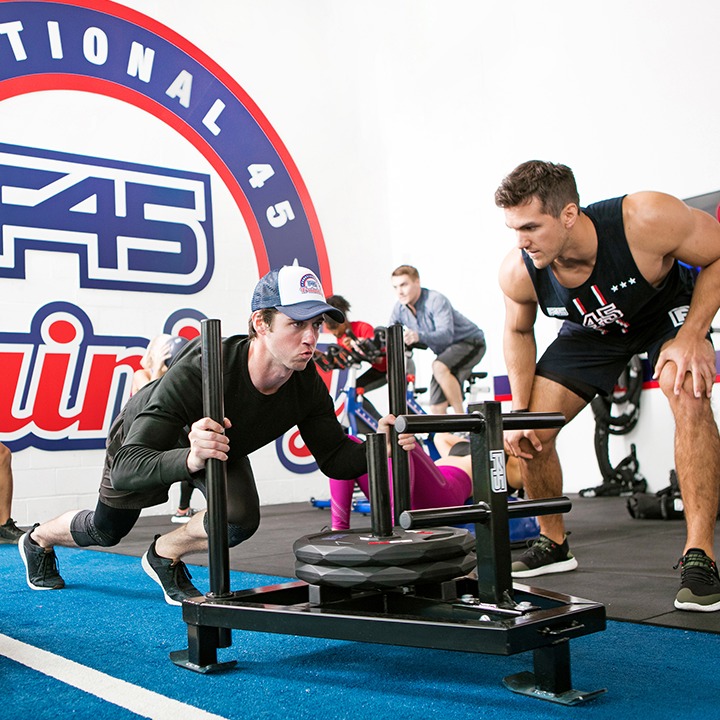
F45 TRAINING TANJONG RHU
⭐ 5/5 (207 reviews) • $238-316/mo • Stadium
BEST FOR:
Structured plank progressions in group HIIT format
NOT IDEAL FOR:
Solo practice — everything is class-based, no open gym time
Planks show up in almost every F45 session, but they're part of timed circuits so you can't work on pure hold duration. Great for building functional core strength through plank variations you'd never think of yourself.
View Details →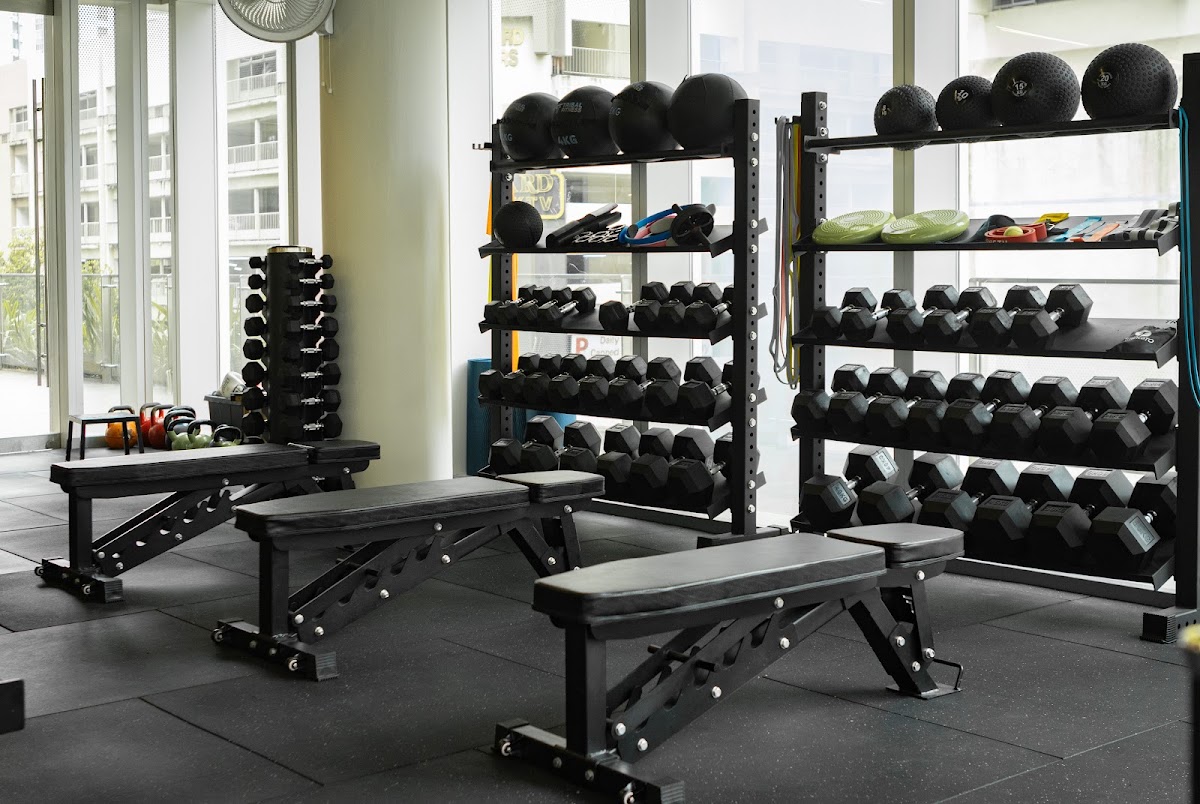
ATHLETIC COLLECTIVE ORCHARD
⭐ 5/5 (208 reviews) • Contact for pricing • Orchard
BEST FOR:
Premium coaching and movement assessment
NOT IDEAL FOR:
DIY learners — very coach-dependent approach
They'll assess your movement patterns before teaching planks, which catches issues most gyms miss. The functional training setup means planks are integrated into real movement patterns, not just isolated holds.
View Details →Gym Comparison: Plank Training
| Gym | Price | Floor Space | Coaching |
|---|---|---|---|
| UFIT CBD Hub | $200-400/mo | Excellent | Expert |
| Snap Fitness Woodlands | $70-120/mo | Good | Basic |
| F45 Tanjong Rhu | $238-316/mo | Structured | Group-focused |
| Athletic Collective | Premium | Excellent | 1-on-1 |
| Pulse Lab | Premium | Limited | Specialized |
How to Choose Your Plank Training Style
IF YOU'RE A: Complete Beginner
Look for: coaching, form correction, progression plans, non-intimidating environment
Best fit: UFIT CBD Hub ($200-400/mo)
IF YOU'RE A: Self-Directed Learner
Look for: 24-hour access, good floor space, basic equipment, flexibility
Best fit: Snap Fitness ($70-120/mo)
IF YOU'RE: Motivation-Dependent
Look for: group classes, structured programs, social accountability
Best fit: F45 Training ($238-316/mo)
IF YOU'RE: Results-Focused Professional
Look for: expert coaching, assessment, customized programs, premium service
Best fit: Athletic Collective (Premium pricing)
Common Plank Mistakes in Singapore Gyms
The Hip Drop: This is the big one. Your hips sag because your core gets tired, so you think you're still planking but you're actually resting on your hip flexors. I see this constantly at all gyms — people holding "planks" for 3+ minutes with completely compromised form.
The Shoulder Crawl: Elbows drift forward as you get tired, shifting weight to shoulders instead of core. This happens because most people start with elbows too far forward anyway, copying bad Instagram form.
The Head Drop: Looking down instead of maintaining neutral spine. In Singapore's heat, this gets worse as people get sweaty and lose focus. Keep your head in line with your spine — imagine balancing a water bottle on your back.
The Breath Hold: Holding breath to feel "stronger." This is dangerous in our climate and kills your hold time. You should be able to have a conversation while planking (though you probably don't want to).
The Duration Obsession: Chasing crazy hold times with terrible form. A perfect 45-second plank beats a sloppy 3-minute hold every single time. Quality over quantity, always.
Singapore-Specific Plank Tips
Hydration Strategy: Drink water 30 minutes before planking, not right before. In our humidity, your core works overtime to regulate temperature. I learned this the hard way after nearly passing out during a 2-minute hold at Pure Fitness Orchard.
Peak Hour Floor Space: Best plank spots fill up fast between 6-8pm. At most gyms, claim your floor space early or do planks as part of your warm-up when the stretching area is still empty. The functional training zone usually has the best mats.
Air-Con Strategy: Position yourself away from direct air-con flow. The temperature shock affects your breathing pattern and makes it harder to maintain steady form. Find the sweet spot where you get airflow without direct blast.
Equipment Hacks: Most Singapore gyms have proper yoga mats, but they're often dirty or too thin. Bring your own mat or use a gym towel for cushioning. A quality yoga mat makes a real difference for regular planking.
Recovery Between Sets: In our climate, you need longer rest periods than you think. 60-90 seconds between plank sets allows your core temperature to regulate. Don't rush the rest periods — use them for light stretching or breathing exercises. For post-workout recovery, a 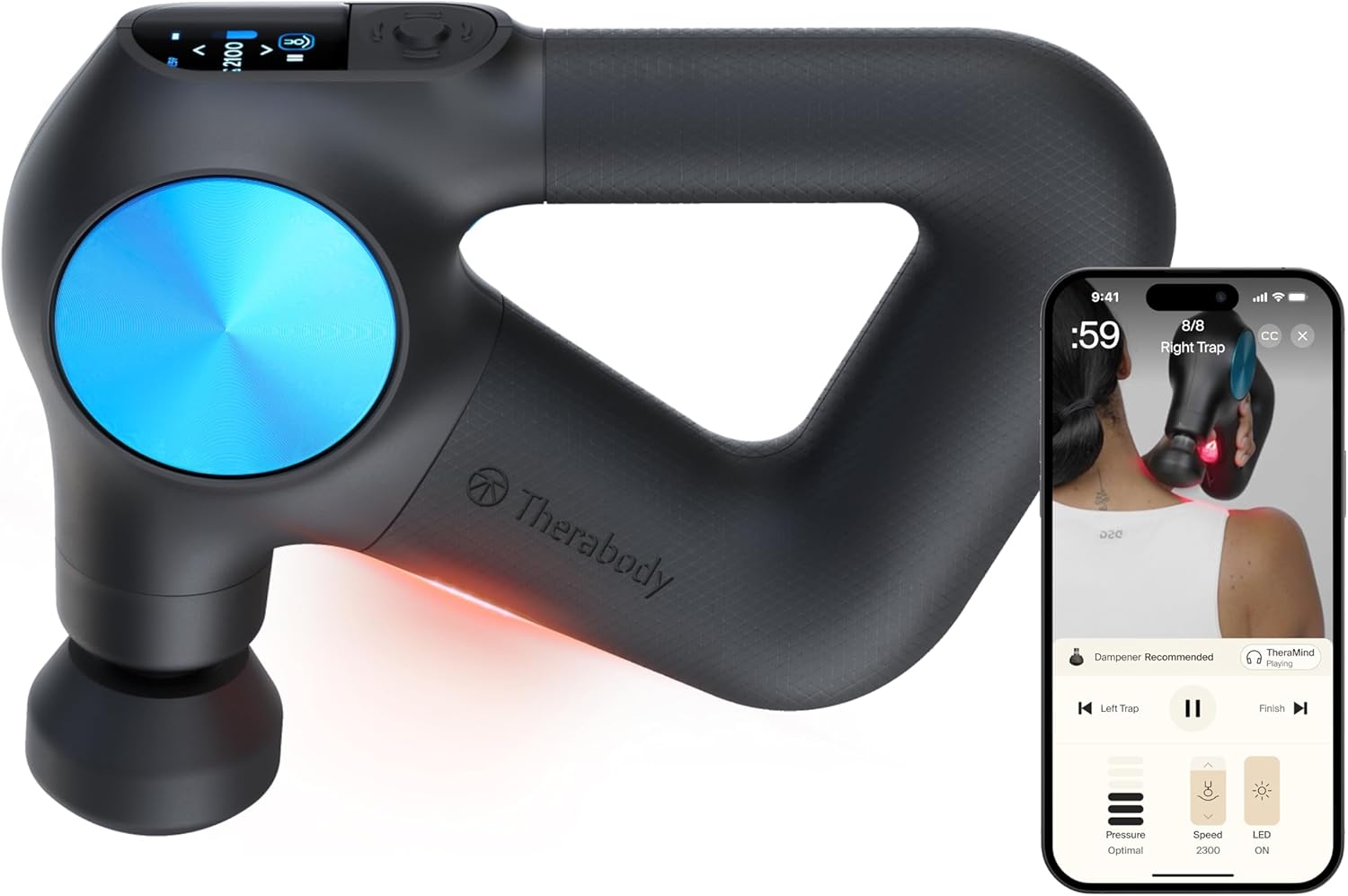 Theragun PRO helps release tension in the deeper core muscles that regular stretching can't reach.
Advanced Plank Variations
Once you can hold a perfect plank for 90+ seconds, progression means adding complexity, not just time. Here are the variations I use and see working well in Singapore gyms:
Single-Arm Plank: Lift one arm straight forward, hold 15-30 seconds, switch. This destroys your stability and forces deeper core engagement. Start with just lifting your hand off the ground before progressing to full arm extension.
Plank to Push-Up: Start in forearm plank, push up to hand plank one arm at a time, return to forearm plank. This dynamic movement builds serious functional strength and works well in circuit training.
Weighted Planks: Have someone place a weight plate on your back or use a weighted vest. Start with 10kg, build up slowly. This is serious strength training territory — most people never need to go here unless they're into powerlifting or martial arts.
Plank Walks: From plank position, "walk" forward and backward using your forearms. This challenges stability in multiple planes and builds the kind of core strength that transfers to compound movements like our squat progressions.
Equipment You Actually Need
Planks don't need much equipment, but the right gear makes training more consistent and comfortable:
Quality Mat: Most gym mats are thin and slippery when you sweat. A proper 6mm mat with good grip changes everything. I use mine at home and bring it to gyms without decent floor options.
Timer App: Your phone's built-in timer works, but specialized interval apps let you set up rest periods automatically. Useful when you're doing plank circuits and can't look at your phone easily.
For Home Training: If you're building a home setup to supplement gym work, 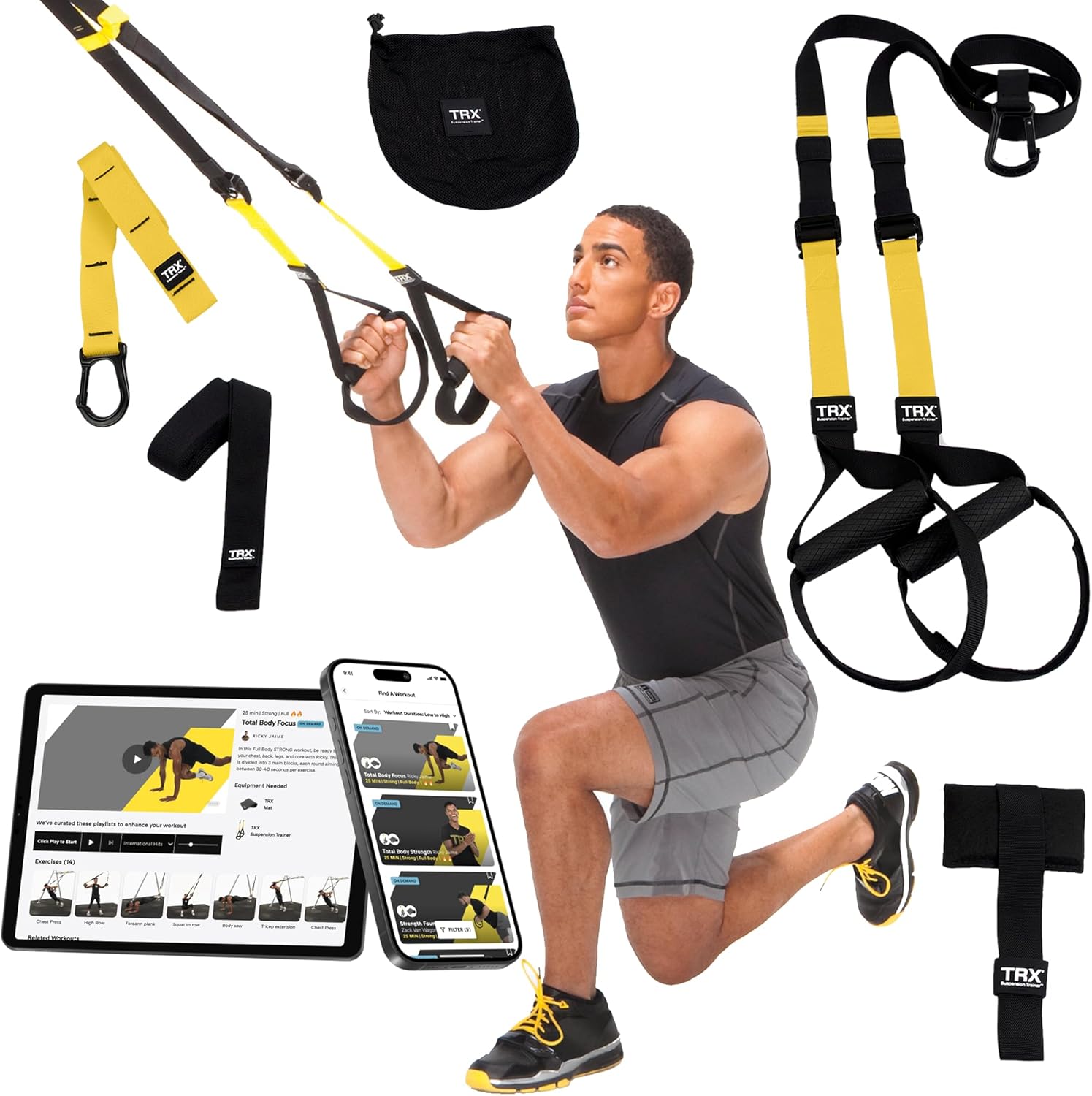 TRX PRO4 suspension trainers add dozens of plank variations. You can anchor to your door and do suspended planks that challenge stability in ways regular planks can't match.
Frequently Asked Questions
How long should I hold a plank as a beginner?
Start with 30 seconds of perfect form. Most beginners can't maintain proper alignment beyond this, and poor form teaches bad habits. Build by 10-15 seconds weekly. Once you hit 90 seconds with perfect form, focus on variations rather than longer holds.
Should I do planks every day?
Yes, planks can be done daily since they're isometric and lower intensity than dynamic exercises. But listen to your body — if your form breaks down, take a rest day. Quality always beats quantity. I do planks 5-6 times per week as part of warm-ups or cool-downs.
Why do I feel planks in my shoulders instead of my core?
Your elbows are probably too far forward, shifting weight to shoulders. Check that elbows are directly under shoulders. Also engage your core actively — don't just hold position passively. Think about pulling your belly button toward your spine throughout the hold.
Which Singapore gyms have the best floor space for planks?
For dedicated space: UFIT CBD Hub has excellent functional training areas. For value: Snap Fitness locations usually have decent stretching zones. Avoid peak hours (6-8pm) everywhere for best floor access.
Can I lose weight just doing planks?
No. Planks build core strength and stability but don't burn many calories. For weight loss, combine planks with cardio and full-body strength training. Check our full-body workout guide for a more complete approach to fitness goals.
What's the difference between forearm and hand planks?
Forearm planks (elbows down) are easier to maintain proper form and better for beginners. Hand planks (push-up position) are harder on wrists but better for progressing to push-ups. Start with forearm planks until you can hold 60+ seconds perfectly.
How do I know if my plank form is correct?
Film yourself from the side or ask someone to check. Your body should form a straight line from head to heels. Common errors: hips too high (easier), hips too low (cheating), shoulders forward of elbows. If you can't maintain the line, end the set and rest.
Your Plank Training Plan
Here's what actually works for most Singapore gym-goers I've trained with:
Week 1-2: Master the basic form. 3 sets of 30 seconds, focus entirely on alignment. Film yourself or work with a trainer at places like UFIT CBD Hub to nail the fundamentals.
Week 3-6: Build endurance gradually. Add 10 seconds every week until you hit 60 seconds. Don't rush this phase — most people skip ahead and develop compensation patterns that take months to fix.
Week 7-12: Push toward 90-second holds while adding side planks and basic variations. This is where most people plateau, so focus on perfect form over ego-driven duration.
Month 4+: Introduce dynamic variations and weighted progressions. At this point, you've got the foundation to handle more complex movements and can integrate planks into larger workout routines like those covered in our complete beginner's guide.
The goal isn't to hold 5-minute planks (which is mostly a party trick anyway). The goal is building genuine core stability that supports your other lifts, improves your posture, and keeps you injury-free in Singapore's demanding urban environment. Master the basics, progress intelligently, and use planks as the foundation for more complex training down the road.
Related Guides
How to Squat Properly: Singapore Guide
How to Squat Properly: Singapore Guide. Expert Singapore fitness guide with actionable advice, local tips, and
How to Deadlift Properly: Singapore Guide
How to Deadlift Properly: Singapore Guide. Expert Singapore fitness guide with actionable advice, local tips,
How to Bench Press Properly: Singapore Guide
How to Bench Press Properly: Singapore Guide. Expert Singapore fitness guide with actionable advice, local tip
How to Row Properly: Singapore Guide
How to Row Properly: Singapore Guide. Expert Singapore fitness guide with actionable advice, local tips, and g