
Lululemon Yoga Mat Review Singapore
Lululemon yoga mat honest review for Singapore — does the Reversible Mat 5mm justify its premium price, and how it compares with the Manduka PRO.
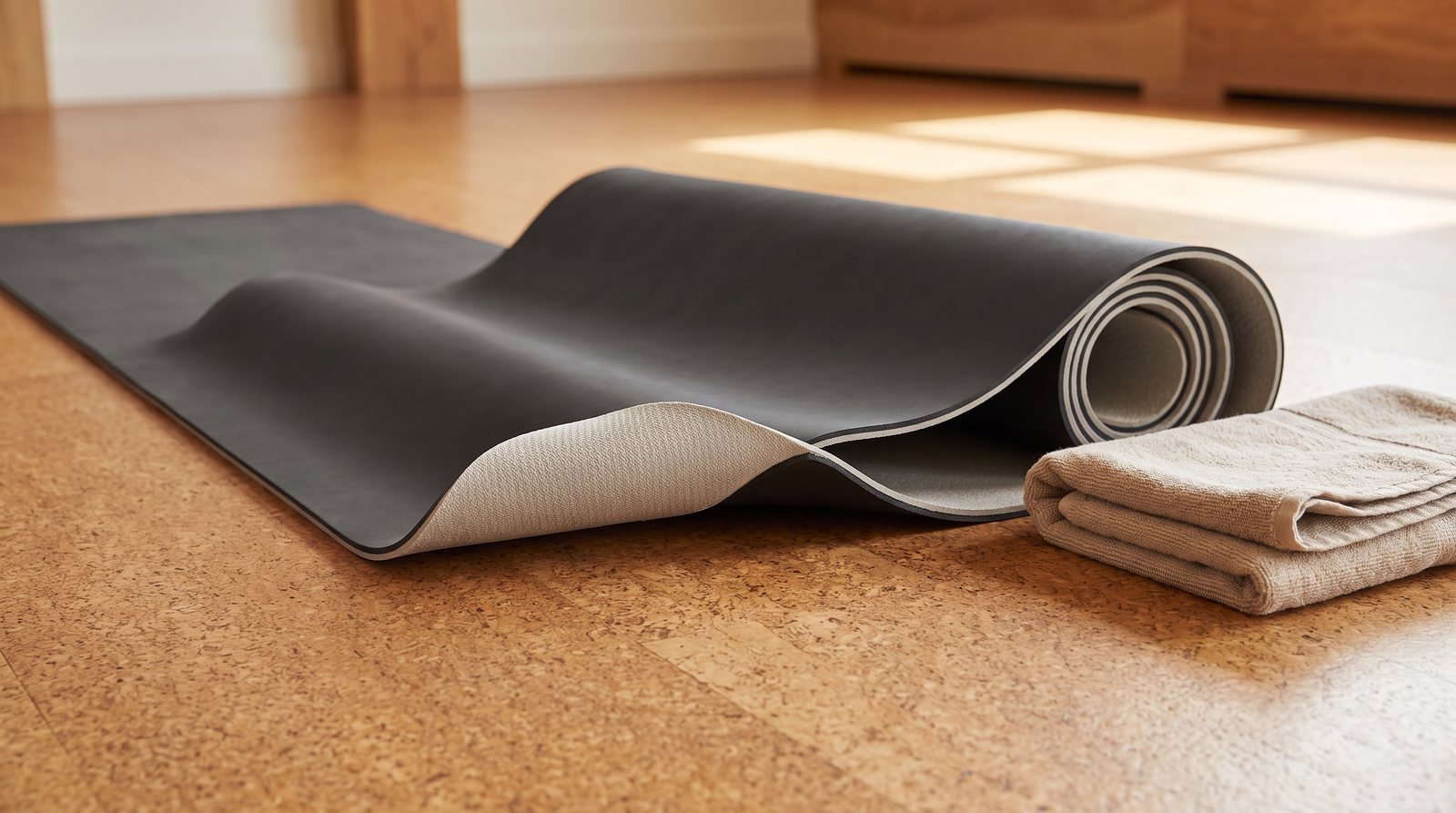
Buying through the Amazon links in this guide costs you nothing extra. We earn a small commission, which keeps Gyms.sg free and pays for guides like this one. As an Amazon Associate, Gyms.sg earns from qualifying purchases. OnWhey is our own supplement brand.
QUICK ANSWER: LULULEMON YOGA MAT REVIEW SINGAPORE
The Lululemon Reversible Mat 5mm is sold direct by Lululemon Singapore rather than on Amazon. The pick in this guide is the Manduka PRO.
Buying considerations
Look, I get it. You walk into any yoga studio in Singapore — whether it's at UFIT CBD Hub or Pulse Lab — and half the class is rolling out those distinctive Lululemon mats. The branding works.
Compare the exact mat’s material, firmness, dimensions and current delivered price. The standard Manduka PRO is 6mm; thickness alone does not establish grip, comfort or value for your practice.
Here's what nobody tells you about yoga mats in Singapore: our 85% humidity ruins half of them within six months. The expensive ones aren't immune. So before you drop serious cash on that Instagram-worthy mat, let me walk you through what actually works in our climate.
Featured Yoga Mat

Manduka PRO 6mm (The Smart Choice)
⭐ 4.9/5 • Lifetime guarantee included
BEST FOR:
Everyone. Seriously. Hot yoga, gentle flows, daily practice — it handles everything
NOT IDEAL FOR:
People who need the Lululemon logo for social media credibility
Better grip than the Lululemon mats, 6mm thickness for Singapore's hard floors, and it comes with a lifetime guarantee. Check the Manduka PRO price on Amazon.
Manduka PRO Yoga Mat on AmazonComparison Table: Key Stats
| Mat | Thickness |
|---|---|
| Lululemon Reversible 5mm | 5mm |
| Manduka PRO 6mm | 6mm |
| Gaiam Premium 6mm | 6mm |
| Jade Harmony 5mm | 5mm |
| Liforme Original | 4.2mm |
| Lululemon Take Form 3mm | 3mm |
How to Choose: What Kind of Yogi Are You?
IF YOU'RE A: Complete Beginner
Look for: 6mm thickness, good grip, budget-friendly, widely available
IF YOU'RE A: Daily Practitioner
Look for: durability, lifetime warranty, excellent grip, worth the investment
Best fit: Manduka PRO Yoga Mat on Amazon
IF YOU'RE: Brand Conscious
Look for: recognizable logo, premium materials, Instagram-worthy aesthetics
IF YOU'RE: Eco-Minded
Look for: natural materials, sustainable production, tree-planting programs
Singapore-Specific Yoga Mat Considerations
Most yoga mat reviews are written for temperate climates. Singapore's weather destroys equipment in ways these reviews never mention. Here's what actually matters here:
Humidity Resistance is Everything. Look for closed-cell foam construction or high-density materials. Natural rubber (like Jade) requires obsessive cleaning.
Thickness Matters More Here. Singapore studio floors are harsh — concrete with minimal padding. 3mm mats are painful. 4mm is borderline. 5-6mm is the sweet spot.
Transportation Reality Check. You'll be carrying this on the MRT. Heavy mats suck on crowded trains. The Manduka PRO (2.5kg) pushes the limit. Anything heavier becomes a chore. Consider getting a quality yoga mat carry strap — it makes a huge difference.
Studio Rental vs. Ownership. Most Singapore studios rent mats for $3-5. Over 50 classes, you've paid for a decent mat. If you're doing yoga regularly, buying makes financial sense. Plus you know where your mat has been (and hasn't been).
Air Conditioning Shock. Singapore studios blast AC to combat the heat. Your mat goes from 35°C outdoor humidity to 18°C controlled environment. Materials expand and contract. Cheap mats crack. Quality mats like Manduka handle this thermal cycling without issues.
Insider Tips: What Yoga Studios Won't Tell You
Cleaning Protocol Matters More Than Brand. The best mat in the world becomes disgusting without proper care. After every hot session, spray with 70% isopropyl alcohol, wipe clean, then air dry completely. Never roll up a damp mat in Singapore — mold city.
For a new Manduka PRO, follow Manduka’s current grip guidance: regular use, cleaning and a towel where needed. The company has retired salt-scrub advice. Follow lululemon’s instructions separately; one brand’s care method is not a universal treatment.
Storage Solutions for HDB Living. Singapore flats aren't built for yoga equipment. Under-bed storage works if you have the height. Behind-door hooks are popular but check your door frame weight limits.
Where to Actually Buy in Singapore. Amazon.sg has the best selection and prices. Lululemon stores obviously stock their own range but at full retail. Decathlon carries budget options. Many yoga studios sell mats but at significant markup — you're paying for convenience.
The Expensive Mat Psychology. There's something to be said for having gear you're proud of. If spending more on a mat makes you show up to class more consistently, it's worth it. But don't let marketing convince you expensive equals better — it doesn't always.
Common Questions About Yoga Mats in Singapore
Are Lululemon yoga mats worth the premium price in Singapore?
The Reversible Mat 5mm is not clearly better than alternatives like the Manduka PRO. You're paying for brand, aesthetics, and that Instagram factor. If you want the best value, look elsewhere.
What thickness is best for Singapore yoga studios?
Compare the exact mat’s material, firmness, dimensions and current delivered price. The standard Manduka PRO is 6mm; thickness alone does not establish grip, comfort or value for your practice.
How do I prevent my yoga mat from getting moldy in Singapore?
Clean immediately after every hot/sweaty session with 70% alcohol spray. Always air dry completely before rolling up. Store in a cool, dry place with good ventilation. Never leave a damp mat in your gym bag. Consider getting a drying rack if you practice hot yoga regularly.
Can I bring my own mat to all Singapore yoga studios?
Some places like F45 Training Tanjong Rhu actually prefer it for hygiene reasons. A few boutique studios might have specific requirements for certain classes, but standard yoga mats are universally accepted. Just ensure it's clean.
What's the difference between PVC, TPE, and natural rubber mats?
PVC is durable, easy to clean, but not eco-friendly. TPE is more sustainable, lighter weight, but less durable. Natural rubber has the best grip and is biodegradable, but requires more maintenance in Singapore's climate. For beginners, PVC is most practical. For eco-conscious users, TPE is a good middle ground.
Should I buy a yoga mat bag or strap in Singapore?
Absolutely. Singapore's heat and sudden rain make carrying an exposed mat unpleasant. A simple cotton strap works for dry transport. For comprehensive protection, get a full bag with water-resistant lining. I recommend the strap first ($15-25) then upgrading to a bag if you find yourself practicing in multiple locations regularly.
How often should I replace my yoga mat in Singapore's climate?
Quality mats can last 3-5 years with proper care. Budget mats typically need replacing after 12-18 months. Signs it's time: visible wear on high-contact areas, persistent smell despite cleaning, loss of grip, or visible cracking. Singapore's humidity accelerates wear, so factor that into your expectations.
Are alignment guides on yoga mats worth it for beginners?
The Liforme alignment guides are genuinely helpful for learning proper positioning, especially for poses like Warrior II and Triangle. But they're not worth the Liforme's premium price. If you want guidance, look for mats with basic pose illustrations (~$35-50) or invest in a few classes with good instruction instead.
Building Your Complete Yoga Setup
If you're getting serious about yoga (especially with Singapore's amazing studio scene), consider building a complete home setup. Beyond the mat, a few key items transform your practice:
Essential Props. A set of cork blocks and a cotton strap unlock poses that might otherwise be impossible. Cork blocks are worth the premium over foam — they're more stable and handle Singapore's humidity better.
Recovery Tools. If you're doing regular hot yoga or power flows, check the precautions and buying checklist in the complete massage gun guide.
Climate Control. A small air purifier with humidity control makes home practice more comfortable. Singapore's air quality can be questionable, and maintaining 60-70% humidity (instead of outdoor 85%+) helps with both comfort and equipment longevity.
Apparel Considerations. Singapore yoga means dealing with sweat. Invest in moisture-wicking fabrics and have backup towels ready. Our Singapore gym attire guide covers this in detail — the principles apply to yoga studios too.