
How to Lunge Properly: Singapore Guide
How to Lunge Properly: Singapore Guide. Expert Singapore fitness guide with actionable advice, local tips, and gym recommendations.
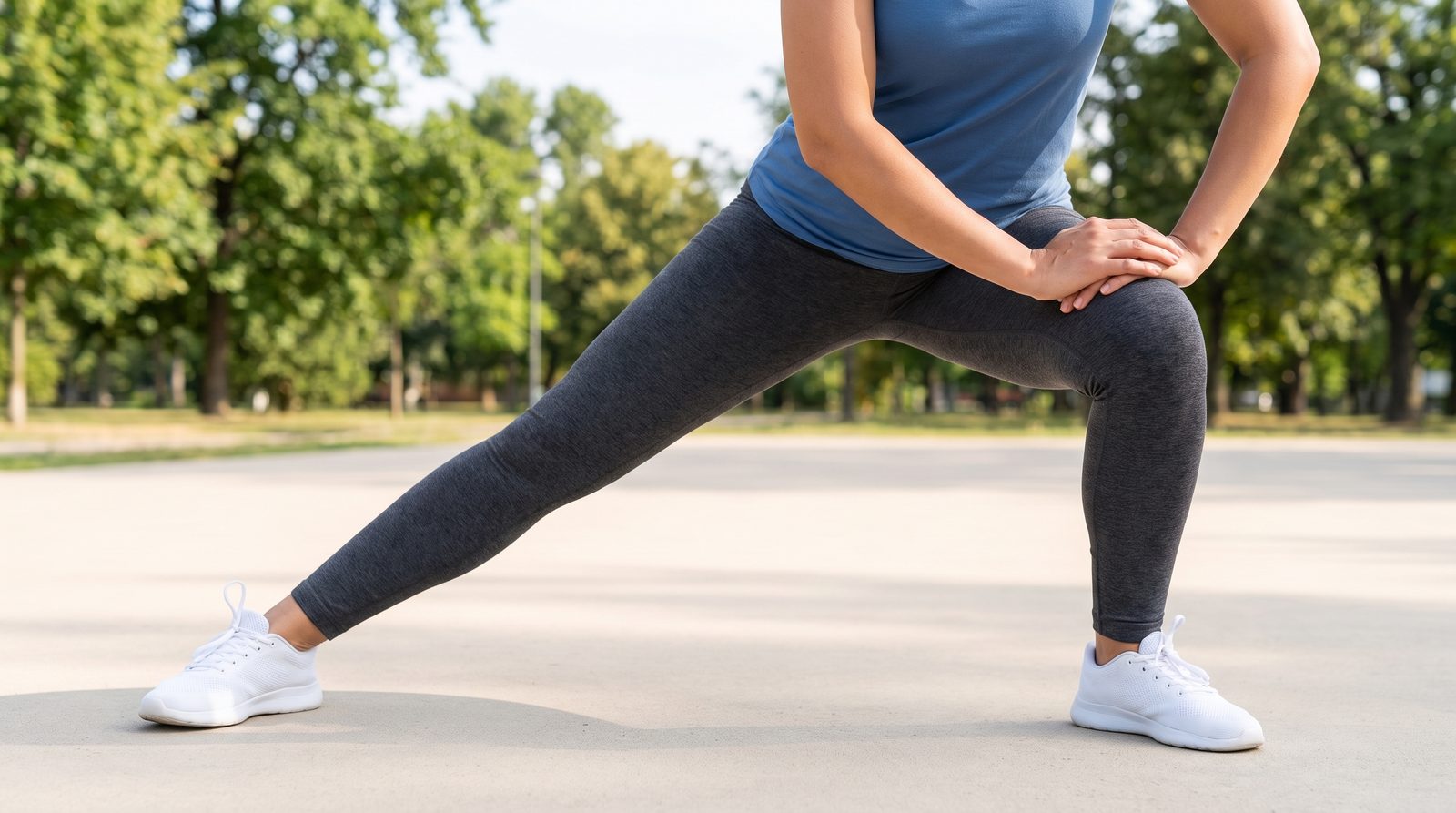
OnWhey is our own supplement brand.
QUICK ANSWER: HOW TO LUNGE PROPERLY
Forward lunges are the easiest to master, but 90% of gym-goers mess up the knee tracking. Start with 3 sets of 12 reps per leg, rest 60 seconds, and focus on dropping straight down — not forward.
The Lunge Problem in Singapore Gyms
The problem is that Singapore gyms are packed (especially 6-8pm), trainers are expensive or nonexistent, and everyone's copying what they see on Instagram.
Get the movement pattern right first, then worry about adding weight.
This guide covers everything from basic bodyweight lunges you can practice at home to weighted variations that'll challenge you at Singapore's best-equipped gyms.
Best Singapore Gyms for Lunging
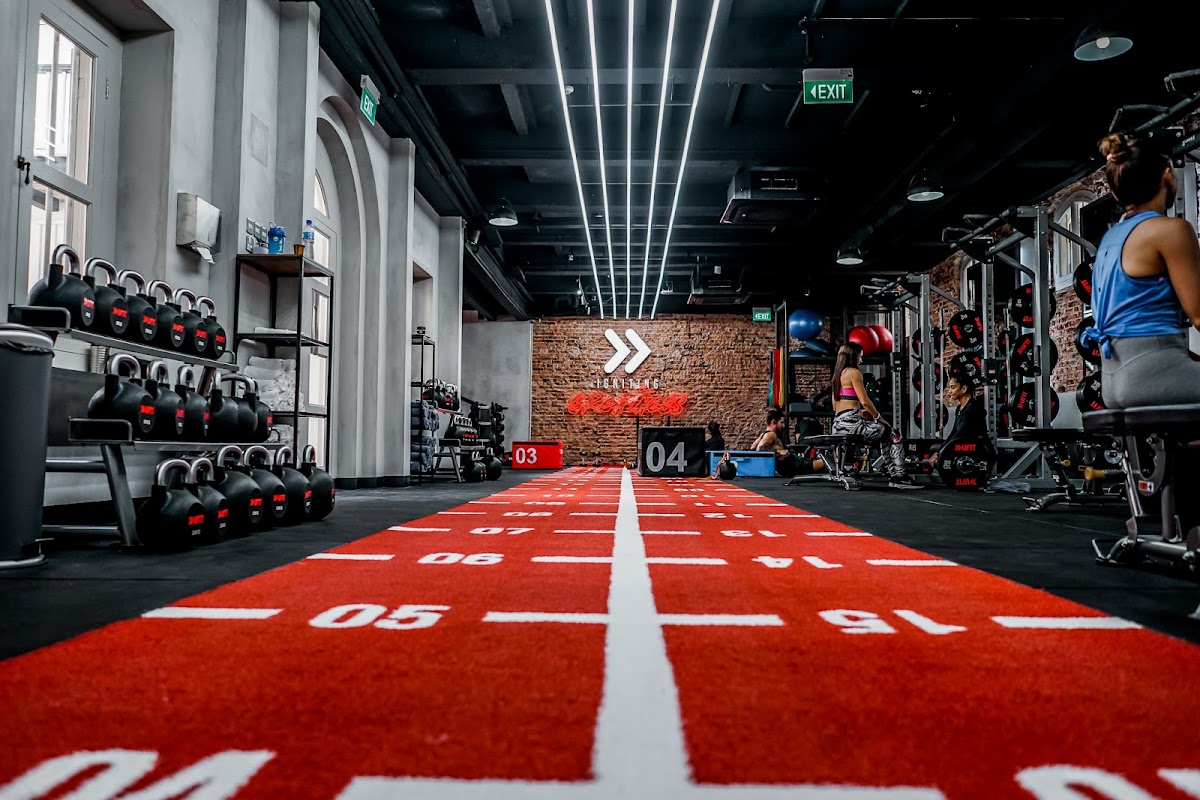
UFIT CBD HUB - CLUB STREET
⭐ 5/5 (477 reviews) • $200-400/mo • Club Street, CBD
BEST FOR:
Functional movement training with expert coaching
NOT IDEAL FOR:
Budget-conscious gym-goers — premium pricing
This is where you go to learn lunges properly. UFIT's trainers actually know functional movement patterns, they've got space to move, and they'll catch your form mistakes before they become habits. The coaching is worth the premium price if you're serious about getting the fundamentals right.
View Details →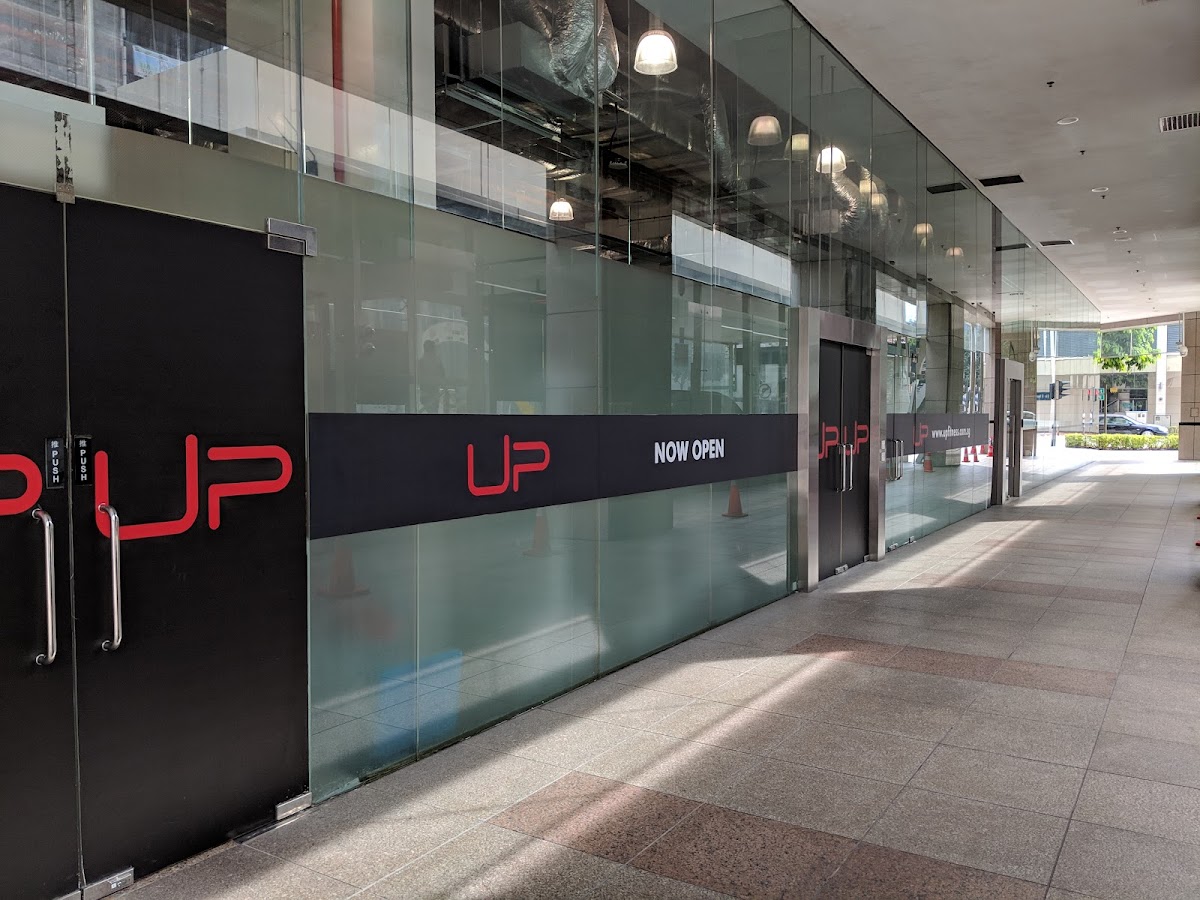
ULTIMATE PERFORMANCE SINGAPORE CBD
⭐ 5/5 (1323 reviews) • Contact for pricing • Cross Street, CBD
BEST FOR:
One-on-one form correction and progressive programming
NOT IDEAL FOR:
Group classes or casual gym-goers
If you can afford it, this is the gold standard for learning proper movement patterns. Their trainers will video your lunges from multiple angles and break down exactly where your form breaks. It's expensive but if you're dealing with knee issues or want to lunge heavy weight safely, worth every dollar.
View Details →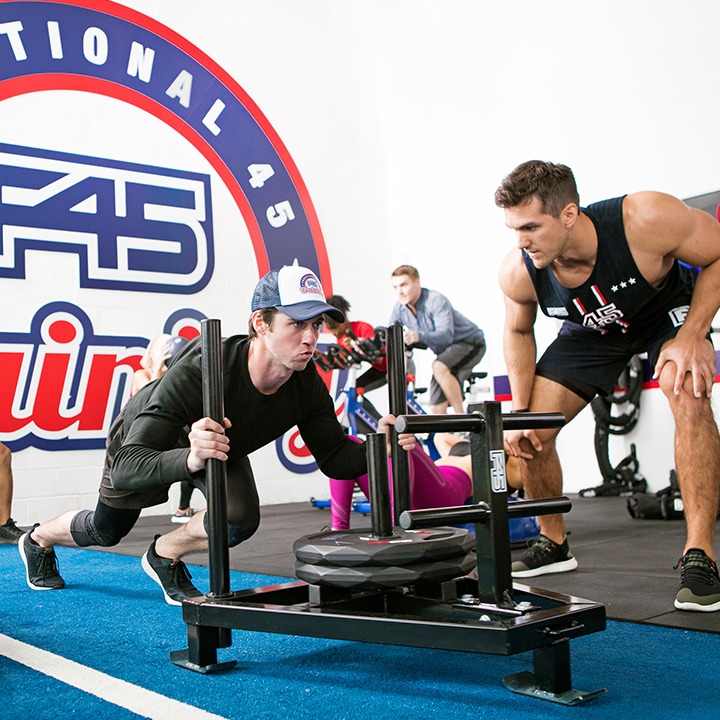
F45 TRAINING TANJONG RHU
⭐ 5/5 (207 reviews) • $238-316/mo • Stadium Place
BEST FOR:
High-intensity lunge variations in structured classes
NOT IDEAL FOR:
Beginners who need to master basic form first
F45 incorporates lunges into almost every leg workout — jumping lunges, reverse lunges, lateral lunges. Good for variety once you've mastered the basics, but the fast pace means less time for form correction. The energy is addictive though.
View Details →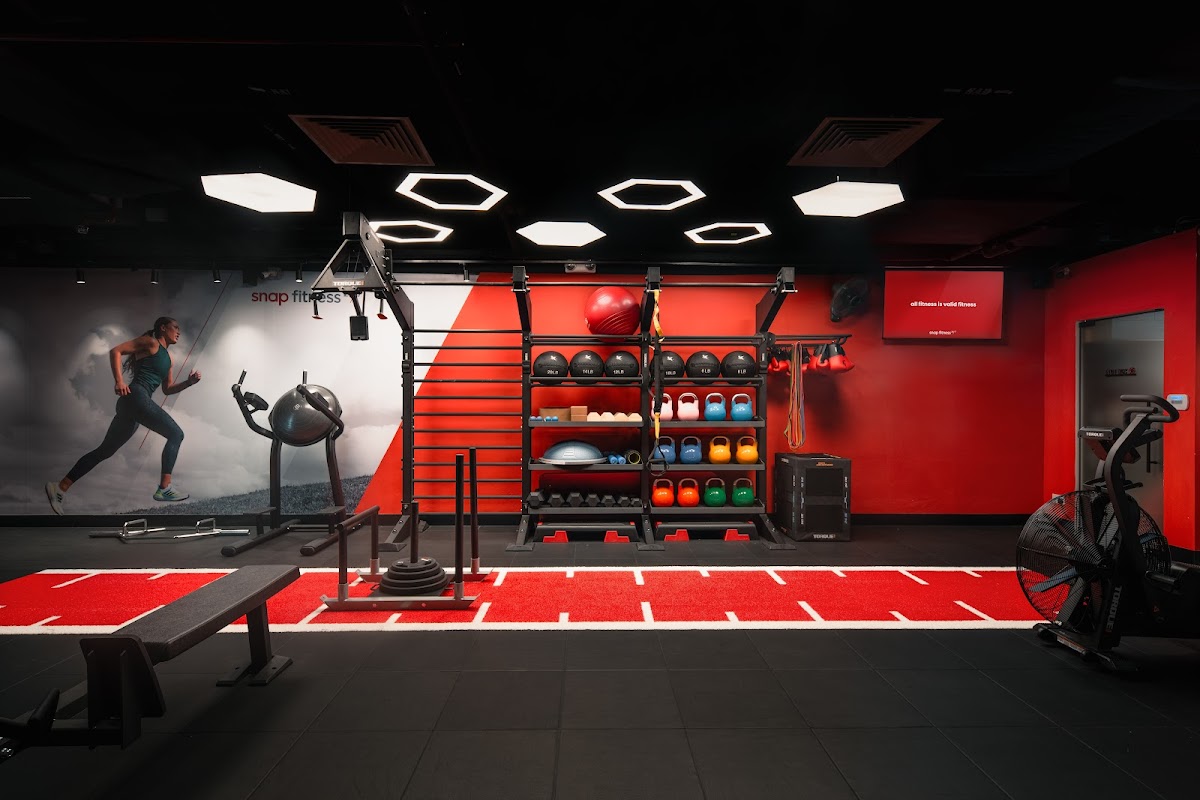
SNAP FITNESS WOODLANDS HEALTH
⭐ 5/5 (48 reviews) • $70-120/mo • Woodlands Drive 17
BEST FOR:
24-hour access and solid equipment for lunge practice
NOT IDEAL FOR:
Beginners who need coaching — minimal staff support
Decent space for lunges, good dumbbell selection, and you can practice anytime. The 24-hour access is clutch for perfecting your form when the gym isn't crowded. At $15 for a day pass, worth trying before committing to membership.
View Details →Lunge Technique Breakdown
Right, let's get into the actual technique. I'm going to walk you through the forward lunge first because it's the foundation for everything else. Master this and you can progress to reverse lunges, lateral lunges, walking lunges — the whole family.
The Basic Forward Lunge
Starting Position:
- Stand with feet hip-width apart, core engaged
- Hands on hips or at your sides (we'll add weights later)
- Eyes looking forward, not down at your feet
- Weight evenly distributed across both feet
The Movement:
- Step forward 2-3 feet with your right foot
- Keep your torso upright — don't lean forward
- Lower your body by bending both knees to 90 degrees
- Your front thigh should be parallel to the floor
- Back knee hovers just above the ground (don't slam it down)
- Push through your front heel to return to starting position
- Repeat on the other leg
Practise the movement slowly with support if needed. Step into a position you can control, lower through a comfortable range, and return without rushing. A coach can help you adjust the step length and exercise variation; stop if the movement causes pain.
Critical Form Cues
KNEE TRACKING (MOST IMPORTANT)
Your front knee must stay in line with your toes. If it caves inward or drifts forward past your toes, you're setting yourself up for injury.
WEIGHT DISTRIBUTION
About 70% of your weight should be on your front leg, 30% on your back leg. Your back leg is there for balance and slight support, not to bear equal weight. This is why your back knee barely touches the ground.
TORSO POSITION
Keep your chest up and core tight. In Singapore's heat, you'll want to hunch forward as you get tired. Fight this. A strong, upright torso protects your lower back and ensures you're working the right muscles.
Programming Your Lunge Training
Here's how I structure lunge progression for beginners to intermediate lifters.
Phase 1: Bodyweight Mastery (Weeks 1-4)
Week 1-2: Form Foundation
- 3 sets of 8 reps per leg
- 90 seconds rest between sets
- Focus: Perfect form, full range of motion
- Frequency: 2-3 times per week
Week 3-4: Volume Increase
- 3 sets of 12 reps per leg
- 60 seconds rest between sets
- Focus: Consistency, tempo control
- Frequency: 3 times per week
Don't rush this phase. Singapore's humidity makes everything harder — you'll sweat more, tire faster, and your form will break down quicker than in temperate climates.
Phase 2: Adding Weight (Weeks 5-8)
Dumbbell Lunges
- Start with 5kg dumbbells per hand (10kg total)
- 3 sets of 10 reps per leg
- 75 seconds rest between sets
- Increase by 2.5kg per week if form stays perfect
Hold the dumbbells at your sides, not at shoulder height. Farmer's carry grip is more stable and lets you focus on the lunge movement. Most Singapore gyms have dumbbells up to 50kg, which is plenty for lunge progression. If you need more weight, consider a barbell — but that's advanced territory.
Lunge Variations by Experience Level
| Variation | Difficulty | Best For | Reps |
|---|---|---|---|
| Static Forward Lunge | Beginner | Learning form | 3×8-12 |
| Reverse Lunge | Beginner | Knee-friendly | 3×10-15 |
| Walking Lunges | Intermediate | Functional strength | 3×20 steps |
| Lateral Lunges | Intermediate | Hip mobility | 3×8-10 |
| Barbell Lunges | Advanced | Heavy loading | 4×6-8 |
| Jumping Lunges | Advanced | Power/cardio | 3×6-12 |
Reverse Lunges: The Underrated Option
If you have any knee issues or you're just starting out, reverse lunges are actually better than forward lunges. Instead of stepping forward, you step backward. This puts less stress on your front knee because you're not "catching" your body weight on that front leg.
The movement is identical otherwise — step back 2-3 feet, drop straight down, push through your front heel to return. I recommend starting here if you're over 40 or coming back from injury. You can always progress to forward lunges later.
Walking Lunges: Space Requirements
Walking lunges are fantastic but you need space. Most Singapore gyms are too cramped during peak hours (6-8pm). UFIT CBD and Athletic Collective have the floor space, but your typical HDB void deck gym or small Anytime Fitness? Forget it.
Best places for walking lunges: void decks early morning (before 7am), park connectors, or premium gyms with dedicated functional training areas. East Coast Park has a great stretch near McDonald's where you can do walking lunges without dodging cyclists.
How to Choose Your Lunge Style
IF YOU'RE A: Complete Beginner
Start with: reverse lunges, bodyweight only, 3×8 reps, focus on form
Best gym: Snap Fitness for 24-hour practice time
IF YOU'RE A: Experienced Lifter
Progress to: barbell lunges, Bulgarian split squats, weighted variations
Best gym: UFIT for equipment and space
IF YOU HAVE: Knee Problems
Stick with: reverse lunges, shorter range of motion, lighter weights
Best approach: Get form checked by a physio first
IF YOU WANT: Cardio + Strength
Try: jumping lunges, lunge-to-knee-up, circuit training
Best gym: F45 for variety and intensity
Singapore-Specific Tips
Hydration Strategy:
Singapore's humidity hits you harder during lunges than static exercises because you're changing levels constantly. Not sips — actual gulps. Keep a towel handy because you'll be sweating onto the gym floor, and that's both gross and dangerous for other members.
Peak Hour Timing:
Avoid lunging during 6-8pm unless you're at a premium gym. The space constraints at most Singapore gyms make it impossible to lunge safely when crowded. Best times: 6-8am, 2-4pm weekdays, or anytime on weekends before noon.
Equipment Sharing:
If you're doing dumbbell lunges, grab your weights and move to an open area quickly. Don't camp next to the dumbbell rack — it's rude and blocks other people.
Footwear Considerations:
Singapore gym floors can be slippery from air-con condensation and sweat. Invest in proper training shoes with good grip.
Air-Con Adaptation:
The transition from Singapore's heat to freezing air-con can mess with your warm-up. Spend extra time warming up your joints — especially hips and ankles — before jumping into lunge workouts.
Common Singapore Lunge Mistakes
The "Instagram Lunge":
This is where people lunge way too deep because it looks more impressive on social media. Your back knee shouldn't slam into the floor — it should hover just above.
The "Forward Drift":
People step forward and then continue drifting forward instead of dropping straight down. This shifts all the stress to your front knee and defeats the purpose of the exercise. Your front knee should stay above your ankle throughout the movement.
The "Speed Demon":
Lunging fast doesn't make you fit faster. It makes you injured faster. Singapore's heat makes people want to rush through workouts, but lunges require controlled movement. Each rep should take 3-4 seconds — 2 seconds down, 1-2 seconds up.
The "Unilateral Neglect":
Most people have a stronger leg and a weaker leg. During lunges, they'll unconsciously do more reps on their strong side or use better form. Count your reps carefully and start each workout with your weaker leg. This is especially important if you've had previous injuries.
Recovery and Injury Prevention
Lunges work your legs hard, and Singapore's heat adds extra recovery stress.
Post-Workout Protocol:
- Immediate: 5-minute walk to cool down, don't just stop and sit
- Within 30 minutes: Protein drink and rehydration
- That evening: Light stretching, focus on hip flexors and quads
- Next day: Light movement, avoid complete rest
Signs to Back Off:
- Sharp knee pain (not muscle soreness)
- Lower back pain during or after lunges
- Hip pain that persists between workouts
- Form breaking down consistently
Don't be a hero. Singapore has excellent physiotherapists who understand sports injuries. If something feels wrong, get it checked before it becomes a bigger problem.
For injury prevention, our guide on progressive overload covers how to increase intensity safely without breaking your body.
Frequently Asked Questions
How many times per week should I lunge?
2-3 times per week maximum. Lunges are demanding on your legs and you need recovery time between sessions. If you're new to lunging, start with twice per week and see how you recover.
Why do my knees hurt during lunges?
Usually it's form issues — your front knee is drifting forward past your toes, or you're not controlling the descent. Try reverse lunges first, reduce your range of motion, and check your knee tracking. If pain persists, see a physio. Don't train through knee pain.
Can I lunge every day?
No. Your muscles grow during recovery, not during the workout. Daily lunging will lead to overuse injuries and plateaued progress. Even bodyweight lunges need recovery time. Focus on quality over quantity — better to lunge well twice per week than poorly every day.
What's the difference between forward and reverse lunges?
Reverse lunges are easier on your knees because you're stepping back instead of "catching" your weight on the front leg. Both work the same muscles, but reverse lunges are better for beginners or anyone with knee issues. I actually prefer reverse lunges for most people.
Should I feel lunges in my glutes or quads?
Both. If you only feel it in your quads, you might be leaning forward too much. Focus on pushing through your front heel and keeping your torso upright — this engages your glutes more. A longer step also emphasizes glutes, while a shorter step hits quads harder.
How much weight should I add to lunges?
Start with bodyweight until you can do 3 sets of 12 perfect reps. Then add 5kg dumbbells (2.5kg per hand) and work back up to 3×12. Increase by 2.5kg per week if your form stays perfect. Most people can progress to 15-20kg dumbbells within 2-3 months.
Are lunges better than squats?
They're different tools for different jobs. Squats let you lift more weight and build overall strength. Lunges work each leg individually and improve balance and stability. Check our squatting guide for comparison.
Your Next Steps
Right, here's your action plan. Don't overthink this — start simple and build from there.
This Week:
- Practice bodyweight reverse lunges at home — 2 sets of 8 per leg
- Focus on the "step back and drop" movement pattern
- Film yourself from the side to check knee tracking
- Find a gym with adequate space and equipment
Next Month:
- Progress to 3×12 bodyweight lunges with perfect form
- Add 5kg dumbbells and work back up to 3×12
- Try different variations — forward, reverse, lateral
- Incorporate lunges into your regular leg training
If you're serious about getting this right, book a session at UFIT CBD or Ultimate Performance for form coaching. Yes, it's expensive, but think of it as insurance against injury and wasted time with poor technique.
For more foundational movements, check out our guides on proper squatting technique and deadlift form. These three exercises — squats, deadlifts, and lunges — form the foundation of any solid strength program.
Master the lunge and you've got a movement that'll serve you for decades. Whether you're 25 or 65, in a tiny HDB gym or a premium CBD studio, lunges work. Just do them right.
Related Guides
Related reading: First Time at the Gym: Singapore Newbie Guide.
Other gym listings: Snap Fitness.
How to Squat Properly: Singapore Guide
How to Squat Properly: Singapore Guide. Expert Singapore fitness guide with actionable advice, local tips, and
How to Deadlift Properly: Singapore Guide
How to Deadlift Properly: Singapore Guide. Expert Singapore fitness guide with actionable advice, local tips,
How to Bench Press Properly: Singapore Guide
How to Bench Press Properly: Singapore Guide. Expert Singapore fitness guide with actionable advice, local tip
How to Row Properly: Singapore Guide
How to Row Properly: Singapore Guide. Expert Singapore fitness guide with actionable advice, local tips, and g