
Rowing Machine Guide for Beginners Singapore
Rowing Machine Guide for Beginners Singapore. Expert Singapore fitness guide with actionable advice, local tips, and gym recommendations.
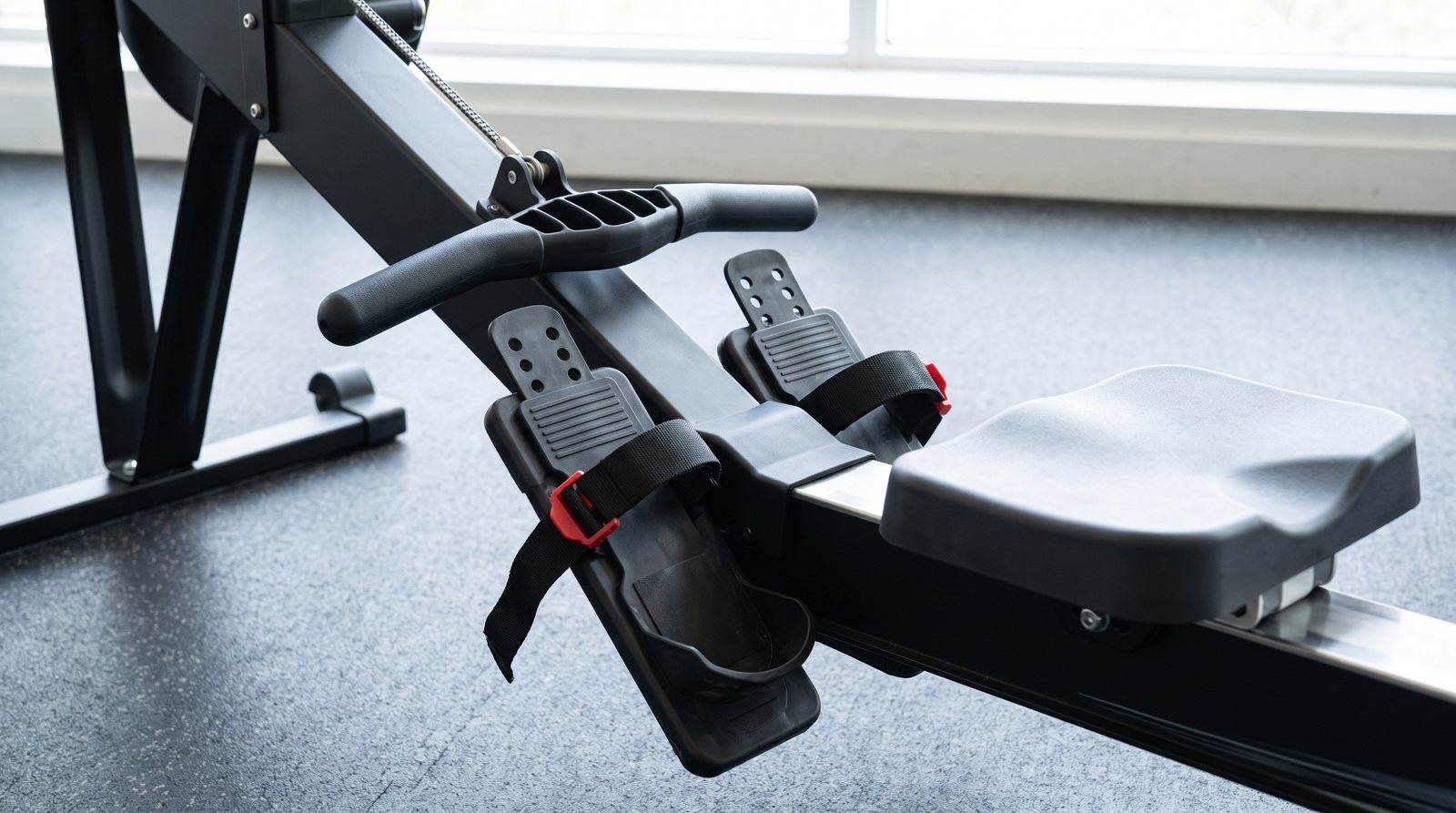
Buying through the Amazon links in this guide costs you nothing extra. We earn a small commission, which keeps Gyms.sg free and pays for guides like this one. As an Amazon Associate, Gyms.sg earns from qualifying purchases. OnWhey is our own supplement brand.
QUICK ANSWER: Best Rowing Machine Gyms Singapore
UFIT CBD Hub, Snap Fitness, and UBX Novena offer the best rowing machine setups for beginners. Expect to pay $70-400/month depending on service level and coaching quality.
Why Rowing Machines Are Perfect for Singapore
Rowing machines don't get the respect they deserve here. Walk into any Singapore gym and you'll see queues for the treadmills while perfectly good Concept2 rowers sit empty. Big mistake — rowing is probably the most efficient cardio workout you can do, especially in our climate.
Here's the thing about rowing in Singapore gyms: it's air-conditioned, works your entire body, burns more calories than running, and you don't need to worry about the haze or getting soaked in humidity. Plus, most people avoid it because they think it's complicated (it's not), which means you'll rarely wait for equipment during peak hours.
Best Gyms with Rowing Machines in Singapore
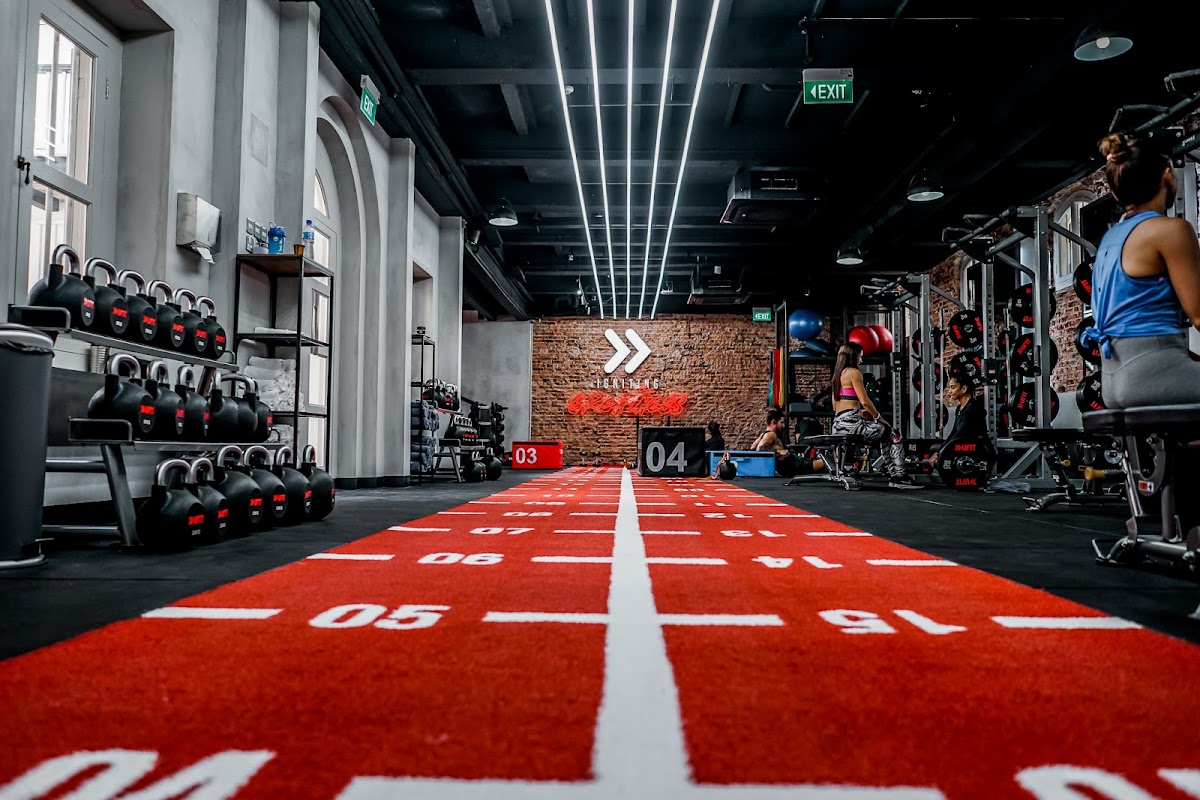
UFIT CBD Hub - Club Street
⭐ 5/5 (477 reviews) • $200-400/mo • Club Street
BEST FOR:
Professionals who want premium equipment and proper coaching
NOT IDEAL FOR:
Budget-conscious beginners — this is premium pricing
The Concept2 rowers here are immaculate, and the trainers actually know proper rowing form. Small classes mean you'll get individual attention. Worth the premium if you're serious about learning correctly from day one.
View Details →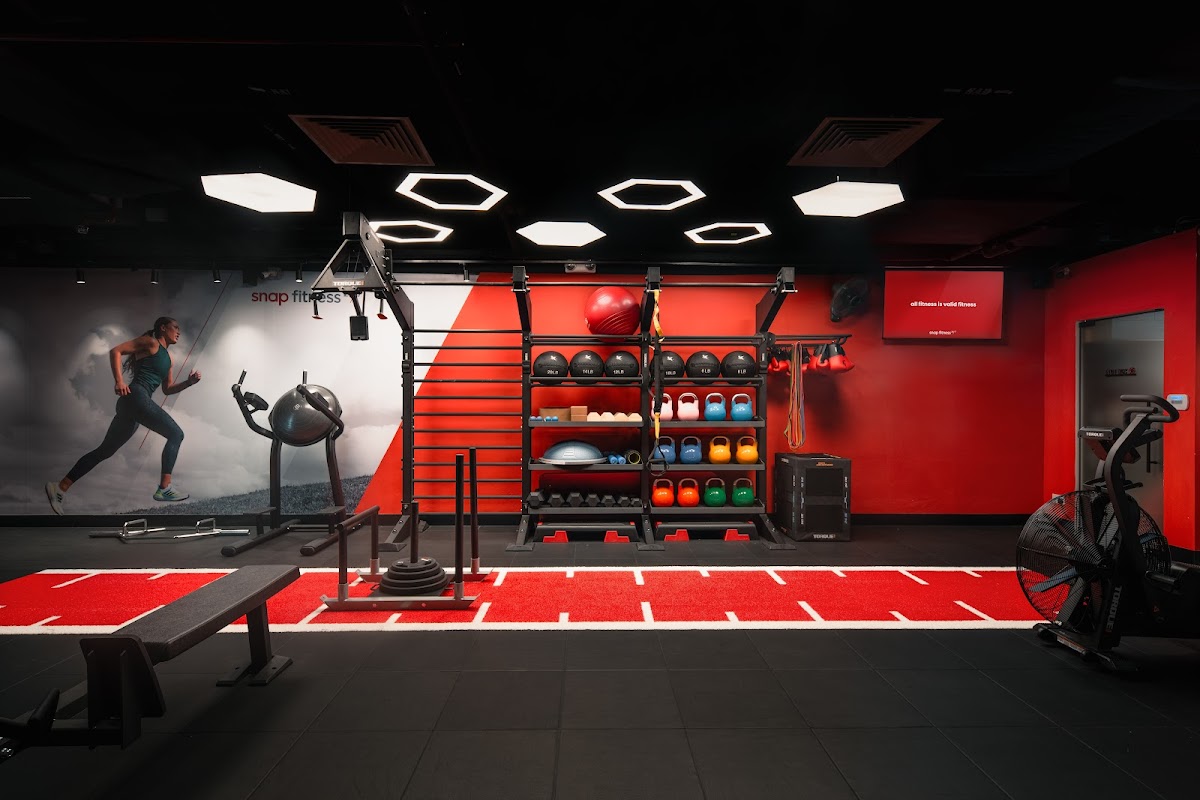
Snap Fitness Woodlands Health
⭐ 5/5 (48 reviews) • $70-120/mo • Woodlands
BEST FOR:
North-siders who want solid equipment without CBD prices
NOT IDEAL FOR:
Those needing extensive coaching — minimal staff supervision
Two Concept2 Model D rowers in excellent condition. 24-hour access is clutch if you prefer off-peak rowing. The $15 day pass is perfect for testing before committing to membership.
View Details →
UBX Novena
⭐ 5/5 (35 reviews) • $168-250/mo • Novena
BEST FOR:
Group fitness enthusiasts who want rowing in HIIT workouts
NOT IDEAL FOR:
Solo training — focus is on structured classes
Rowing is integrated into their HIIT classes brilliantly. Instructors know how to coach proper form in a high-energy environment. Great for competitive types who need external motivation.
View Details →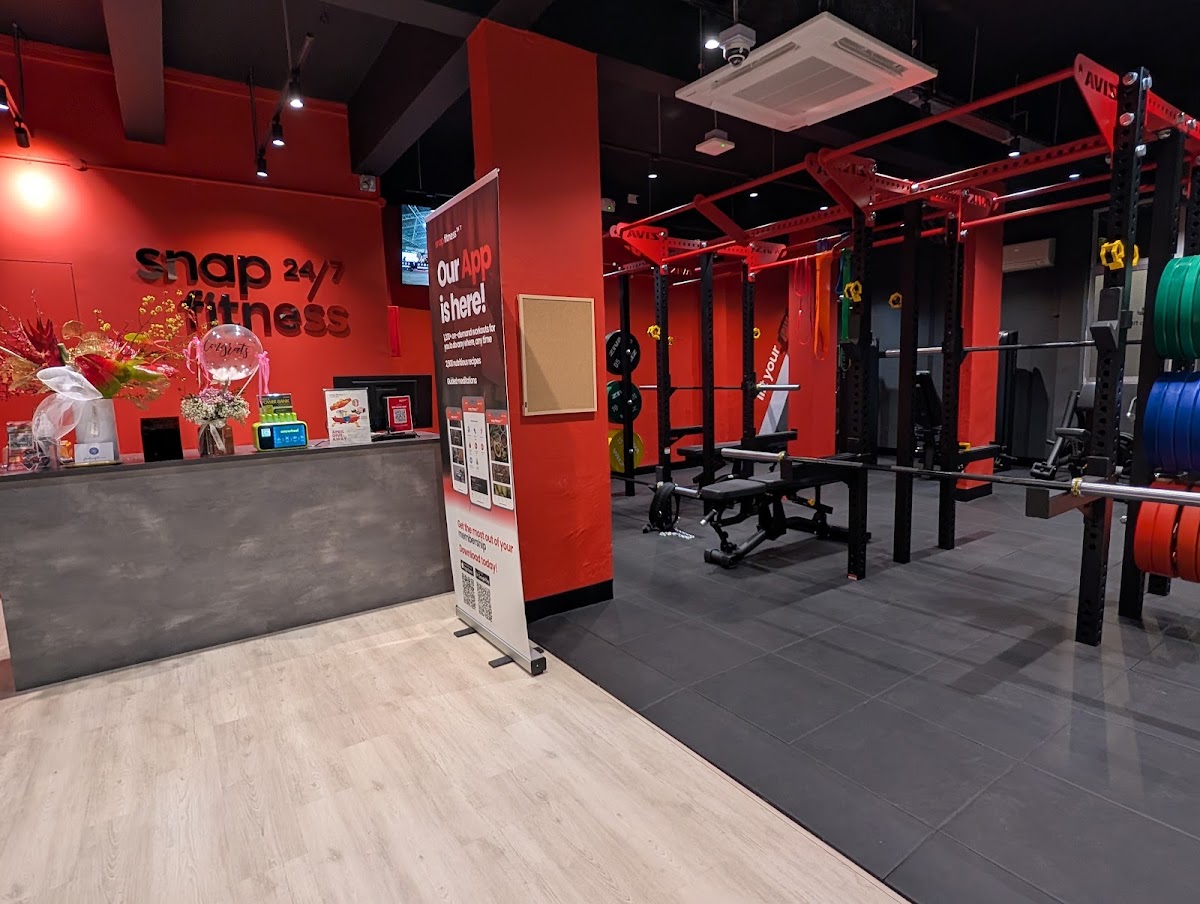
Snap Fitness Jurong West
⭐ 5/5 (203 reviews) • $70-120/mo • Jurong West
BEST FOR:
West-siders who want convenience and value
NOT IDEAL FOR:
Peak hour training — gets crowded after work
Same reliable setup as Woodlands — good Concept2 rowers, 24-hour access, solid maintenance. The west location means shorter queues for most equipment, but rowing machines stay available.
View Details →Gym Comparison: Rowing Setup Quality
| Gym | Price | Machines | Coaching |
|---|---|---|---|
| UFIT CBD Hub | $200-400/mo | Concept2 Model D | Excellent |
| Snap Fitness Woodlands | $70-120/mo | 2x Concept2 Model D | Minimal |
| UBX Novena | $168-250/mo | Water rowers | Group classes |
| Snap Fitness Jurong West | $70-120/mo | 2x Concept2 Model D | Minimal |
| F45 Tanjong Rhu | $238-316/mo | Ski erg + rowers | Structured classes |
How to Choose Your Rowing Gym
IF YOU'RE A: Complete Beginner
Look for: Concept2 machines, patient trainers, form coaching, technique classes
Best fit: UFIT CBD Hub ($200-400/mo)
IF YOU'RE A: Budget-Conscious Beginner
Look for: Decent machines, 24-hour access, online tutorials, day pass options
Best fit: Snap Fitness ($70-120/mo)
IF YOU'RE: Group Fitness Focused
Look for: HIIT classes, water rowers, energetic instructors, community vibe
Best fit: UBX Novena ($168-250/mo)
IF YOU'RE: Self-Motivated Intermediate
Look for: Quality machines, flexible hours, tracking capability, minimal crowds
Best fit: Snap Fitness Jurong West ($70-120/mo)
Complete Beginner's Rowing Workout
This workout assumes you've watched a basic technique video (search "Concept2 rowing technique" on YouTube) and understand the catch-drive-finish-recovery sequence.
Week 1-2: Learning the Movement
Warm-up: 5 minutes easy rowing
Focus purely on technique. Damper setting 3-4. Should feel like warming up, not working out.
Main workout: 3 x 5 minutes
Steady rowing with 2 minutes rest between intervals. Rate: 20-22 strokes per minute. Can hold a conversation.
Cool-down: 3 minutes easy
Slow it down, focus on smooth catches. Stretch afterwards — hamstrings, calves, shoulders.
Week 3-4: Building Endurance
Warm-up: 5 minutes easy rowing
Same as before. Good time to practice your technique without fatigue.
Main workout: 4 x 6 minutes
Slightly longer intervals. Rate: 22-24 strokes per minute. Should feel moderately hard but sustainable.
Rest: 90 seconds between intervals
Active recovery — keep moving slowly. Don't let your heart rate drop completely.
Wrong. Start at 3-4 and work up gradually. It's about stroke rate and power, not just resistance.
The beauty of learning at places like UFIT CBD Hub is that trainers will correct these mistakes before they become habits. But if you're going solo at Snap Fitness, film yourself from the side occasionally — form breaks down when you're tired.
Rowing Machine Form Essentials
Form matters more on rowers than almost any other cardio machine. Get it wrong and you'll either hurt yourself or wonder why everyone says rowing is such a good workout (because you're not actually doing it properly).
Common Mistakes
- • Pulling with arms first (should be legs → back → arms)
- • Damper set too high (makes you tired faster, not stronger)
- • Rowing too fast (technique breaks down above 28 spm as beginner)
- • Hunched shoulders (keep them relaxed and down)
- • Not reaching full leg extension (power comes from legs)
What Good Form Feels Like
- • Legs burning before arms get tired
- • Smooth, controlled movement on recovery
- • Can maintain same stroke rate for entire interval
- • Handle comes to just below chest, not neck
- • Breathing naturally, not holding breath
The sequence is legs-back-arms on the pull, then reverse it on the recovery: arms-back-legs. Think about pushing the footplates away with your heels rather than pulling the handle toward you. Sounds backwards, but it works.
If you're training at one of the Snap Fitness locations, they have mirrors positioned well for checking your form. At boutique places like UBX Novena, instructors watch constantly during classes and will correct you immediately.
Insider Tips for Rowing in Singapore Gyms
Book off-peak slots when possible. Best rowing times are 10am-4pm weekdays or early morning weekends. Evening crowds mean you might wait for machines, and nothing kills workout momentum like standing around.
Bring your own towel for the seat. Singapore's humidity means everyone sweats more, and rowing seats get particularly gross. Most gyms provide wipes but a small towel makes things more comfortable.
Learn to read the monitor properly. The Concept2 PM5 displays show split time (time to row 500m), stroke rate, distance, and watts. Focus on split time — it's the best measure of your effort level. A good beginner target is 2:30-3:00 splits for steady rowing.
Start with online workouts. Dark Horse Rowing and Training Tall have excellent YouTube channels with follow-along workouts. Perfect for solo training at 24-hour gyms like the Snap Fitness locations.
Progressive Workout Plans
After mastering basic technique, progression is about gradually increasing either duration, intensity, or stroke rate. Here are three different approaches depending on your goals.
Endurance Focus (Fat Loss)
Week 5-8: Work up to 30-minute steady rows at comfortable pace (2:15-2:30 splits)
Week 9-12: 45-minute steady rows with 5-minute intervals at slightly higher intensity
Perfect for: Those who want sustainable calorie burning and cardiovascular fitness
Power Focus (Athletic Performance)
Week 5-8: 8 x 250m sprints with 90 seconds rest (focus on watts output)
Week 9-12: 4 x 500m hard intervals with 3 minutes rest
Perfect for: Athletes wanting explosive power and VO2 max improvements
Balanced Approach
Monday: 20-minute steady row
Wednesday: 5 x 3-minute intervals (hard effort, 2-minute rest)
Friday: 6 x 250m sprints with full recovery
Perfect for: General fitness and keeping workouts interesting
Track your workouts in the ErgData app if you're using Concept2 machines. It syncs automatically and lets you compare sessions over time. Seeing your 2km time drop from 9:00 to 8:00 over a few months is incredibly motivating.
Equipment and Accessories
You don't need much to start rowing, but a few key items make the experience much better. Most people underestimate how much proper gear impacts their comfort and performance.
Good rowing shoes matter more than you'd think. Regular running shoes work fine initially, but flat-soled lifting shoes provide better foot stability and power transfer through the footplates than cushioned runners.
For music during solo sessions, 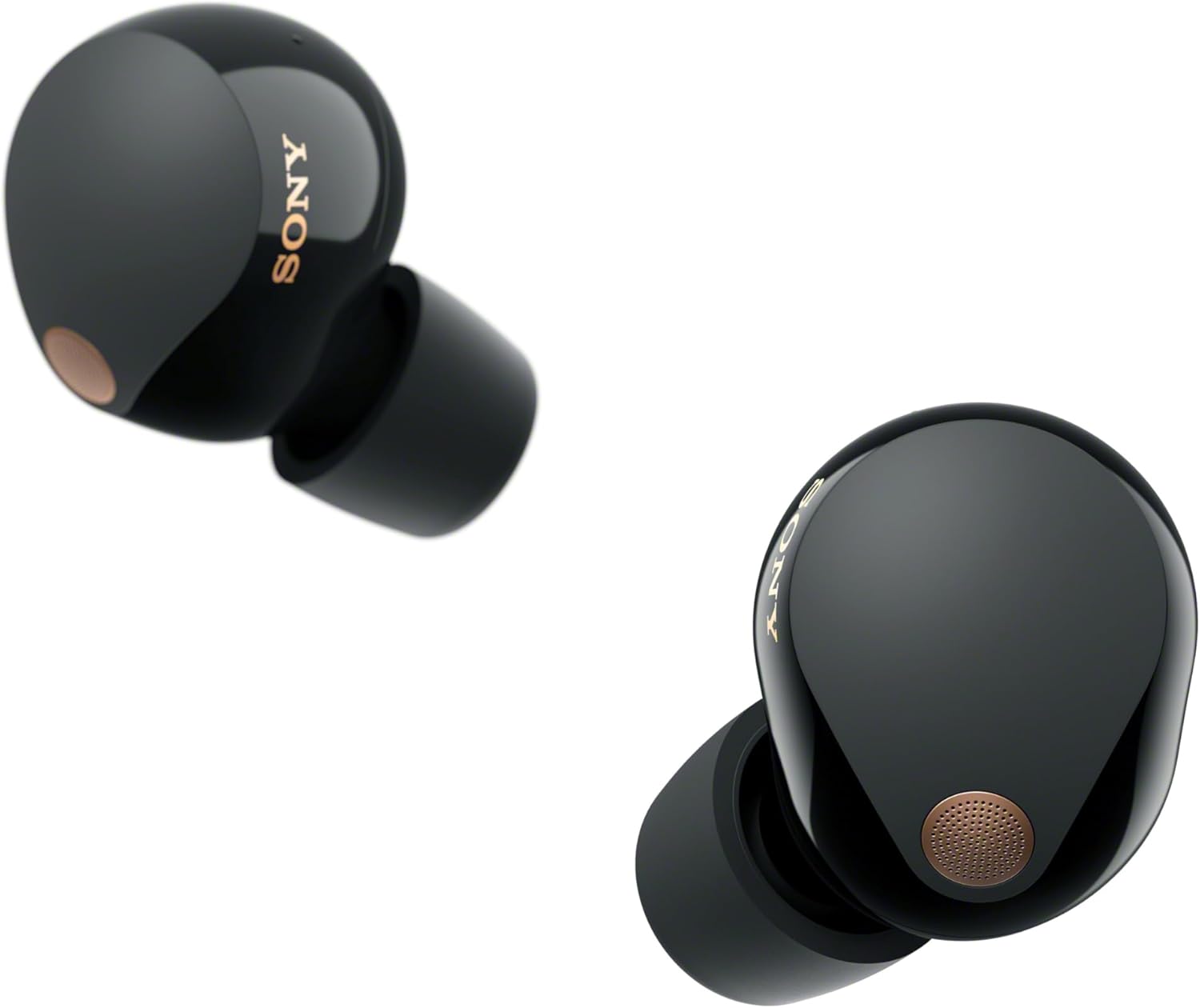 Sony WF-1000XM5 earbuds stay secure during the rowing motion and have enough noise cancellation to block gym distractions without completely isolating you from safety sounds.
Frequently Asked Questions
How often should beginners row per week?
Start with 2-3 sessions per week, allowing at least one day between rowing workouts. Your posterior chain (back, glutes, hamstrings) needs recovery time, especially as a beginner. Once you're comfortable with the movement after 4-6 weeks, you can row 4-5 times weekly if desired. Listen to your body — if your lower back feels stiff or your form is deteriorating, take an extra rest day.
What's a good beginner pace and stroke rate?
Aim for 2:30-3:00 splits (time to complete 500 meters) at 20-24 strokes per minute for steady rowing. Don't worry about being "slow" — focus on consistency and technique first. Most beginners try to row too fast and their form breaks down. A sustainable pace you can hold for 10+ minutes is more valuable than sprinting for 2 minutes and burning out.
Should I adjust the damper setting on the rowing machine?
Start with damper setting 3-4 and stay there for your first month. Higher settings (8-10) make each stroke feel heavier but don't necessarily give you a better workout — they just tire you out faster. Think of it like bike gears: you can pedal a heavy gear slowly or a lighter gear quickly. Both can be great workouts, but beginners benefit from learning proper technique with moderate resistance first.
Which muscles does rowing actually work?
Rowing is about 85% lower body despite what most people think. Your quads, glutes, and hamstrings do most of the work during the drive phase. Your lats, rhomboids, and rear delts assist during the pull. Your core stabilizes throughout the entire movement. If your arms are getting tired first, you're pulling too early in the stroke sequence — let your legs do the initial work.
How do I avoid lower back pain while rowing?
Lower back pain usually comes from two mistakes: rounding your back at the catch position or over-reaching at the beginning of each stroke. Keep a neutral spine throughout the movement and don't stretch so far forward that your back rounds. If you're getting pain, shorten your reach slightly and focus on proper posture. Also warm up properly — 5 minutes easy rowing isn't just tradition, it's necessary.
Can I lose weight just by rowing?
Absolutely. Rowing burns 400-600 calories per hour depending on your weight and intensity, which is comparable to running but easier on your joints. For fat loss, consistency matters more than intensity — aim for 3-4 sessions per week at a sustainable pace rather than occasional high-intensity sessions. Combine rowing with basic strength training (check our dumbbell guide) for best results.
What should I do if all the rowing machines are taken?
This is rare since most Singaporeans avoid rowers, but peak hours (6-8pm) can get busy. Have a backup cardio plan — try our stationary bike guide or elliptical workout. Better yet, aim for off-peak times or choose 24-hour gyms like Snap Fitness where you can row at 10pm when machines are always available.
Final Recommendation
If you're completely new to rowing and budget isn't a major constraint, start with UFIT CBD Hub. Yes, it's expensive, but learning proper technique from day one prevents months of bad habits and potential injuries. Their trainers actually understand rowing biomechanics, not just "pull harder."
For most people though, Snap Fitness Woodlands or Jurong West offers the best value. Quality Concept2 machines, reasonable prices, 24-hour access, and you can always book a few personal training sessions initially to nail down your form.
Remember: rowing is a skill-based exercise disguised as simple cardio. Technique matters more than intensity for the first month. Get the movement right, stay consistent, and you'll understand why competitive rowers have some of the best physiques in all of sports.
Once you're comfortable with basic rowing, consider expanding to other compound movements with our guides on deadlifting and squatting — rowing pairs excellently with these exercises for complete posterior chain development.
Related Guides
Cable Machine Guide for Beginners Singapore
Cable Machine Guide for Beginners Singapore. Expert Singapore fitness guide with actionable advice, local tips
Treadmill Guide for Beginners Singapore
Treadmill Guide for Beginners Singapore. Expert Singapore fitness guide with actionable advice, local tips, an
Barbell Basics for Beginners Singapore
Barbell Basics for Beginners Singapore. Expert Singapore fitness guide with actionable advice, local tips, and
Dumbbell Basics for Beginners Singapore
Dumbbell Basics for Beginners Singapore. Expert Singapore fitness guide with actionable advice, local tips, an