
Your First Week at the Gym: Singapore Plan
Your First Week at the Gym: Singapore Plan. Expert Singapore fitness guide with actionable advice, local tips, and gym recommendations.
Links here, including to our partner brand OnWhey, may earn us a commission at no extra cost to you.
QUICK ANSWER: FIRST WEEK GYM PLAN
Start with 3 workouts focusing on major muscle groups, master basic movements, and build the habit. Skip fancy routines — focus on squats, push-ups, rows, and planks with proper form.
Your First Week Game Plan
Walking into a Singapore gym for the first time? I get it. The humidity hits you the moment you step inside, every machine looks intimidating, and everyone else seems to know exactly what they're doing.
Here's what nobody tells you about your first week: it's not about crushing yourself with intense workouts. It's about showing up, learning the basics, and building a routine that actually sticks. I've watched too many eager beginners burn out by day 4 because they tried to do everything at once.
This plan focuses on mastering 5 fundamental movements that work your entire body. No complicated splits, no exotic exercises — just the stuff that actually builds strength and confidence. Plus, I'll share the Singapore-specific tips I wish someone had told me 8 years ago, like why you should never schedule workouts between 6-8pm at most commercial gyms.
Where to Start: Best Gyms for First-Timers
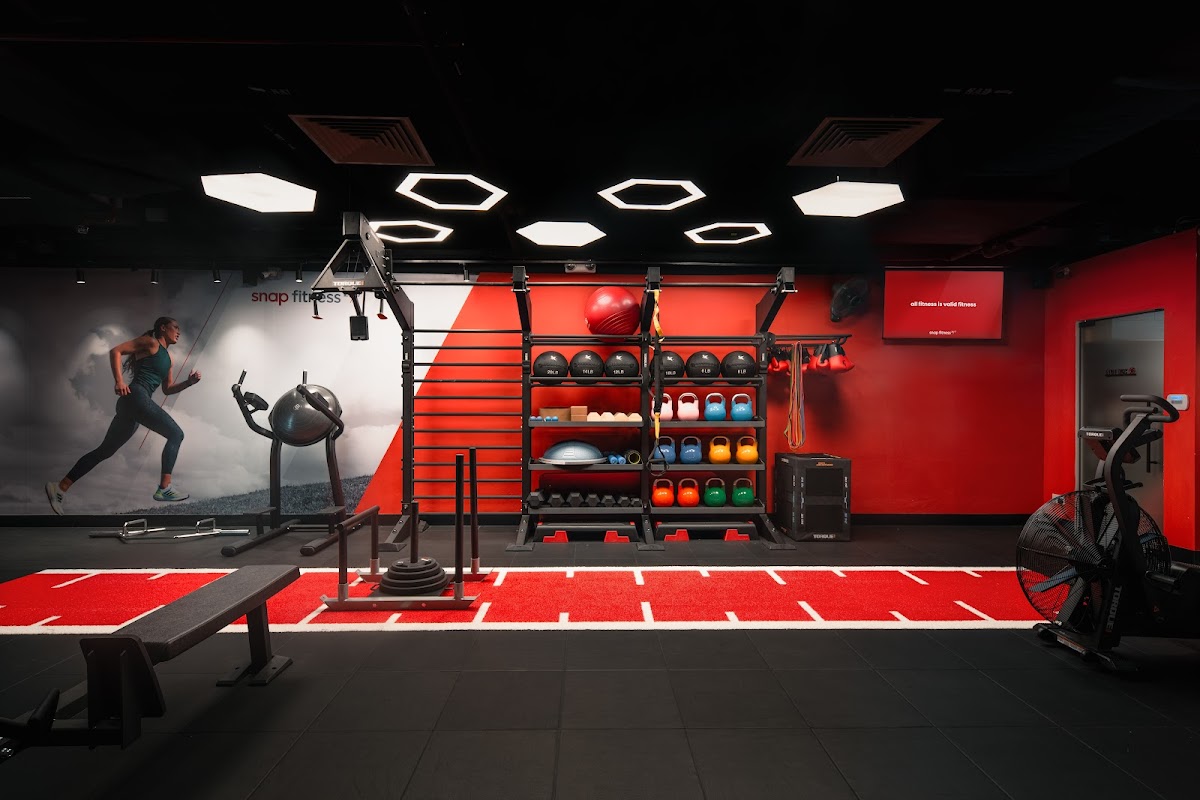
Snap Fitness Woodlands Health
⭐ 5/5 (48 reviews) • $70-120/mo • Woodlands
BEST FOR:
Complete beginners who want to try before committing
NOT IDEAL FOR:
Peak hour workouts — gets crowded 7-9pm
The $15 day pass makes this perfect for testing the waters. Clean equipment, helpful staff, and they actually show you how to use machines without judgment. Located right in Woodlands Health Centre, so parking is easy.
View Details →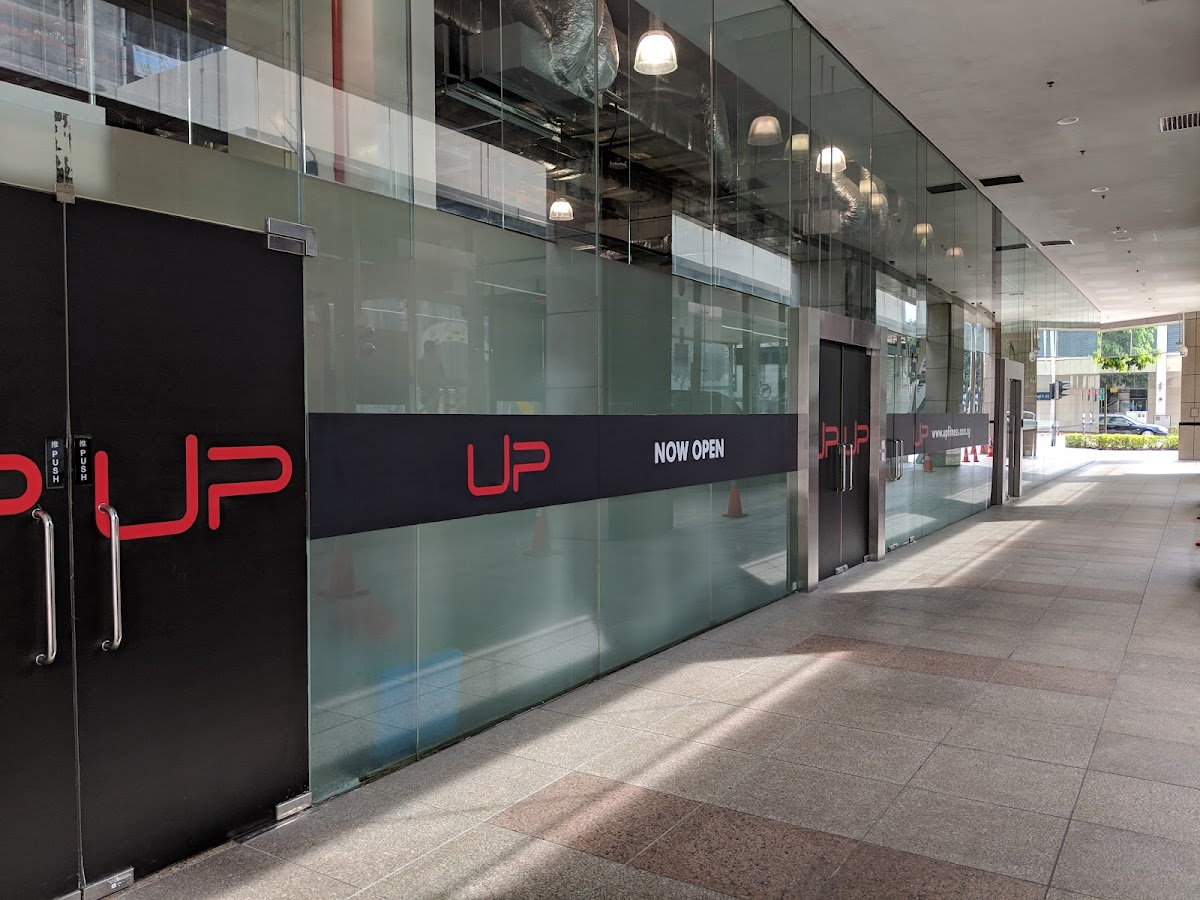
Ultimate Performance CBD
⭐ 5/5 (1323 reviews) • Contact for pricing • CBD
BEST FOR:
High earners who want guaranteed results and expert coaching
NOT IDEAL FOR:
Budget-conscious beginners — this is premium pricing
If you can afford it, this is the fastest way to learn proper form. Their trainers actually know anatomy and won't let you develop bad habits. Ground floor of Manulife Tower makes it super convenient for CBD workers.
View Details →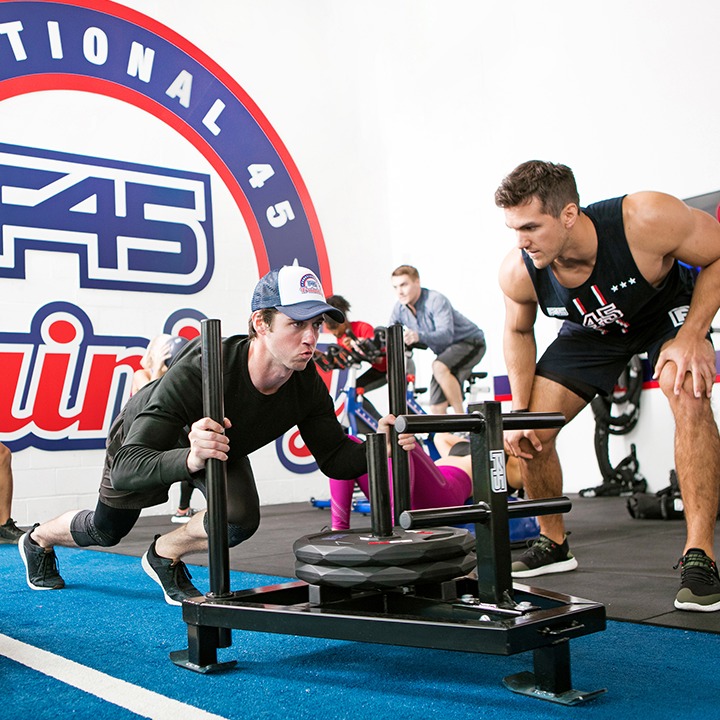
F45 Training Tanjong Rhu
⭐ 5/5 (207 reviews) • $238-316/mo • Stadium
BEST FOR:
People who need structure and don't want to plan workouts
NOT IDEAL FOR:
Introverts who prefer working out alone
The group format takes away all the guesswork — just show up and follow along. Coaches correct your form, and the 45-minute classes fit perfectly into busy schedules. Located in Wave Mall, so you can grab dinner after.
View Details →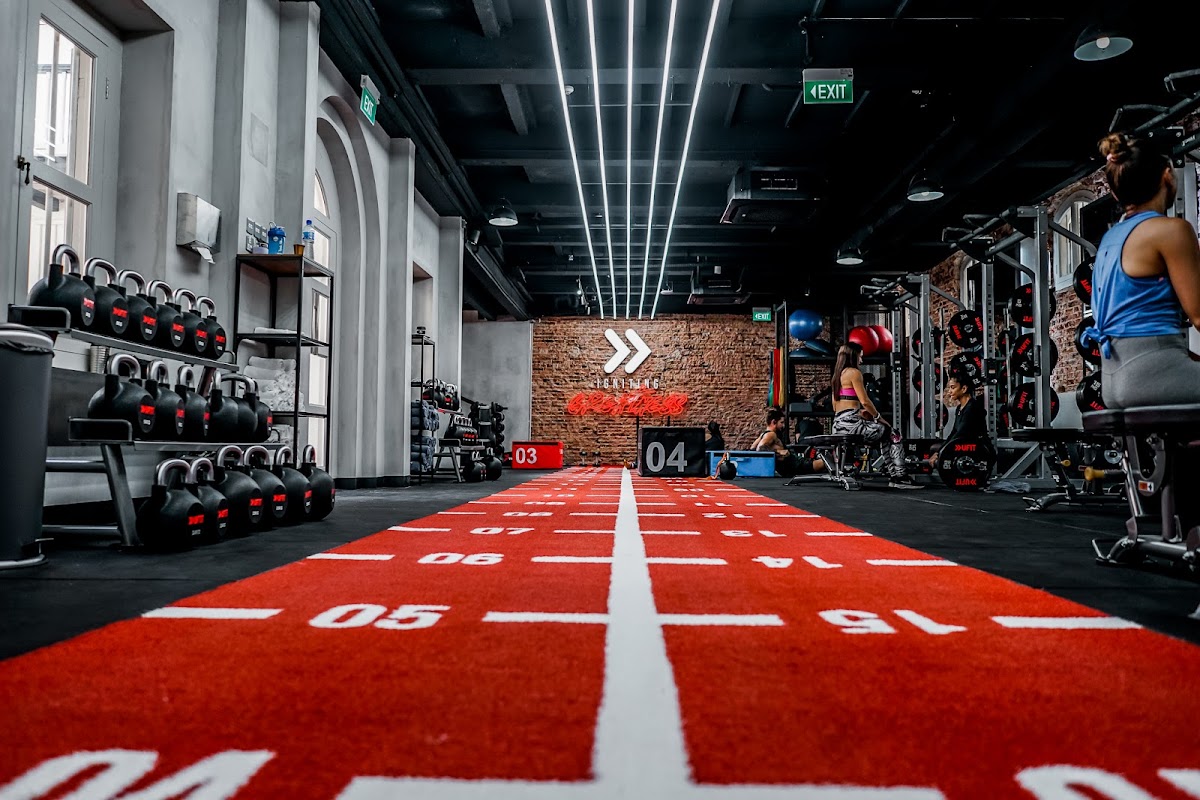
UFIT CBD Hub - Club Street
⭐ 5/5 (477 reviews) • $200-400/mo • Club Street
BEST FOR:
Professionals who want a premium boutique experience
NOT IDEAL FOR:
Budget beginners — this is high-end pricing
Small group classes with excellent coaching and a community feel. The functional fitness approach means you'll learn movements that actually help in daily life. Great location for CBD workers, though parking is terrible.
View Details →The 7-Day Workout Schedule
Week 1 Schedule
Day 1 (Mon/Tue): Upper Body Foundation
Day 2: Rest or gentle walk
Day 3 (Wed/Thu): Lower Body Foundation
Day 4: Rest
Day 5 (Fri/Sat): Full Body Integration
Days 6-7: Rest and recovery
Day 1: Upper Body Foundation (45 minutes)
Start with this because upper body movements are generally easier to learn and less intimidating than squats or deadlifts. You'll build confidence right away.
Warm-Up (10 minutes)
- • 5 minutes easy walking on treadmill
- • 10 arm circles forward and backward
- • 10 shoulder rolls
- • 5 wall push-ups (just to activate muscles)
Main Workout (30 minutes)
1. Assisted Pull-Ups or Lat Pulldown
3 sets of 8-12 reps • Rest 90 seconds
Use the assisted pull-up machine or cable lat pulldown. Focus on pulling with your back, not just your arms.
2. Push-Ups (knee or wall version)
3 sets of 5-15 reps • Rest 60 seconds
Start with knee push-ups. If those are too hard, do wall push-ups. Perfect form beats high reps.
3. Seated Cable Row
3 sets of 10-12 reps • Rest 90 seconds
Squeeze shoulder blades together. This balances out all the pushing movements.
4. Overhead Press (dumbbells or machine)
3 sets of 8-10 reps • Rest 90 seconds
Start light — maybe 5-8kg dumbbells. Press straight up, don't arch your back.
Cool-Down (5 minutes)
- • 2 minutes slow walking
- • Chest doorway stretch — 30 seconds
- • Shoulder crossover stretch — 30 seconds each arm
- • Deep breathing
Day 3: Lower Body Foundation (45 minutes)
Lower body day is where beginners usually struggle, but these movements form the foundation of everything. Take it slow and focus on form over weight.
Warm-Up (10 minutes)
- • 5 minutes on stationary bike (low resistance)
- • 10 bodyweight squats (partial range is fine)
- • 10 leg swings forward/back each leg
- • 10 hip circles each direction
Main Workout (30 minutes)
1. Goblet Squats
3 sets of 8-12 reps • Rest 90 seconds
Hold a light dumbbell at chest level. Squat down like sitting in a chair. This teaches proper squat form.
2. Romanian Deadlift (light dumbbells)
3 sets of 8-10 reps • Rest 90 seconds
Hinge at hips, keep chest up. Feel the stretch in your hamstrings. Start with 5-8kg dumbbells.
3. Walking Lunges
3 sets of 10 steps (5 each leg) • Rest 60 seconds
Step forward, drop back knee toward floor. Bodyweight only for now.
4. Calf Raises
2 sets of 15-20 reps • Rest 45 seconds
Rise up on toes, pause at top, lower slowly. Use a wall for balance if needed.
Day 5: Full Body Integration (50 minutes)
This workout combines movements from the first two sessions and adds core work. It's longer because we're putting everything together.
Circuit Format (repeat 3 times)
1. Bodyweight Squats → 2. Push-Ups → 3. Mountain Climbers → 4. Plank
10 squats → 5-8 push-ups → 20 mountain climbers → 20-30 second plank
Move from one exercise to the next with minimal rest. Rest 2 minutes between full circuits.
The beauty of this approach is simplicity. You're not trying to learn 15 different exercises. You're mastering the basics that actually matter. For detailed form cues on each movement, check out our complete squat guide and push-up tutorial.
Gym Comparison: Where to Execute This Plan
| Gym | Price Range | Beginner Support | Equipment Quality |
|---|---|---|---|
| Snap Fitness Woodlands | $70-120/mo | Excellent | Good |
| Ultimate Performance | $$$$ | Premium | Excellent |
| F45 Tanjong Rhu | $238-316/mo | Very Good | Good |
| UFIT Club Street | $200-400/mo | Very Good | Excellent |
How to Choose: Match Your Situation
IF YOU'RE: Completely New to Exercise
Look for: patient staff, intro sessions, basic equipment, no intimidation factor
Best fit: Snap Fitness with day passes first
IF YOU'RE: Busy Professional
Look for: efficient workouts, near office/MRT, shower facilities, flexible hours
Best fit: F45 for structure
IF YOU'RE: Results-Focused
Look for: expert coaching, personalized programs, proven track record
Best fit: Ultimate Performance if budget allows
IF YOU'RE: Social Exerciser
Look for: group classes, community feel, varied workouts, motivating environment
Best fit: UFIT for small group training
Singapore Gym Insider Tips
After 8 years of gym-hopping across the island, here's the local knowledge that actually makes a difference:
Timing Is Everything
Peak hours are 6-8pm weekdays and 9-11am weekends at most commercial gyms. You'll wait for equipment and feel rushed. Try 2-4pm weekdays or 6-8am any day for empty gyms and better focus.
Hydration Strategy
Singapore's humidity means you sweat more than you think. Bring 1.5L of water minimum, and sip throughout the workout, not just when thirsty. The aircon makes you feel cooler than you are.
Day Pass Testing
Most chains offer day passes ($15-25). Use these to try 3-4 gyms before committing. The vibe, crowd, and equipment quality vary dramatically even within the same brand.
Towel Protocol
Always wipe down equipment after use — this isn't optional in Singapore gyms. Bring your own towel; rental towels are often an extra $3-5 per visit and the quality is hit or miss.
Form Over Everything
Many Singapore gyms have trainers who'll correct dangerous form, but don't count on it. Learn proper technique from our complete beginner guide before your first session.
Speaking of gear, invest in proper wireless earbuds early on. Good music makes workouts 50% more enjoyable, and nothing kills momentum like tangled wires or cheap earbuds that fall out during mountain climbers.
Common Questions
How much should I expect to be sore after the first week?
Mild muscle soreness is normal and actually a good sign — it means you worked muscles that haven't been challenged recently. You should feel it most 24-48 hours after each workout. However, sharp pains, joint aches, or soreness that prevents normal movement means you overdid it. Scale back the intensity and focus on form. Check out our common mistakes guide to avoid injury.
What if I can't complete the suggested reps?
Completely normal! These are target ranges, not requirements. If you can only do 3 push-ups instead of 8, that's your starting point. Make note of it and try to add one more rep next week. The progression matters more than the absolute numbers. Use easier variations — wall push-ups instead of knee push-ups, or bodyweight squats instead of goblet squats.
Should I work out if I'm still sore from the previous session?
Light soreness is fine to work through, but listen to your body. If you're significantly sore, take an extra rest day or do light walking. This first week is about building the habit, not pushing through pain. Better to be consistent with easier workouts than to burn out or get injured pushing too hard.
How do I know if I'm using the right weight?
The last 2-3 reps of each set should feel challenging but not impossible. If you can easily do 15 reps when the target is 10, increase the weight slightly. If you can't reach the minimum rep range with good form, use lighter weight or an easier variation. Your strength will improve quickly in the first few weeks.
What should I eat before and after workouts?
Don't overthink nutrition in week one. Eat a light meal 2-3 hours before (like your usual cai png without the fried items), or a banana 30-60 minutes before if you're working out after work. After the workout, aim for protein and carbs within 2 hours — could be as simple as a protein shake and some fruit, or your regular dinner if timing works out.
How long before I see results?
You'll feel stronger and more energetic within 2 weeks. Visible changes typically appear after 4-6 weeks of consistent training. The biggest change in week one will be mental — you'll feel more confident and accomplished. For a realistic timeline, read our guide on when to expect gym results.
What gym equipment do I absolutely need to buy?
For your first week, you need nothing except workout clothes and water. The gym provides everything else. Once you're committed, a structured 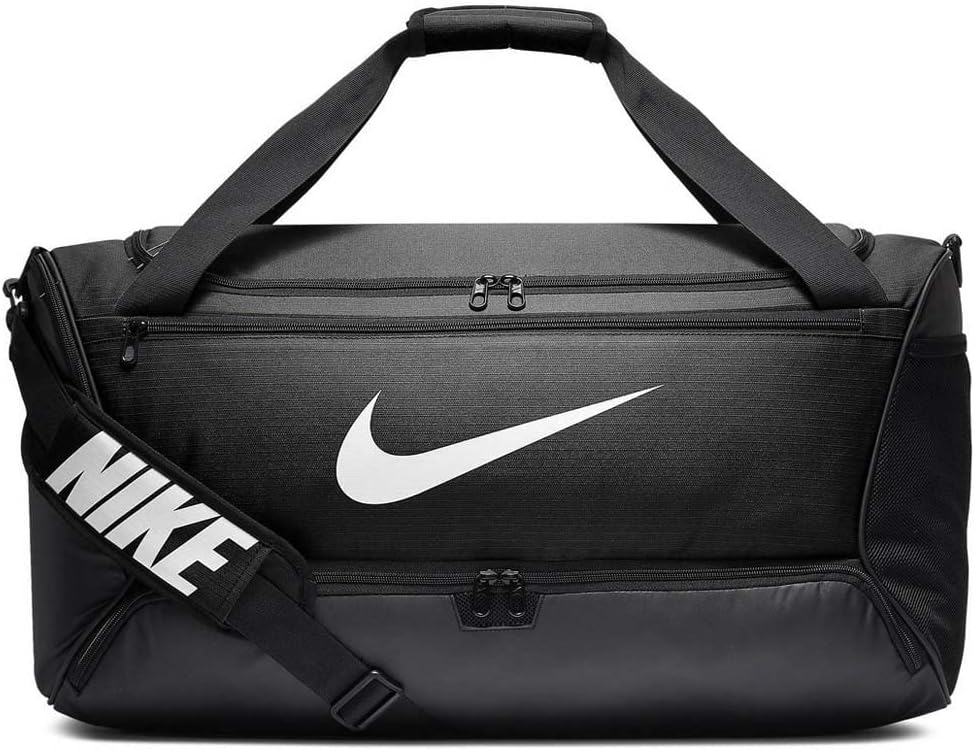 Nike Brasilia Duffel keeps your gear organized — see our gym bags guide for more options.
Your Next Steps
The hardest part isn't the workouts — it's walking through the gym doors for the first time. Once you complete this first week, you'll have broken through the biggest barrier.
Here's your action plan: Pick one of the gyms above based on your situation and budget. Book a day pass or trial session. Commit to showing up three times in the next 7 days, even if the workouts aren't perfect.
After week one, you'll want to progress the plan. Add more weight to the exercises, increase reps, or extend workout time. Our warm-up guide and cool-down routine will become more important as you increase intensity.
Remember: everyone at the gym was a beginner once. The guy deadlifting 100kg started with just the empty bar. The woman cranking out perfect pull-ups probably couldn't do one when she started.
Most importantly, be patient with yourself. Fitness is a long-term game, and consistency beats intensity every single time. Show up, do the work, and trust the process. You've got this.
Ready to start? Choose your gym and book that first session today.
Related Guides
Your First Month at the Gym: Singapore Plan
Your First Month at the Gym: Singapore Plan. Expert Singapore fitness guide with actionable advice, local tips
Treadmill Guide for Beginners Singapore
Treadmill Guide for Beginners Singapore. Expert Singapore fitness guide with actionable advice, local tips, an

January Week 1 Workout Plan 2026
January Week 1 Workout Plan 2026. Expert Singapore fitness guide with actionable advice, local tips, and gym r

February Week 4 Workout Plan 2026
February Week 4 Workout Plan 2026. Expert Singapore fitness guide with actionable advice, local tips, and gym