How to Do Pull-Ups: Singapore Guide
How to Do Pull-Ups: Singapore Guide. Expert Singapore fitness guide with actionable advice, local tips, and gym recommendations.
As an Amazon Associate, Gyms.sg earns from qualifying purchases. Links here, including to our partner brand OnWhey, may earn us a commission at no extra cost to you.
QUICK ANSWER: HOW TO DO PULL-UPS IN SINGAPORE
Pull-ups are the king of upper body exercises, but 90% of Singapore gym-goers do them wrong. Start with dead hangs for 30 seconds, progress to negative pull-ups, then aim for your first full rep within 4-8 weeks.
Getting Started: Why Pull-Ups Matter in Singapore's Humid Climate
Pull-ups separate the serious gym-goers from the Instagram posers. I've been tracking my progress across Singapore gyms for three years now, and honestly? Most people give up after two weeks because they approach it completely wrong.
Here's the thing — Singapore's humidity makes every workout harder, but pull-ups especially. You're fighting gravity plus that sticky 85% humidity that makes your hands slip off the bar. I learned this the hard way at Fitness Station Toa Payoh during a particularly brutal August session.
The good news? Pull-ups work everything — lats, rhomboids, rear delts, biceps, even your core. Master this one movement and you've basically built the foundation for serious upper body strength. Plus, every gym in Singapore has a pull-up bar (though the quality varies dramatically).
Best Gyms for Pull-Up Training
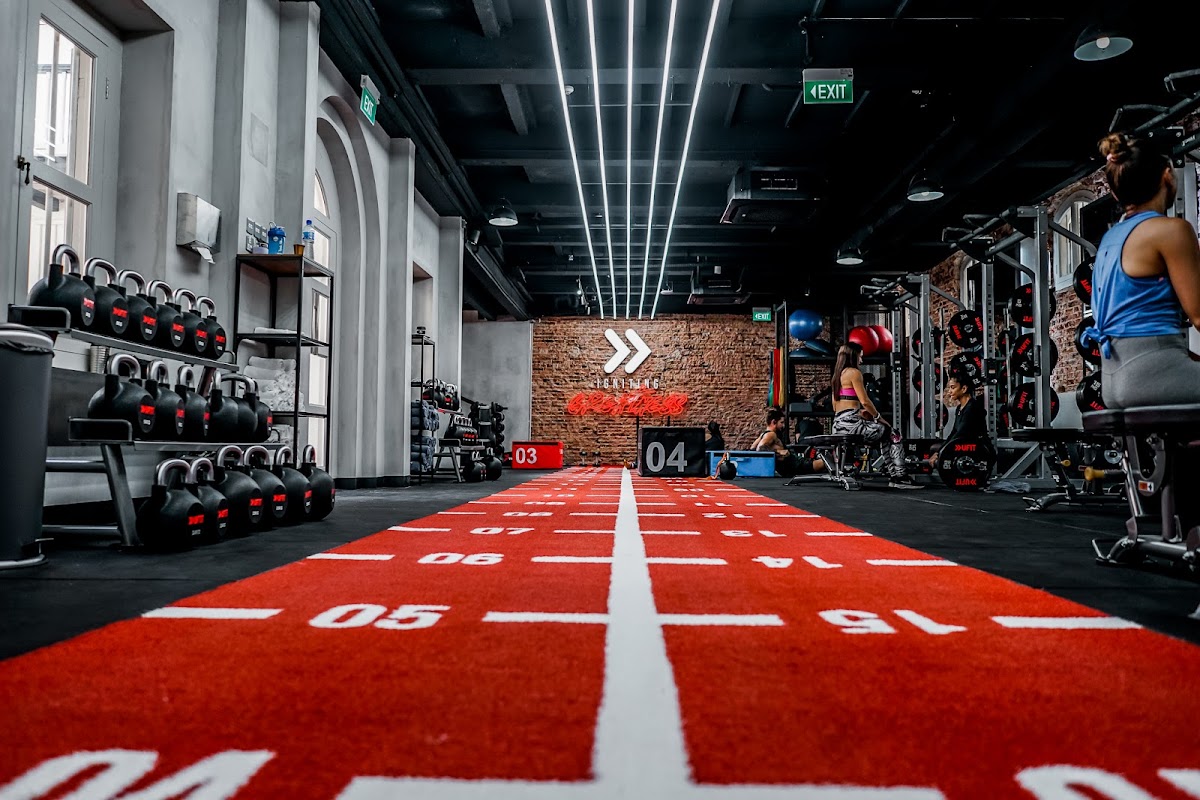
UFIT CBD HUB - CLUB STREET
⭐ 5/5 (477 reviews) • $200-400/mo • Club Street
BEST FOR:
Serious athletes who want premium equipment and expert coaching
NOT IDEAL FOR:
Budget-conscious beginners — membership starts at $200/month
Multiple pull-up stations with different grip widths, plus they have those fancy assisted pull-up machines that actually help you learn proper form. The trainers here know their stuff — they'll spot your negatives and critique your form without making you feel stupid.
View Details →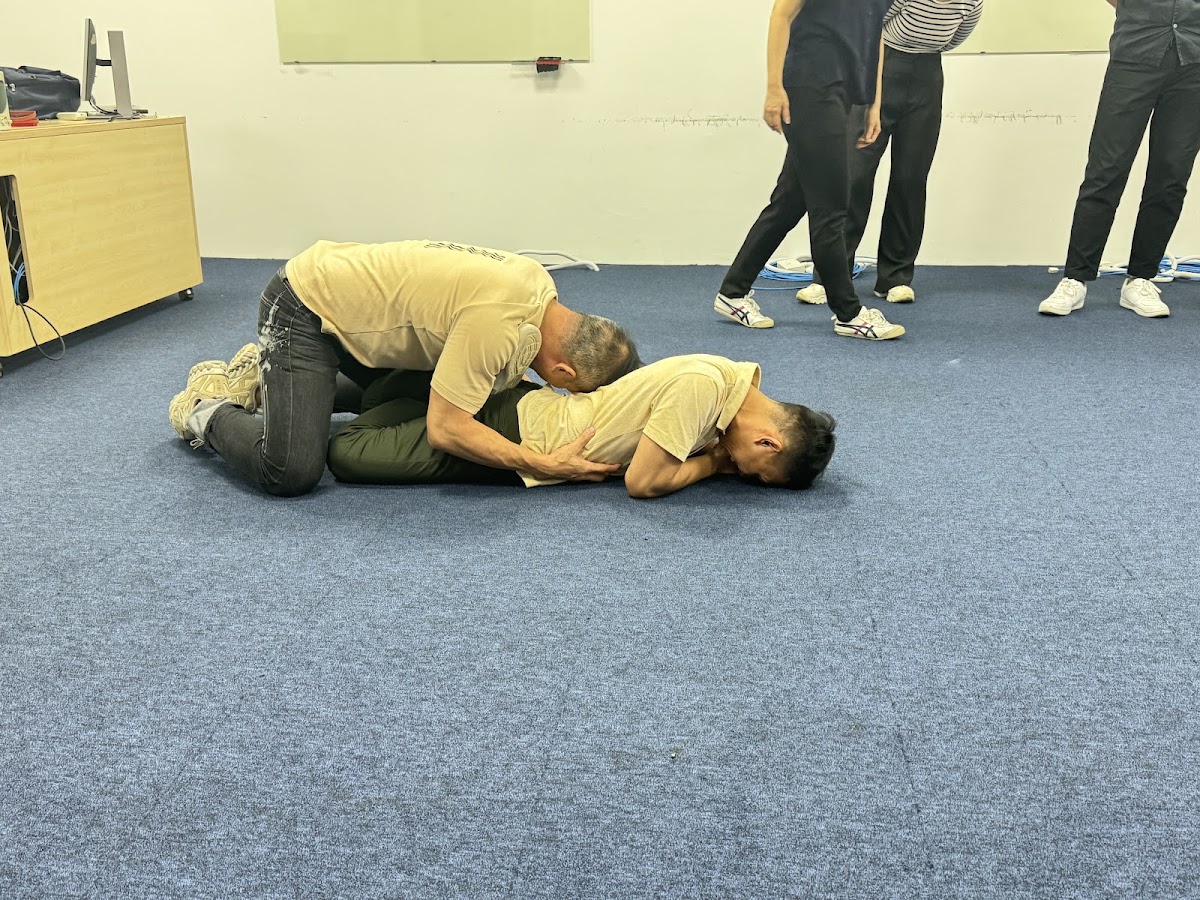
U-ELITE MARTIAL FITNESS
⭐ 5/5 (1862 reviews) • Contact for pricing • Gambas
BEST FOR:
Functional fitness enthusiasts who want variety in their pull-up training
NOT IDEAL FOR:
Pure powerlifters — this is more martial arts focused
They have everything — regular bars, thick grip bars, even gymnastic rings hanging from the ceiling. The martial arts background means they actually teach you proper chin-up vs pull-up grip differences, which most gym trainers mess up.
View Details →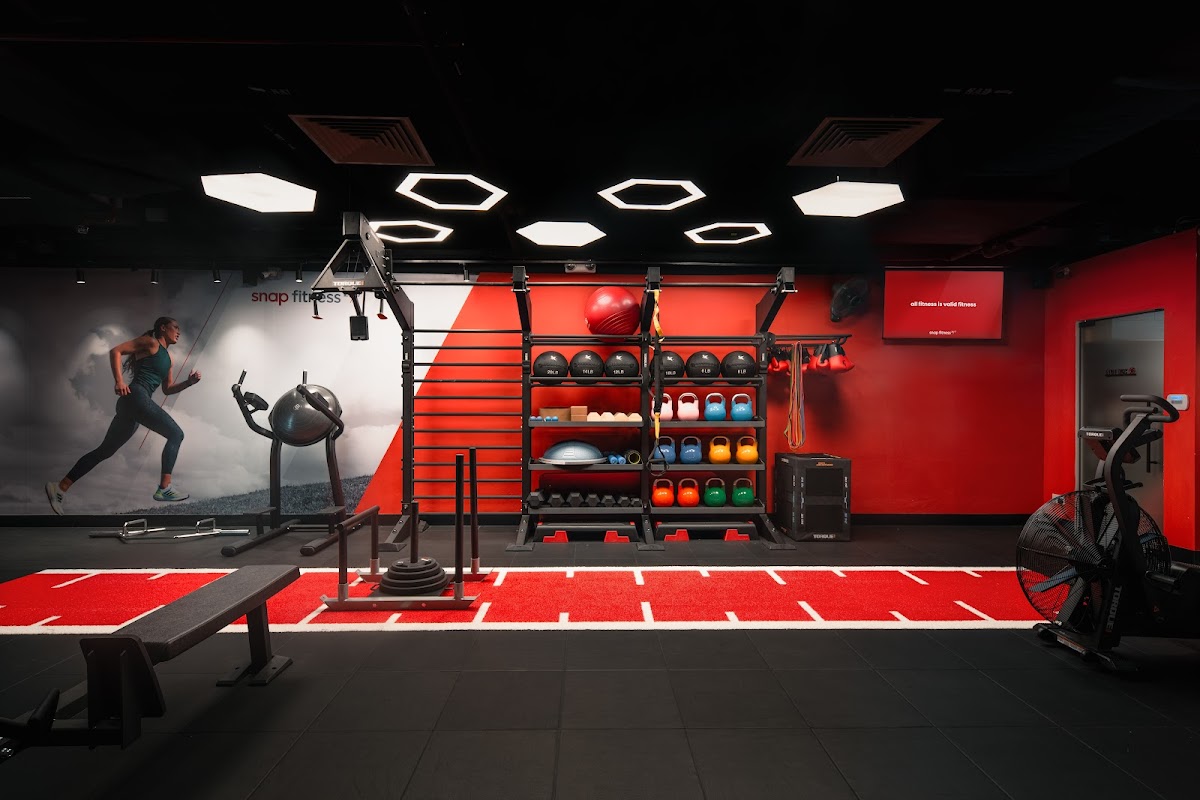
SNAP FITNESS WOODLANDS HEALTH
⭐ 5/5 (48 reviews) • $70-120/mo • Woodlands
BEST FOR:
24-hour access for consistent training without crowds
NOT IDEAL FOR:
Beginners who need coaching — minimal staff outside peak hours
Solid pull-up station and the 24-hour access means you can practice your dead hangs at 11pm without anyone watching. The assisted pull-up machine is older but functional, plus $15 day passes if you want to test it first.
View Details →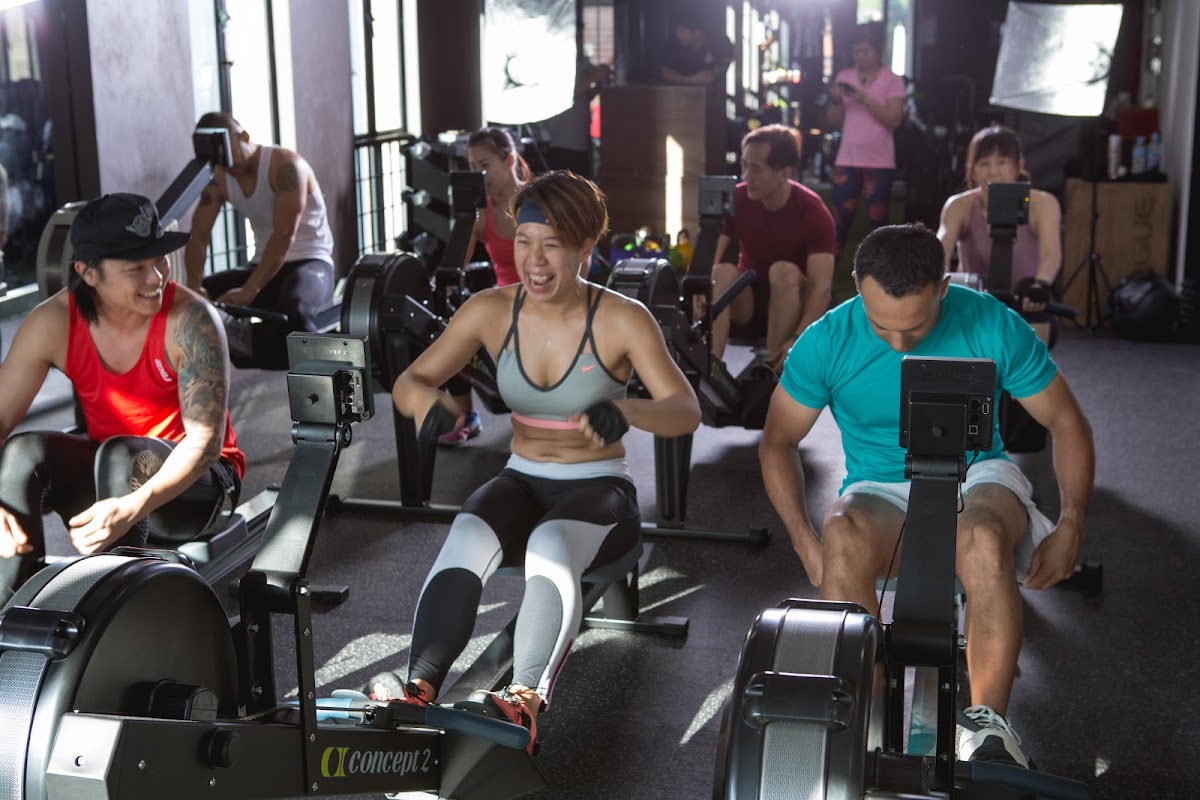
PULSE LAB
⭐ 5/5 (34 reviews) • Contact for pricing • Aliwal Street
BEST FOR:
Athletes who want scientific approach to pull-up progression
NOT IDEAL FOR:
Casual fitness — this place is intense and data-driven
Small but incredibly well-equipped with different grip options and actual coaching on progression. They'll track your numbers and adjust your program based on actual performance data, not just guesswork.
View Details →Pull-Up Progression: The Singapore Method
Forget what you see on social media. Here's how you actually build up to your first pull-up in Singapore's climate, tested across dozens of gyms and hundreds of sweaty sessions.
Phase 1: Dead Hangs (Weeks 1-2)
Goal: Hang for 30 seconds straight without dropping.
How to do it: Grab the bar with palms facing away (overhand grip), hands slightly wider than shoulders. Just hang there. Engage your lats by trying to pull your shoulders down and back — don't just dangle like a wet towel.
Sets and reps: 3 sets of maximum hang time, rest 90 seconds between sets. Do this every other day.
Singapore tip: Bring a small towel for your hands. The humidity makes bars slippery, and chalk isn't allowed in most commercial gyms. I learned this after slipping off the bar at F45 Tanjong Rhu and nearly taking out the person behind me.
Phase 2: Negative Pull-Ups (Weeks 2-4)
Goal: Control your descent from the top position for 5 seconds.
How to do it: Use a box or bench to get your chin above the bar, then slowly lower yourself down. This is the most important phase — negatives build serious strength.
Sets and reps: 3 sets of 5 negatives, focusing on 5-second descents. Rest 2 minutes between sets.
If you can't control the descent for 5 seconds, use pull-up assist bands to reduce your body weight. Most Singapore gyms have these now, though the quality varies.
Phase 3: Assisted Pull-Ups (Weeks 3-6)
Goal: Complete full range of motion with assistance.
How to do it: Use the assisted pull-up machine (set it to about 70% of your body weight initially) or resistance bands. Focus on pulling your chest to the bar, not just getting your chin over.
Sets and reps: 3 sets of 8-12 reps. Decrease assistance weight by 5-10kg every week.
Alternative: Partner-assisted pull-ups. Have someone hold your feet and provide just enough help to complete the movement. Works great but requires a training buddy.
Phase 4: Your First Real Pull-Up (Weeks 4-8)
The moment of truth: Start each session by attempting one unassisted pull-up. Don't worry if you can't complete it fully — partial reps still build strength.
Progression pattern:
• Week 4: Attempt 1 rep, then continue with assisted work
• Week 5: Attempt 2 reps at start of each session
• Week 6: Attempt 3 reps, rest, attempt 2 more
• Week 7-8: Build up to 3 sets of 3-5 reps
Pro tip: Film yourself from the side. Most people think they're doing full pull-ups but they're only going halfway down. Your arms should be fully extended at the bottom, chest should touch or nearly touch the bar at the top.
Equipment Comparison: What Actually Works
| Gym | Pull-Up Bars | Assisted Machine | Bands Available | Best For |
|---|---|---|---|---|
| UFIT CBD Hub | Multiple stations | Yes (premium) | Yes | Advanced training |
| U-Elite Martial | Rings + bars | No | Yes | Functional fitness |
| Snap Fitness | Standard | Yes (basic) | Sometimes | 24-hour access |
| Fitness Station | Basic | No | No | Budget option |
How to Choose Your Training Approach
IF YOU'RE A: Complete Beginner
Start with dead hangs and focus on grip strength. Expect 6-8 weeks to your first pull-up.
Best approach: Snap Fitness for assisted machine practice
IF YOU'RE: Already Gym Regular
You have base strength but need pull-up specific training. Focus on negatives and form.
Best approach: UFIT CBD Hub for coaching and equipment variety
IF YOU'RE: Former Athlete
You know training principles but need specific pull-up progression structure.
Best approach: U-Elite Martial for advanced variations
IF YOU'RE: Time-Limited Professional
Need efficient training that fits around work schedule. Focus on compound movements.
Best approach: Pulse Lab for data-driven programming
Insider Tips for Pull-Up Success in Singapore
Timing is everything: Singapore gyms are packed from 6-8pm weekdays. For pull-up practice, you want an empty gym. Try 2-4pm or after 9pm — you'll get uninterrupted bar access and no one judging your form.
The towel trick: Always bring a small gym towel, even if you're not showering. Humidity makes your hands slip off the bar faster than you'd expect. Wrap it around the bar for better grip, or just use it to dry your palms between sets. This saved my pull-up sessions more times than I can count.
Hydration strategy: Don't gulp water during pull-up sets — it sloshes around and throws off your center of gravity. Small sips only. Save the proper hydration for after your pull-up work is done. I learned this after nearly throwing up during negatives at Athletic Collective Orchard.
Equipment hack: If your gym doesn't have resistance bands, buy your own set. The pull-up assist band sets fit in any gym bag and work at any bar. Much better than waiting for the assisted machine.
Form check reality: Film yourself from the side using your phone. Singapore gym mirrors are positioned for selfies, not form checks. You need to see your full range of motion to know if you're actually doing complete pull-ups or just partial reps like 80% of people.
Common Mistakes (And How to Fix Them)
Mistake #1: Kipping from day one. Those swinging pull-ups you see on Instagram? That's CrossFit kipping, and it's an advanced technique. Learn strict pull-ups first — full dead hang to chest touching bar.
Mistake #2: Only training twice a week. Pull-ups are a skill as much as strength. You need frequency — 3-4 times per week minimum. But keep volume reasonable (15-25 total reps per session max when starting).
Mistake #3: Ignoring the negative. The lowering portion builds more strength than the pulling up part. Take 3-5 seconds to lower yourself from the bar. This is where the real muscle growth happens.
Mistake #4: Wrong grip width. Start with hands slightly wider than shoulders. Too narrow and you're doing chin-ups (bicep dominant). Too wide and you lose power. Find what feels natural and strong.
Mistake #5: Giving up too early. I see people quit after 2-3 weeks because they can't do a full pull-up yet. It takes most people 4-8 weeks of consistent training. Your first pull-up might be ugly and partial — that's normal and expected.
Weekly Training Schedule
Here's the exact program I used to go from zero pull-ups to 10 consecutive reps over three months. Adjust the timeline based on your starting strength.
Monday - Pull-Up Focus Day:
• Warm-up: Arm circles, band pull-aparts (5 minutes)
• Dead hangs: 3 sets of max time
• Negative pull-ups: 3 sets of 5 (5-second descent)
• Assisted pull-ups: 2 sets of 8-12
• Cool-down: Lat stretches, doorway chest stretch
Wednesday - Volume Day:
• Light warm-up
• Pull-up attempts: 3 sets of max reps (rest 3 minutes between)
• Assisted pull-ups: 4 sets of 6-10
• Supporting exercises: Lat pulldowns, seated rows
Friday - Skill Practice:
• Focus on form over reps
• Dead hangs: Work up to 45-60 seconds
• Slow negatives: 2 sets of 3 (8-second descent)
• Practice different grips: Wide, narrow, neutral
For supplementary work at home, check out our rowing guide — it builds the same pulling muscles and helps with pull-up strength.
Equipment You Actually Need
Most pull-up advice tells you to buy a home pull-up bar, but let's be realistic about Singapore housing. Here's what actually helps:
Essential gear: A good pair of lifting gloves or gymnastic grips make a huge difference in Singapore's humidity. Your hands will thank you.
For serious progress: Resistance band set that you can bring to any gym. Way better than waiting for machines or hoping your gym has them.
Recovery investment: A 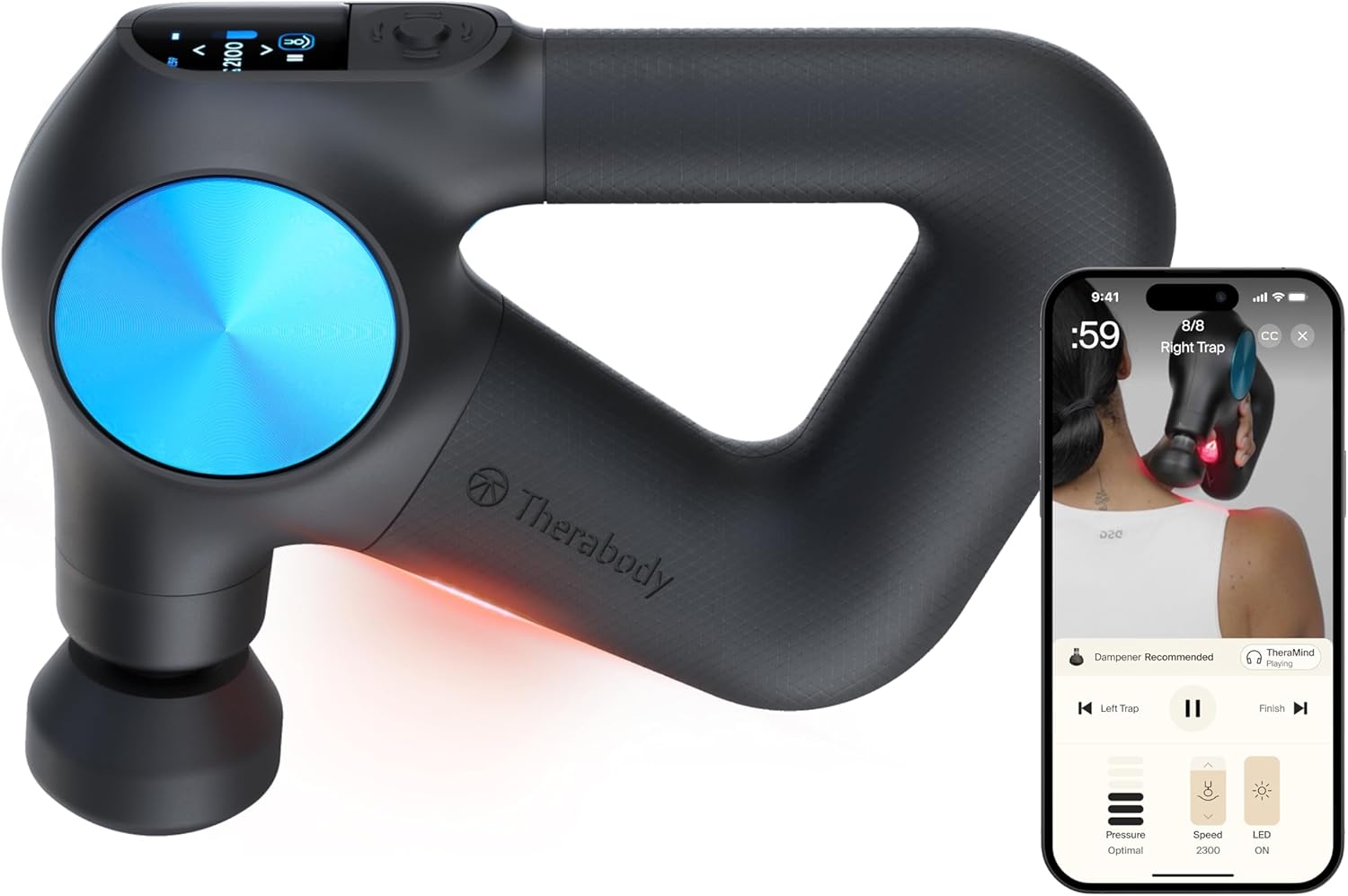 massage gun or cheaper alternative for your lats and forearms. Pull-up training is hard on these muscles, especially in the beginning.
Frequently Asked Questions
How long does it take to do your first pull-up?
Most people take 4-8 weeks with consistent training (3-4x per week). If you're already fit from other activities, maybe 3-4 weeks. If you're starting from zero fitness, could be 8-12 weeks. The key is consistency — missing weeks will reset your progress.
Should I lose weight before attempting pull-ups?
Pull-ups are easier when you weigh less, but don't wait to start training. Work on both simultaneously — pull-up strength training and gradual weight loss if needed. Every 5kg you lose makes pull-ups significantly easier, but you can still progress while losing weight.
Pull-ups vs chin-ups — what's the difference?
Pull-ups use an overhand grip (palms away from you), chin-ups use underhand grip (palms toward you). Chin-ups are easier because they use more biceps. Start with whichever you can do, but eventually learn both. Most Singapore gyms have bars that accommodate both grips.
Can I train pull-ups every day?
No — your muscles need rest to recover and grow stronger. 3-4 times per week maximum. If you want to do something daily, work on dead hangs or mobility/stretching on off days. Overtraining will slow your progress and increase injury risk.
Why do my forearms give out before my back?
Totally normal — grip strength is often the limiting factor for beginners. Work on dead hangs specifically, use lifting gloves if needed, and consider forearm strengthening exercises. This improves naturally as you progress, but it's the #1 reason people struggle initially.
Which Singapore gyms have the best pull-up equipment?
UFIT CBD Hub has the most comprehensive setup with multiple bar heights and grips. U-Elite Martial Fitness offers rings and functional equipment. For budget-friendly options, Snap Fitness locations have solid basic setups.
Should I use the assisted pull-up machine?
Yes, but don't rely on it exclusively. The machine changes the movement pattern slightly, so also practice with resistance bands or partner assistance. Use the machine to build volume (higher reps) while working on unassisted attempts and negatives for strength.
Your Pull-Up Action Plan
Here's your next steps: Start with dead hangs this week. Find a gym with decent pull-up equipment — Snap Fitness Woodlands offers $15 day passes if you want to test their setup before committing.
Don't overthink it. The best pull-up program is the one you'll actually follow consistently. Pick 3-4 days per week, show up, and work the progression. In 6-8 weeks, you'll be that person cranking out pull-ups while others struggle with assisted machines.
Track your progress — not just reps, but hang time, negative control, and how you feel. Progress isn't always linear, especially in Singapore's climate where some days you'll feel stronger than others.
For more foundational movements that support your pull-up journey, check out our guides on proper deadlifting and overhead pressing — they build the same posterior chain strength that makes pull-ups easier.
Related Guides
Treadmill Guide for Beginners Singapore
Treadmill Guide for Beginners Singapore. Expert Singapore fitness guide with actionable advice, local tips, an
Your First Week at the Gym: Singapore Plan
Your First Week at the Gym: Singapore Plan. Expert Singapore fitness guide with actionable advice, local tips,
Your First Month at the Gym: Singapore Plan
Your First Month at the Gym: Singapore Plan. Expert Singapore fitness guide with actionable advice, local tips

Warm-Up Guide: Prepare for Your Workout Singapore
Warm-Up Guide: Prepare for Your Workout Singapore. Expert Singapore fitness guide with actionable advice, loca