
Home Gym vs Gym Membership Singapore: Cost Breakdown Over 5 Years
Home gym vs gym membership in Singapore — full 5-year cost breakdown across budget chains, boutique studios, and premium PT gyms, plus the honest break-even math most reviews skip.
Buying through the Amazon links in this guide costs you nothing extra. We earn a small commission, which keeps Gyms.sg free and pays for guides like this one. As an Amazon Associate, Gyms.sg earns from qualifying purchases. OnWhey is our own supplement brand.
QUICK ANSWER: HOME GYM VS GYM MEMBERSHIP SINGAPORE
After 5 years, a decent home gym costs $8,000-15,000 while gym memberships run $4,200-18,000 depending on your choice. Break-even happens around year 3 for serious lifters, but convenience and space are bigger factors than pure cost. Below: the three pieces that anchor a Singapore home build.

Prices quoted in this article may be outdated. Confirm the current price, exact model, seller, delivery to your address and warranty terms on the retailer’s page before ordering.
Check the retailer’s listing for the current price and availability. Confirm the selected variant, seller and delivery address before ordering.
THE REAL TALK: SINGAPORE HOME GYM VS MEMBERSHIP
The math isn't as straightforward as you'd think.
Compare a home setup and a gym membership using the exercises, space and access you need. The equipment list should follow that decision rather than a fixed bundle of products.
The original BowFlex 552 and 1090 dumbbells are excluded from these recommendations following the CPSC recall of 5 June 2025 for plates detaching during use. If you own one, stop using it and read BowFlex's recall guidance. The published remedy process applies to the US and its territories; Singapore owners should ask BowFlex or their seller about their specific unit.
Your upstairs neighbour will complain about deadlifts at 6am. Your living room can't fit that dream squat rack. And Singapore's humidity will rust your barbell faster than you think.
5-YEAR COST BREAKDOWN: THE REAL NUMBERS
| Option | Year 1 | Year 3 | Year 5 | Total |
|---|---|---|---|---|
| Budget Home Gym | Check Amazon | Check Amazon | Check Amazon | Check Amazon |
| Premium Home Gym | Check Amazon | Check Amazon | Check Amazon | Check Amazon |
| Budget Gym ($90/mo) | Check Amazon | Check Amazon | Check Amazon | Check Amazon |
| Boutique Gym ($300/mo) | Check Amazon | Check Amazon | Check Amazon | Check Amazon |
These numbers assume you actually stick with your choice. Reality check: 40% of people abandon their home gym by month 6, and gym membership usage drops 70% after the first quarter. Factor in equipment upgrades, membership fee increases, and the occasional "I'll just try this new studio for a month" — your actual costs will be higher.
The break-even point for a decent home gym is around 2.5-3 years compared to mid-tier gym memberships. But if you're comparing against budget chains like Snap Fitness ($90/month including all the hidden fees), you need almost 4 years to break even on a quality setup.
HOME GYM BUILDS: WHAT $$ ACTUALLY GETS YOU
GYM MEMBERSHIP REALITY CHECK
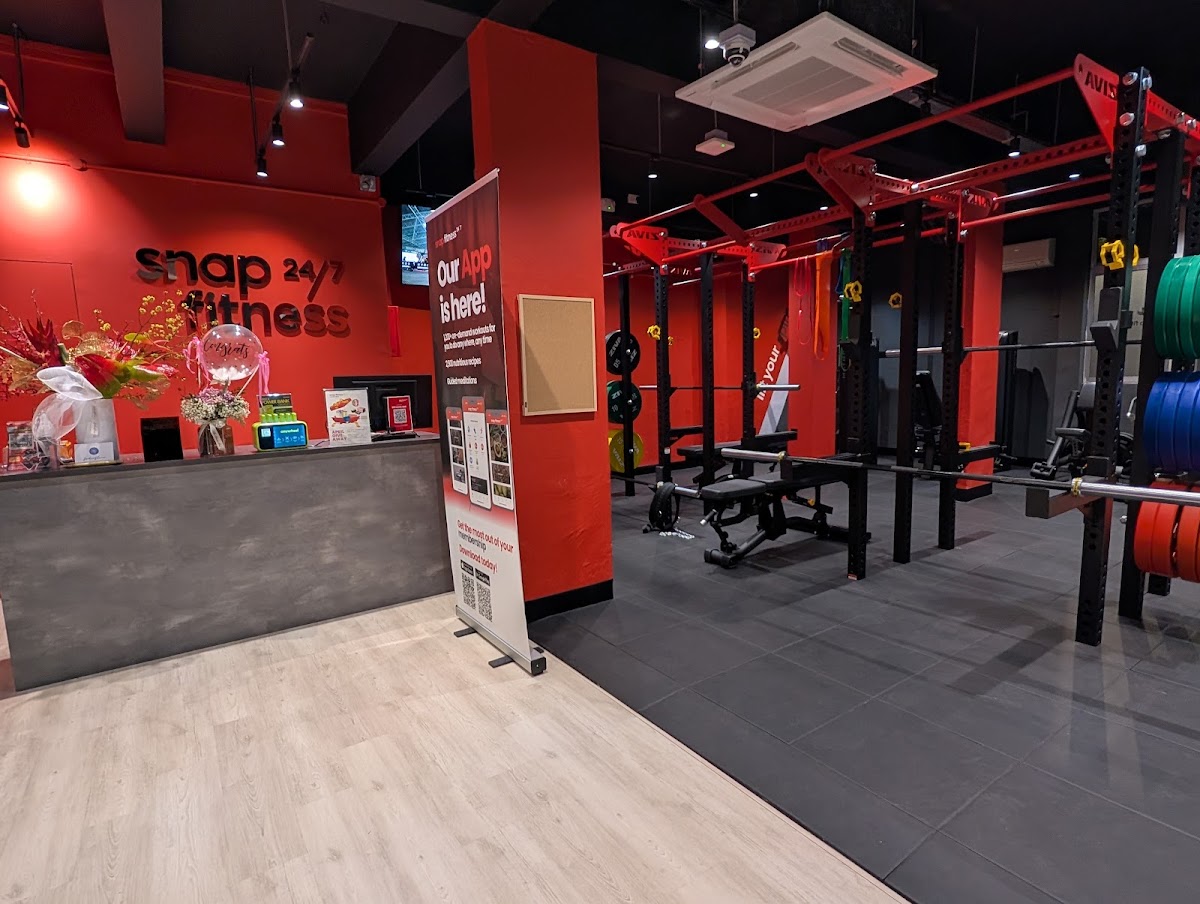
BUDGET CHAINS: SNAP FITNESS
⭐ 5/5 (203 reviews) • $70-120/mo • 24-hour access • Island-wide
BEST FOR:
Basic strength training, cardio, flexible schedules
REAL COSTS:
$88/month after admin fees, locker rental extra
The equipment covers the essentials — squat racks, benches, dumbbells up to 50kg, decent cardio machines. Multiple locations mean you can train anywhere on the island. Peak hours (7-9pm) get crowded, but early morning and lunch slots are manageable.
View Details →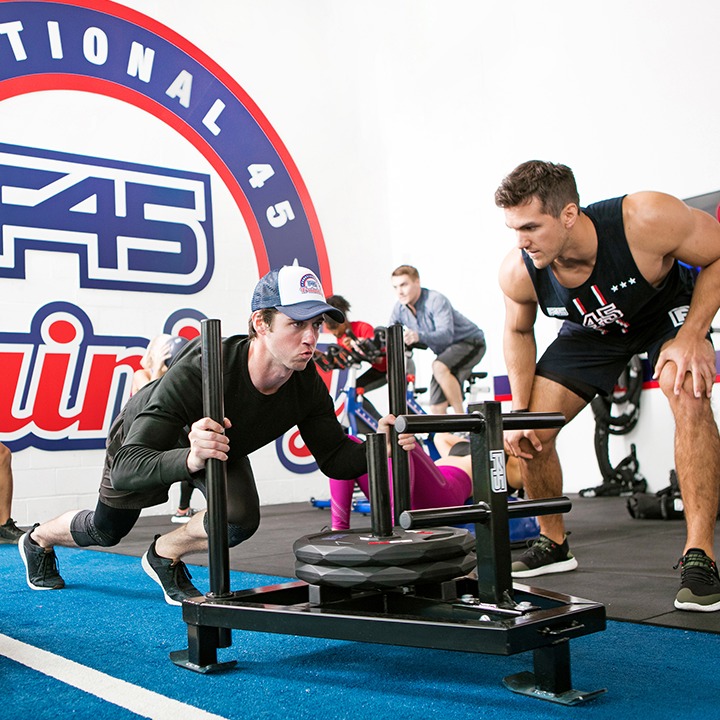
BOUTIQUE CLASSES: F45 TRAINING
⭐ 5/5 (207 reviews) • $238-316/mo • HIIT classes • Multiple locations
BEST FOR:
Structured workouts, motivation, group energy
REAL COSTS:
$300/month after all fees, limited to 8 sessions/week
45-minute sessions that change daily, solid coaching, great community vibe. But you're paying premium prices for what's essentially circuit training with fancy branding. If you need structure and accountability, it works. If you prefer flexible training, you'll feel restricted.
View Details →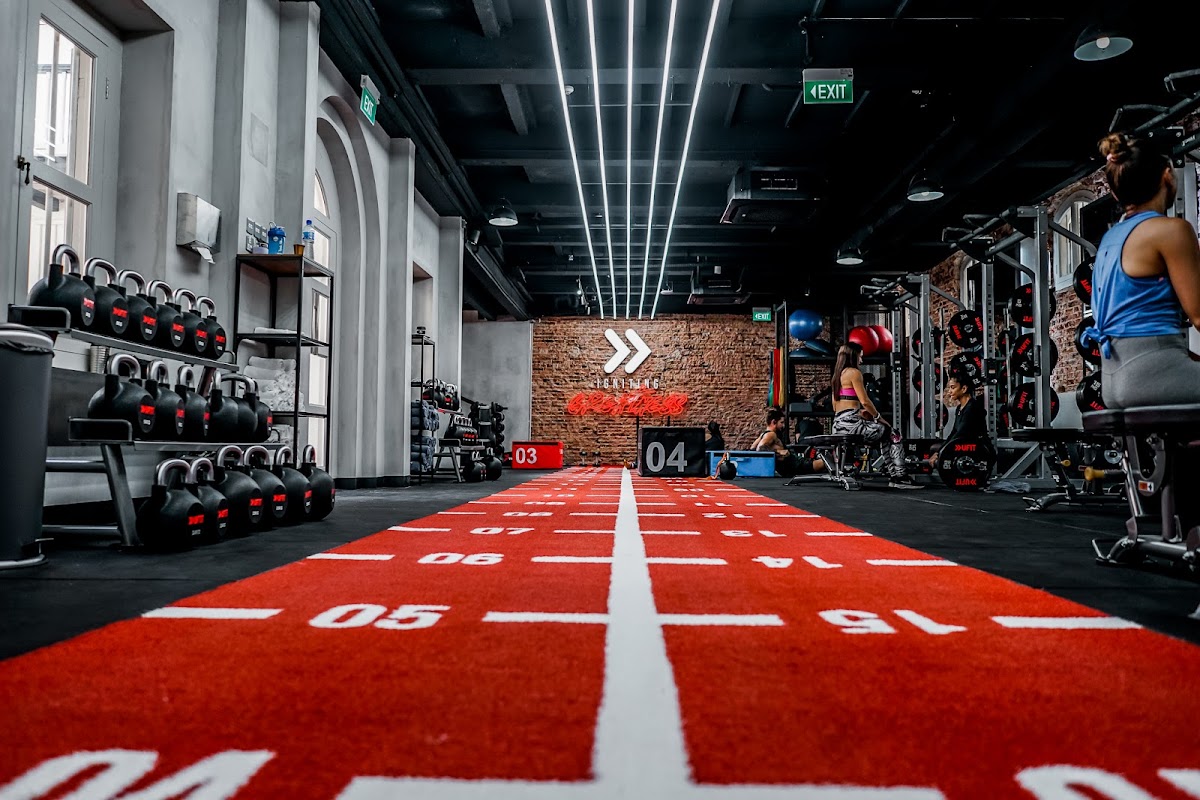
PREMIUM TRAINING: UFIT
⭐ 5/5 (477 reviews) • $200-400/mo • Personal training • CBD location
BEST FOR:
Serious results, expert coaching, professional crowd
REAL COSTS:
$350-500/month for meaningful training frequency
This is where finance bros and expat executives train. Exceptional coaching, results-focused programming, premium equipment. But you're paying for individual attention and expertise that you can't replicate at home. Worth it if you have specific goals and the budget to match.
View Details →THE DECISION FRAMEWORK: WHICH IS RIGHT FOR YOU?
IF YOU'RE: A COMPLETE BEGINNER
Look for: structured programs, coaching, form correction, motivation
Best fit: Budget gym membership first year, then reassess
You don't know what you like yet. Try everything before investing in equipment.
IF YOU'RE: EXPERIENCED & CONSISTENT
Look for: convenience, no crowds, customization, long-term value
Best fit: Home gym setup ($2,000-4,000 range)
You know your routine. Home efficiency beats gym socializing.
IF YOU'RE: SOCIAL & MOTIVATED BY OTHERS
Look for: group classes, training partners, variety, energy
Best fit: Boutique studios or large commercial gyms
Home training will feel isolating. You need the group energy.
IF YOU'RE: BUDGET-CONSCIOUS LONG-TERM
Look for: minimal viable setup, gradual upgrades, multi-year thinking
Best fit: Start with $1,500 home setup, add equipment yearly
Build gradually. Even basic equipment beats expensive memberships over time.
SINGAPORE-SPECIFIC INSIDER TIPS
Floor and installation checks: confirm whether the actual equipment and intended use are suitable for the location. Include the machine, stored weights, users and any impact. Seek qualified advice when uncertain; rubber flooring does not establish structural capacity.
Humidity and Rust: Singapore's 80%+ humidity will rust unprotected steel within months. Invest in stainless steel or properly coated equipment. Keep silica gel packets in your storage areas. Regular maintenance isn't optional — it's survival for your equipment investment.
Import Duties and Shipping: Large fitness equipment often comes with $200-500 in shipping and import costs. Amazon.sg sometimes has better total prices than overseas ordering. Check local distributors — they often match overseas prices and handle warranty issues locally.
Include storage and setup time in your home-gym plan. Equipment that fits while stored may still need a larger clear area during exercise.
Treat resale value as uncertain when comparing costs. Condition, model, support and recall status matter more than a broad assumption about premium brands.
Related reading: Home Gym Setup Under $2000 Singapore: Serious Lifter's Build.
Related reading: HDB Home Gym Guide Singapore: Space, Noise & Floor Protection.
FREQUENTLY ASKED QUESTIONS
How long does it take to break even with a home gym?
For a $2,000 home gym setup versus a $120/month gym membership, break-even happens around month 17. Against budget gyms like Snap Fitness ($90/month), you need 22 months. The calculation changes if you factor in convenience, time saved traveling, and the ability to work out any time. Most serious home gym users report better consistency, which makes the investment worthwhile beyond pure cost savings.
What's the minimum space needed for a functional home gym in an HDB flat?
You need a 2m x 2m clear space minimum for basic workouts with dumbbells and bodyweight exercises. For a power rack setup, you need 2.5m x 2.5m and 2.4m ceiling height. Most HDB bedrooms work for the basic setup, but you'll need the living room or a dedicated room for serious equipment.
Can I really get the same results training at home versus a commercial gym?
For 90% of fitness goals, absolutely. Strength, muscle building, weight loss — all achievable with basic home equipment. What you lose is exercise variety, heavy specialized machines, and the social motivation factor. You also lose the commute, crowds, and monthly payments. The key is progressive overload, which works the same whether you're at UFIT or your living room.
What about equipment maintenance and warranties in Singapore's humidity?
Humidity is the biggest enemy of home gym equipment here. Quality equipment like Bowflex and Concept2 have local warranty support. Cheap equipment from Shopee/Lazada often fails within a year and has zero warranty coverage. Factor maintenance costs into your budget — about $200/year for a full setup.
Should I start with home gym equipment or try gym memberships first?
If you're new to fitness, start with a 3-month gym membership first. Try different equipment, learn proper form, figure out what you actually enjoy. Many people buy expensive equipment based on YouTube videos, then realize they hate that type of training. Take advantage of gym free trials — most chains offer 1-3 day passes. Once you know your preferences, then invest in home equipment. Check out our gym selection guide for trial tips.
What's the resale value of home gym equipment in Singapore?
Do not rely on selling equipment later to make a purchase affordable. Check the exact model's recall status before buying or selling used equipment, and compare current offers without assuming a guaranteed resale price.
How do I handle noise complaints from neighbors with a home gym?
Rubber flooring is essential — 15-20mm thick gym mats cost $300-500 but prevent most impact noise. Avoid dropping weights, especially early morning or late evening. Adjustable dumbbells are quieter than plates clinking together. If you're in an old HDB block, inform your immediate neighbors and stick to reasonable hours (8am-8pm). Some exercises like burpees and jumping jacks just aren't suitable for apartments — know your limits.
MY FINAL VERDICT: WHICH PATH MAKES SENSE?
If you're the type who works out 4-5 times per week religiously, a home gym pays for itself in pure time savings within the first year. No commute, no crowds, no closing times. Your cost per workout drops dramatically.
If you need external motivation, variety, or are still figuring out what kind of training you enjoy, gym memberships make more sense initially. You can always build a home setup later once you know your preferences.
For most Singaporeans living in HDB flats, I recommend this hybrid approach: Start with a budget gym membership ($90-120/month) for 6-12 months. Learn the basics, try different equipment, see what motivates you. Then gradually build a home setup starting with quality adjustable dumbbells and a bench.
The sweet spot for home gyms is the $2,000-4,000 range. Less than that and you're missing key equipment. More than that and you're paying for toys rather than tools (unless you have serious space and goals). For detailed equipment recommendations at different budgets, our home gym equipment guide covers everything from $500 starter setups to $5000 dream builds.
The math matters, but consistency matters more. Choose the option that makes you more likely to actually work out regularly. Whether that's the convenience of rolling out of bed into your home gym or the energy of training alongside others at a commercial facility, the best choice is the one you'll actually stick with for years.
Related Guides

Gym Membership Prices Singapore 2026: Complete Guide from $2.50 to $399/month
Complete guide to gym membership prices in Singapore 2026. From $2.50/entry ActiveSG to $399/month Barry's Boo
Home Gym Setup Under $1000 Singapore: Complete Guide
Home gym setup under $1000 in Singapore — exactly what to buy (and what to skip) on a tight budget so it pays
Is Your Gym Membership Worth It? The S$960 Math at 11pm on a Sunday
S$80 a month sounds like nothing until you divide it by your real visit count. Here's the per-workout math acr
Best Cable Machines for Home Gym Singapore
The best cable machines for Singapore home gyms — functional trainers, wall-mounted units, and budget pulley o