
February Fitness Challenge Singapore 2026
February Fitness Challenge Singapore 2026. Expert Singapore fitness guide with actionable advice, local tips, and gym recommendations.
OnWhey is our own supplement brand.
QUICK ANSWER: FEBRUARY FITNESS CHALLENGE SINGAPORE 2026
Complete 28-day progressive strength and conditioning program designed for Singapore's humid climate and crowded gyms. Mix upper/lower splits with HIIT sessions, scale from beginner to advanced levels.
February Challenge Overview
February is the perfect month to get serious about fitness in Singapore. The Chinese New Year festivities are over, you've probably eaten too much pineapple tart, and the weather's still bearable before the March heat kicks in.
The program scales whether you're at a fully-loaded commercial gym or a neighbourhood fitness corner with limited equipment.
The challenge combines upper/lower body splits with conditioning sessions, designed to work around Singapore's peak gym hours (6-8pm weekdays) and humidity levels. Each week progressively increases intensity while teaching proper movement patterns — crucial since many Singapore gyms lack qualified trainers who can spot technique issues.
Best Gyms for the February Challenge
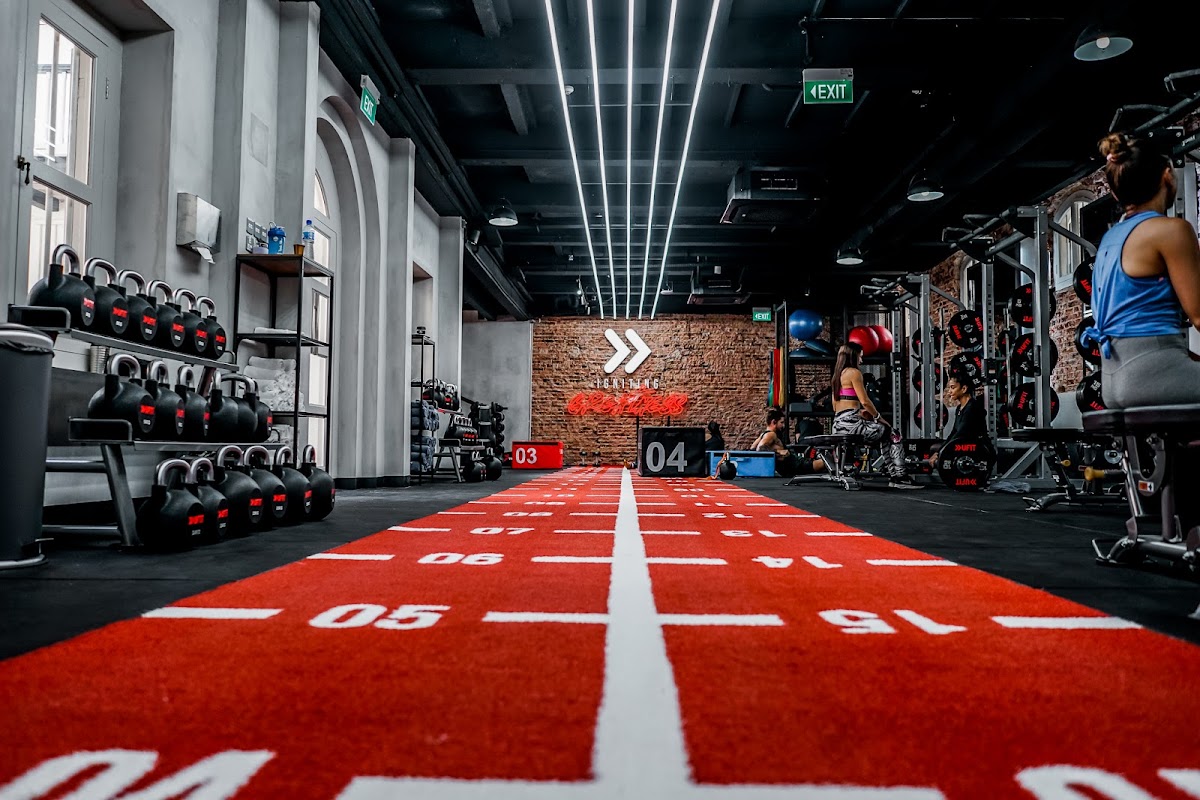
UFIT CBD HUB - CLUB STREET
⭐ 5/5 (477 reviews) • $200-400/mo • Chinatown
BEST FOR:
Serious challengers who want premium equipment and expert coaching
NOT IDEAL FOR:
Budget-conscious members — this is premium pricing territory
The gold standard for this challenge. Every piece of equipment you'll need, knowledgeable trainers who actually understand progressive overload, and the space to execute complex movements properly. Their functional training area is perfect for the conditioning circuits.
View Details →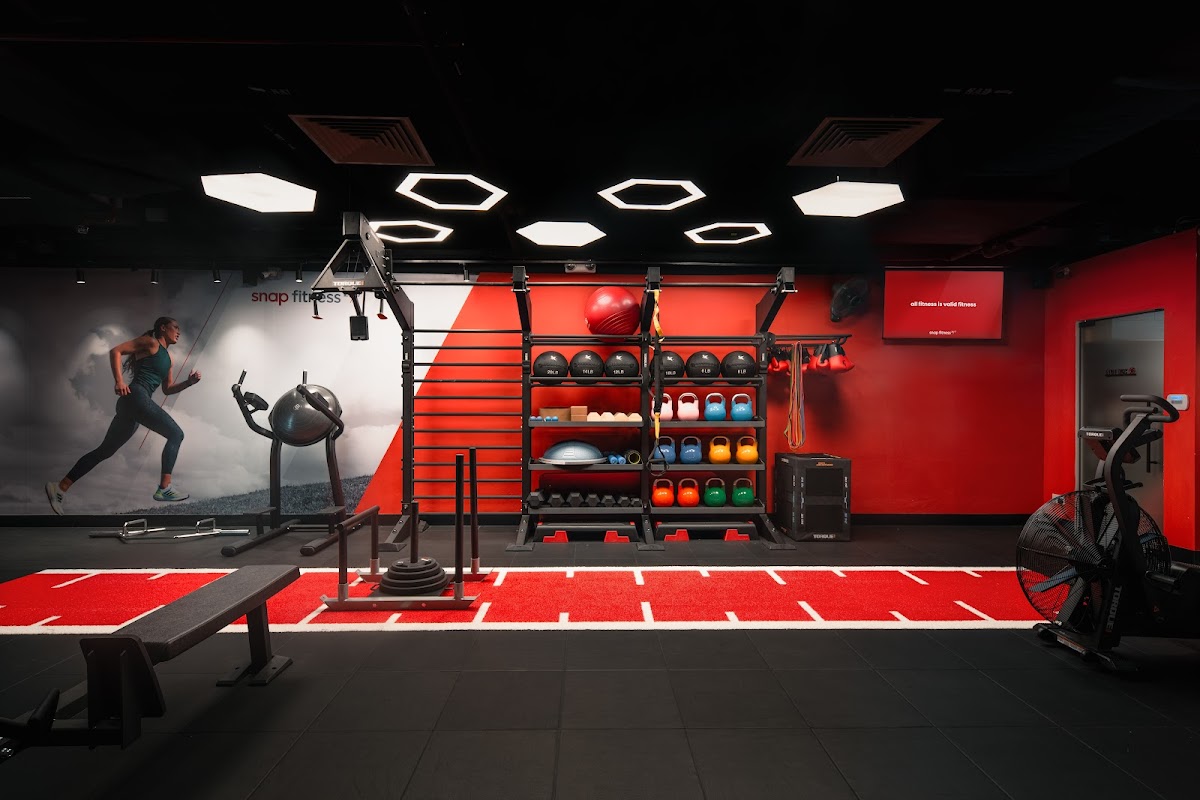
SNAP FITNESS WOODLANDS HEALTH
⭐ 5/5 (48 reviews) • $70-120/mo • Woodlands
BEST FOR:
24/7 access allows flexibility around work schedules and peak hours
NOT IDEAL FOR:
Those needing extensive functional training equipment or group motivation
Solid basics for the challenge with 24-hour access — perfect if you're doing early morning or late evening sessions. Equipment is well-maintained and there's enough space for the conditioning circuits, though you'll need to get creative with some movements.
View Details →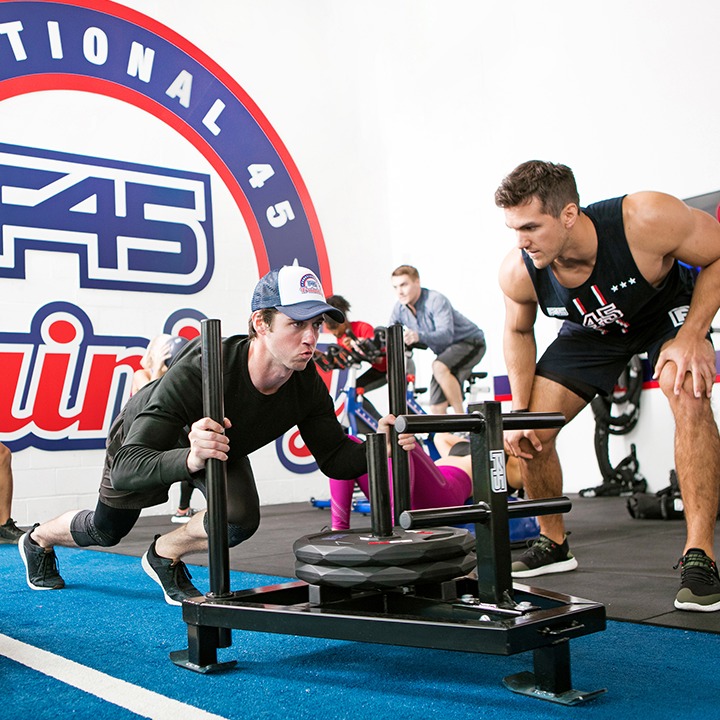
F45 TRAINING TANJONG RHU
⭐ 5/5 (207 reviews) • $238-316/mo • Marina Bay
BEST FOR:
Group motivation and structured HIIT sessions that complement the challenge
NOT IDEAL FOR:
Solo lifters who prefer self-directed strength training sessions
Perfect for the conditioning days of the challenge. Their 45-minute HIIT format aligns perfectly with the program structure, and the group energy helps push through tough February training days. Just supplement with a traditional gym for the strength days.
View Details →
UBX NOVENA
⭐ 5/5 (35 reviews) • $168-250/mo • Novena
BEST FOR:
Boxing-style conditioning that adds variety to standard HIIT sessions
NOT IDEAL FOR:
Heavy strength training — you'll need another gym for the lifting days
Great alternative for conditioning days with their boxing-focused classes. The intensity matches what you need for the challenge, and it's more engaging than standard cardio equipment. Located right at Goldhill Plaza, easy MRT access from Novena station.
View Details →The 4-Week Program Structure
| Week | Focus | Sessions | Duration |
|---|---|---|---|
| Week 1 | Movement Foundation | 4 workouts | 45-60 min |
| Week 2 | Strength Building | 5 workouts | 50-65 min |
| Week 3 | Intensity Peak | 5-6 workouts | 55-70 min |
| Week 4 | Test & Deload | 4-5 workouts | 60-75 min |
Weekly Training Split
OPTION A — Traditional Schedule:
• Monday: Upper Body Strength
• Tuesday: HIIT Conditioning
• Wednesday: Lower Body Strength
• Thursday: Active Recovery or Rest
• Friday: Full Body Circuit
• Weekend: One longer session + one recovery session
OPTION B — Singapore Peak Hours Avoidance:
• Early morning (6-7am): Strength sessions when gym is empty
• Lunch breaks (12-1pm): Quick HIIT sessions
• Late evening (9-10pm): Full body circuits after the crowd disperses
I strongly recommend Option B if you train at popular gyms like those in Orchard or CBD. The 6-8pm crowd makes it nearly impossible to follow any structured program — you'll spend more time waiting for equipment than actually training.
Week 1: Movement Foundation
UPPER BODY DAY 1 (Monday/Thursday)
Warm-up (8-10 minutes):
• Arm circles: 10 forward, 10 backward
• Band pull-aparts: 2 sets of 15 (if no bands, use cable machine at light weight)
• Push-up to downward dog: 8-10 reps
• Scapular wall slides: 2 sets of 10
Main Workout:
1. Push-up Progression — 3 sets of 8-12
(Knee push-ups → incline → standard → decline as you progress)
Rest: 90 seconds between sets
2. Assisted Pull-ups/Lat Pulldown — 3 sets of 6-10
Focus on controlled 3-second negatives
Rest: 2 minutes between sets
3. Dumbbell Shoulder Press — 3 sets of 10-12
Start light — form over ego
Rest: 90 seconds between sets
4. Seated Cable Row/Bent-over Row — 3 sets of 12-15
Squeeze shoulder blades together at the end
Rest: 90 seconds between sets
Conditioning Circuit (8-10 minutes):
• Mountain climbers: 30 seconds
• Rest: 30 seconds
• Burpees: 30 seconds
• Rest: 30 seconds
Repeat circuit 3-4 times
LOWER BODY DAY 1 (Tuesday/Friday)
Warm-up (8-10 minutes):
• Bodyweight squats: 2 sets of 10
• Walking lunges: 10 each leg
• Leg swings: 10 forward/back, 10 side-to-side each leg
• Glute bridges: 15 reps
Main Workout:
1. Goblet Squats — 3 sets of 12-15
Hold dumbbell at chest, focus on depth
Rest: 90 seconds between sets
2. Romanian Deadlifts — 3 sets of 10-12
Feel the stretch in your hamstrings
Rest: 2 minutes between sets
3. Walking Lunges — 3 sets of 10 each leg
Step forward, don't let knee cave inward
Rest: 90 seconds between sets
4. Single-leg Glute Bridges — 3 sets of 8 each leg
Slow and controlled, squeeze at the top
For detailed exercise form guides, check out our strength training guide which covers proper technique for all these movements.
Week 2-4: Progressive Overload
Each week, you'll increase intensity through:
• Week 2: Add 1 set to each exercise, increase weight by 2.5-5kg where possible
• Week 3: Reduce rest periods by 15-30 seconds, add advanced exercise variations
• Week 4: Test maximum reps/weights, then deload with lighter weights but focus on perfect form
The beauty of this program is that it works with whatever equipment your gym has. No cable machine? Use resistance bands. No dumbbells? Grab some water bottles.
Singapore-Specific Modifications
Humidity Management:
• Start sessions 5 minutes earlier than planned to account for longer warm-ups in air-con
• Bring an extra towel — Singapore gyms get slippery
• Hydrate before, during, and after — aim for 500ml per hour of training
Peak Hour Strategies:
• Have backup exercises ready: if squat racks are full, switch to goblet squats
• Learn the gym's quiet periods — usually 10am-12pm and after 8pm
• Master bodyweight variations for crowded days
Pro tip: Download the gym's app if they have one. Many Singapore gyms now show live crowd levels — Snap Fitness locations are particularly good at this.
How to Choose Your Approach
IF YOU'RE A: Complete Beginner
Focus on mastering movement patterns first. Start with bodyweight, add resistance gradually.
Best environment: Local fitness stations or quiet gym hours
IF YOU'RE: Experienced but Inconsistent
Use the structure to rebuild habits. Focus on showing up consistently over lifting heavy.
Best environment: 24-hour gyms for schedule flexibility
IF YOU'RE: Competitive/Goal-Driven
Track every metric: weights, reps, rest times. Push the progressive overload hard.
Best environment: Premium gyms with precise equipment
IF YOU'RE: Social/Group Motivated
Supplement with group classes for conditioning days, find a workout buddy.
Best environment: F45 studios + traditional gym combo
Insider Tips for Singapore Gyms
Equipment Timing Hack: Most Singapore gyms restock/clean between 2-4pm on weekdays. This is when you'll find the freshest towels, fully-stocked water coolers, and recently sanitized equipment. Perfect timing for afternoon sessions if you can swing it.
Bring Your Own Everything: Even premium gyms run out of towels by evening peak hours. Pack your own towel, water bottle (many fountains are warm by 7pm), and if you're doing floor work, bring a yoga mat. Those gym mats have seen things you don't want to think about.
Master the Art of Equipment Sharing: Singapore gym etiquette is different from Western gyms. It's completely normal to ask "how many sets left?" and work in between someone's sets. Don't hover awkwardly — just ask politely. Most people are happy to share, especially during the February busy period when everyone's working on New Year resolutions.
Weekend Gym Geography: Weekend mornings (8-10am) are gold for this challenge, especially at CBD gyms that empty out when office workers stay home. Places like Ultimate Performance CBD become much more accessible on weekends.
Temperature Shock Management: Singapore gyms crank the aircon to arctic levels. Wear layers and do a longer warm-up than you think you need. Your muscles need extra time to get ready when you've walked in from 32°C heat to 18°C gym air. This is especially important for the dynamic movements in Week 3.
Recovery and Nutrition
February in Singapore means you're sweating more than you realize, even in air-conditioned gyms. Your hydration and recovery need extra attention.
Sleep Optimization: The humidity affects sleep quality, which directly impacts recovery. Keep your bedroom cooler than usual (23-24°C if possible) and consider a 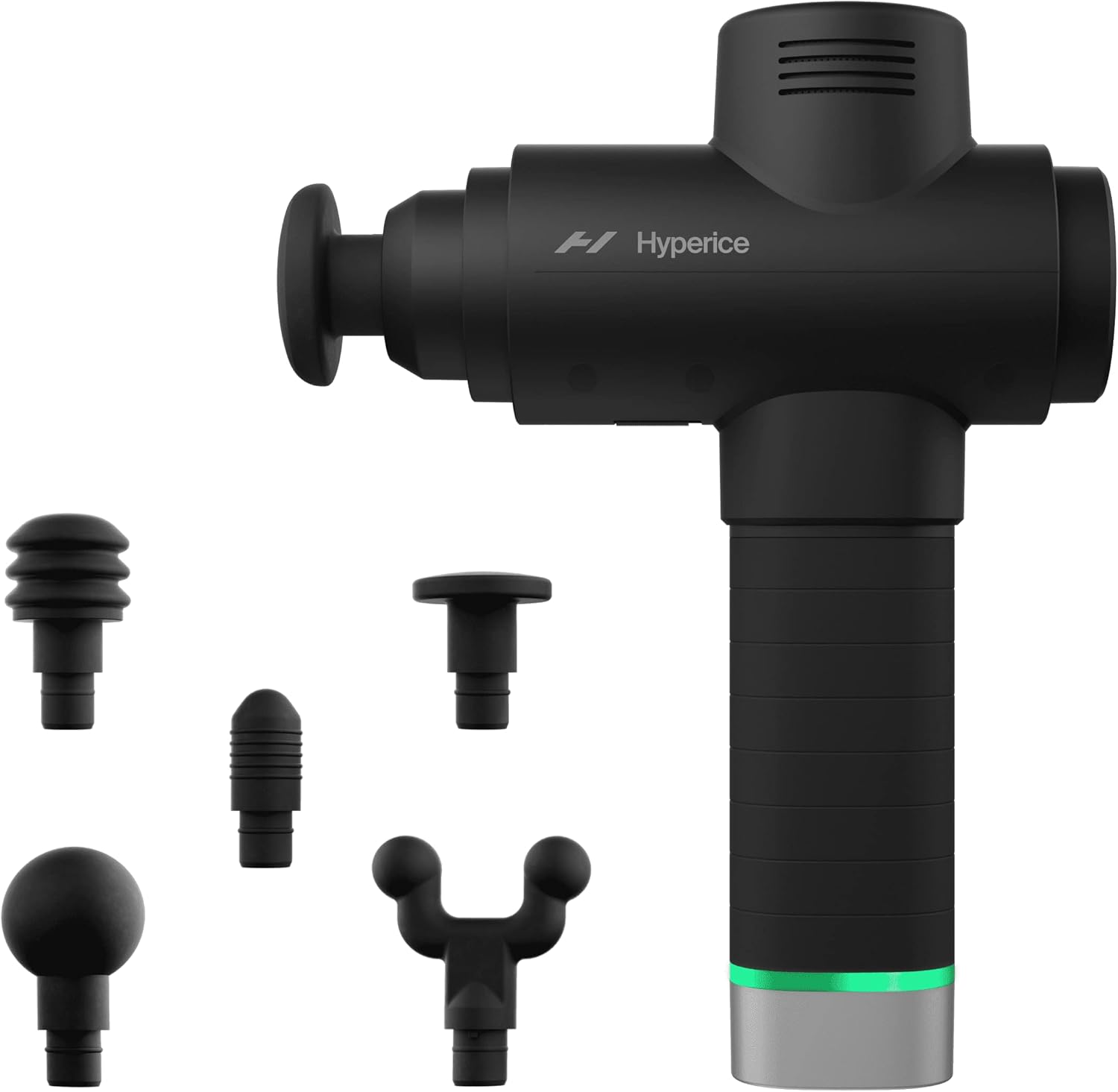 Hypervolt massage gun for pre-sleep muscle relaxation — especially after the intense Week 3 sessions.
Meal Timing: Don't train within 2 hours of a heavy hawker centre meal. Singapore food is often saltier and heavier than Western equivalents. If you're training after work, grab something light like a banana or nuts rather than diving straight into char kway teow.
For more detailed recovery strategies that work in Singapore's climate, check out our cool-down guide which covers humidity-specific recovery methods.
Equipment Substitutions
Not every Singapore gym has premium equipment. Here's how to adapt the program:
No Cable Machine: Use resistance bands anchored to a stable point
No Pull-up Bar: Lat pulldowns or inverted rows under a Smith machine bar
No Heavy Dumbbells: Fill water bottles, use backpack with books, or double up on lighter weights
No Space for Lunges: Stationary reverse lunges or Bulgarian split squats
Crowded Gym: Switch to single-limb exercises that need less equipment
The key is maintaining the movement patterns and intensity, not the specific equipment.
Tracking Progress
Singapore's humidity makes standard fitness tracking tricky — heart rate monitors get sweaty, phones overheat, and you'll sweat more than the apps expect. Keep it simple:
• Week 1: Focus on form and completion
• Week 2: Track weights and reps
• Week 3: Monitor energy levels and recovery
• Week 4: Test improvements and plan next steps
A simple notebook works better than most fitness apps in Singapore's climate. Write down what you did immediately after each session while your phone isn't overheating from the temperature change.
FAQ
What if I miss a week due to CNY travel?
Don't try to "catch up" by cramming missed workouts. Just continue from where you left off when you return. The progressive nature means jumping ahead skips important adaptation phases. If you miss Week 2, do Week 2 when you're back, even if it's calendar Week 3. The program works on your body's timeline, not the calendar.
Can I do this challenge at HDB gym corners?
Absolutely. Most HDB fitness corners have pull-up bars, parallel bars, and space for bodyweight movements. You'll need to get creative with weights — use water bottles, backpacks with books, or resistance bands. The program was designed to be equipment-agnostic. Check out our calisthenics guide for more bodyweight alternatives.
How do I handle the 6-8pm crowd at popular gyms?
Three strategies: arrive at 5:30pm before the rush, switch to bodyweight alternatives that don't need equipment, or adjust your schedule entirely. Many 24-hour gyms are practically empty after 9pm. The program works just as well at 6am or 10pm — consistency matters more than timing.
Should I take rest days in Singapore's humidity?
Yes, especially in February when your body is still adapting to increased activity. The humidity makes recovery slower than in temperate climates. Take at least one full rest day per week, preferably two in Week 1. Active recovery like walking in air-conditioned malls or gentle swimming works well. Listen to your energy levels — if you're dragging, take an extra day off.
What happens after the 28 days?
You'll have built a solid foundation of strength, conditioning, and most importantly, the habit of consistent training. From here, you can specialize — focus more on strength with our powerlifting guide, try advanced HIIT protocols, or continue with a modified version of this program. The key is not stopping — use March to cement the habits you've built.
Can I combine this with F45 or CrossFit classes?
Yes, but be smart about it. Replace the conditioning days with your F45 sessions, but keep the structured strength days from this program. F45 excels at high-intensity cardio but doesn't provide progressive strength training. Use both together — F45 for conditioning and motivation, this program for strength gains.
What if I'm already training regularly?
Use this as a program reset rather than starting from zero. Begin at Week 2 intensity levels and focus on movement quality and consistency. Many experienced trainees benefit from the structured approach and the focus on basic movement patterns. It's also a great way to test your current fitness level and identify weak points in a systematic way.
Your February Challenge Starts Now
This isn't just another workout program — it's a systematic approach to building fitness habits that work in Singapore's unique environment. The combination of structured progression, equipment flexibility, and Singapore-specific modifications makes it practical for anyone, anywhere on the island.
Start with whichever gym works for your budget and location. UFIT CBD if you want the premium experience, Snap Fitness for 24/7 flexibility, or your neighborhood fitness corner for a budget-friendly option. The program adapts to your situation.
Most importantly: commit to the full 28 days. February is short but perfect for building momentum. By March 1st, you'll have established a routine, improved your strength and conditioning, and proven to yourself that consistent training is possible even with Singapore's challenges. That's worth more than any single workout.
Ready to start? Pick your gym, download the program structure, and begin tomorrow. Your strongest self is just 28 days away.
Related Guides
January Fitness Challenge Singapore 2026
January Fitness Challenge Singapore 2026. Expert Singapore fitness guide with actionable advice, local tips, a
March Fitness Challenge Singapore 2026
March Fitness Challenge Singapore 2026. Expert Singapore fitness guide with actionable advice, local tips, and

February Week 1 Workout Plan 2026
February Week 1 Workout Plan 2026. Expert Singapore fitness guide with actionable advice, local tips, and gym

February Week 4 Workout Plan 2026
February Week 4 Workout Plan 2026. Expert Singapore fitness guide with actionable advice, local tips, and gym