
February Week 4 Workout Plan 2026
February Week 4 Workout Plan 2026. Expert Singapore fitness guide with actionable advice, local tips, and gym recommendations.
OnWhey is our own supplement brand.
QUICK ANSWER: FEBRUARY WEEK 4 WORKOUT PLAN
Final week of February focuses on peak strength testing with 1-3 rep maxes, active recovery, and deload preparation. Perfect timing before March's new training cycle starts.
Week 4: Time to Test Your Limits
February's final week is when everything you've built over the past three weeks gets put to the test. If you've been following our Week 3 plan, you should be feeling strong and ready to discover your new 1-3 rep maxes.
This isn't about ego lifting or hitting PRs just because it's the last week of the month. It's structured testing that helps you plan March's training loads properly. You'll need a gym with solid equipment and preferably someone to spot you — Singapore's humidity makes heavy lifting even more demanding than usual.
Most Singapore gyms are packed between 6-8pm, which isn't ideal for max testing. If you can train earlier in the day or late evening, you'll have better access to squat racks and won't feel rushed between sets.
Best Gyms for Heavy Testing
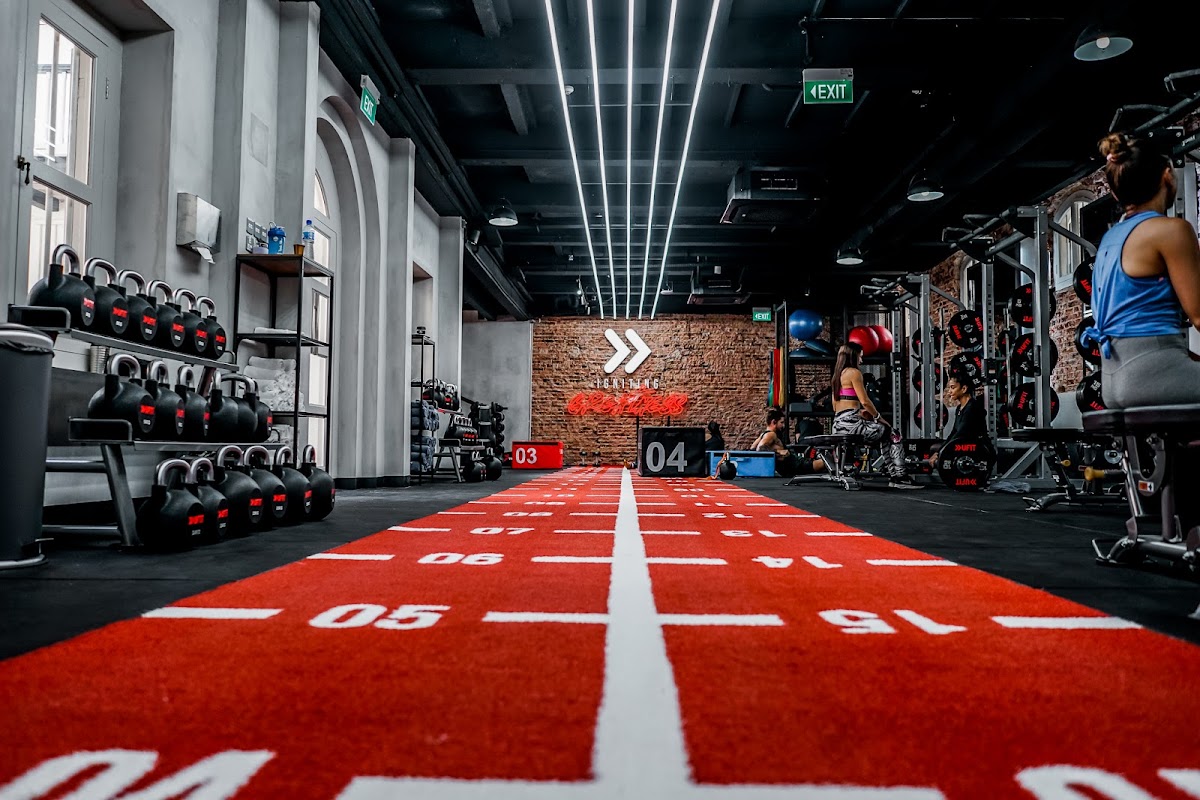
UFIT CBD HUB - CLUB STREET
⭐ 5/5 (477 reviews) • $200-400/mo • Chinatown
BEST FOR:
Serious lifters who want coaching during max testing
NOT IDEAL FOR:
Budget-conscious lifters — this is premium pricing territory
The gold standard for max testing in Singapore. Multiple squat racks, experienced trainers who know proper spotting, and they encourage heavy lifting rather than telling you to "be careful." The Club Street location means you can grab excellent recovery food nearby afterward.
View Details →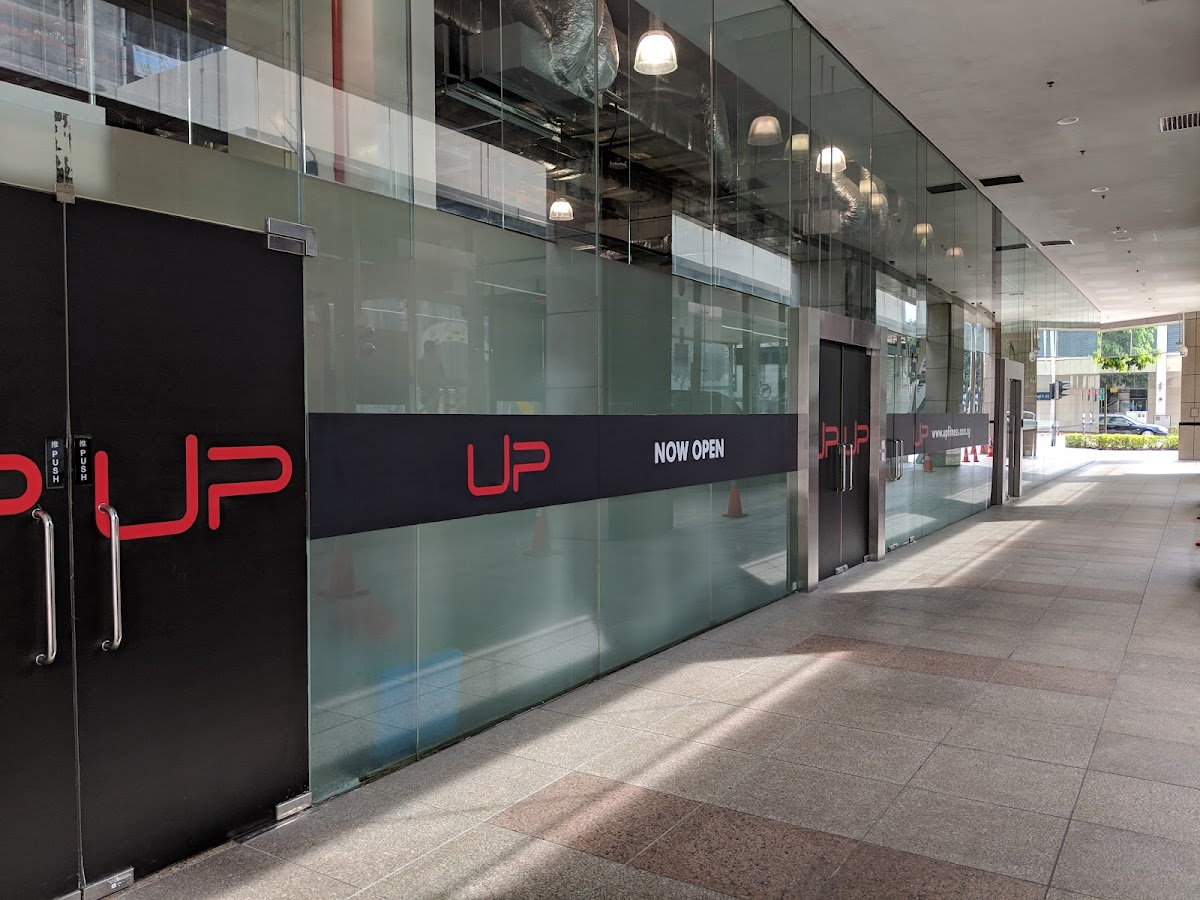
ULTIMATE PERFORMANCE CBD
⭐ 5/5 (1323 reviews) • Contact for pricing • Raffles Place
BEST FOR:
One-on-one max testing with expert guidance
NOT IDEAL FOR:
Solo training — this is personal training focused
If you want professional guidance during your max testing week, this is where serious athletes go. The trainers here actually understand powerlifting protocols and won't freak out when you load up 80%+ of your max. Located right in the CBD for convenient lunch break sessions.
View Details →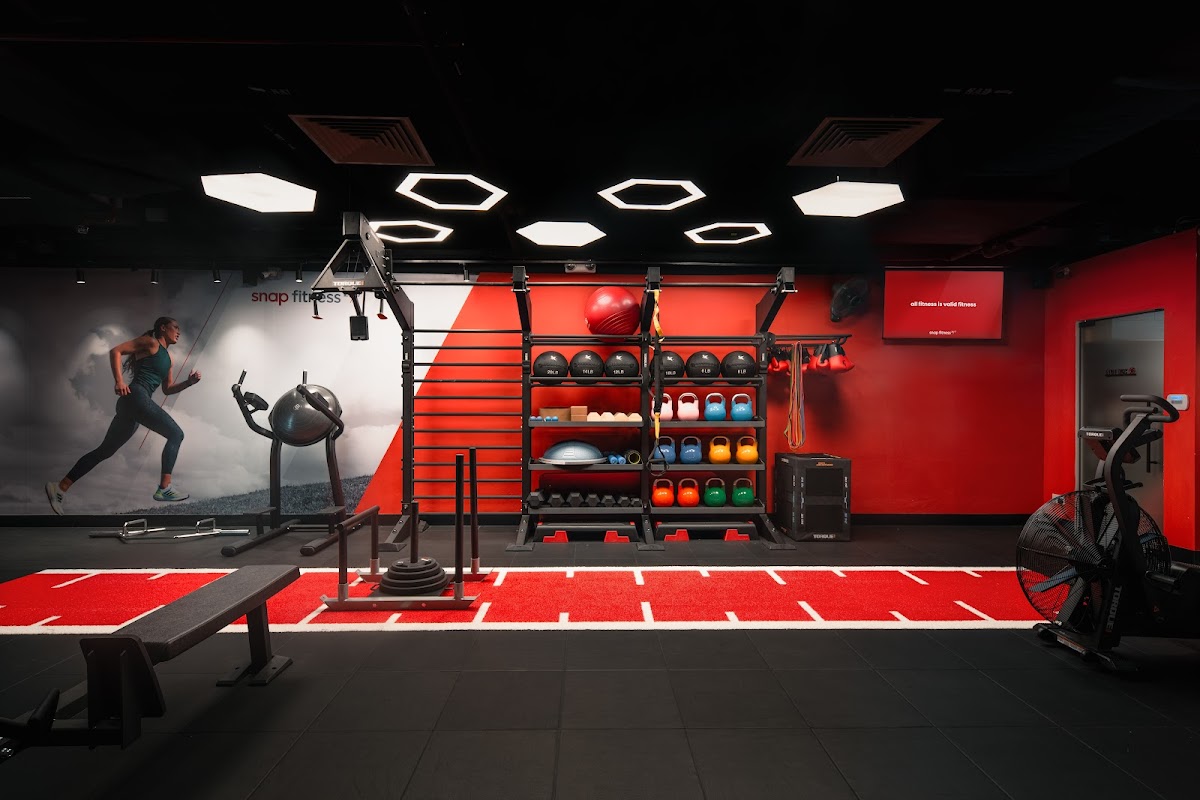
SNAP FITNESS WOODLANDS HEALTH
⭐ 5/5 (48 reviews) • $70-120/mo • Woodlands
BEST FOR:
24-hour access for odd-hour max testing sessions
NOT IDEAL FOR:
Peak hour testing — gets crowded evenings
Solid equipment at a reasonable price, plus the 24-hour access means you can test your maxes at 6am when nobody else is around. The medical centre location means there's literally healthcare next door if something goes wrong (though it shouldn't if you're smart about progression).
View Details →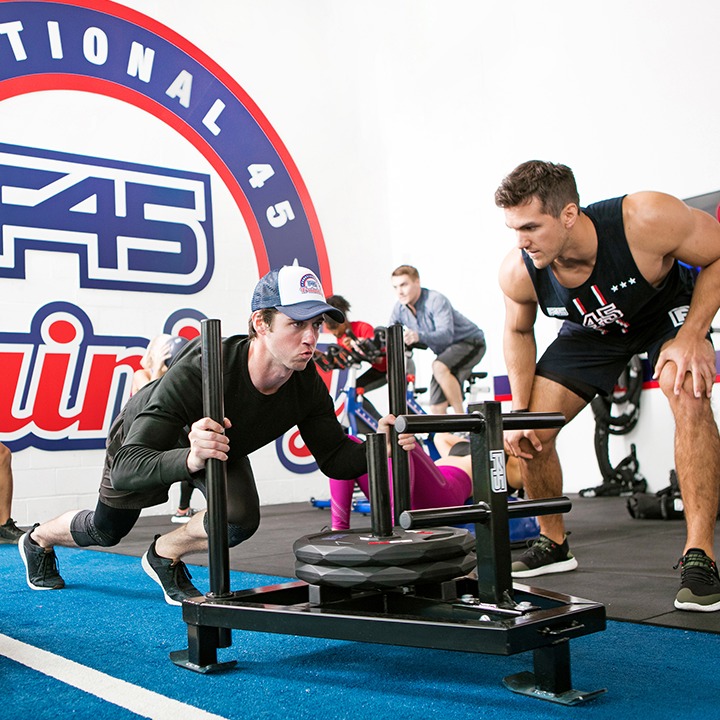
F45 TRAINING TANJONG RHU
⭐ 5/5 (207 reviews) • $238-316/mo • Marina Bay
BEST FOR:
High-intensity testing in a group environment
NOT IDEAL FOR:
Traditional powerlifting max tests — this is HIIT focused
Not for traditional 1RM testing, but perfect if your goals lean toward functional fitness and conditioning. Their Week 4 sessions often include benchmark workouts that let you test your progress in a different way. The Stadium location makes post-workout recovery walks easy.
View Details →Week 4 Training Split
| Day | Focus | Intensity | Duration |
|---|---|---|---|
| Monday | Squat Max Test | 90-100% 1RM | 60-75 min |
| Tuesday | Active Recovery | 40-60% effort | 30-45 min |
| Wednesday | Bench Press Max | 90-100% 1RM | 60-75 min |
| Thursday | Recovery Walk | Easy pace | 20-30 min |
| Friday | Deadlift Max Test | 90-100% 1RM | 60-75 min |
| Weekend | Complete Rest | Zero | Full days off |
Monday: Squat Max Test Day
Start the week with your squat max test. This is the most demanding session, so make sure you're well-rested and have eaten properly. In Singapore's humidity, extra hydration is crucial — start drinking water 2 hours before your session.
WARM-UP PROTOCOL (15-20 MINUTES)
- • 5 minutes light cardio (treadmill walk or bike)
- • Dynamic stretching: leg swings, hip circles, walking lunges
- • Empty barbell squats: 2 sets of 10
- • Progressive loading: 50%, 65%, 80% of current max for 3, 2, 1 reps
SQUAT MAX TEST PROGRESSION
- • Opener (90% current max): Should feel smooth and confident
- • Second attempt (103-105% current max): Your realistic new PR
- • Third attempt (108-110% current max): Only if second felt easy
- • Rest between attempts: 3-5 minutes minimum
Don't ego lift. If your opener doesn't move smoothly, call it a day. Max testing should confirm strength you already have, not discover strength you don't.
After your max attempts, do some light accessory work to flush blood through the muscles. Romanian deadlifts at 50% for 3 sets of 8, walking lunges for 2 sets of 10 each leg. Nothing heavy, just movement.
Tuesday: Active Recovery
Your legs will feel it from Monday's squats, but complete rest isn't the answer. Light movement helps clear lactate and keeps you mobile. Singapore's parks are perfect for this — East Coast Park, Marina Bay, or even a mall walk if it's too hot outside.
ACTIVE RECOVERY OPTIONS
- • Walking: 30-45 minutes at conversational pace
- • Swimming: 20-30 minutes easy laps (great for Singapore heat)
- • Yoga or stretching: 30-45 minutes focusing on mobility
- • Light cycling: 30 minutes around park connectors
If you're at a gym like UBX Novena, their recovery-focused classes are perfect for this day. Just tell the instructor you're in a deload week and need low intensity.
Wednesday: Bench Press Max Test
Bench press max testing needs a spotter, especially if you're going for true maxes. Don't rely on safeties alone — they're often set wrong and won't save you from a failed rep at chest level.
BENCH PRESS WARM-UP (12-15 MINUTES)
- • Band pull-aparts: 2 sets of 15
- • Arm circles and shoulder dislocations
- • Push-ups: 1 set of 10
- • Progressive bench loading: 50%, 65%, 80% for 5, 3, 1 reps
BENCH MAX TEST PROTOCOL
- • First attempt (90-92% current max): Should touch chest smoothly
- • Second attempt (102-105% current max): Your target PR
- • Third attempt (optional): Only if second moved fast
- • Rest between attempts: 3-4 minutes
Bench press fails happen fast. Make sure your spotter knows to help immediately if the bar stops moving upward, not when it starts coming down toward your chest.
Finish with some light tricep and chest work. Dumbbell flyes at light weight, tricep pushdowns, maybe some band work. You want to pump blood through the muscles without adding fatigue.
Friday: Deadlift Max Test
Deadlifts are usually your strongest lift, but they're also the most systemically demanding. By Friday, you'll have some accumulated fatigue from earlier in the week, so don't expect to smash PRs by huge amounts.
DEADLIFT WARM-UP (15-18 MINUTES)
- • 5-8 minutes easy cardio to raise body temperature
- • Hip mobility: 90/90 stretches, hip flexor stretches
- • Glute activation: clamshells, glute bridges
- • Progressive deadlift loading: 40%, 60%, 75% for 5, 3, 1 reps
DEADLIFT MAX STRATEGY
- • Opener (88-90% current max): Should feel like speed work
- • Second attempt (100-103% current max): Conservative PR attempt
- • Third attempt (105-108% current max): Only if feeling strong
- • Rest between attempts: 4-6 minutes (longer than squat/bench)
Deadlift form breaks down quickly when you're pushing limits. Video your attempts or have someone watch your back position. A rounded back PR isn't worth months of recovery.
After max testing, do some light posterior chain work. Romanian deadlifts at 40-50% for 2 sets of 8, then some gentle back extensions or reverse hyperextensions if available. Keep the volume minimal.
How to Choose Your Testing Style
IF YOU'RE: A Powerlifting Beginner
Focus on technique over numbers. Test with 3-5 rep maxes instead of singles.
Best approach: Stick to our strength training basics first
IF YOU'RE: An Experienced Lifter
True 1RM testing with proper opener/attempt progression and spotters.
Best gym: UFIT CBD Hub ($200-400/mo)
IF YOU'RE: Training Solo
Conservative testing with proper safety setup. Test 2-3RMs rather than true 1RMs.
Best option: Snap Fitness 24-hour access ($70-120/mo)
IF YOU'RE: Functional Fitness Focused
Test benchmark WODs or movement-specific challenges instead of 1RMs.
Best fit: F45 benchmark classes ($238-316/mo)
Singapore-Specific Max Testing Tips
Hydration is critical. Singapore's humidity will dehydrate you faster than you realize, and dehydration kills strength. Start hydrating 2-3 hours before training, not when you arrive at the gym. Coconut water works better than plain water for replacing electrolytes.
Time your sessions strategically. Peak hours (6-8pm) are terrible for max testing. You'll spend more time waiting for equipment than actually lifting. Early morning (6-8am) or late evening (9-11pm) give you better access to squat racks and benches.
Bring chalk or straps. Not all Singapore gyms allow chalk, but sweaty palms will limit your deadlift more than weak muscles. If chalk is banned, bring lifting straps as backup. Your grip shouldn't be the limiting factor in max testing.
Pack extra clothes. You'll sweat more than usual during max attempts. Bring a dry shirt for the drive home — sitting in AC with a sweat-soaked shirt is asking for illness. Consider our gym bag guide for packing tips.
Plan your post-workout meal. Max testing depletes glycogen stores heavily. Have a proper meal planned within 2 hours of finishing. If you're training at UFIT Club Street, there are excellent protein-rich options in Chinatown nearby.
Equipment You'll Want
Max testing puts different demands on your gear compared to regular training. If you're serious about PRs, invest in proper equipment that won't let you down when numbers get heavy.
Proper lifting shoes make a massive difference for squats and deadlifts. Nike Romaleos are the gold standard — the raised heel and rigid sole give you better ankle mobility for deep squats and more stable footing for heavy pulls. Most powerlifting brands work fine if Romaleos are out of stock.
For bench pressing, a proper arch and leg drive matter more at max weights. If your gym's benches are slippery (common in Singapore's humidity), consider bringing a small towel for better grip. Some lifters also benefit from wrist wraps during heavy bench sessions.
Recovery becomes crucial during max testing week. A percussion massage gun helps manage muscle tension between sessions — particularly for the lower-back erectors and quads that get hammered on heavy squat and deadlift attempts.
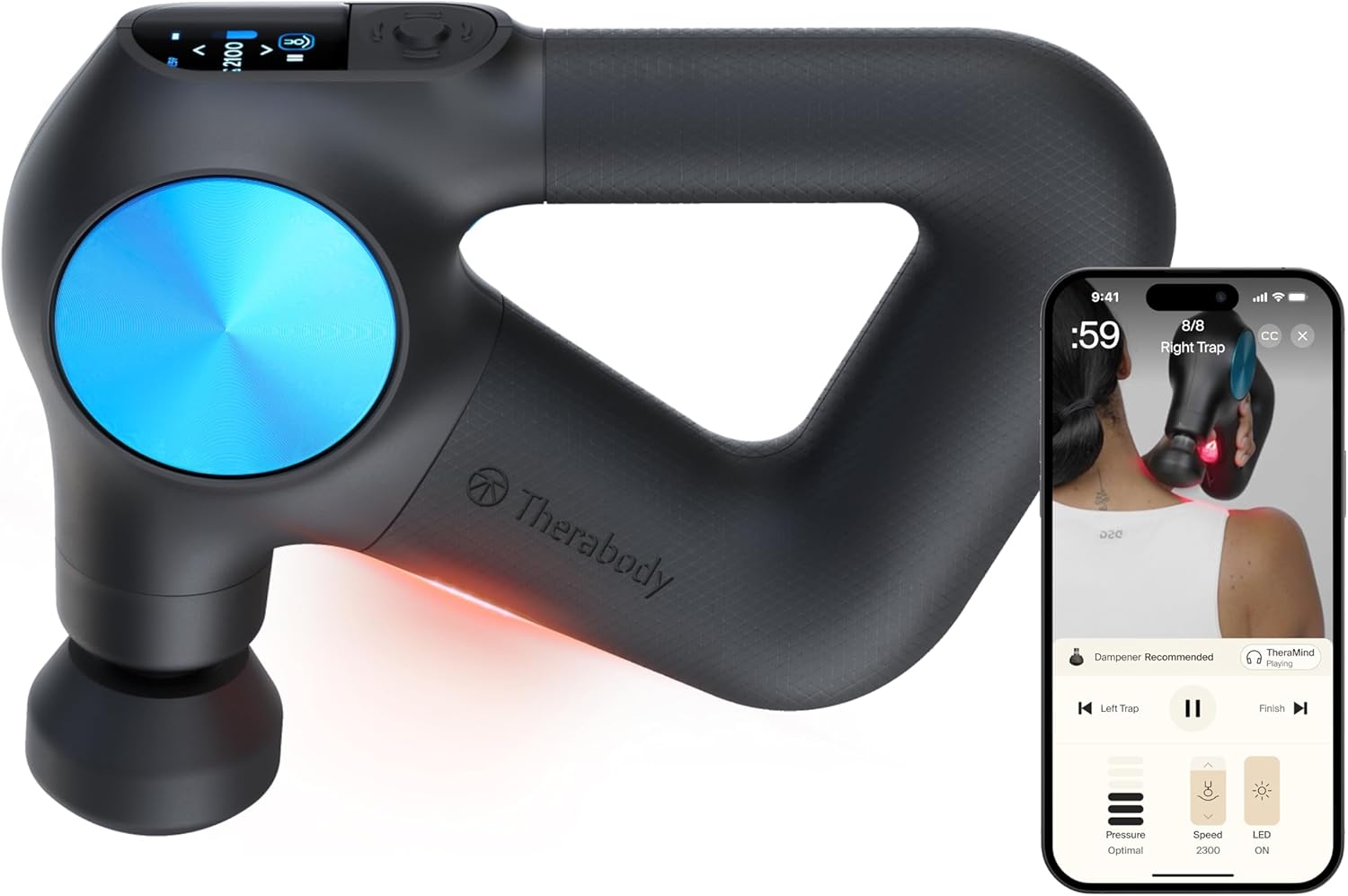
THERAGUN PRO PLUS
⭐ 4.8/5 • Available at Amazon.sg
BEST FOR:
Max-testing weeks where the lower back and quads stay sore between attempts
NOT IDEAL FOR:
Beginners who aren't yet pulling close to their max — overkill at this load
Max-attempt weeks compress recovery into a tiny window. The PRO Plus has the stall force to actually penetrate dense glutes and lower-back erectors after a heavy squat triple, six attachments cover everything from broad muscle bellies to small trigger points around the joints, and battery comfortably handles a week of daily use.
View on Amazon SG →Common Max Testing Mistakes
Schedule performance checks within a programme suited to your goals and experience. A maximal lift is optional; consistent records of submaximal work can also show progress.
Skipping openers. Your opening attempt should be something you can hit for a triple on your worst day. Too many lifters start at 95% and miss their opener, ruining the entire session. Conservative openers build confidence for bigger second attempts.
Not having a backup plan. If your opener feels heavy, don't keep pushing for PRs. Drop your second attempt by 5-10kg and focus on clean technique. A small PR with perfect form is better than a grinding ugly lift.
Ignoring warm-up quality. Max testing demands thorough warm-ups. Rushing through mobility work or skipping progressive loading sets is how you get injured. Plan for 20-25 minutes of warm-up before touching heavy weights.
Training through soreness. If you're still sore from Monday's squat session when Wednesday's bench day arrives, push the session back a day. Max testing requires your nervous system to be fresh, not just your muscles.
FAQ: February Week 4 Training
What if I miss a lift during max testing?
Don't panic. Missing lifts is part of testing. If you miss your opener, call it a day — something's wrong with your preparation or you're more fatigued than expected. If you miss your second attempt, you can try again at the same weight or drop 2.5-5kg for your third attempt. Missing lifts teaches you as much as making them.
Should I test all three lifts in one week?
Yes, but spread them across the week as outlined. Testing squat, bench, and deadlift on consecutive days would be excessive stress. The Monday-Wednesday-Friday schedule with active recovery days allows adequate nervous system recovery between sessions. Some advanced lifters prefer testing over two weeks, but for most people, one week works fine.
What if my gym doesn't have spotters available?
Focus on 2-3RM testing instead of true 1RMs, especially for bench press. Set safety bars properly and test conservatively. Snap Fitness locations usually have good safety setups. For squats and deadlifts, proper rack position and conservative attempts keep you safe without spotters.
How much should I expect my maxes to improve?
Depends on your training age. Beginners (under 1 year) might see 5-15kg increases monthly. Intermediate lifters (1-3 years) typically add 2.5-7.5kg per test cycle. Advanced lifters often see 1-2.5kg improvements or sometimes none at all. Progress isn't always linear — sometimes you maintain while technique improves.
Is max testing necessary for general fitness?
Not at all. If your goals are general health, weight loss, or basic strength, stick with higher rep ranges (5-10 reps) and focus on progressive overload over time. Max testing is for people who enjoy powerlifting or need specific strength numbers for sport. Check our general strength guide for alternatives.
What should I do the week after max testing?
Take a proper deload week. Drop intensity to 60-70% of your NEW maxes and focus on technique work, mobility, and recovery. This is when your body adapts to the stress you've applied. March should start with fresh programming based on your new numbers. Many lifters make the mistake of jumping right back into heavy training and burn out quickly.
Which Singapore gyms have the best equipment for max testing?
For powerlifting-style testing, UFIT CBD Hub has excellent squat racks and experienced staff. Ultimate Performance offers professional guidance but requires personal training sessions. For budget options, Snap Fitness locations have solid equipment and 24-hour access for off-peak testing.
Your March Transition Plan
Max testing week isn't just about hitting PRs — it's about setting up your next training cycle properly. Whatever numbers you hit this week become the foundation for March's programming.
Take the weekend completely off. No gym, no "light cardio," no "just stretching." Your nervous system needs full recovery after three max testing sessions. This is when the real adaptations happen.
By next week, you should have clear numbers for your new 1RMs (or 2-3RMs if you tested conservatively). Use these to calculate training percentages for March. Most programs use 85-90% of your max as the "training max" to allow for day-to-day fluctuations.
If you're planning to continue with similar programming, follow up with our March workout plans. If you want to try something different, this transition week is perfect for researching new approaches. Check out our powerlifting guide or functional training options depending on your goals.
Most importantly, be honest about what the testing revealed. If your squat moved up but your bench stayed the same, there's information there about where to focus next month. If everything felt heavy, maybe you need more recovery built into your routine. Max testing is as much about learning as it is about PRs.
Final Week Recommendation
February Week 4 is your chance to discover what three weeks of dedicated training has built. Don't waste it by ego lifting or skipping proper protocols.
If you're in Singapore's CBD area, UFIT CBD Hub provides the best environment for serious max testing. The trainers understand powerlifting, the equipment is top-quality, and the atmosphere encourages pushing limits safely.
For those on a budget, Snap Fitness Woodlands gives you 24-hour access to solid equipment at reasonable prices. The key is timing your sessions when it's quiet and having a conservative approach to attempt selection.
Remember: the goal isn't to hit lifetime PRs this week. It's to accurately assess your current strength levels so March's training can be programmed intelligently. Small, technical PRs with perfect form beat grinding ugly lifts every single time.
Take the process seriously, stay hydrated in Singapore's heat, and finish February strong. March's programming will thank you for the data you gather this week.
Related Guides

February Week 1 Workout Plan 2026
February Week 1 Workout Plan 2026. Expert Singapore fitness guide with actionable advice, local tips, and gym

February Week 3 Workout Plan 2026
February Week 3 Workout Plan 2026. Expert Singapore fitness guide with actionable advice, local tips, and gym

January Week 1 Workout Plan 2026
January Week 1 Workout Plan 2026. Expert Singapore fitness guide with actionable advice, local tips, and gym r

January Week 2 Workout Plan 2026
January Week 2 Workout Plan 2026. Expert Singapore fitness guide with actionable advice, local tips, and gym r