Olympic Weightlifting Guide Singapore
Olympic Weightlifting Guide Singapore. Expert Singapore fitness guide with actionable advice, local tips, and gym recommendations.
Buying through the Amazon links in this guide costs you nothing extra. We earn a small commission, which keeps Gyms.sg free and pays for guides like this one. As an Amazon Associate, Gyms.sg earns from qualifying purchases. OnWhey is our own supplement brand.
QUICK ANSWER: OLYMPIC WEIGHTLIFTING SINGAPORE
Olympic weightlifting requires specialized coaching, competition-grade barbells, and proper platforms. Only a handful of Singapore gyms have the right setup — UFIT CBD Hub leads with dedicated platforms and certified coaches, while UBX Novena offers structured programs for beginners.
The Reality of Olympic Weightlifting in Singapore
Most Singapore gyms aren't built for Olympic weightlifting. You know those two moves you see in the Olympics — the snatch and clean & jerk? They need specialized platforms, competition barbells that spin properly, and bumper plates you can drop from overhead height. Your average commercial gym's hexagonal plates and rigid bars just don't cut it.
The truth is brutal: maybe 15% of gyms have the right equipment, and only half of those have coaches who actually understand the lifts. But the ones that do get it right? They're game-changers for anyone serious about these technically demanding movements.
Best Gyms for Olympic Weightlifting
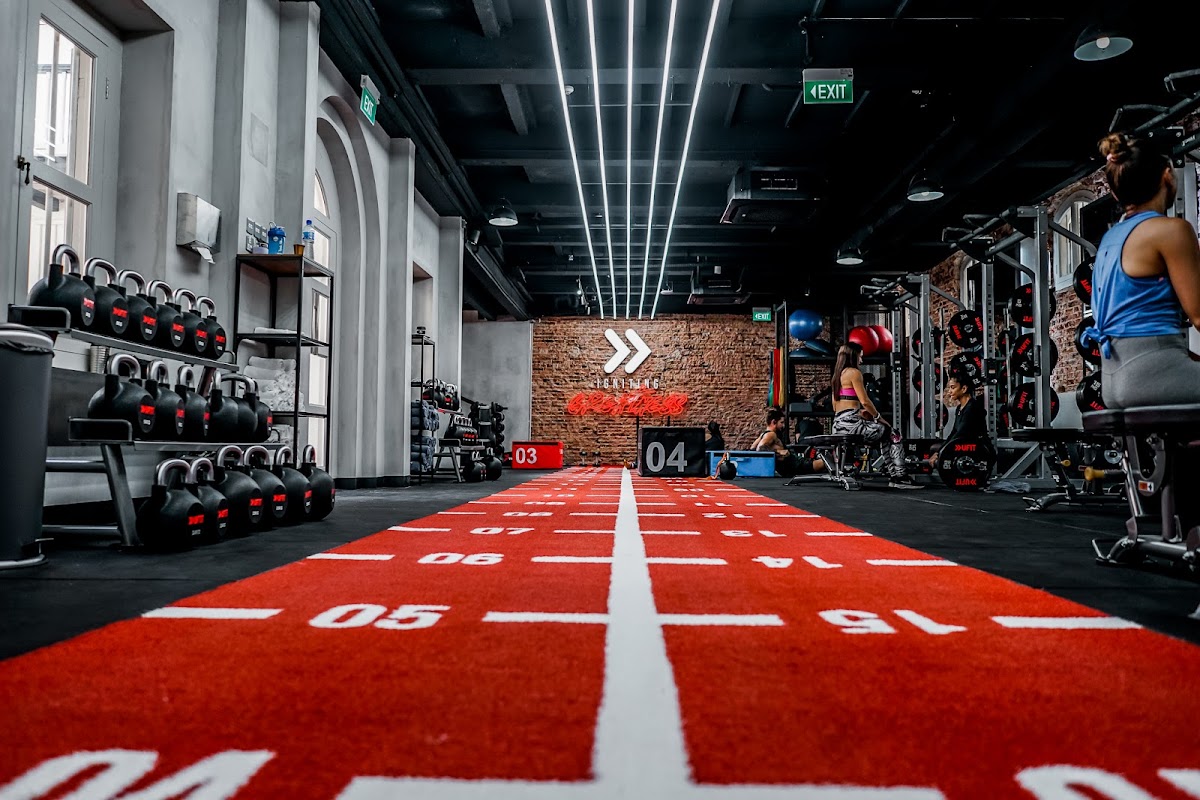
UFIT CBD HUB - CLUB STREET
⭐ 5/5 (477 reviews) • $200-400/mo • Telok Ayer MRT
BEST FOR:
Serious lifters who want proper platforms and knowledgeable coaching
NOT IDEAL FOR:
Casual gym-goers or anyone on a tight budget
This is the gold standard for Olympic lifting in Singapore. They have dedicated platforms, Eleiko competition bars, and coaches who've actually competed. The price reflects the premium setup, but if you're serious about the sport, it's worth every dollar.
View Details →
UBX NOVENA
⭐ 5/5 (35 reviews) • $168-250/mo • Novena MRT
BEST FOR:
Beginners wanting structured Olympic lifting programs
NOT IDEAL FOR:
Advanced lifters needing competition-level equipment
UBX focuses on teaching proper Olympic lifting technique from day one. Their 12-week beginner program breaks down the snatch and clean & jerk into manageable progressions. Great coaching, decent equipment, reasonable prices.
View Details →
ULTIMATE PERFORMANCE CBD
⭐ 5/5 (1323 reviews) • Contact for pricing • Raffles Place MRT
BEST FOR:
High-earners wanting 1-on-1 Olympic lifting coaching
NOT IDEAL FOR:
Anyone not willing to pay premium rates for personal training
This is personal training at its finest — expect to pay $150+ per session. But their coaches know Olympic lifting inside out, and the equipment is top-tier. Only makes sense if you have a serious budget and specific goals.
View Details →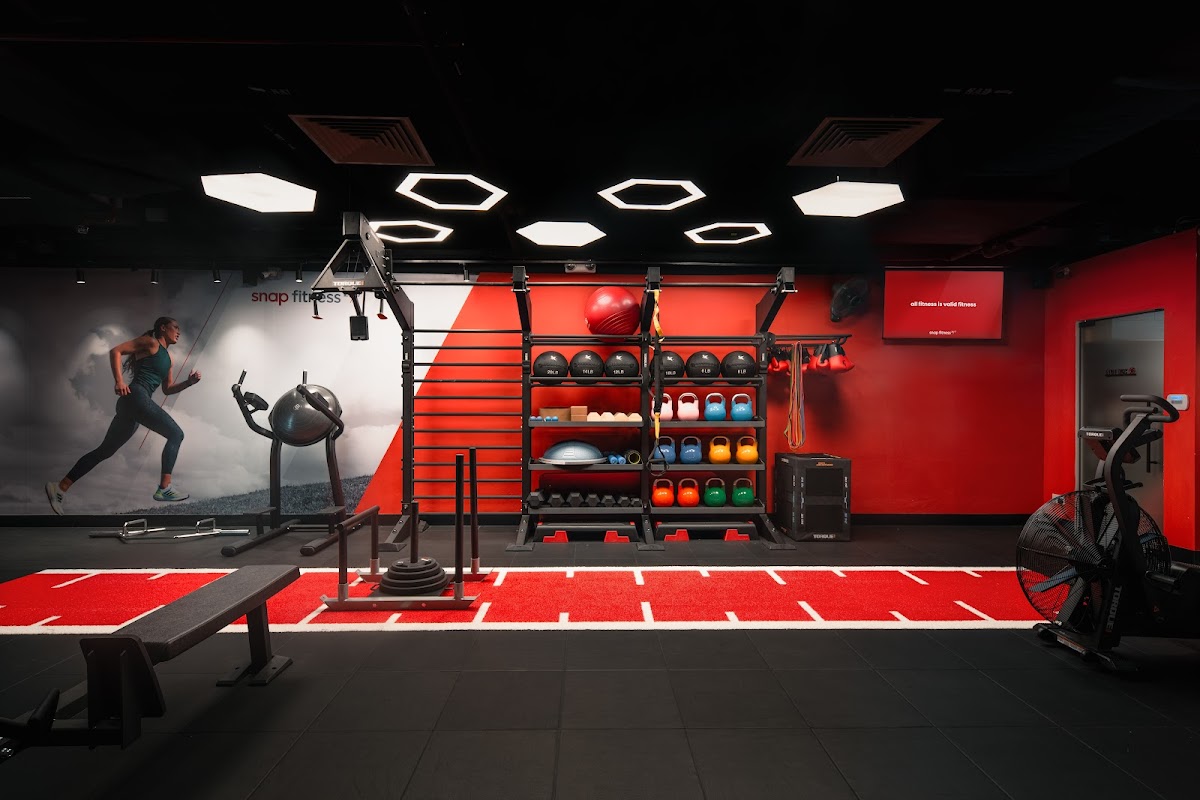
SNAP FITNESS WOODLANDS HEALTH
⭐ 5/5 (48 reviews) • $70-120/mo • Woodlands MRT
BEST FOR:
Budget-conscious lifters who already know the basics
NOT IDEAL FOR:
Complete beginners needing technique coaching
Surprisingly, this Snap Fitness location has a proper platform and bumper plates. No specialized coaching, but if you already know how to snatch and clean & jerk, it's a steal at this price point. Plus 24-hour access.
View Details →Olympic Lifting Comparison
| Gym | Platforms | Coaching | Price Range |
|---|---|---|---|
| UFIT CBD Hub | 4 dedicated | Expert level | $200-400/mo |
| UBX Novena | 2 platforms | Structured programs | $168-250/mo |
| Ultimate Performance | 1 platform | 1-on-1 only | Contact for pricing |
| Snap Fitness Woodlands | 1 platform | Self-guided | $70-120/mo |
The Complete Olympic Lifting Program
Phase 1: Foundation (Weeks 1-4)
Before you even think about full snatches or clean & jerks, you need mobility and basic movement patterns. Singapore's humidity means you'll sweat buckets during these longer sessions — bring a towel and electrolyte drinks.
Daily Warm-up Routine (15 minutes):
- • Arm circles: 10 each direction
- • Shoulder pass-throughs with PVC: 15 reps
- • Deep squat hold: 30 seconds x 3
- • Ankle circles: 10 each direction
- • Wrist circles: 10 each direction
Monday/Wednesday/Friday - Movement Foundation:
1. Overhead Squat (with PVC pipe)
- • 3 sets of 10 reps
- • Focus: Keep arms straight overhead, chest up
- • Rest: 60 seconds between sets
2. Romanian Deadlift
- • 3 sets of 8 reps (empty barbell)
- • Focus: Hip hinge pattern, straight back
- • Rest: 90 seconds
3. Push Press
- • 4 sets of 5 reps (empty barbell)
- • Focus: Dip, drive, press overhead
- • Rest: 2 minutes
4. Front Squat
- • 3 sets of 8 reps (empty barbell)
- • Focus: Elbows high, upright torso
- • Rest: 2 minutes
Peak hours at Singapore gyms (6-8pm) mean equipment waits. Schedule these longer foundation sessions for 2-4pm or after 9pm when platforms are free.
Phase 2: Technique Development (Weeks 5-8)
Now we add complexity. If you're training alone, film yourself from the side — most Singapore gyms have good lighting for video analysis. If technique breaks down, drop the weight immediately.
Monday - Snatch Focus:
1. Snatch Deadlift
- • 5 sets of 3 reps at 70% of your deadlift max
- • Focus: Wide grip, slow controlled pull
- • Rest: 2 minutes
2. Muscle Snatch
- • 4 sets of 5 reps (light weight)
- • Focus: Pull bar to chest, press overhead in one motion
- • Rest: 90 seconds
3. Overhead Squat (with weight)
- • 4 sets of 5 reps
- • Focus: Bar balance, deep position
- • Rest: 2 minutes
Wednesday - Clean Focus:
1. Clean Deadlift
- • 5 sets of 3 reps at 80% of deadlift max
- • Focus: Shoulder-width grip, explosive finish
- • Rest: 2 minutes
2. Muscle Clean
- • 4 sets of 5 reps
- • Focus: High pull to front rack position
- • Rest: 90 seconds
3. Push Jerk
- • 4 sets of 3 reps
- • Focus: Dip, drive, split under bar
- • Rest: 2 minutes
Friday - Full Movement Practice: Work through complete snatches and clean & jerks at 40-50% intensity. Focus on timing and coordination, not weight.
Phase 3: Strength Building (Weeks 9-12)
Time to add serious weight. You'll need chalk for heavy singles — not all Singapore gyms allow it, so check first. UFIT CBD Hub definitely allows chalk; chain gyms are hit or miss.
Monday - Heavy Snatch Day:
1. Snatch (work up to daily max)
- • Start at 50%, add 5-10kg per set
- • Stop when technique breaks down
- • Rest: 3-4 minutes between attempts
2. Back Squat
- • 5 sets of 3 reps at 85% max
- • Focus: Speed out of the bottom
- • Rest: 3 minutes
Wednesday - Heavy Clean & Jerk:
1. Clean & Jerk (work up to daily max)
- • Same progression as snatch day
- • Focus on smooth transition from clean to jerk
- • Rest: 3-4 minutes
2. Front Squat
- • 4 sets of 3 reps at 90% max
- • Focus: Explosive drive up
- • Rest: 3 minutes
Singapore's heat will sap your energy faster during heavy sessions. Don't rush — Olympic lifting rewards patience and precision over ego.
How to Choose Your Olympic Lifting Gym
IF YOU'RE A: Complete Beginner
Look for: structured programs, patient coaches, beginner-friendly rates, mobility classes
Best fit: UBX Novena ($168-250/mo)
IF YOU'RE A: Experienced Lifter
Look for: competition equipment, multiple platforms, advanced coaching, open gym time
Best fit: UFIT CBD Hub ($200-400/mo)
IF YOU'RE: Budget-Conscious
Look for: basic platforms, bumper plates, 24-hour access, no coaching fees
Best fit: Snap Fitness Woodlands ($70-120/mo)
IF YOU'RE: High Achiever
Look for: 1-on-1 coaching, competition prep, video analysis, flexible scheduling
Best fit: Ultimate Performance (Premium pricing)
Insider Tips for Olympic Lifting in Singapore
Timing is everything. Olympic lifting platforms are in high demand. The sweet spot for training is 2-4pm on weekdays — after the lunch crowd, before evening rush. Weekends mornings (8-10am) also work well. Avoid 6-8pm unless you enjoy waiting 30 minutes for a platform.
Bring your own accessories. Even the best Olympic lifting gyms might not have everything. Some gyms provide chalk, others don't — always ask first rather than assume.
Learn the drop etiquette. Singapore gyms vary wildly on dropping weights from overhead. At UFIT CBD Hub, it's expected and the floors are built for it. At some chain gyms, they'll ask you to "control the weight down" — which defeats the purpose of Olympic lifting. Always clarify on your first visit.
Consider the commute seriously. Olympic lifting requires consistent 3x/week training. A gym that's 45 minutes each way sounds manageable until week 3 when motivation dips. Better to choose a decent gym 15 minutes away than a perfect gym across the island.
Start with a coach, even if briefly. Olympic lifts have a steep learning curve and injury risk. Even experienced lifters benefit from technique coaching initially. Our powerlifting guide covers some related strength building concepts if you want to supplement your Olympic training.
The recovery gear investment. Olympic lifting beats up your body more than regular gym work. A quality 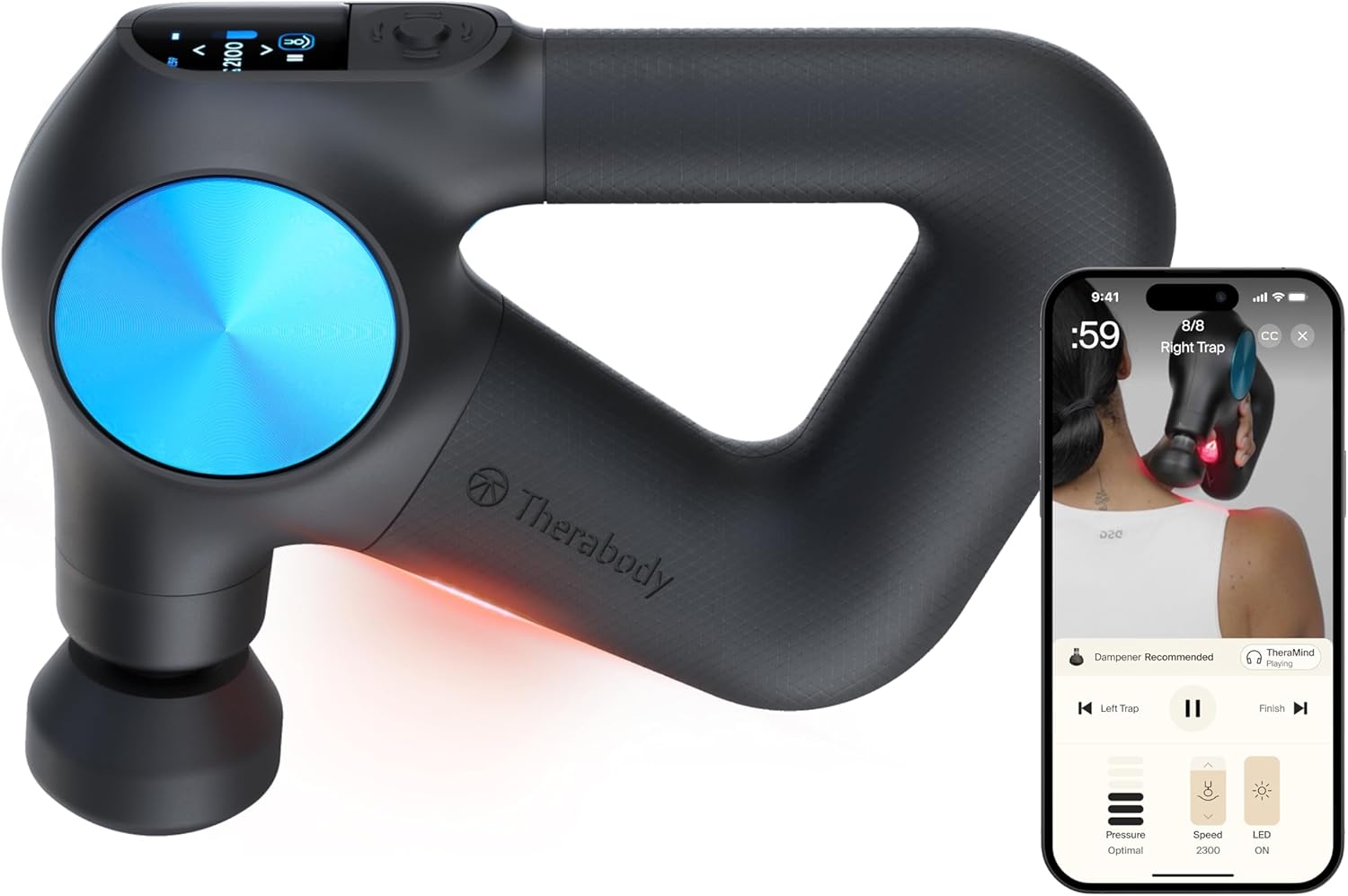 massage gun like the Theragun PRO isn't just nice to have — it's essential for staying healthy through heavy training cycles.
Common Mistakes to Avoid
Rushing the progressions. Olympic lifts take months to develop properly. Spend at least 8 weeks on movement foundations before attempting full lifts with any meaningful weight.
Ignoring mobility work. Singapore's sedentary desk jobs create tight hips, shoulders, and ankles — exactly what Olympic lifting demands be mobile. If you can't overhead squat with good form, you're not ready for snatches. Period.
Training through pain. Olympic lifting creates specific stress patterns. Sharp pain in wrists, shoulders, or lower back means stop immediately. The movements are too technical to push through discomfort — you'll just ingrain bad patterns.
Copying Instagram lifters. Every technique looks different based on body proportions and mobility. Focus on the key principles (straight bar path, timing, positioning) rather than mimicking someone else's exact form.
Skipping the cool-down. Olympic lifting sessions are intense but often short (60-90 minutes). Spend 10-15 minutes stretching and foam rolling after each session. Your shoulders and hips will thank you. Check out our post-workout recovery guide for specific routines that work well after technical lifting sessions.
Equipment You Actually Need
Olympic lifting has specific gear requirements that regular gym-goers might not think about.
Proper lifting shoes make a huge difference. Adidas Adipower III Lifting Shoes on Amazon or similar weightlifting shoes provide the ankle mobility and stability you need for deep squats and overhead positions. Running shoes compress under heavy loads — completely counterproductive for Olympic lifts.
Wrist wraps for support. The receiving positions in snatches and cleans put enormous stress on wrists. Quality wraps help maintain proper joint angles under heavy loads. Not essential for beginners, but crucial once you're lifting bodyweight or more.
A basic training log. Olympic lifting progress happens slowly and technique improvements are subtle. Apps are fine, but pen and paper lets you draw stick figures of problem areas.
Home mobility tools. Even with perfect gym access, you'll need daily mobility work. A lacrosse ball for trigger points and a set of resistance bands for shoulder warm-ups will keep you moving between gym sessions.
FAQ
How long does it take to learn Olympic lifts properly?
Expect 6-12 months to develop competent technique, assuming 3x/week training with proper coaching. Some people pick up the movements faster, others need more time. The snatch typically takes longer to master than the clean & jerk. Don't rush — building proper movement patterns early prevents years of bad habits.
Can I learn Olympic lifting without a coach?
Technically yes, but not recommended. The movements are too complex and injury-prone to self-teach effectively. Even 4-6 sessions with a qualified coach will set you up for safer solo training. UBX Novena offers beginner-friendly programs, while Ultimate Performance provides 1-on-1 coaching for faster progress.
What's the difference between powerlifting and Olympic lifting?
Powerlifting focuses on maximum strength in squat, bench press, and deadlift — slow, controlled movements. Olympic lifting focuses on explosive power in the snatch and clean & jerk — fast, technical movements. Both build strength, but Olympic lifting also develops coordination, mobility, and athletic power. Our powerlifting guide covers the strength-focused alternative if you're interested in both approaches.
Do I need to be flexible to start Olympic lifting?
You need adequate mobility, which you can develop alongside technique. Can you overhead squat with arms straight and knees tracking over toes? Can you sit in a deep front squat comfortably? If yes, you can start learning. If no, spend 2-4 weeks on mobility work first. Most Singapore office workers need significant hip and shoulder mobility development before attempting full Olympic lifts.
Which Singapore gyms have the best Olympic lifting equipment?
UFIT CBD Hub has the most complete setup with 4 dedicated platforms and competition-grade equipment. UBX Novena offers good equipment with better coaching programs. For budget options, Snap Fitness Woodlands surprisingly has a proper platform and bumper plates.
Is Olympic lifting dangerous for beginners?
With proper progression and coaching, it's quite safe. The main risks come from rushing into heavy weights or ignoring technique breakdown. Start with PVC pipes and empty barbells, focus on mobility, and always prioritize form over weight. The explosive nature requires respect, but it's not inherently more dangerous than other barbell sports when learned properly.
How much should I expect to pay for Olympic lifting coaching in Singapore?
Group classes run $30-50 per session, individual coaching ranges from $80-200 per hour depending on the trainer's credentials and gym location. Ultimate Performance charges premium rates but offers world-class coaching. Many gyms offer beginner packages — expect to invest $500-800 for your first 8-12 coaching sessions.
Your Next Steps
Olympic weightlifting isn't for everyone, but if you're drawn to technical, explosive movements that build serious athletic power, it's incredibly rewarding. The learning curve is steep and the equipment requirements specific, but Singapore actually has some excellent options if you know where to look.
Start with UBX Novena if you want structured beginner programs and reasonable pricing. Move to UFIT CBD Hub once you're serious about competition or advanced training. Budget-conscious lifters should check out Snap Fitness Woodlands — it's a surprising gem for the price.
Whatever you choose, don't rush the progressions. Olympic lifting rewards patience, precision, and consistent practice. The movements will challenge you in ways regular gym training never does — and that's exactly the point.
Ready to start lifting like an Olympian? Book a trial session at one of these gyms and experience the difference proper equipment and coaching makes. Your explosive power development starts now.
Related Guides
Tabata Workout Guide Singapore
Tabata Workout Guide Singapore. Expert Singapore fitness guide with actionable advice, local tips, and gym rec
Fitness Guide for Shift Workers Singapore
Fitness Guide for Shift Workers Singapore. Expert Singapore fitness guide with actionable advice, local tips,
January Fitness Challenge Singapore 2026
January Fitness Challenge Singapore 2026. Expert Singapore fitness guide with actionable advice, local tips, a
Upper Body Workout Guide Singapore
Upper Body Workout Guide Singapore. Expert Singapore fitness guide with actionable advice, local tips, and gym