Bowflex vs Powerblock Singapore Review
Bowflex SelectTech vs PowerBlock adjustable dumbbells for HDB-sized home gyms — weight ceiling, durability, ergonomics, and which set holds up past year one.
As an Amazon Associate, Gyms.sg earns from qualifying purchases. Links here, including to our partner brand OnWhey, may earn us a commission at no extra cost to you.
QUICK ANSWER: ADJUSTABLE DUMBBELLS IN SINGAPORE 2026
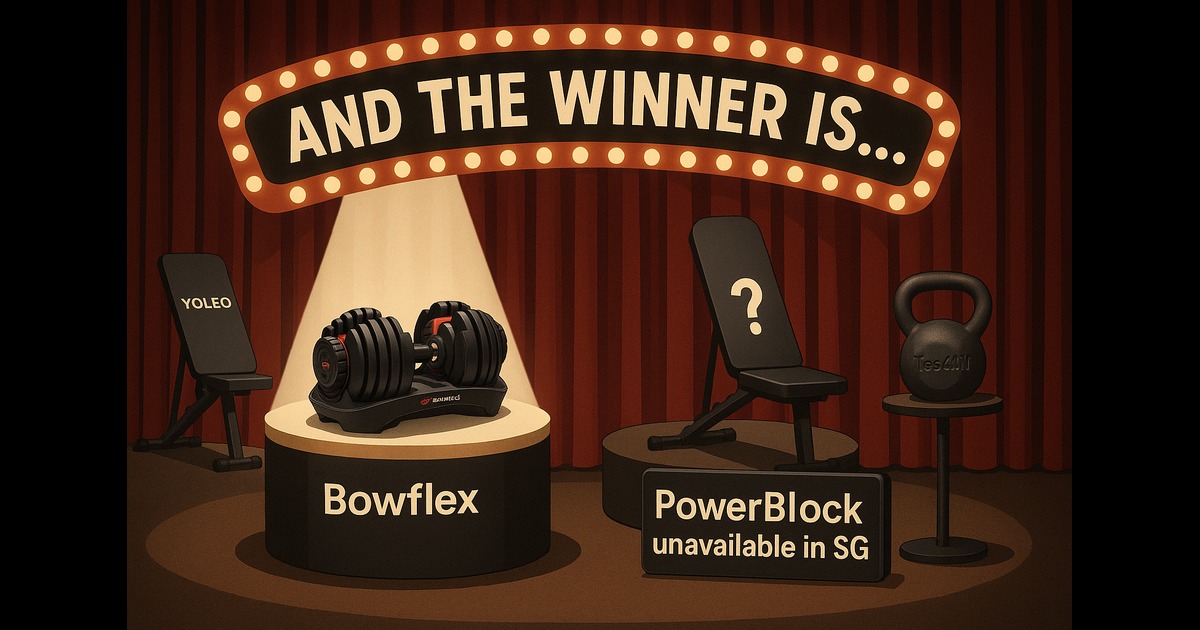
If you've been comparing Bowflex vs PowerBlock for your HDB or condo home gym, here's the honest update: only the Bowflex SelectTech 552 is actually shipping reliably to Singapore via Amazon.sg right now. The Bowflex 1090 and PowerBlock Pro EXP are US-only at the moment. So this isn't really a "vs" question anymore — it's whether the SelectTech 552 is enough for your training, or whether you wait for the others to come back in stock.


Listed prices were scraped from Amazon.sg on 2026-05-02 and may have changed — the buyer always sees the current price on the linked product page after click.
The Actual Singapore Buying Decision in 2026
I've been training out of HDB and condo apartments for 3+ years now — first in my parents' Toa Payoh place, now in a studio near East Coast. Adjustable dumbbells are the single piece of home equipment that paid for themselves the fastest, but the buying landscape in Singapore is messier than the comparison videos on YouTube suggest.
If you've been Googling "Bowflex vs PowerBlock", here's the reality check: the Bowflex 1090s and PowerBlock Pro EXP series are not in stock on Amazon.sg right now. Listings show up in search but the buy button is gone, fulfilment routes through US warehouses with weeks-long delays and surprise GST, or the seller pulls them entirely. I checked again before publishing this — same story.
What is shipping reliably is the Bowflex SelectTech 552. So the practical question for Singapore home lifters in 2026 isn't "which adjustable dumbbell brand wins" — it's whether the 552 is enough for your training, or whether you wait it out for the heavier options to come back. That's what this guide is actually about now.
Bowflex SelectTech 552: The One Currently Shipping
BOWFLEX SELECTTECH 552
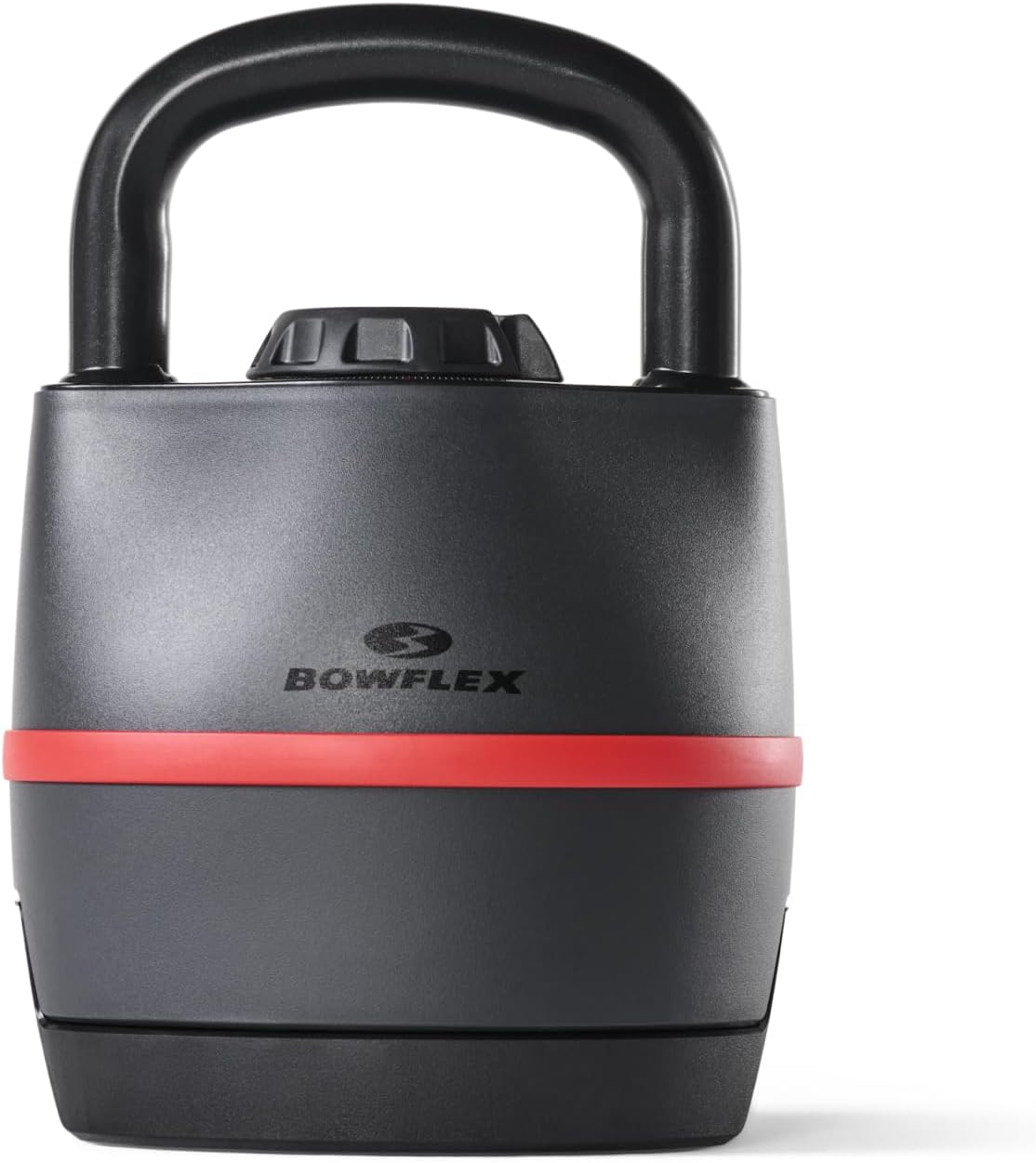
⭐ 4.7/5 Amazon reviews • 5-52.5 lb each • Dial mechanism
BEST FOR:
Beginner-to-intermediate lifters who want fast weight changes and the only adjustable set actually shipping to SG
NOT IDEAL FOR:
Advanced lifters who already press 50+ lb dumbbells — you'll outgrow the 52.5 lb cap inside a year
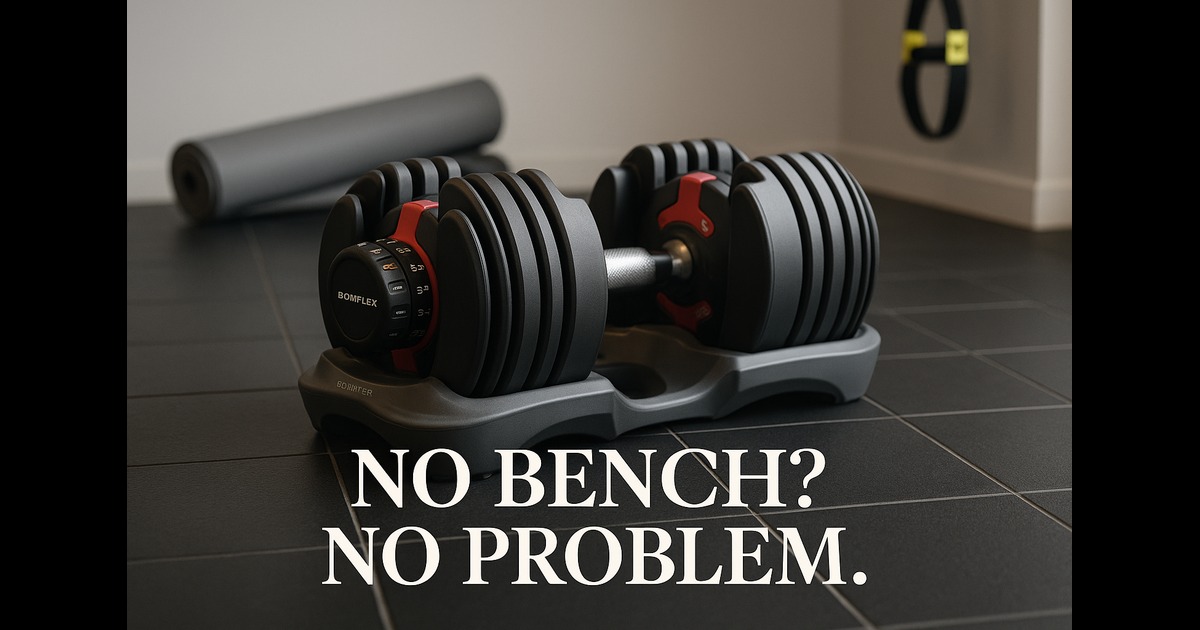
The dial system is genuinely satisfying — twist, lift, go. Increments are 2.5 lb up to 25 lb, then 5 lb steps to 52.5 lb. The plates stay locked in the cradle, so you're not juggling loose weights in a 600 sqft flat. After 2+ years of regular use, mine has had the dial stick maybe three times — usually because I didn't seat it properly back in the cradle. Plastic housing shows cosmetic wear, but the mechanism still works perfectly.
Bowflex SelectTech 552 Adjustable Dumbbells on AmazonMain advantages: incredibly fast weight changes (about 5 seconds), compact storage footprint, and the dial almost never jams in normal use. They feel like real dumbbells once you pick them up — even balance, no rattle, natural grip width. My mum figured out the system in 30 seconds during the circuit breaker, which tells you everything about the learning curve.
The downside is real though: 52.5 lb max per dumbbell is the ceiling. If you're already pressing 25 kg dumbbells at UFIT CBD or similar gyms, you'll outgrow these inside a year. There's no expansion kit. When you hit the cap, your only path forward is selling them and buying heavier kit (or going back to a commercial gym for the heavy days).
The US-Only Options: Bowflex 1090 and PowerBlock Pro EXP
For full transparency, here's what the comparison would look like if both were actually buyable in Singapore — and what you're missing by going with the 552 instead.
Bowflex SelectTech 1090 — same dial mechanism as the 552 but goes from 10 to 90 lb per hand. Same fast weight changes, same shape, same plastic-and-metal construction. This is what most experienced home lifters actually want. Currently not in stock on Amazon.sg; sporadic listings appear from third-party sellers but with US-warehouse fulfilment and very long timelines.
PowerBlock Pro EXP series — the all-metal, expandable system. Start with a base set, add Stage 2 and Stage 3 expansion kits to push the load to 90+ lb per hand. Loved by hardcore home lifters because of the durability. The trade-off: blocky shape that feels different from a dumbbell on flyes, and pin-style adjustment that's slower than a Bowflex dial. Also currently US-only on Amazon — the listings that come up in SG search results are not fulfilling reliably.
If either of these comes back into stock on Amazon.sg, this article will get updated. Until then, they're not real options for someone trying to buy and lift this month.
Side-by-Side: What's Actually Available
| Feature | Bowflex 552 (in stock) | Bowflex 1090 (US only) | PowerBlock Pro EXP (US only) |
|---|---|---|---|
| SG Availability | Yes | No | No |
| Weight Range | 5-52.5 lb | 10-90 lb | 5-50 lb (exp 90+) |
| Adjustment | Dial (~5 sec) | Dial (~5 sec) | Pin (~15 sec) |
| Expandable | No | No | Yes |
| Build | Plastic + metal | Plastic + metal | All metal |
| Feel | Like dumbbells | Like dumbbells | Blocky |
Should You Buy the 552 Now or Wait?
BUY THE 552 NOW IF:
You currently lift <25 kg dumbbells, want to start training at home this week, and value fast weight changes for circuits/supersets.
Best fit: Bowflex SelectTech 552 Adjustable Dumbbells on Amazon
WAIT IT OUT IF:
You're already pressing 27.5+ kg dumbbells, plan this as your primary training tool for years, and want the 1090 or PowerBlock Pro range.
Best fit: Stay on a gym membership and watch Amazon.sg listings. Don't pay US-import premiums.
SPLIT THE LOAD IF:
You want most sessions at home but still need a heavy commercial gym 1-2x/week for the top-end loads.
Best fit: 552 + day-pass at Snap Fitness or similar for heavy days.
SKIP DUMBBELLS IF:
You're mostly doing bodyweight, mobility, and conditioning. A suspension trainer covers most of that range.
Best fit: TRX PRO3 Suspension Trainer
Singapore-Specific Considerations
Humidity handling: The 552's plastic-and-metal build has been fine in my un-aircon-ed living room for two years. Nothing seized, nothing rusted visibly. The aircon-on-when-training habit helps but isn't required.
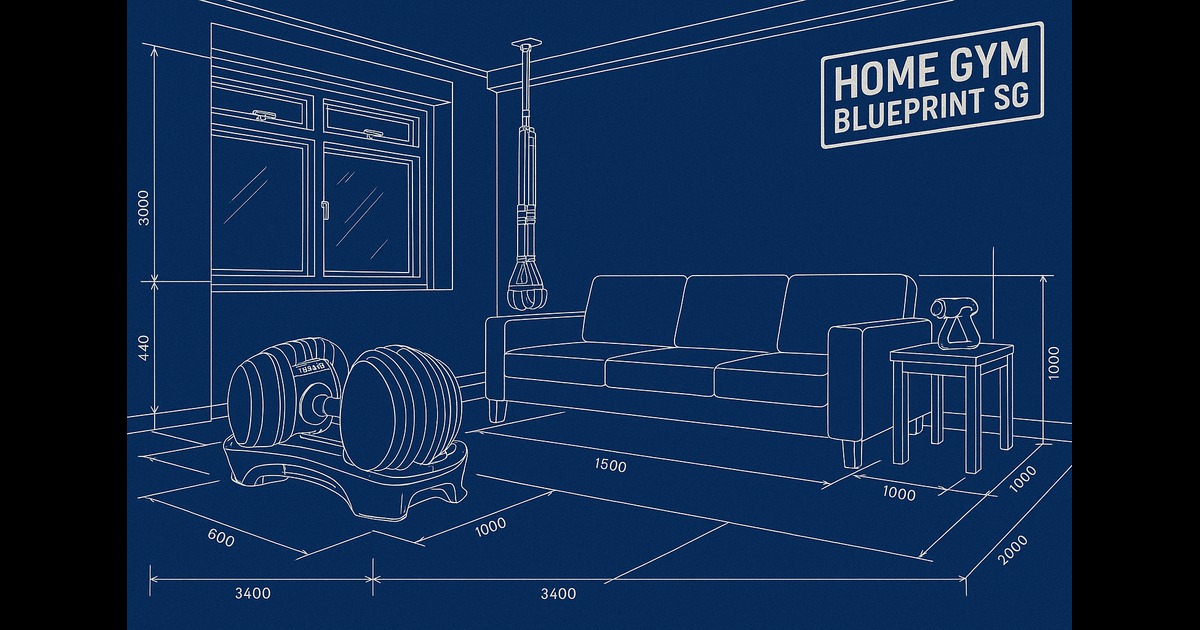
Space and floor protection: Cradle footprint is roughly 50 × 30 cm — small enough for most HDB studies or balconies. A pair of cheap interlocking rubber tiles under the cradle protects HDB tile floors and absorbs the inevitable drop.
Noise complaints: The 552 is the quietest of any adjustable system I've tested. Setting them down doesn't generate the metal-on-metal clang that PowerBlock-style systems make. Still, don't drop them at 6am — Singapore neighbours notice.
Shipping and warranty: Direct Amazon.sg fulfilment usually arrives in 5-7 days. Warranty in Singapore routes through the local Bowflex distributor — better than the US-import grey-market route, where warranty support evaporates.
Resale on Carousell: Used 552s typically clear at 60-70% of new price. The dial mechanism is the make-or-break — if you've abused it, expect lower offers. Mine has held value well thanks to careful storage.
Insider Tips for Adjustable Dumbbells in Singapore
Buy during Amazon sales events. Prime Day, 11.11, and Black Friday usually see 15-25% discounts on the 552. Set up a price alert if you're not in a rush — most months see at least one promo.
Factor in flooring. The 552 cradle sits low and wide. HDB floors handle the load fine, but rubber mats reduce noise transmission and protect tiles. The cheap interlocking gym tiles on Amazon do the job.
Plan for progression. Most beginners overestimate how long the 5-52.5 lb range will last them. Most intermediates underestimate. Track your gym numbers honestly before buying — if you're already at 22.5 kg dumbbell press, the 552 buys you maybe a year before you're capped.
Pair with a bench and bands. A foldable adjustable bench plus a band set fills 90% of the gaps the 552 can't cover. See our resistance bands guide for SG-available options. Together, you've replaced most of what a budget commercial gym offers.
Recovery: The Add-On Most People Skip
When dumbbells become your primary training tool, recovery becomes the limiting factor. You'll be hitting the same muscle groups more often than at a commercial gym, and DOMS compounds. A percussion massage gun on quads, glutes, and lats after sessions has been the difference between "fresh by tomorrow" and "limping for three days".
THERAGUN PRO PLUS
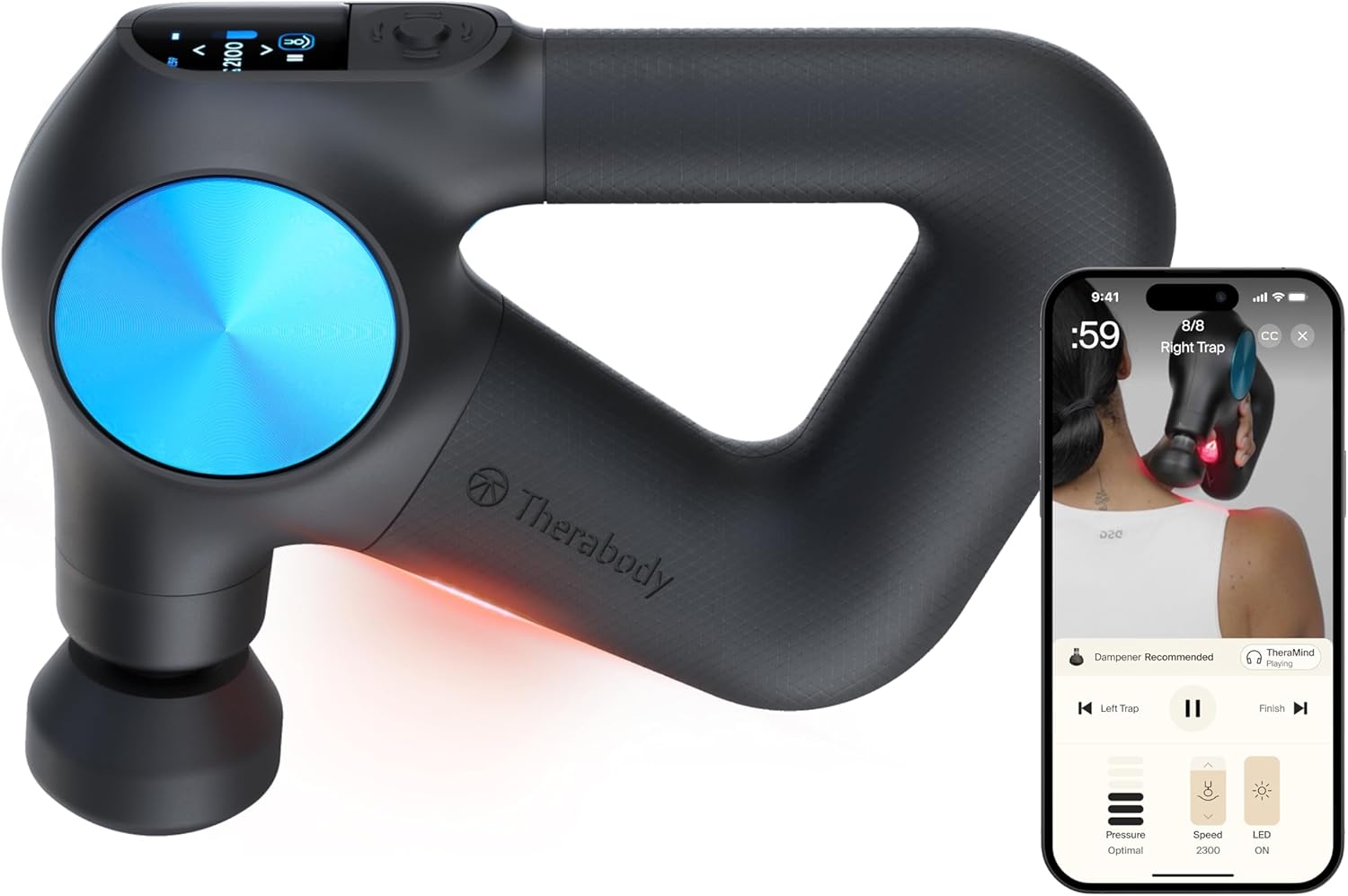
⭐ 4.8/5 • Available at Amazon.sg
BEST FOR:
Daily home lifters running the 552 4-5x/week
NOT IDEAL FOR:
Once-a-week trainees — a foam roller is enough
The PRO Plus has the stall force to actually work through dense quads and glutes, six attachments cover everything from broad muscle bellies to small trigger points, and the battery comfortably lasts a week of daily use. Daily 10-minute sessions on legs and lats keeps the home-training cadence sustainable.
View on Amazon SG →Frequently Asked Questions
Is the Bowflex 1090 actually available in Singapore?
Not reliably as of this update. Listings appear in Amazon.sg search results but the buy button is gone, fulfilment routes through US warehouses with multi-week timelines, or the seller withdraws the listing entirely. We'll update this article if that changes. The 552 is the only Bowflex adjustable dumbbell with consistent SG fulfilment right now.
What about PowerBlock — can I import them?
Technically yes, via parallel-import third-party sellers. In practice, expect long timelines, GST surprises at the door, and zero local warranty support. Most Singapore home-gym builders I know who tried this regretted it. The simpler move is the 552 now, watch for official PowerBlock Asia availability later.
Are adjustable dumbbells worth it vs gym membership?
Depends on your training frequency. If you're already paying $80+/month for a gym and training 4+ times per week, a 552 set pays for itself inside a year. Plus no commute, no peak-hour bench-waiting, train at any time. The trade-off is exercise variety — commercial gyms offer cables, machines, barbells, plus the social element. Most serious home lifters end up with a hybrid: 552 at home for 3-4 sessions, gym for the heavy/specialty days.
Do the 552s break easily?
With normal use, no. The dial mechanism is the most-cited failure point, and it can stick if you don't seat the dumbbell back in the cradle properly before turning the dial. Avoid that mistake and they last years. The plastic housing shows cosmetic wear over time but the load-bearing internals are metal. I've had mine for 2+ years of regular use, no functional failures.
Can I get a full workout with just the 552?
Yes for upper body — most rows, presses, raises, and curls fall well within 52.5 lb. Lower body is harder: heavy compound work like back squats and deadlifts isn't really possible at this load. Goblet squats, lunges, step-ups, and Romanian deadlifts cover legs decently. Adding a bench and resistance bands fills most of the remaining gaps. See our dumbbell basics guide for routine ideas.
How much space do I need for a 552 setup?
Cradle footprint is small (~50 × 30 cm). Factor in exercise space — about 6 × 8 ft is comfortable for lunges, lying work, and overhead presses. Most HDB master bedrooms or living-room corners work. Just check ceiling height for overhead presses if you're tall.
What about noise complaints from neighbours?
The 552 is genuinely quiet on set-down compared to all-metal alternatives. The dial mechanism doesn't clang. Add rubber floor tiles, train between 9am and 9pm, and don't drop weights — the standard HDB courtesy rules apply. I've had zero noise complaints in two years across two different blocks.
Final Recommendation
For most Singapore home lifters in 2026, the practical answer is: Bowflex SelectTech 552 Adjustable Dumbbells on Amazon. It's the only adjustable dumbbell currently shipping reliably to SG via Amazon, the dial system is the smoothest of any adjustable I've used, and 5-52.5 lb covers the realistic range most people actually train in for at least a year.
If you're already at the strength level where 52.5 lb is light, you have two real options: stay on a commercial gym membership while watching Amazon.sg for the Bowflex 1090 or PowerBlock Pro EXP to come back, or accept a hybrid setup (552 at home, gym for heavy days).
Whatever you do, don't pay grey-market premiums to import the US-only options. Local warranty matters more than people admit until something breaks.
Total realistic home-gym budget: 552 + foldable bench + rubber tiles + a recovery tool covers everything most lifters need. Compared to ongoing gym membership fees, the math works inside a year if you actually train consistently. Pair this guide with our dumbbell basics guide to plan the routines.
Related Guides
Adjustable Bench Review Singapore
Honest review of adjustable benches for Singapore home gyms — incline range, weight capacity, footprint trade-
Best Home Gym Equipment Singapore 2026
What home gym equipment is actually worth buying in Singapore — rower, adjustable dumbbells, racks, and bands
Power Rack vs Smith Machine for Home Gym Singapore
Power rack vs Smith machine for Singapore home gyms — safety, footprint in HDB-sized rooms, exercise variety,
Assault AirBike Elite Review Singapore
Hands-on review of the Assault AirBike Elite for Singapore home gyms — performance, durability in our humidity