
January Week 4 Workout Plan 2026
January Week 4 Workout Plan 2026. Expert Singapore fitness guide with actionable advice, local tips, and gym recommendations.
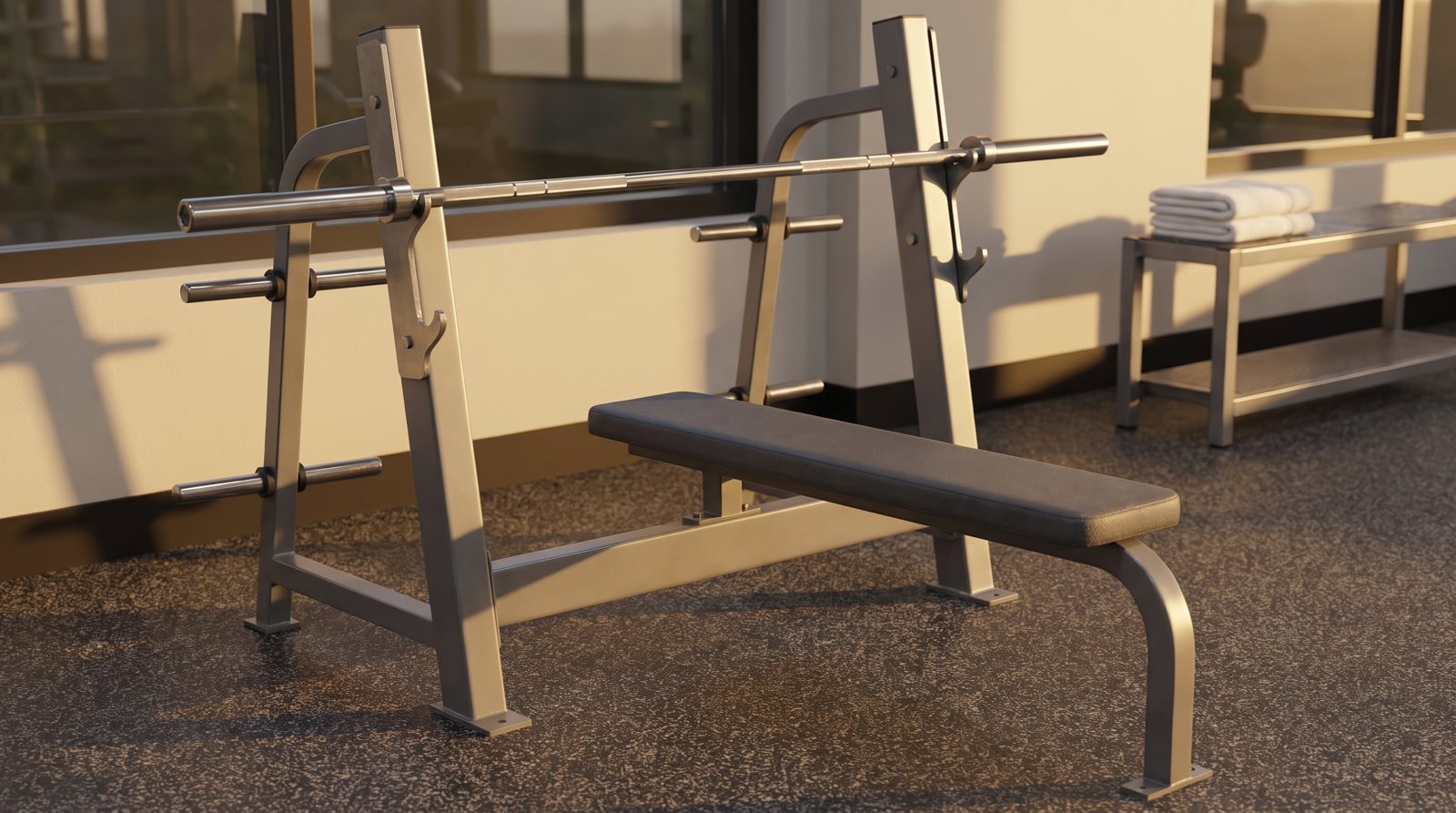
OnWhey is our own supplement brand.
QUICK ANSWER: JANUARY WEEK 4 WORKOUT PLAN 2026
Week 4 is peak intensity before your deload — push 85-90% max effort with heavier compound movements and shorter rest periods. Focus on progressive overload across all major movement patterns.
Week 4: Peak Before the Valley
January's final week hits different. You've built momentum through week 1's foundation, week 2's volume, and week 3's intensity. Now comes the crescendo — your hardest training week before February's strategic deload.
This is when Singapore gyms get really crowded (Chinese New Year prep is real), so timing becomes crucial.
The key difference this week? We're pushing true working sets at 85-90% effort, shorter rest periods, and compound movements that demand everything you've built over the past three weeks. Your body is primed — now we cash in.
Best Singapore Gyms for Week 4 Training
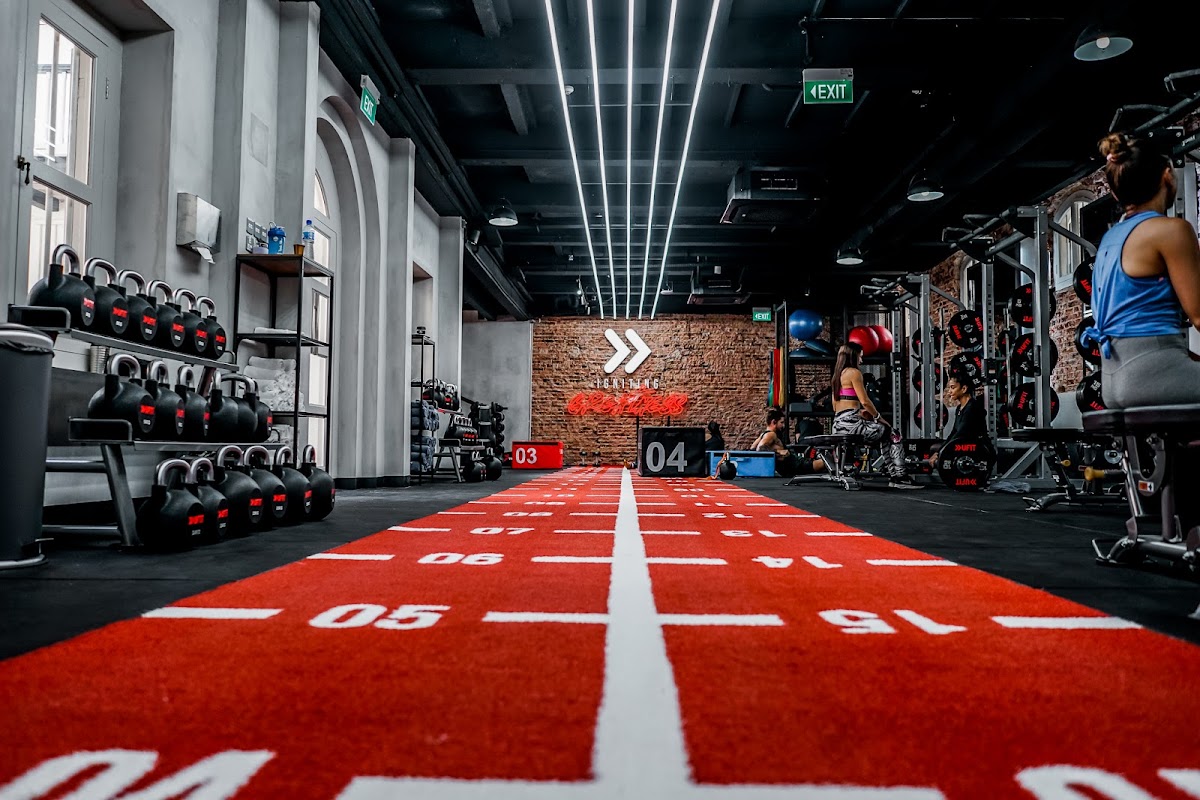
UFIT CBD HUB - CLUB STREET
⭐ 5/5 (477 reviews) • $200-400/mo • CBD
BEST FOR:
Serious lifters who need premium equipment and expert coaching
NOT IDEAL FOR:
Casual gym-goers — this is performance-focused training
The gold standard for week 4 training. Multiple squat racks, Olympic platforms, and trainers who actually know progressive overload. Peak hours (6-8pm) get busy but the space handles it better than most.
View Details →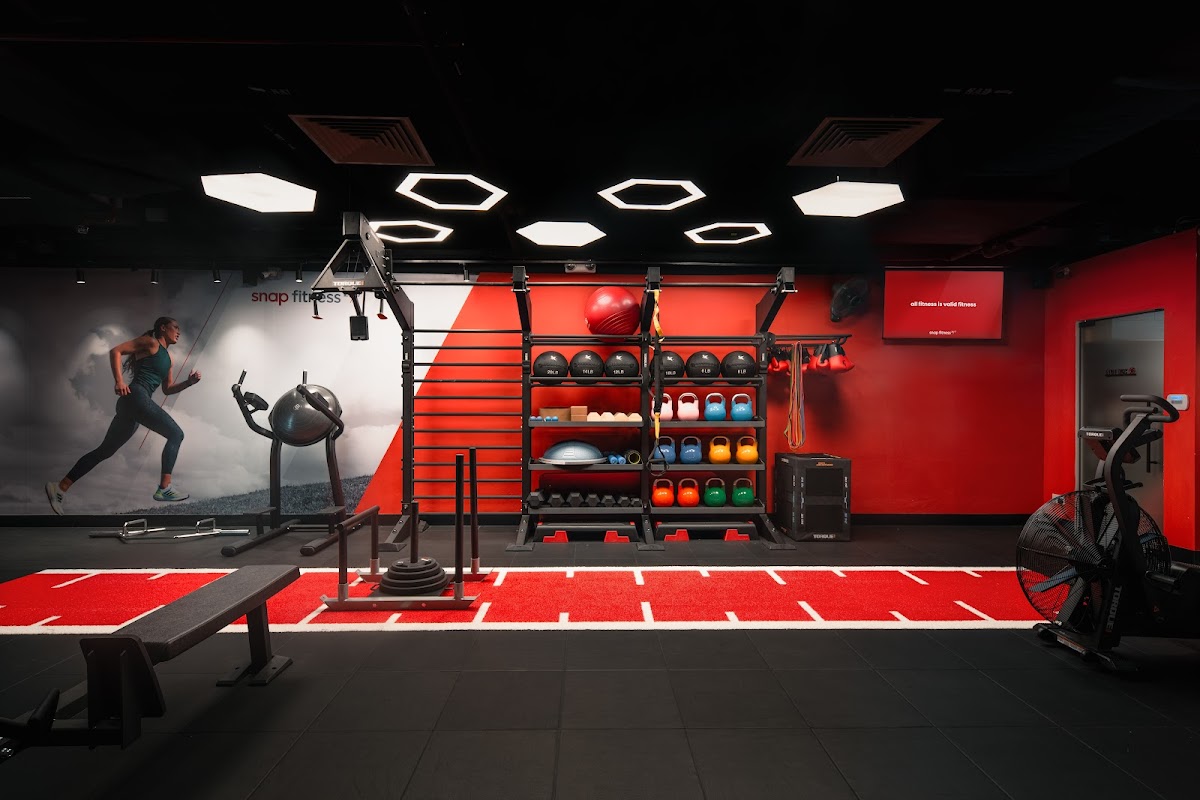
SNAP FITNESS WOODLANDS HEALTH
⭐ 5/5 (48 reviews) • $70-120/mo • Woodlands
BEST FOR:
Shift workers and early risers — 24-hour access is clutch
NOT IDEAL FOR:
People who need tons of space — it's compact but functional
The 24-hour access saves you during CNY week when everyone's schedule goes haywire. Solid equipment, rarely crowded at 6am, and the $15 day pass lets you test the waters first.
View Details →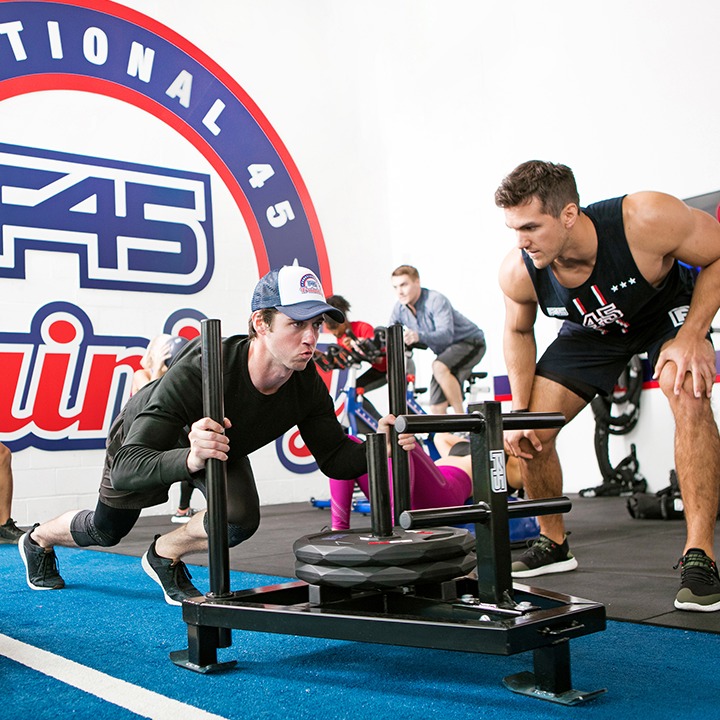
F45 TRAINING TANJONG RHU
⭐ 5/5 (207 reviews) • $238-316/mo • Stadium
BEST FOR:
High-intensity group training with structured programming
NOT IDEAL FOR:
People who prefer solo training or need heavy barbell work
Perfect if you need external motivation for week 4's intensity. The coaches push you harder than you'd push yourself, and the 45-minute format fits Singapore's fast pace.
View Details →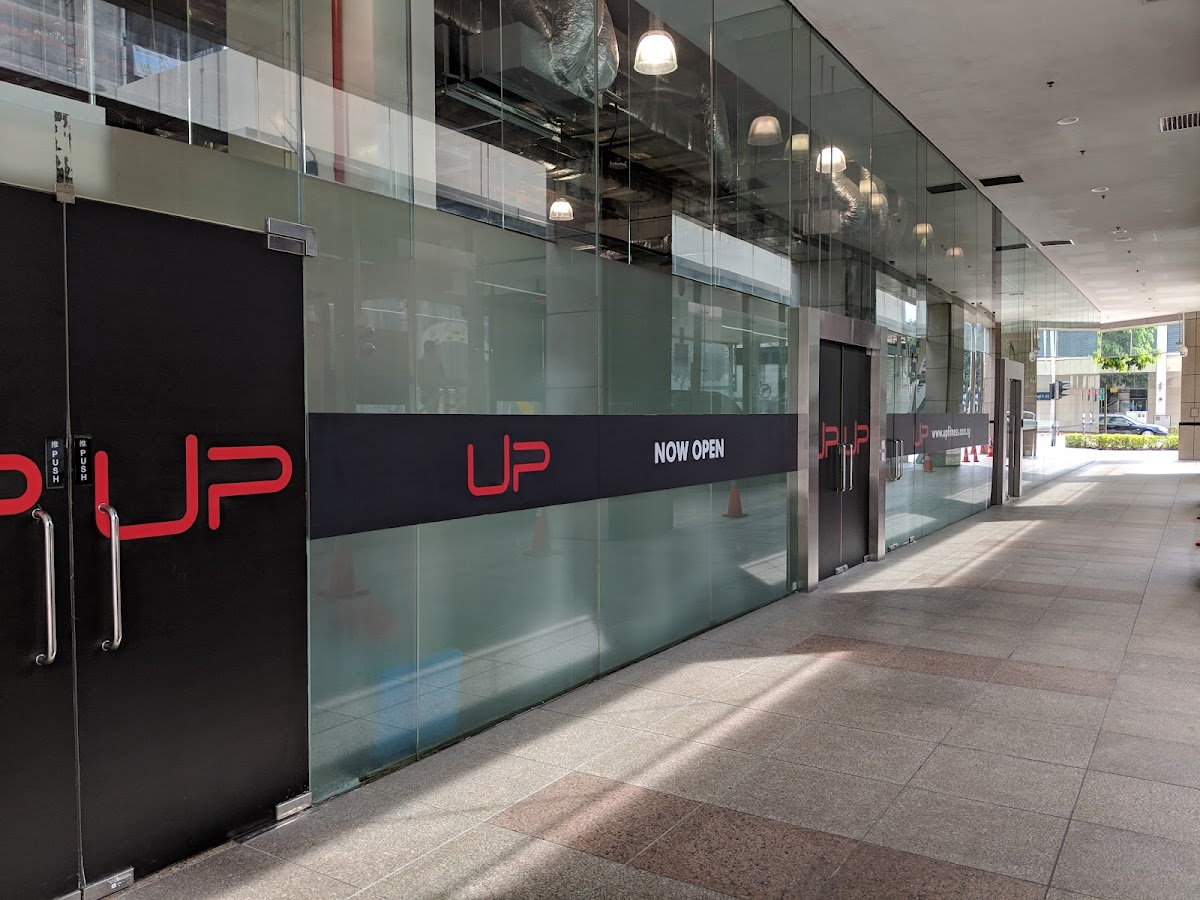
ULTIMATE PERFORMANCE CBD
⭐ 5/5 (1323 reviews) • Contact for pricing • CBD
BEST FOR:
Professionals who want expert guidance through peak training
NOT IDEAL FOR:
DIY trainers — it's personal training focused
When you absolutely cannot afford to mess up week 4's programming. These trainers know periodization and will push you through the intensity safely. Premium pricing but results-driven.
View Details →Week 4 Workout Schedule
| Day | Focus | Duration | Intensity |
|---|---|---|---|
| Monday | Lower Power | 75-90 min | 90% |
| Tuesday | Upper Power | 75-90 min | 90% |
| Wednesday | Active Recovery | 30-45 min | 60% |
| Thursday | Full Body Strength | 80-95 min | 85% |
| Friday | Conditioning Peak | 45-60 min | 95% |
| Saturday | Optional Skill Work | 30-45 min | 70% |
| Sunday | Complete Rest | 0 min | 0% |
Monday: Lower Power (Peak Intensity)
Start the week with your heaviest lower body session. This is where three weeks of preparation pay off — you're hitting near-maximal loads on compound movements.
WORKOUT A: LOWER POWER
1. Back Squat (Competition Style)
• Warm-up: 5 x 5 @ 40%, 50%, 60%, 70%, 75%
• Working Sets: 3 x 3 @ 85-90% (3-4 min rest)
• Focus: Explosive concentric, controlled eccentric
2. Romanian Deadlift
• 4 x 6 @ 80-85% (2-3 min rest)
• Emphasize hamstring stretch and hip hinge
3A. Bulgarian Split Squats
• 3 x 8 each leg @ bodyweight + 20-30kg (90s rest)
3B. Single Leg Hip Thrust
• 3 x 10 each leg (90s rest between supersets)
4. Walking Lunges + Calf Raises
• 3 x 20 steps + 15 calf raises (1 min rest)
If a squat rack is unavailable, choose an appropriate alternative session or exercise with the equipment you have. Do not assume a particular adjustable-dumbbell model is required.
Tuesday: Upper Power (Maximum Effort)
Upper body strength peaks here. Focus on compound pressing and pulling movements with the heaviest loads you can handle for quality reps.
WORKOUT B: UPPER POWER
1. Barbell Bench Press
• Warm-up: 5 x 5 @ 40%, 50%, 60%, 70%, 75%
• Working Sets: 5 x 3 @ 85-90% (3-4 min rest)
• Use a spotter or safety bars
2. Weighted Pull-ups/Chin-ups
• 4 x 5 @ bodyweight + 10-25kg (3 min rest)
• Use belt or hold dumbbell between legs
3. Overhead Press (Standing)
• 4 x 6 @ 80-85% (2-3 min rest)
• Core stability is crucial — no belts
4A. Weighted Dips
• 3 x 8 @ bodyweight + 10-20kg (90s rest)
4B. Face Pulls
• 3 x 15 @ moderate weight (90s rest between supersets)
No bench press available? Dumbbell bench works, but you'll need heavy weights. Most Singapore gyms cap dumbbells at 50kg — that's where places like UFIT shine with proper equipment.
Wednesday: Active Recovery
Your nervous system needs a break, but complete rest kills momentum. Light movement, stretching, and addressing weak points.
WORKOUT C: RECOVERY + MOBILITY
1. Light Cardio
• 15-20 min easy bike or incline walk
• Zone 2 heart rate (conversational pace)
2. Dynamic Mobility Circuit
• Cat-cow stretches: 2 x 10
• Hip circles: 2 x 10 each direction
• Arm circles: 2 x 10 each direction
• Leg swings: 2 x 10 each leg
3. Core Stability
• Plank holds: 3 x 45-60 seconds
• Side planks: 2 x 30 seconds each side
• Dead bugs: 2 x 10 each side
This is also perfect for trying massage therapy or using recovery tools like the 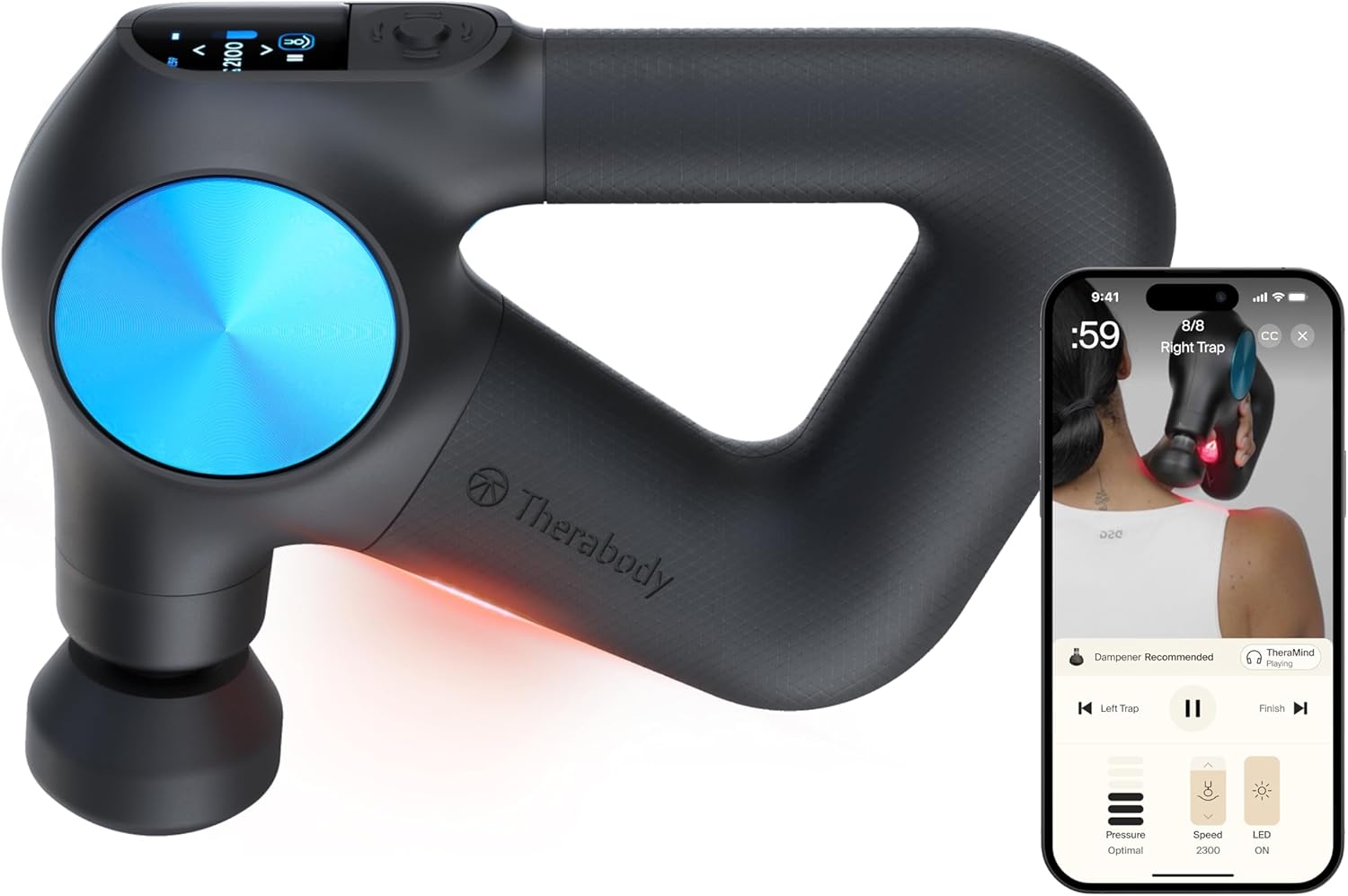 Theragun PRO massage gun. Week 4's intensity creates tight spots that need addressing.
Thursday: Full Body Strength
Your longest session of the week. We're hitting every major movement pattern with moderate-heavy loads and higher volume.
WORKOUT D: FULL BODY STRENGTH
1. Conventional Deadlift
• Warm-up: 5 x 5 @ 50%, 60%, 70%, 75%, 80%
• Working Sets: 4 x 5 @ 85% (3-4 min rest)
2. Front Squat
• 4 x 6 @ 75-80% (2-3 min rest)
• Focus on upright torso and core bracing
3. Incline Dumbbell Press
• 4 x 8 @ 75-80% (2 min rest)
4. Bent-over Barbell Rows
• 4 x 8 @ 75-80% (2 min rest)
5A. Barbell Hip Thrust
• 3 x 12 @ moderate-heavy (90s rest)
5B. Hanging Leg Raises
• 3 x 10-15 (90s rest between supersets)
This session can run 90+ minutes if you're not efficient.
Friday: Conditioning Peak
The week's finale. High-intensity metabolic work that tests everything you've built. This is where mental toughness gets forged.
WORKOUT E: CONDITIONING PEAK
1. Barbell Complex (No Rest Between Exercises)
• Deadlift x 5
• Bent-over Row x 5
• Hang Clean x 5
• Front Squat x 5
• Push Press x 5
• Complete 4 rounds, 2-3 min rest between rounds
2. Assault Bike/Air Bike Intervals
• 6 x 30 seconds all-out
• 90 seconds easy recovery between intervals
3. Farmer's Walk + Burpees
• 3 rounds: 40m heavy farmer's walk → 10 burpees
• 2 min rest between rounds
No air bike? The Assault AirBike Elite is gold standard for home conditioning. Otherwise, rowing machine or even burpees work — just match the intensity.
How to Choose Your Week 4 Approach
IF YOU'RE A: Strength-Focused Lifter
Priority: Heavy compound movements, competition prep, powerlifting focus
Best approach: Follow the barbell-heavy program at UFIT CBD or similar equipped facility
IF YOU'RE A: Time-Constrained Professional
Need: Maximum results in 45-60 minute sessions, flexible scheduling
Best approach: F45-style classes or compressed supersets at 24-hour gyms
IF YOU'RE: Conditioning-Focused
Priority: Cardiovascular fitness, metabolic conditioning, functional movement
Best approach: Emphasize Friday's conditioning work, add extra HIIT sessions at F45 or similar
IF YOU'RE: Building Your First Peak
Need: Guidance, safety, gradual progression without injury
Best approach: Work with trainers at Ultimate Performance, reduce intensities by 10%
Singapore-Specific Training Tips
Week 4 in Singapore has unique challenges.
Humidity Management During Peak Intensity
Even in air-conditioned gyms, high-intensity work gets brutal in Singapore's climate.
Chinese New Year Week Gym Timing
January's final week often coincides with CNY prep. Gyms get weird — either completely packed (everyone trying to "burn off" upcoming feast calories) or eerily empty (people traveling). Check your gym's holiday hours and have a backup plan.
Equipment Hoarding Strategy
Week 4's longer sessions mean you need equipment for 75-90 minutes. At crowded Singapore gyms, this creates problems. Solution: Go during off-peak (10am-2pm or after 9pm), or choose gyms with multiple setups of key equipment.
Recovery Between Sessions
Singapore's pace makes recovery harder — you're rushing between work, training, and life. Prioritize sleep over everything else this week. 7+ hours is non-negotiable when training at 85-90% intensity.
Form Breakdown Prevention
High intensity plus fatigue equals injury risk. Film your heavy sets if possible, or train with someone who knows good form. Most Singapore gym-goers lift alone — don't let ego override safety during peak week.
Frequently Asked Questions
What if I can't handle the prescribed intensities?
Drop everything by 10-15% and focus on perfect form. Week 4 should feel challenging but not impossible. If you're struggling with 85% loads, your previous weeks might not have built enough base — that's fine, treat this as a learning experience for next cycle.
How important is the exact exercise selection?
Movement patterns matter more than specific exercises. If your gym doesn't have a barbell, heavy goblet squats work. No pull-up bar? Lat pulldowns substitute fine. The key is maintaining the intensity and rep ranges while hitting the intended muscle groups.
Should I train if I'm feeling run down?
Distinguish between normal fatigue and actual illness. Slight muscle soreness and mental fatigue are expected in week 4. But if you have fever, persistent headache, or feel genuinely unwell, skip the session. Peak training with compromised immunity is asking for trouble.
What happens after Week 4?
February should start with a proper deload — reduce training volume by 40-50% for one week. This isn't laziness; it's how you consolidate the gains from your peak training block. Your body adapts during recovery, not during the stress itself.
Can I do this program at ActiveSG gyms?
Partially. You'll have basic equipment for most exercises, but heavy barbell work might be limited. The conditioning sessions work perfectly at ActiveSG facilities. For serious strength training, consider day passes at better-equipped gyms like Snap Fitness ($15/day) for your heavy sessions.
How do I know if I'm ready for Week 4 intensity?
If you completed weeks 1-3 progressively without major form breakdown or injury, you're ready. Signs you might need to back off: persistent joint pain, dramatic performance drops, sleep disruption, or getting sick frequently. Trust your body over the program.
What nutrition changes should I make for Week 4?
Eat slightly more carbs around training sessions — your glycogen stores get hammered at these intensities. Don't drastically change your diet during peak week though — stick with foods that already work for you.
Your Week 4 Action Plan
This is it — the culmination of everything you've built over January. Week 4 separates those who talk about training from those who actually push their limits.
Start by choosing your primary gym based on equipment needs. If you're serious about the strength component, places like UFIT CBD Hub are worth the investment. For conditioning focus, F45 provides the external motivation when your willpower fails.
Schedule your sessions now, before the week starts. Peak training doesn't happen by accident — it requires planning, preparation, and commitment to showing up even when you don't feel like it.
Most importantly, remember that this intensity isn't sustainable long-term. Week 4 is a controlled peak, not your new baseline. Train hard, recover harder, and trust the process. See you in February for the deload — your gains are waiting on the other side of proper recovery.
Related Guides

January Week 1 Workout Plan 2026
January Week 1 Workout Plan 2026. Expert Singapore fitness guide with actionable advice, local tips, and gym r

January Week 2 Workout Plan 2026
January Week 2 Workout Plan 2026. Expert Singapore fitness guide with actionable advice, local tips, and gym r

January Week 3 Workout Plan 2026
January Week 3 Workout Plan 2026. Expert Singapore fitness guide with actionable advice, local tips, and gym r

February Week 1 Workout Plan 2026
February Week 1 Workout Plan 2026. Expert Singapore fitness guide with actionable advice, local tips, and gym