
Best Functional Trainers Singapore 2026
Functional trainers in Singapore — why the big-stack units don't ship via Amazon SG, real local channels (Decathlon, Gym Direct Asia), and a TRX + adjustable dumbbell combo that covers 80% of HDB use cases.
OnWhey is our own supplement brand.
QUICK ANSWER: FUNCTIONAL TRAINERS IN SINGAPORE — THE HONEST READ
A functional trainer should be chosen for its pulley arrangement, movement clearance and loading system. A compact set of weights or straps supports different exercise options and should not be presented as an equivalent machine.
The original BowFlex 552 and 1090 dumbbells are excluded from these recommendations following the CPSC recall of 5 June 2025 for plates detaching during use. If you own one, stop using it and read BowFlex's recall guidance. The published remedy process applies to the US and its territories; Singapore owners should ask BowFlex or their seller about their specific unit.
For a functional trainer, request the exact pulley positions, loading range, footprint, delivery route and installation quote. A suspension trainer or kettlebell can support a different training plan, but neither is a cable machine.
Prices quoted in this article may be outdated. Confirm the current price, exact model, seller, delivery to your address and warranty terms on the retailer’s page before ordering.
The Real Talk on Functional Trainers
The thing about this category in Singapore: most reviews are written by people who've never dealt with HDB weight limits, neighbour noise complaints, or 85% humidity destroying the cable systems.
Here's the unwelcome truth: Bowflex HVT, Marcy 150lb Dual-Stack, Body-Solid G9S — listings appear on Amazon SG, but actual delivery to SG addresses is unreliable. Either freight balloons past US$400 at checkout, or the order is silently cancelled. The real channels for functional trainers in SG are Decathlon (smaller Domyos units in-store), Gym Direct Asia, Fitness Outlet (Lazada).
The functional trainers you see in commercial Singapore gyms are typically S$8,000+ Life Fitness or Cybex units. For home use, the practical question is: can you get the same training stimulus without committing to a 200kg machine? The answer is yes, with a TRX + adjustable dumbbells combination.
What Actually Works for HDB Functional Training
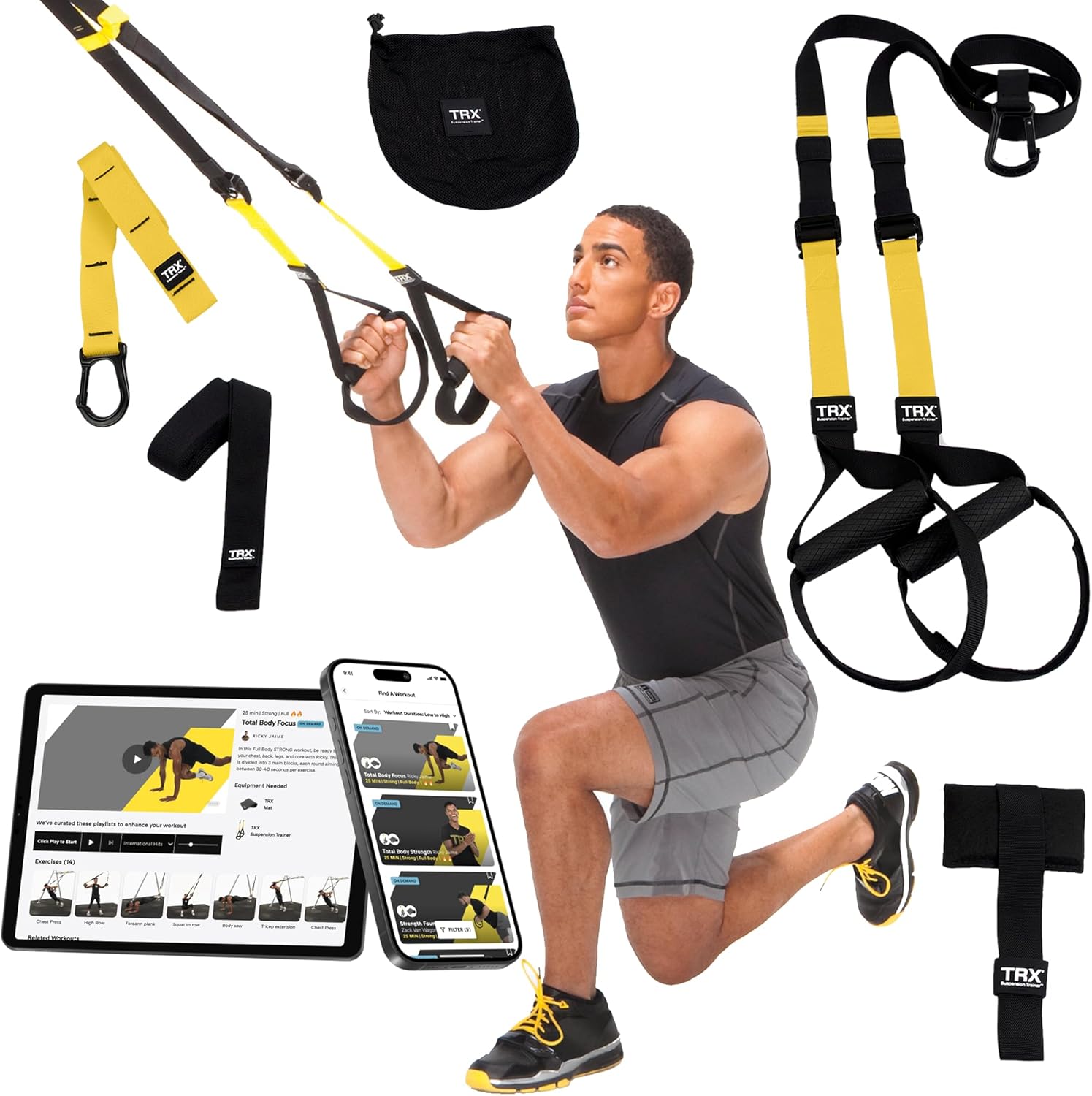
TRX PRO3 SUSPENSION TRAINER
Door-anchor functional system • Available on Amazon SG
BEST FOR:
Functional movement patterns, anti-rotation, single-leg work, rows, presses
NOT IDEAL FOR:
Heavy isolation work where progressive weight stack matters
Hooks onto any HDB door in 30 seconds, weighs under a kilo. Replaces 70-80% of typical functional trainer use cases — pulls, presses, rotational work, single-leg patterns. Silent operation. Drawer-storable.
Amazon.sg listing unavailable (checked 22 September 2026)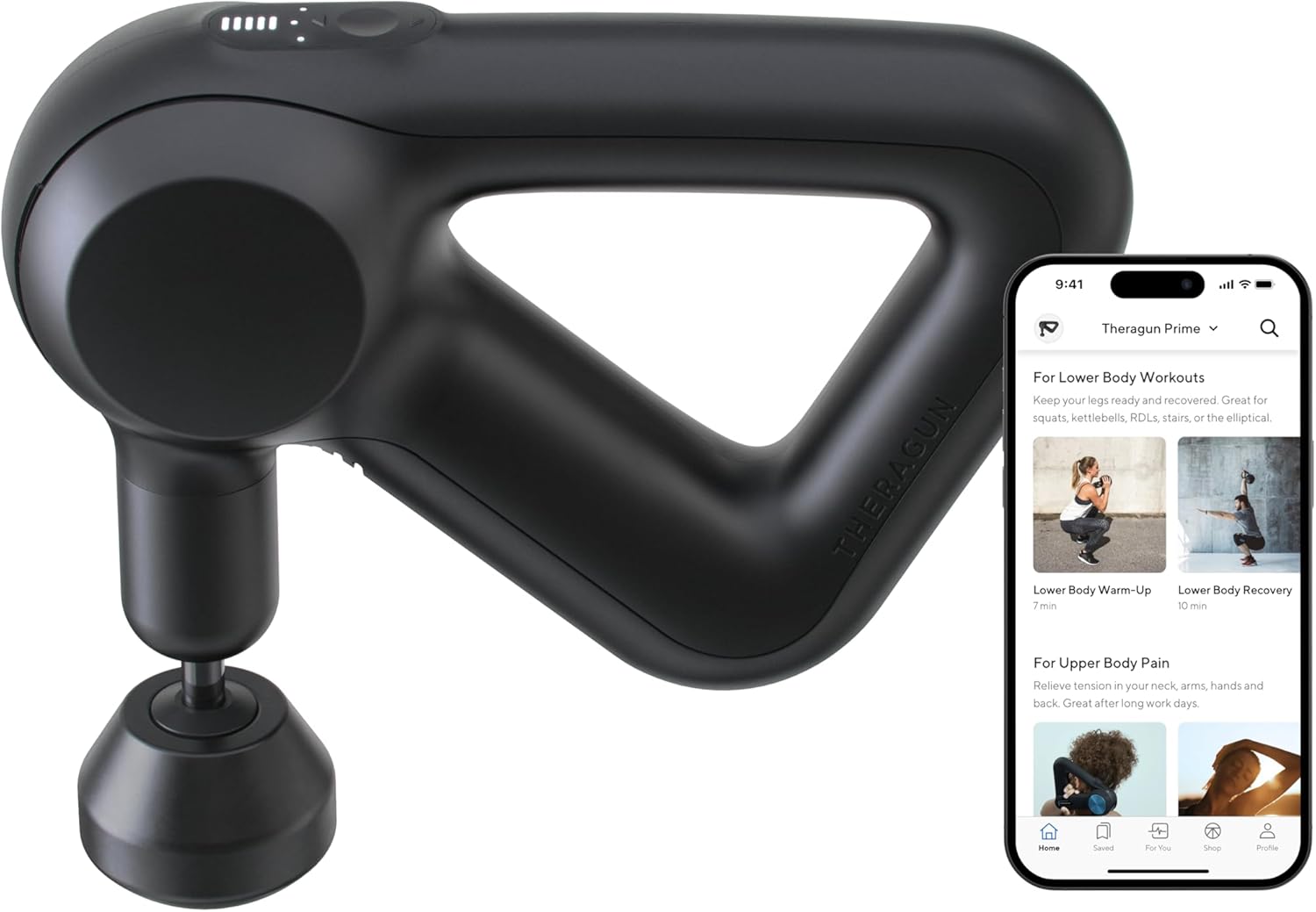
Theragun Prime
Theragun Prime is an optional percussion massager with a triangular handle, five preset speeds and Bluetooth app control. The fourth-generation manual lists four attachments. Compare the exact generation and included accessories before buying; later Prime versions have different specifications.
Choose it if handle options and app control matter to you. A massage gun is optional equipment; leave room in the budget for the equipment needed to perform your training.
Amazon.sg listing unavailable (checked 22 September 2026)
Where to Actually Buy a Functional Trainer in Singapore
If you genuinely need a real functional trainer with weight stack — landed property, dedicated gym room — here's the real landscape:
Decathlon Singapore stocks Domyos compact functional trainers at Kallang/Bedok. Mid-range, reliable, you can test before buying.
Gym Direct Asia / Fitness Outlet (Lazada) handle Body-Solid, PowerTec, Inspire imports with real SG-side warranty. Markups of 30-50% over US Amazon prices but includes specialist install.
Carousell second-hand regularly lists functional trainers at half retail when home-gym owners pivot. Bring a friend with a van.
Skip Amazon SG for Bowflex HVT, Marcy 150lb dual-stack, Body-Solid G9S. The listings exist but the orders fail.
HDB-Specific Constraints
Floor suitability: check the actual machine, loaded weights and use with the relevant building authority or a qualified structural professional. A generic floor-load number does not approve an installation.
Ceiling clearance: Most full-size units need 2.8m+. HDB ceilings clear 2.6-2.7m typically.
Noise: Weight-stack clatter through HDB walls. Even "silent" units transmit. Rubber mats help but don't eliminate.
Humidity: Cables, pulleys, weight rods rust. Wipe metal weekly. Aircon room recommended.
Delivery: 200kg+ in 3-4 boxes. Specialist install S$200-400 extra. Most HDB lifts can handle the volume but check before ordering.
How to Choose Your Path
IF YOU'RE: HDB-Living
Look for: drawer-storable, silent, no permanent install
Best fit: a trainer with the pulley positions and loading range required for your programme.
IF YOU'RE: Renting
Look for: zero-install, easy moving
Best fit: TRX PRO3 alone
IF YOU'RE: Landed Property
Look for: real functional trainer via local importer
Best fit: Body-Solid G9S via Gym Direct Asia
IF YOU'RE: Recovery-Focused
Look for: tools that compound training without dominating space
Best fit: Theragun Prime
A local option worth comparing before you order: OnWhey sells ONWHEY PRIME (US$69.90, about S$90) with 25g protein per serving from a whey isolate and concentrate blend, with digestive enzymes and probiotics, 30 servings per 1kg tub, which works out to roughly S$3.00 a serving, shipped from Singapore.
Frequently Asked Questions
Why don't you link to Bowflex HVT or Body-Solid G9S on Amazon SG?
Because the listings aren't reliable for SG addresses. Orders auto-cancel, freight surcharges balloon at checkout. Better to point you to Decathlon, Gym Direct Asia, or Fitness Outlet that actually deliver.
Can TRX + dumbbells really replace a functional trainer?
For 80% of typical functional-trainer use cases, yes — pulls, presses, rotational work, single-leg patterns, weighted lunges. Where the combo falls short: progressive heavy isolation (cable curls at 40kg+, weighted lat pulldowns). Most home users don't need those specific moves.
Are home functional trainers as good as commercial ones?
Premium home units (Body-Solid G9S class) match commercial quality. Most home versions have lighter stacks (90-130kg vs 150-200kg) and fewer cable points. For 95% of users, a quality home unit is sufficient.
How much space do I need for a functional trainer?
Minimum 2m × 2m for the unit, plus 1-1.5m clearance on all sides. Ceiling 2.8m+ for full lat pulldown range. Most HDB living rooms barely fit compact functional trainers.
Will SG humidity damage my functional trainer?
Yes if you skip maintenance. Cables, pulleys, and weight rods rust without weekly wiping. Aircon room recommended. Premium units have better corrosion resistance but still need care.
Final Verdict: What I'd Actually Buy
Supply chain via Amazon SG is broken, ceiling clearance fights you, and a TRX + adjustable dumbbells covers nearly all the same training without any of the problems.
Check the functional trainer's dimensions, delivery route, assembly needs and seller support before paying. If it does not fit your space or budget, choose a training arrangement that supports the exercises you need.
Add a Theragun Prime (Amazon.sg listing unavailable on 22 September 2026) for recovery — home lifters lose access to gym sauna and massage chairs.
If you have a landed property with a dedicated gym room, message Gym Direct Asia for a Body-Solid G9S or similar. Skip the Amazon SG listings — they're a logistics trap.
Building the rest of your setup? Check our S$1,000 HDB home gym guide.
Related Guides
Related reading: Best Home Gym Equipment Singapore 2026.
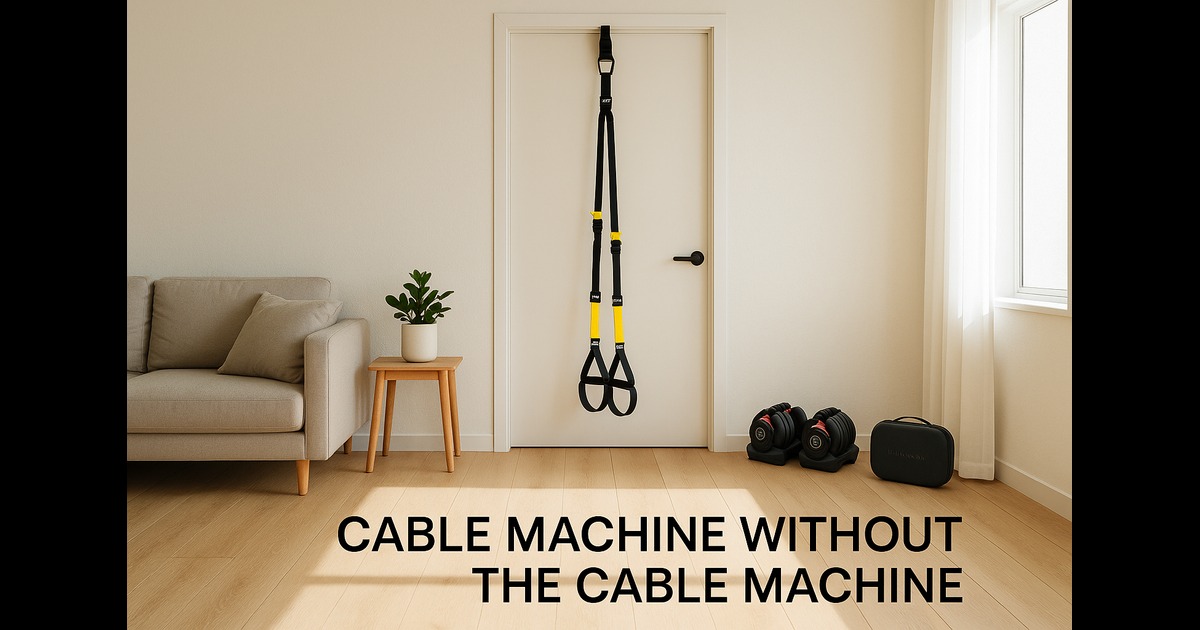
Best Cable Machines for Home Gym Singapore
The best cable machines for Singapore home gyms — functional trainers, wall-mounted units, and budget pulley o
Home Gym Barbell Set Singapore
Home gym barbell set guide for Singapore — Olympic vs standard, which set actually survives HDB humidity, and
Creatine Monohydrate vs HCL Singapore
Compare creatine monohydrate and HCL product labels, serving sizes and costs, with questions to check before buying a supplement in Singapore.
Best Whey Protein Singapore 2026: Complete Guide
The whey proteins worth buying on Amazon SG in 2026 — what mixes well in Singapore's hard water, what tastes g