
Best Lat Pulldown Machines Singapore 2026
What lat pulldown options actually make sense for a Singapore home setup — pulley attachments, cable stations, and compact machines compared on price, footprint, and HDB-feasibility.
QUICK ANSWER: LAT PULLDOWN MACHINES IN SINGAPORE — THE HONEST READ
A dedicated lat pulldown station needs a suitable footprint, ceiling clearance and a confirmed delivery route. Before ordering, ask the seller for the assembled dimensions, delivery and installation costs, and Singapore warranty support. If you choose another type of equipment, check that it supports the movements you want; a suspension trainer or dumbbell does not reproduce a cable machine’s guided vertical pull.
AmazeFan Multi-Grip Doorway Pull-Up Bar was unavailable on the checked Amazon listing on 22 September 2026. Before choosing any doorway bar, verify its mounting method and your frame dimensions. A product photo or specification for ProsourceFit does not establish AmazeFan compatibility.
Use long bands designed for pull-up assistance
Fit Simplify’s five-band set contains short 12-inch loops for exercise resistance; it is not a pull-up-assistance set. Rogue Monster Bands are an example of long bands whose manufacturer lists pull-up assistance as an intended use. Check band length, resistance, mounting instructions and delivery before choosing a set.
Prices quoted in this article may be outdated. Confirm the current price, exact model, seller, delivery to your address and warranty terms on the retailer’s page before ordering.
The Real Talk on Lat Pulldown Machines in Singapore
For Titan, XMark, Life Fitness or another pulldown station, request a quote identifying the model, delivery endpoint and installation. This guide does not establish a standard freight surcharge or that orders from an entire marketplace fail.
Check the model's assembled height, exercise clearance, cable-care instructions and intended environment. A suspension trainer or doorway bar uses a different setup and should not be presented as an automatic replacement.
What Actually Works for HDB Lat Development
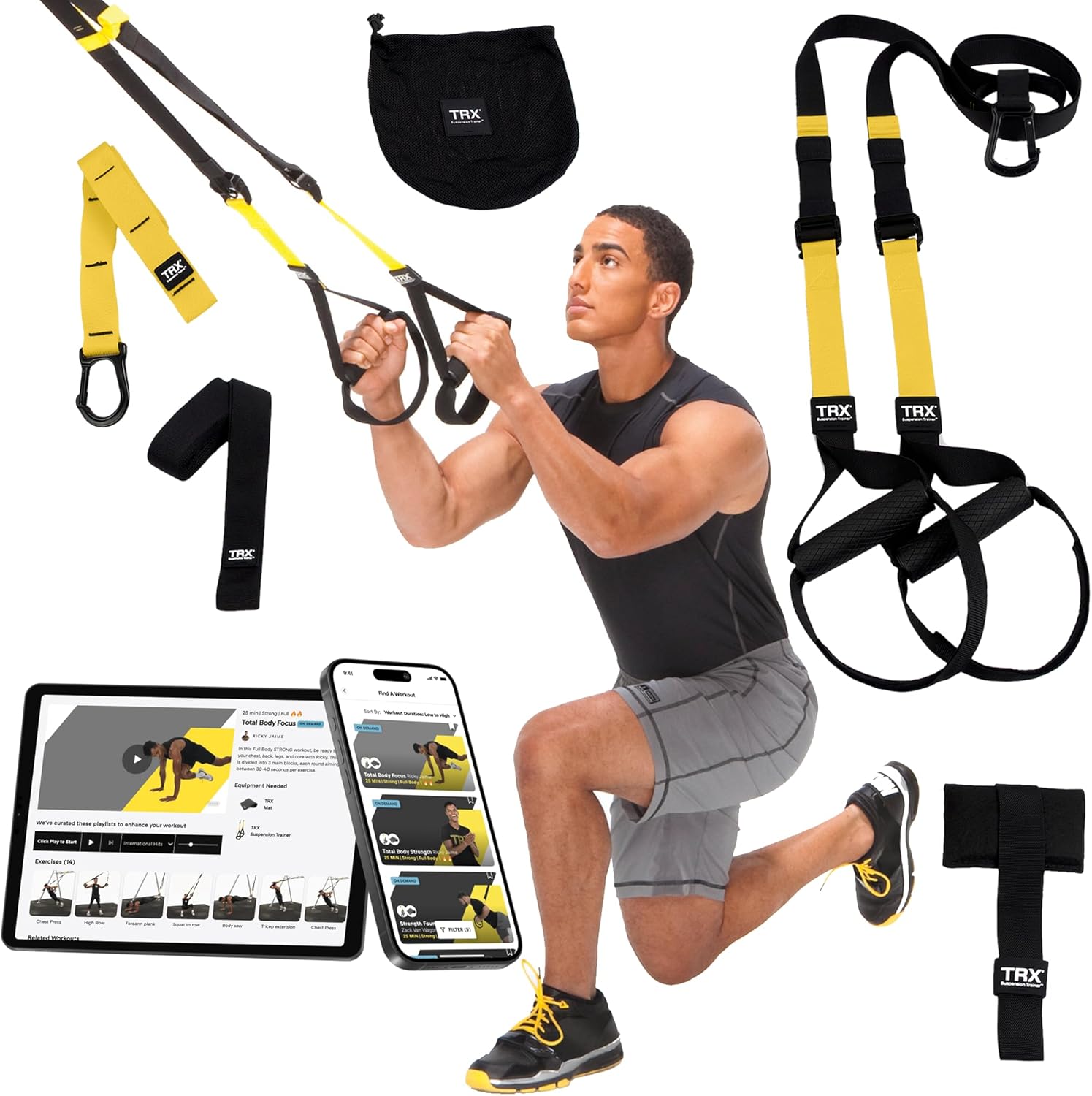
TRX PRO3 SUSPENSION TRAINER
Door-anchor trainer; the reviewed Amazon.sg listing was unavailable on 22 September 2026.
BEST FOR:
Bodyweight rows, inverted rows, pull progressions, single-arm row variants
NOT IDEAL FOR:
Pulldowns above bodyweight load — for that, weighted pull-ups
The TRX gives you the closest pull progression to a lat pulldown without the machine. Hooks onto any HDB door in 30 seconds, weighs under a kilo, drawer-storable. For most home lifters, bodyweight rows with TRX angle adjustment plus weighted pull-ups handles 90% of pulling needs.
Amazon.sg listing unavailable (checked 22 September 2026)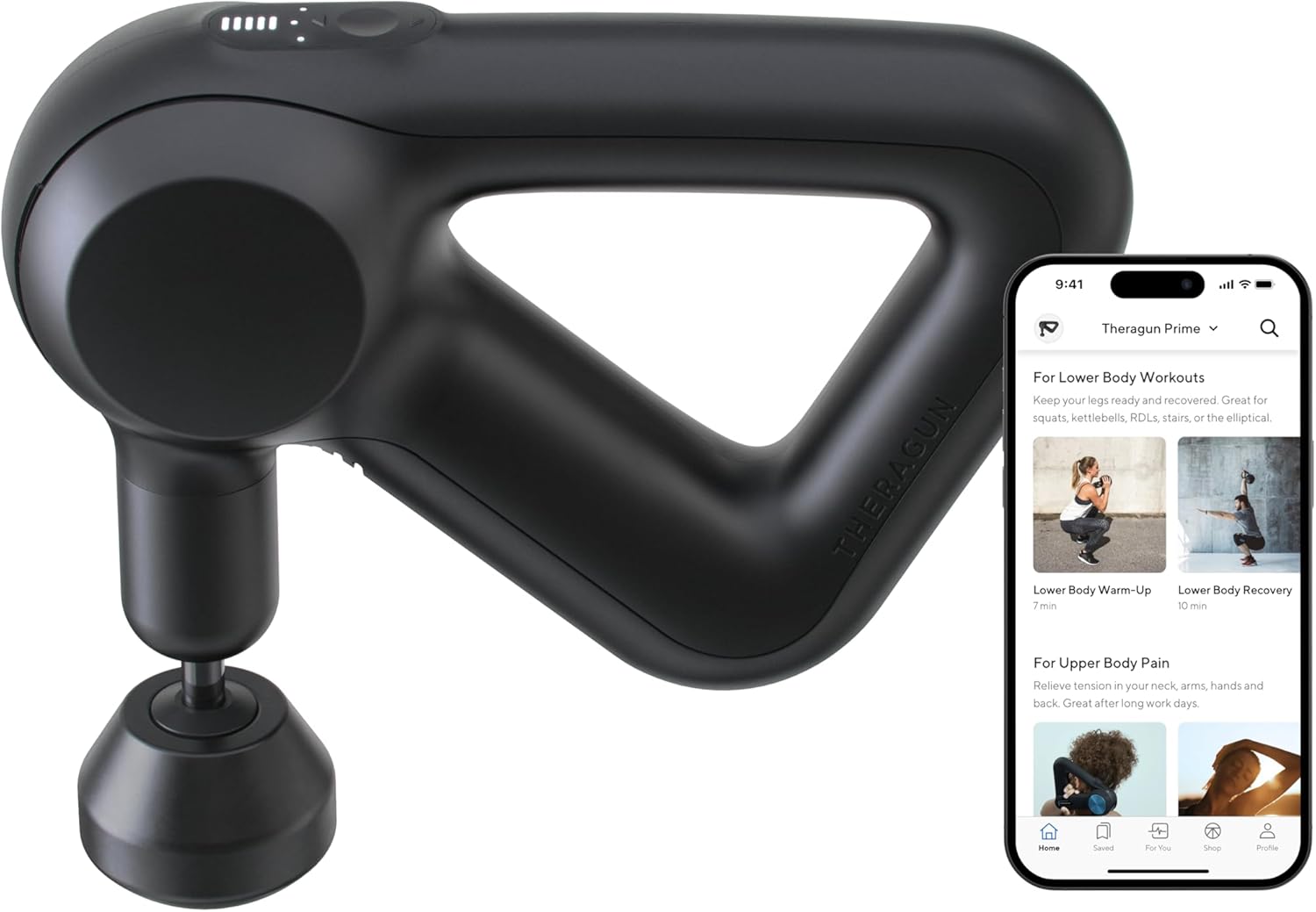
Theragun Prime
Theragun Prime is an optional percussion massager with a triangular handle, five preset speeds and Bluetooth app control. The fourth-generation manual lists four attachments. Compare the exact generation and included accessories before buying; later Prime versions have different specifications.
Choose it if handle options and app control matter to you. A massage gun is optional equipment; leave room in the budget for the equipment needed to perform your training.
Amazon.sg listing unavailable (checked 22 September 2026)
Where to Actually Buy a Lat Pulldown in Singapore
If you specifically want a dedicated lat pulldown station — landed property, dedicated gym room — here's the real landscape:
For a local store visit, confirm the exact pulldown model is available to view and ask for its specifications and delivered quote before travelling.
For a specialist offer, verify the seller identity, exact model, assembly arrangements and warranty terms. Compare these with other complete offers rather than assuming a fixed import markup.
For a second-hand pulldown station, inspect cables, pulleys, pins and the weight stack or loading system. Account for missing parts and transport before comparing the price.
Check the exact marketplace offer and delivery address. The brand or platform name alone does not establish whether an order will be fulfilled.
Why Most HDB Flats Don't Suit Lat Pulldowns Anyway
Ceiling clearance: measure the installed machine and the extra space the manual requires for assembly, moving components and the exercise. Do not infer fit from an assumed HDB ceiling height.
Floor load: Stack-based machines plus user can exceed 200kg/sqm older HDB limits.
Noise: Weight-stack clatter through HDB floors. Even high-end "silent" stacks transmit through thin walls.
Humidity: Cables, pulleys, weight rods rust within 6 months without weekly maintenance. Aircon room recommended.
For a cost-per-session comparison, divide the complete setup and expected upkeep cost by the sessions you realistically expect to use it. Compare that with a gym access option that provides the equipment you need.
How to Choose Your Path
IF YOU'RE: HDB-Living
Look for: drawer-storable, silent, no install
Best fit: TRX PRO3 + pull-up bar
IF YOU'RE: Set on a Real Pulldown
Look for: a model with documented dimensions, suitable loads and confirmed delivery
Best fit: a verified model that fits the room and required exercises
IF YOU'RE: Landed Property
Look for: real lat pulldown via local importer
Best fit: Body-Solid via Gym Direct Asia
IF YOU'RE: Recovery-Focused
Look for: tools that compound training
A percussion massager is not pulldown equipment; the reviewed Theragun Prime listing was unavailable on 22 September 2026.
Frequently Asked Questions
Why don't you link to Titan Fitness or Life Fitness on Amazon SG?
Before ordering, verify the exact model, delivery address and installation quote. A listing in the site catalog is not evidence that other retailers cannot supply a suitable machine.
Can TRX + pull-ups really replace a lat pulldown?
For 90% of home users, yes. TRX rows hit lats from horizontal angle. Pull-ups (and weighted pull-ups with the dumbbells held between feet) hit lats from vertical angle. Combined, you cover the same movement plane as a pulldown without the machine.
Will my HDB ceiling fit a lat pulldown machine?
Measure the available ceiling height and compare it with the exact model's assembled dimensions and exercise clearance. Follow the manual rather than a blanket height assumption.
How much weight stack do I need on a home lat pulldown?
For most lifters, 70-90kg is enough — that handles bodyweight + assistance and weighted pull-down work. Commercial machines have 100-150kg stacks that home users rarely need.
Will SG humidity damage cables?
Yes — cheap cables fray within 6 months in non-aircon rooms. Premium cables last longer with weekly maintenance. Aircon room and weekly wipe-downs are mandatory if you go this route.
Final Verdict: What I'd Actually Buy
Supply chain is broken, ceilings fight you, and a TRX + pull-up bar covers the same training without any of the problems.
If your routine needs lat pulldowns, compare equipment with the required pulley position, seat and loading arrangement. Rows and suspension exercises are separate alternatives, not a like-for-like machine replacement.
The original BowFlex 552 and 1090 dumbbells are excluded from these recommendations following the CPSC recall of 5 June 2025 for plates detaching during use. If you own one, stop using it and read BowFlex's recall guidance. The published remedy process applies to the US and its territories; Singapore owners should ask BowFlex or their seller about their specific unit.
Do not add a massage gun simply because you are buying pulling equipment. The reviewed Theragun Prime listing was unavailable on 22 September 2026 and serves a different purpose.
Compare current offers for a pulldown model that fits the room and programme. Confirm the installation route and support arrangements before ordering.
Building the rest of your setup? Check our S$1,000 HDB home gym guide.
Related Guides
Best Cable Machines for Home Gym Singapore
The best cable machines for Singapore home gyms — functional trainers, wall-mounted units, and budget pulley o
Best Smith Machines for Home Singapore 2026
Why a home Smith machine is the wrong buy for an HDB flat in 2026 — and the under-S$1,000 dumbbell + suspensio
Bowflex Revolution vs Cable Machine Singapore: What Actually Ships
Bowflex Revolution is not the clean Amazon.sg buy. Compare high-ticket Bowflex machines that actually ship to
Best Home Gym Equipment Singapore 2026
What home gym equipment is actually worth buying in Singapore — rower, adjustable dumbbells, racks, and bands