
Outdoor Fitness Near Orchard: Parks, Entrances and Route Planning
Choose Fort Canning or Singapore Botanic Gardens by the entrance, journey and session you can actually use. Check current access, weather notices and group rules before heading out.
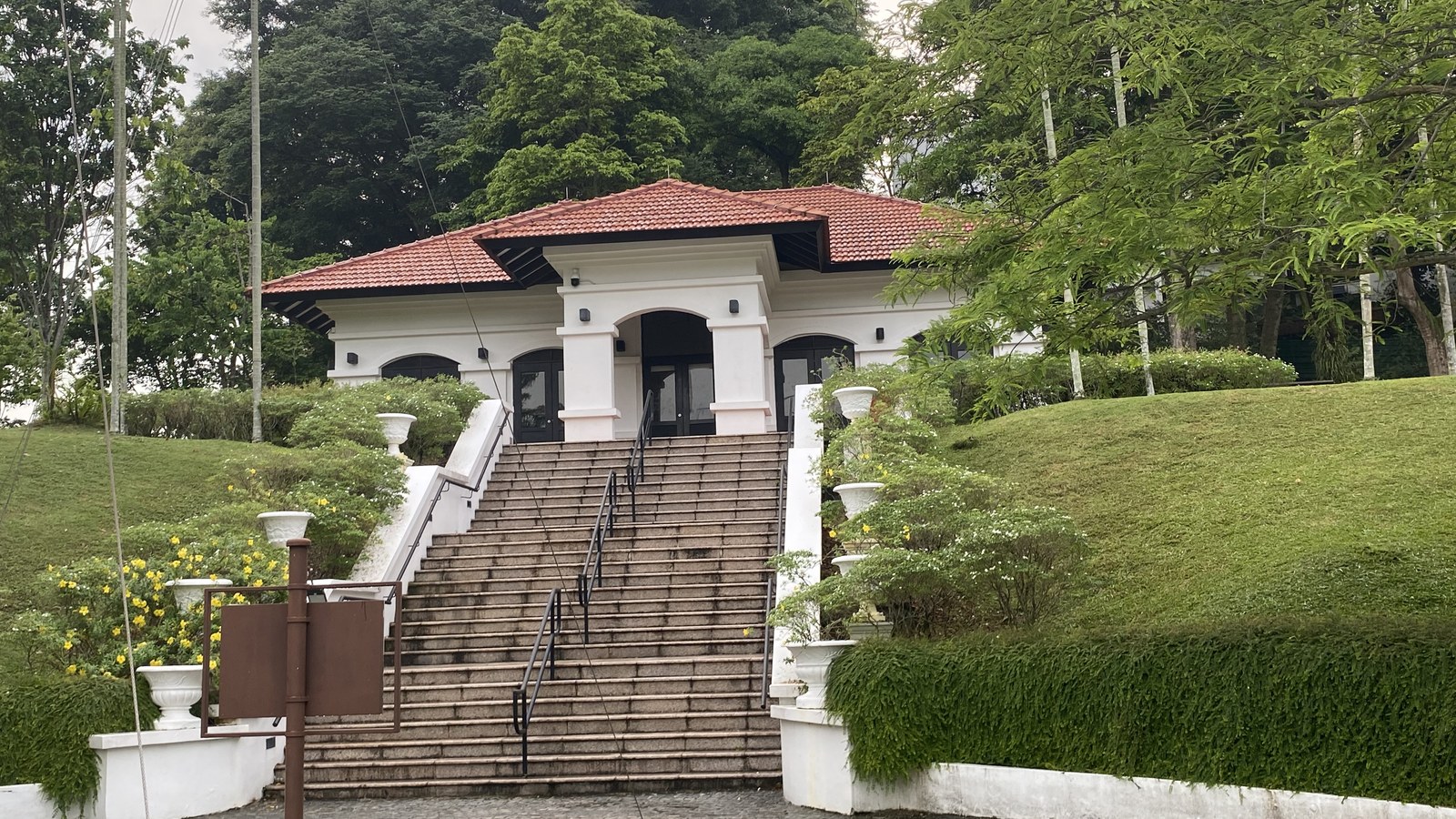
For an outdoor session near Orchard, start by choosing a park entrance and a route that fit your journey. Fort Canning and Singapore Botanic Gardens offer different arrival options, so compare the trip to your intended starting point before deciding where to train.
Your useful comparison is the time and effort required for the whole visit: getting there, finding the route, exercising and getting home or to work. A pin labelled with the park's name leaves several of those decisions open.
Which park should you consider?
| Option | Arrival to check | What should decide it? |
|---|---|---|
| Fort Canning Park | NParks lists Dhoby Ghaut, Clarke Quay and Fort Canning MRT stations nearby. | Choose a specific entrance and check whether your path involves slopes or stairs. |
| Singapore Botanic Gardens, Tanglin entrance | Napier MRT serves this entrance. | Use the Gardens map to choose your outward route and return point. |
| Singapore Botanic Gardens, Bukit Timah entrance | Botanic Gardens MRT serves this entrance. | Compare this arrival with Tanglin using your actual starting address. |
The arrival information comes from the Fort Canning visitor page and Botanic Gardens visitor information. Neither table entry is a measured workout route. Use a journey planner with the entrance selected, then allow time to find your way on a first visit.
What should you know about Fort Canning?
NParks describes a 22-hectare hilltop park and lists it as open 24 hours. Its visitor page specifies wheelchair access from the Cox Terrace roundabout drop-off point. That makes the arrival choice particularly important if you need a route without stairs.
Open the park map before choosing a path. If your plan depends on a particular staircase, lawn or fitness station, establish where it is and check current access. A photograph of steps does not tell you their count, gradient or suitability for repeated exercise.
For a first visit, give yourself room to change the session after seeing the path, surface and other users. Keep entrances and shared paths clear, and choose an alternative if your intended activity would obstruct people passing through. The park's opening hours do not establish lighting or conditions on every path.
How does a Botanic Gardens visit differ?
The official visitor page lists the main Gardens as open from 5am to midnight daily, with free entry to the grounds. The National Orchid Garden has separate admission charges, and individual attractions have their own hours.
Choose Tanglin or Bukit Timah as an actual starting point, rather than treating the two MRT stations as interchangeable. Download the current map and identify the section you want to use. Decide whether you will return to the same gate or finish elsewhere before you leave belongings or arrange a pickup.
A published sightseeing route also includes time spent looking at attractions. Use its map to understand the area; do not treat its duration as a running time. Plan a visit that leaves enough time for the return journey and any change of clothes you need afterwards.
What belongs in your route plan?
Write down these six choices before travelling. They turn a broad idea such as “exercise near Orchard” into a visit you can actually carry out.
- Starting entrance: save the exact gate or drop-off point, plus your transport route to it.
- Return point: decide whether you need to get back to the same entrance.
- Usable path: check the map for the route and any stairs or access restrictions that matter to you.
- Facilities to confirm: identify toilets, water points and shelter on current visitor information; check them on arrival.
- Time available: include both journeys and changing time in your schedule.
- Alternative: decide what you will do if the route is closed, the weather changes or the available space does not suit the session.
After the visit, record the entrance you used, where you turned back and what delayed you. Your own observed timings will make the next comparison more useful than a generic journey estimate for the entire park.
What should you check on the day?
NParks' park etiquette guidance advises checking the forecast and seeking shelter during bad weather. It also advises avoiding forested areas during and immediately after heavy rain.
Read the Botanic Gardens notices before travelling: some forest attractions close during inclement weather. Follow closures and signs when you arrive. Having planned a session is not a reason to continue into a closed area.
Carry the items your chosen visit needs and keep your load manageable. Confirm practical details such as drinking water and changing arrangements instead of assuming every entrance provides them.
Can you join or organise a group workout?
For Fort Canning, the park page directs organisers to submit its Park Use Request for group activities. Check that process before arranging a class, group session or an activity that needs space set aside.
For an advertised workout, confirm the date, meeting point, registration and weather arrangements with the organiser. An old event listing does not establish that a group still meets each week. For other parks, use their own current booking and activity guidance.
When would a nearby gym be more practical?
A gym may fit your routine better when you need specific equipment, predictable indoor access or changing facilities before work. Check those features with the actual branch and include the journey in your comparison.
Use the Orchard gym directory to build a shortlist, then bring the gym membership comparison worksheet to trials. Record the full commitment and how often the location fits your week. An outdoor session and a gym membership can serve different parts of the same routine.